商品图片
AI分析
🟢 Green Pea Kernels (Food & Agricultural Products)
🌐 HS Code Reference & Customs Clearance Guide | 2026 Latest Tariff Analysis | Professional Strategy for Fresh & Frozen Produce
📌 I. Product Definition & Classification: What Exactly Are "Green Pea Kernels"?
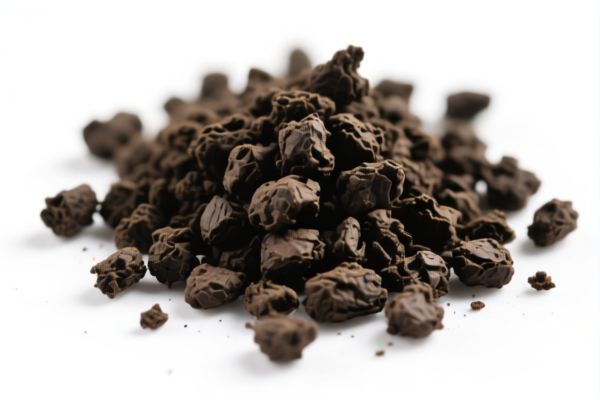
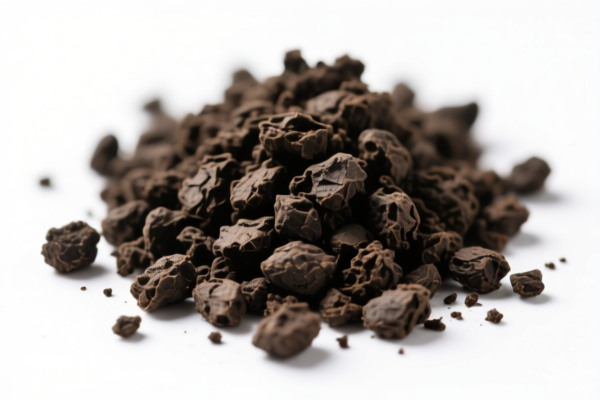
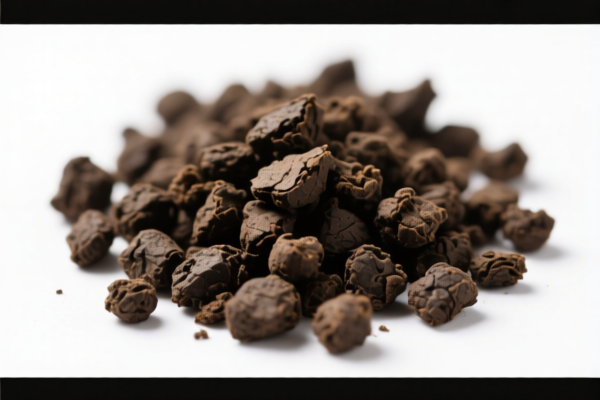
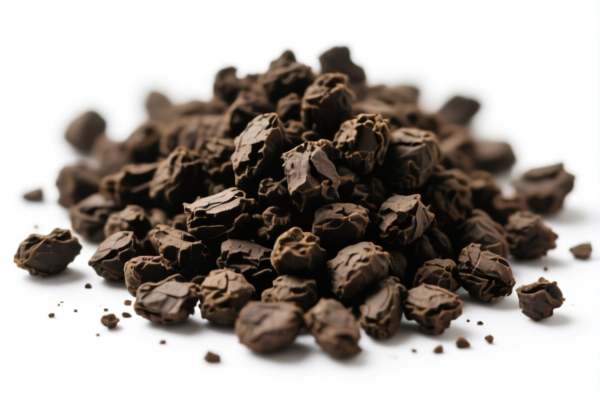
Green pea kernels, scientifically known as Pisum sativum, are the edible seeds of the pea plant. In international trade, they are distinguished by their state (fresh vs. frozen) and physical form (shelled/split vs. whole). Unlike dried pulses used for planting or animal feed, these are primarily for human consumption.
Key Distinctions: * Fresh/Chilled: Harvested recently, requiring cold chain logistics. High moisture content. * Frozen: Blanched and rapidly frozen to preserve texture and color. Standard for global supply chains. * Shelled/Split: The pod has been removed. They may be whole rounds or halved (split peas).
⚠️ Critical Classification Point:
- Fresh/Chilled → Falls under Chapter 07 (Edible Vegetables). Specifically 0713.10.
- Frozen → Falls under Chapter 07 (Vegetables). Specifically 0713.20.
- Dried (for sowing) → If moisture is too low and intended for planting, they might fall under 1201/1209, but 0713 covers dried pulses for food. Note: The provided data only lists Fresh and Frozen forms.
📦 II. HS Code Classification Details (2026 Latest Tariff Authority)
| HS Code | Product Description | State/Form | Key Characteristics |
|---|---|---|---|
0713.10 |
Green pea kernels, whether or not shelled or split, fresh or chilled | Fresh / Chilled | Refrigerated transport required; short shelf life; high water activity. |
0713.20 |
Green pea kernels, whether or not shelled or split, frozen | Frozen | IQF (Individually Quick Frozen) or block frozen; long shelf life; blanched prior to freezing. |
🔍 Important Note:
- "Whether or not shelled or split" means both whole round peas and halved split peas fall under these same codes.
- "Fresh or Chilled" covers peas stored below 10°C but not frozen solid.
- "Frozen" covers peas stored at -18°C or lower.
- Do not confuse with "Dried Green Peas" (which might be0713.31if dried >12% moisture), as the provided data restricts us to Fresh/Chilled and Frozen.
💰 III. 2026 Tariff Rate Details (Tax Information Limitation)
⚠️ CRITICAL ALERT: TAX DATA UNAVAILABLE
Based on the provided dataset, tax information for these HS codes could not be retrieved.
-tax_detail: "Failed to retrieve tax information"
-total_tax: "Error"
🚫 Implications of Missing Tax Data:
- Cannot Determine Duty Rate: We cannot confirm if the import duty is 0%, 5%, 10%, or subject to punitive tariffs (e.g., Section 301 in the US, or EU tariffs on certain agri-products).
- Risk of Non-Compliance: Assuming a rate without verification can lead to underpayment (penalties) or overpayment (lost profit).
- Recommendation: You must consult the latest national customs tariff schedule for your specific country of import. For example:
- US: Often 0% for fresh/frozen peas under HTSUS 0713.10/20, unless subject to specific trade remedies.
- EU: May have tariff-rate quotas (TRQs) for agricultural products.
- China: May have MFN rates or preferential rates under RCEP/FTA.
📌 Explanation:
- The error indicates a system failure in accessing real-time tax databases.
- Do not guess the tax rate. Use this guide for classification only.
🛠️ IV. Customs Clearance Practical Advice (Real-World Pitfall Guide)
✅ 1. Required Documentation Checklist
| Document | Must Provide? | Notes |
|---|---|---|
| ✅ Commercial Invoice | ✔️ | Must specify "Green Pea Kernels, Fresh/Frozen" and HS Code 0713.10 or 0713.20. |
| ✅ Packing List | ✔️ | Detail net/gross weight, number of packages. |
| ✅ Phytosanitary Certificate | ✔️ | Essential for fresh/chilled products. Issued by the country of origin’s plant protection agency. |
| ✅ Cold Chain Certificate | ✔️ | Prove temperature maintained during transit (critical for fresh/frozen). |
| ✅ Certificate of Origin | ✔️ | To claim any preferential tariffs (if applicable). |
| ✅ Food Import License | ✔️ | Depending on the destination country (e.g., FDA registration in the US, EFSA compliance in EU). |
| ✅ Labeling | ✔️ | Must include ingredient list, allergen info (peas are legumes), expiry date, and storage instructions. |
✅ 2. Declaration Tips (Key Mnemonics)
🔥 "State Matters: Fresh vs. Frozen! Chilled is not Frozen!"
| Scenario | Correct HS Code | Common Error | Consequence |
|---|---|---|---|
| Peas stored at 0°C to 4°C | 0713.10 |
Misclassified as Frozen (0713.20) |
May face phytosanitary scrutiny if docs mismatch; wrong duty if rates differ. |
| Peas stored at -18°C | 0713.20 |
Misclassified as Fresh (0713.10) |
May be rejected at border if cold chain docs don't match "fresh" requirements. |
| Split Peas (Dry) | Not Covered in Data | Trying to fit into 0713.10/20 |
Error! Dry split peas are typically 0713.31 or 0713.32. Do not use fresh/frozen codes for dry goods. |
| Whole Peas in Pods | Not Covered | Using Kernel codes | Inappropriate. Whole pods are 0708.20 (Other vegetables). |
✅ 3. Special Handling Requirements
| Condition | Handling Advice |
|---|---|
| Biological Risk | Fresh peas are high-risk for pests (e.g., pea weevil). Phytosanitary Certificate is mandatory. |
| Temperature Control | Frozen peas must maintain -18°C. Temperature loggers are recommended. |
| Allergen Labeling | Peas are legumes. Labeling must comply with local allergen laws (e.g., "Contains: Peas"). |
| Quality Grading | Specify grade (e.g., "US No. 1", "European Class I") on invoice to avoid disputes. |
🌍 V. Global Market Comparison (2026 Latest)
| Country/Region | Recommended HS Code | Estimated Duty Trend | Certification | Remarks |
|---|---|---|---|---|
| 🇺🇸 USA | 0713.10 / 0713.20 |
0% (General MFN) | FDA + Phytosanitary | Check for Section 301 lists; usually exempt for fresh/frozen produce. |
| 🇪🇺 EU | 0713.10 / 0713.20 |
Varies (TRQ) | EFSA + Phytosanitary | Subject to tariff-rate quotas; high duties may apply over quota. |
| 🇨🇳 China | 0713.10 / 0713.20 |
MFN Rate (~5-10%) | CIQ + Phytosanitary | Strict on pesticide residues. |
| 🇬🇧 UK | 0713.10 / 0713.20 |
0% (Post-Brexit) | GB Phytosanitary | Check UK Trade Tariff for latest changes. |
📌 Conclusion:
- Fresh/Chilled requires strict phytosanitary controls.
- Frozen is easier to trade but requires cold chain verification.
- Tax rates are currently unknown in the provided data; always verify with local customs.
📌 VI. Common Mistakes & Pitfall Guide (Lessons Learned)
❌ Mistake 1: Confusing "Fresh" with "Frozen"
👉 Result: If you declare 0713.10 (Fresh) for frozen peas, customs may reject the shipment for lack of proper phytosanitary treatment (frozen products are treated differently).
❌ Mistake 2: Using "Green Peas" without specifying state
👉 Result: Customs will hold the shipment for clarification, causing delays. Always specify "Fresh" or "Frozen".
❌ Mistake 3: Assuming tax rate is 0% without verification
👉 Result: Since the data shows an "Error," you might underpay duties. Always verify with official customs websites.
❌ Mistake 4: Ignoring Phytosanitary Requirements
👉 Result: For fresh/chilled peas, missing a phytosanitary certificate leads to immediate destruction or re-export.
✅ Correct Approach:
“Green Pea Kernels, Fresh, Shelled, US No. 1, Packaged in 10kg Cartons, HS Code: 0713.10”
“Green Pea Kernels, Frozen, IQF, Packaged in 15kg Cartons, HS Code: 0713.20”
🎯 VII. Conclusion: Precision in Classification Saves Time & Money
🎯 Remember the Golden Rules:
🔹 "Fresh is 0713.10, Frozen is 0713.20 – Split or Whole, Same Code!"
🔹 "Tax Error? Verify! Don’t Guess – Customs Will Fines You!"
🔹 "Phytosanitary is King for Fresh – No Certificate, No Entry!"
📌 Pro Tip:
Since the provided data shows tax errors, it is highly recommended to:
1. Use official customs tariff databases (e.g., USITC HTS, EU TARIC, China Customs Tariff).
2. Apply for a Pre-classification Ruling from customs if the product is high-value.
3. Ensure Cold Chain Documentation is perfect for both fresh and frozen shipments.
📣 Immediate Action:
📞 Contact your local customs broker + Provide Product Specifications (Fresh/Frozen, Shelled/Split) + Verify Tax Rates
🚀 Let your green peas pass through customs smoothly, tax-compliantly, and on time!
✨ Professional Clearance Starts with Precise Classification!
💼 Every Detail Counts – From Kernel to Container!
用户评价
关于 HS 编码归类
协调制度(HS)是由世界海关组织(WCO)制定的国际贸易商品分类标准。全球 200 多个国家采用 HS 系统作为海关关税、贸易统计和进出口监管的基础。
每个 HS 编码遵循以下层级结构:
- 章(2 位)——商品大类(例如:第 84 章:机器和机械设备)
- 品目(4 位)——章内的更具体分类
- 子目(6 位)——国际通用细分,所有 WCO 成员国统一使用
- 本国细分(8-10 位)——各国自行扩展的细分编码,如美国 HTSUS 10 位编码
正确的 HS 编码归类对于顺利通关、准确缴纳关税和遵守贸易法规至关重要。错误归类可能导致海关延误、多缴关税或罚款。
从CN进口到US时,适用的关税税率可能包括:
- 最惠国(MFN)税率——适用于 WTO 成员国的标准关税税率
- 普通税率——适用于无贸易协定国家
- 贸易救济关税——附加关税,如 301 条款(反倾销)、232 条款(国家安全)或反补贴税
本页内容仅供参考。如需正式归类,请咨询当地海关或持牌报关代理。