Grey Wet Un tanned Dehaired Goat Skin
CN → US商品图片
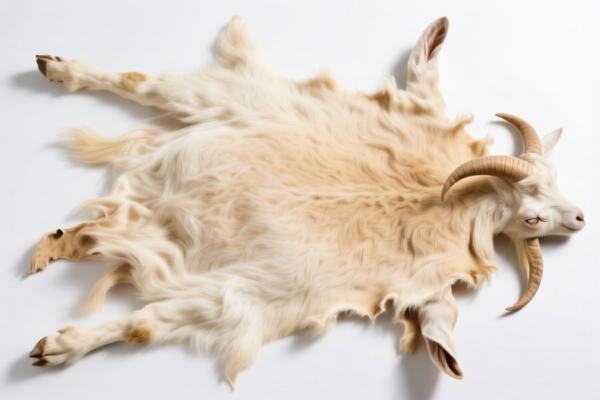
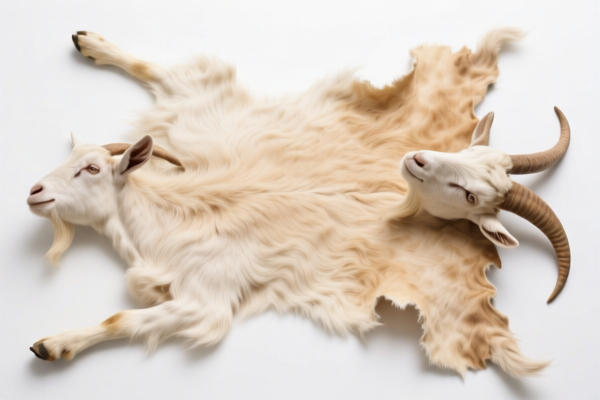
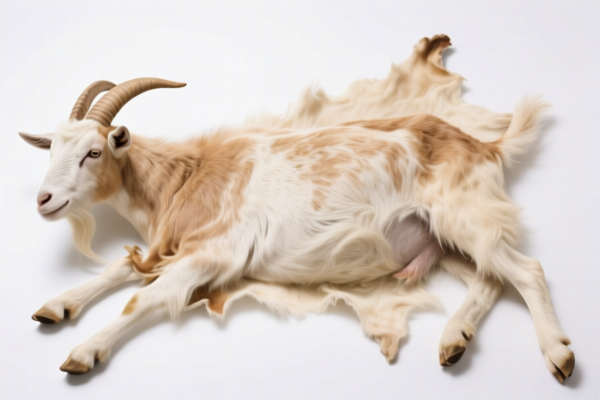
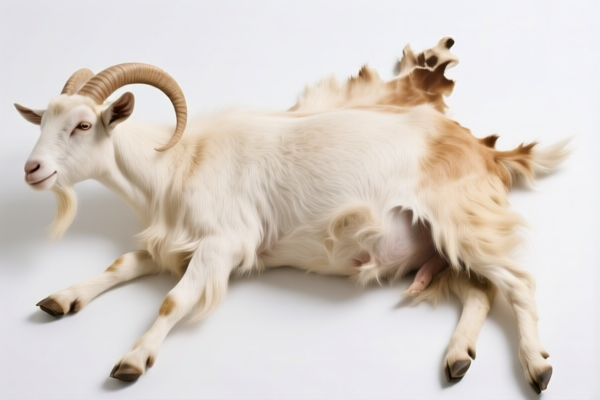
AI分析
🐐 Grey Wet-Untanned Dehaired Goat Skin
🌐 HS Code Reference & Clearance Guide | 2026 Latest Tariff Breakdown | Professional Customs Strategy
📌 1. Product Definition & Classification: Do You Truly Understand "Grey Goat Skin"?
Grey wet-untanned dehaired goat skin, commonly referred to in the trade as "Grey Goatskin" or "Wet-Blue/Wet-White Goat Skin" (depending on the specific chemical process, though "wet-untanned" usually implies the skin has been limed/dehaired but not yet tanned with tanning agents like chromium), is a crucial raw material for the leather industry. It is primarily used for high-end apparel, gloves, footwear, and luxury accessories.
Key Distinction:
- Raw Skin vs. Processed Skin: If the skin has been dried without any preservation (bloomed/salted), it falls under different codes. However, "Grey" or "Wet" indicates it is preserved in a chemical state (usually salted or limed) to prevent rotting before final tanning.
- Dehaired: This means the hair has been removed using chemical or mechanical means. If the hair were intact, it would be classified as "fur skin" (Chapter 43). Since the hair is removed, it falls under Chapter 41 (Raw Hides and Skins).
⚠️ Critical Classification Point:
- If the skin is only salted/dried but not chemically treated to the "grey" stage → 4104.49 / 4105.39
- If the skin is chemically treated (dehaired, limed) but NOT tanned (i.e., "Grey" or "Wet") → 4104.41 or 4105.30
- Note: "Wet-Untanned" is a technical term often used interchangeably with "Grey" in trade. It means the collagen structure is fixed against decay but lacks permanent tanning properties.
📦 2. HS Code Classification Details (2026 Latest Tariff Reference)
| HS Code | Product Description | Applicable Scenario | Chemical State |
|---|---|---|---|
4104.41.10.00 |
Bovine hides, tanned or parchment-dressed, of a weight per square metre not exceeding 16 kg, split | Not Applicable (This is Goat) | ❌ N/A |
4105.30.00.00 |
Goat or kid goat skins, dehaired, other than those of heading 4106 | Grey/Dehaired Goat Skin (Common for apparel/footwear) | ✅ Dehaired, Limed, Not Tanned |
4106.22.10.00 |
Goat or kid goat skins, wet-blue (tanned with chromium or chromium salts) | Wet-Blue Goat Skin | ✅ Tanned (Chromium) |
4106.22.90.00 |
Goat or kid goat skins, other than wet-blue (tanned, non-chromium) | Vegetable-Tanned Goat Skin | ✅ Tanned (Vegetable/Other) |
4106.31.00.00 |
Sheep or lamb skins, split, chromium-tanned | Not Applicable (This is Goat) | ❌ N/A |
4106.40.00.00 |
Sheep or lamb skins, tanned or parchment-dressed, excluding those of heading 4106.31 | Not Applicable (This is Goat) | ❌ N/A |
🔍 Key Insight:
- "Grey Wet-Untanned" typically falls under 4105.30.00.00 if it is merely dehaired and limed but not yet tanned.
- However, in many trade contexts, "Grey" implies the pre-tanning stage. If it is only salted, it might be 4105.39.00.00 (Other goat skins).
- Crucial: If the skin is Wet-Blue (tanned with chromium), it MUST be classified under 4106.22. Misclassifying Wet-Blue as Grey/Untanned can lead to significant tariff discrepancies and environmental compliance issues (chromium VI testing).
💰 3. 2026 Latest Tariff Rate Breakdown (Including Surtaxes & Policies)
✅ Applicable Country: United States (US)
✅ Country of Origin: China (CN)
✅ Effective Date: November 10, 2025 (and subsequent imports)
🎯 1. 4105.30.00.00 —— Goat or Kid Goat Skins, Dehaired, Other (Grey/Untanned)
| Item | Content |
|---|---|
| Base Rate | 0% (ad valorem) |
| USITC Surtax | +25% (from USITC Footnote 9903.88.01) |
| IEEPA Surtax | +10% (对中国/香港产品,自2025年11月10日起) |
| Total Rate | 35% |
| Tax Calculation | CIF Value × 35% |
| De Minimis Eligibility | ❌ Not Eligible (deny_de_minimis) |
| Legal Basis Path | IEEPA:9903.01.25 → IEEPA:9903.01.24 → USITC:4105.30.00.00 → FOOTNOTE:9903.88.01 |
📌 Explanation:
- The 25% USITC surtax is applied under Section 301 of the Trade Act for goods from China.
- The 10% IEEPA surtax is an additional tariff on Chinese goods.
- Total 35% is a high duty for raw materials. This significantly impacts the cost of finished leather goods.
🎯 2. 4106.22.10.00 —— Wet-Blue Goat Skin (If Actually Tanned)
| Item | Content |
|---|---|
| Base Rate | 0% |
| USITC Surtax | +25% |
| IEEPA Surtax | +10% |
| Total Rate | 35% |
| Tax Calculation | CIF Value × 35% |
| De Minimis Eligibility | ❌ Not Eligible |
| Legal Basis Path | Same as above |
📌 Note:
- If your "Grey" skin is actually Wet-Blue (tanned), the tariff rate is the same (35%).
- Risk: Misclassifying Wet-Blue as Grey/Untanned might seem like a loophole, but environmental regulations (EPA) and customs audits will detect chromium residues. Penalties for misclassification can exceed the tax difference.
🛠️ 4. Practical Clearance Advice (Pitfall Avoidance Guide)
✅ 1. Document Checklist (Essential)
| Document | Required | Description |
|---|---|---|
| ✅ Product Specification | ✔️ | Must clearly state: "Goat Skin," "Dehaired," "Chemical State (Grey/Limed)," "Weight," "Size." |
| ✅ Chemical Treatment Report | ✔️ | Crucial to prove it is NOT tanned (if claiming 4105) or IS tanned (if claiming 4106). Include Chromium VI test if applicable. |
| ✅ Photos (Front/Back/Edge) | ✔️ | Show hair removal, edge preparation, and any labels. |
| ✅ Commercial Invoice | ✔️ | Clearly state "Raw Goat Skin for Further Processing" or "Wet Goat Skin." Avoid vague terms like "Leather Material." |
| ✅ Packing List | ✔️ | Detail gross/net weight. Raw skins are heavy; accurate weight is vital for duty calculation. |
| ✅ FDA/CPSC Form | ❌ | Not required for raw hides, but EPA/CEP forms may be needed if chemical residues are a concern. |
✅ 2. Declaration Tips (Key Mantra)
🔥 “State the Chemical Process, Not Just the Animal! Grey vs. Blue Makes the Difference!”
| Scenario | Correct Declaration | Wrong Practice |
|---|---|---|
| Grey/Dehaired, Not Tanned | 4105.30.00.00 - "Goat Skin, Dehaired, Untanned, Grey State" |
Calling it "Leather" → 85% Duty! |
| Wet-Blue (Chromium Tanned) | 4106.22.10.00 - "Goat Skin, Wet-Blue, Chromium Tanned" |
Calling it "Grey" to avoid EPA checks → High Risk of Inspection |
| Salted, Dried, No Hair | 4105.39.00.00 - "Goat Skin, Salted, Dehaired" |
Confusing with "Wet" → Misclassification |
| Finished Leather Garment | 4203.29.00.00 - "Leather Gloves/Apparel" |
Declaring as raw skin → Smuggling suspicion |
✅ 3. Special Handling Cases
| Scenario | Handling Advice |
|---|---|
| High Moisture Content | Declare as "Wet" or "Grey." Ensure packing is leak-proof. Customs may check for rotting smells or mold. |
| Chromium Residue | If declaring as "Untanned," be prepared to show no chromium. If "Wet-Blue," provide Chromium VI test reports to avoid EPA delays. |
| Mixed Batches | Do not mix goat skin with sheep or bovine hides in one HS code declaration. Separate by Animal Type. |
| Re-export from Vietnam/Mexico | If processed in third countries, ensure Rules of Origin are met to claim 0% IEEPA surtax. |
🌍 5. Global Market Clearance Comparison (2026 Latest)
| Country/Region | Recommended HS Code | Tariff (China Origin) | Certification Requirements | Notes |
|---|---|---|---|---|
| 🇺🇸 USA | 4105.30.00.00 |
35% (25% + 10%) | None for raw skin | High duty due to 301/IEEPA |
| 🇨🇳 China | 4105.30.00.00 |
10% | None | Lower duty, major importer |
| 🇪🇺 EU | 4105.30.00.00 |
12% (Most Favored Nation) | REACH Compliance (Chemicals) | Strict on chemical residues |
| 🇦🇺 Australia | 4105.30.00.00 |
5% | None | Free Trade Agreement (if applicable) |
| 🇯🇵 Japan | 4105.30.00.00 |
10% | None | Stable demand for grey skins |
📌 Conclusion:
- USA has the highest barrier due to 35% combined tariffs.
- EU focuses on chemical compliance (REACH).
- China is the largest consumer of grey goat skin for its own leather industry.
📌 6. Common Mistakes & Pitfall Guide (Blood Lessons)
❌ Mistake 1: Calling "Grey Goat Skin" "Leather"
👉 Consequence: Duties jump from 35% to 85%+ (Finished Leather articles).
❌ Mistake 2: Not distinguishing between "Salted" and "Wet/Grey"
👉 Consequence: Customs may suspect improper preservation (rotting risk), leading to rejection or fumigation.
❌ Mistake 3: Hiding Chromium Content in Wet-Blue Skins
👉 Consequence: EPA investigation, fines, and seizure.
❌ Mistake 4: Using Generic Terms like "Animal Hide"
👉 Consequence: Customs request for detailed product description, causing delays.
✅ Correct Practice:
“Goat Skin, Dehaired, Limed, Grey State, Untanned, for Leather Manufacturing, HS 4105.30.00.00”
🎯 7. Conclusion: Professional Declaration, Cost Control, and Compliance!
🎯 Remember the Mantra:
🔹 “Animal Type First, Chemical State Second! Grey is Not Blue, Salted is Not Tanned!”
🔹 “USA Tariff is High, Origin Matters, Pre-Ruling Saves Time!”
📌 Tips:
- If your goat skin is processed in Vietnam, Thailand, or Indonesia, apply for Certificate of Origin to claim 0% IEEPA surtax (if rules of origin are met).
- For Wet-Blue skins, always attach a Chromium VI Test Report to avoid EPA flags.
- Consider pre-clearance rulings from US CBP for large shipments to avoid disputes.
📣 Immediate Action:
📞 Contact a licensed customs broker + Provide detailed chemical treatment info + Apply for HS Code Pre-Ruling
🚀 Ensure your grey goat skin clears smoothly, pays correct duties, and reaches your factory on time!
✨ Professional Customs Clearance Starts with Accurate Classification!
💼 Every dollar of duty saved is profit earned!
用户评价
关于 HS 编码归类
协调制度(HS)是由世界海关组织(WCO)制定的国际贸易商品分类标准。全球 200 多个国家采用 HS 系统作为海关关税、贸易统计和进出口监管的基础。
每个 HS 编码遵循以下层级结构:
- 章(2 位)——商品大类(例如:第 84 章:机器和机械设备)
- 品目(4 位)——章内的更具体分类
- 子目(6 位)——国际通用细分,所有 WCO 成员国统一使用
- 本国细分(8-10 位)——各国自行扩展的细分编码,如美国 HTSUS 10 位编码
正确的 HS 编码归类对于顺利通关、准确缴纳关税和遵守贸易法规至关重要。错误归类可能导致海关延误、多缴关税或罚款。
从CN进口到US时,适用的关税税率可能包括:
- 最惠国(MFN)税率——适用于 WTO 成员国的标准关税税率
- 普通税率——适用于无贸易协定国家
- 贸易救济关税——附加关税,如 301 条款(反倾销)、232 条款(国家安全)或反补贴税
本页内容仅供参考。如需正式归类,请咨询当地海关或持牌报关代理。