Hair Roller
CN → US| HS编码 | 关税税率 | 原产国 | 目的国 | 文档 |
|---|---|---|---|---|
| 8516320020 | 13.9% | CN | US | 官方文档 |
| 8516320040 | 13.9% | CN | US | 官方文档 |
| 6704190000 | 17.5% | CN | US | 官方文档 |
| 3926909989 | 22.8% | CN | US | 官方文档 |
| 6704900000 | 17.5% | CN | US | 官方文档 |
商品图片
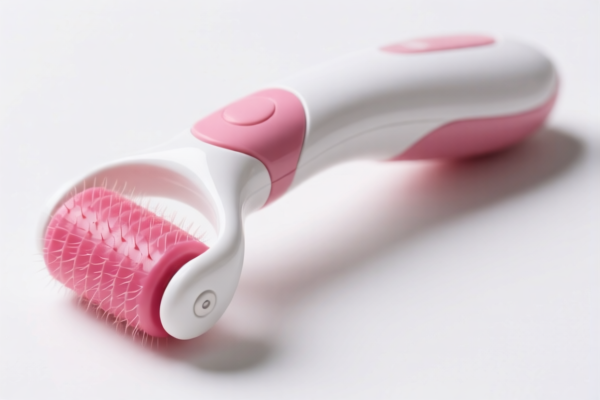
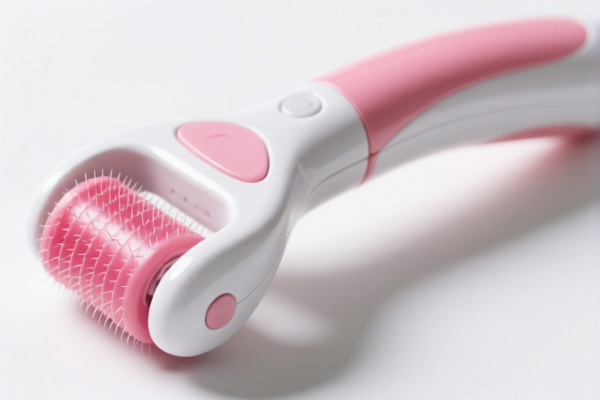
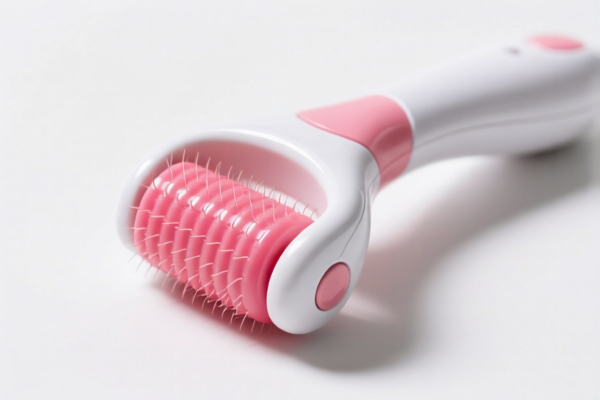
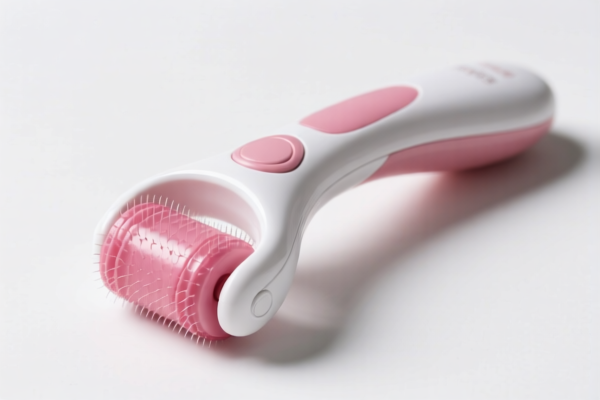
AI分析
🌀 Hair Rollers & Styling Tools (Curling Irons & Foam Rollers)
🌐 HS Code Reference & Customs Clearance Guide | 2026 Latest Tariff Analysis | Professional Entry Strategy
📌 1. Product Definition & Classification: Are You Using the Right Category?
Hair rollers represent a diverse category of personal care appliances, ranging from electrically heated styling tools to passive mechanical accessories. In international trade, the distinction is critical because the material composition and function dictate the Harmonized System (HS) code, which directly impacts your duty burden.
We categorize them into two main groups:
Electric Curling Tools (Heated Styling Devices): These are active devices using heating elements to style hair (e.g., curling irons, automatic curlers). They fall under Chapter 85 (Electrical machinery and equipment).
Passive/Mechanical Rollers (Non-Electric): These are passive tools made from materials like foam, plastic, or synthetic fibers. They fall under Chapter 67 (Prepared feathers/down and articles made thereof) or Chapter 39 (Plastics and articles thereof).
⚠️ Key Distinction Point:
- If the device has a plug, heating element, or switch → It is an Electrical Appliance (HS 8516).
- If it is foam, plastic, or fiber-based and requires no electricity → It is a Cosmetic Accessory (HS 6704, 6704.90, or 3926).
📦 2. HS Code Classification Details (2026 Official Tariff Data)
The following HS Codes are derived directly from the provided dataset. Each code reflects a specific product type and material construction.
| HS Code | Product Description | Material/Type | Total Tax Rate | Tax Breakdown |
|---|---|---|---|---|
8516.32.00.20 |
Curling Iron (Standard) | Electric, matches curler function | 13.9% | Base: 3.9% Retaliation: 0.0% Section 122: 10% |
8516.32.00.40 |
Automatic Curling Iron | Electric, automatic hair styling device | 13.9% | Base: 3.9% Retaliation: 0.0% Section 122: 10% |
6704.19.00.00 |
Foam Hair Roller | Synthetic material foam roller | 17.5% | Base: 0.0% Retaliation: 7.5% Section 122: 10% |
3926.90.99.89 |
Foam/Plastic Hair Roller | Plastic category (polymer-based) | 22.8% | Base: 5.3% Retaliation: 7.5% Section 122: 10% |
6704.90.00.00 |
Foam Hair Roller | Wig accessory tool, other materials | 17.5% | Base: 0.0% Retaliation: 7.5% Section 122: 10% |
🔍 Critical Observation:
- Electric models (8516.32.00.20/.40) have a base tariff of 3.9% but are subject to a 10% Section 122 tariff, totaling 13.9%.
- Foam/Plastic models have a higher base tariff (0.0% - 5.3%) but are subject to a 7.5% Retaliation Tariff PLUS the 10% Section 122 Tariff, totaling 17.5% to 22.8%.
- ⚠️ Warning: Plastic rollers (3926.90.99.89) are the most expensive to import due to the 5.3% base tariff on plastics, resulting in a 22.8% total duty. Foam-based rollers (6704.19.00.00) are cheaper at 17.5%.
💰 3. Tariff Structure Explanation (Detailed Breakdown)
The total tax rate is a combination of three components: Base Duty, Retaliation/Additional Tariff, and Section 122 Tariff.
🎯 A. Electric Curling Tools (8516.32.00.20 & .40)
- Base Tariff: 3.9%
- Explanation: Standard Most-Favored-Nation (MFN) duty for electrical hair appliances.
- Retaliation Tariff: 0.0%
- Explanation: No additional Section 301 or specific retaliation applies to this subheading in the current dataset.
- Section 122 Tariff: 10%
- Explanation: A specific policy tariff applied to these electrical items (likely related to recent trade agreements or specific sector regulations).
- Total Effective Rate: 3.9% + 0.0% + 10% = 13.9%
🎯 B. Foam Rollers - Synthetic/Fiber (6704.19.00.00 & 6704.90.00.00)
- Base Tariff: 0.0%
- Explanation: Hair rollers made from prepared human hair or synthetic fibers (Chapter 67) often have low or zero base duties.
- Retaliation Tariff: 7.5%
- Explanation: This is a significant add-on, likely targeting cosmetic accessories or specific material imports.
- Section 122 Tariff: 10%
- Explanation: Same Section 122 application as above.
- Total Effective Rate: 0.0% + 7.5% + 10% = 17.5%
🎯 C. Plastic Rollers (3926.90.99.89)
- Base Tariff: 5.3%
- Explanation: Classified under "Plastics and articles thereof" (Chapter 39), which generally carries a higher base duty than Chapter 67.
- Retaliation Tariff: 7.5%
- Explanation: Same retaliation tariff as foam rollers.
- Section 122 Tariff: 10%
- Explanation: Same Section 122 application.
- Total Effective Rate: 5.3% + 7.5% + 10% = 22.8%
🛠️ 4. Customs Clearance Practical Advice (Avoiding Pitfalls)
✅ 1. Documentation Checklist (Must-Have)
| Document | Required? | Notes |
|---|---|---|
| Product Specifications | ✔️ | Must specify: Is it electric? Material (foam vs. plastic)? |
| Material Composition | ✔️ | Critical for distinguishing between HS 6704 (Foam/Fiber) and 3926 (Plastic). |
| Photographs | ✔️ | Clear images showing the plug/heating element (if electric) or texture (if foam). |
| Commercial Invoice | ✔️ | Accurate description: "Electric Curling Iron" vs. "Plastic Hair Roller." |
| Safety Certifications | ✔️ | For electric models: UL, CE, or FCC certificates may be required for entry. |
✅ 2. Classification Strategy
-
For Electric Tools: Always use HS 8516.32.
- Tip: Specify "Automatic" if it has sensors/rotation to use
.40. Otherwise, use.20. - Benefit: Lower base tariff (3.9%) compared to plastic alternatives.
- Tip: Specify "Automatic" if it has sensors/rotation to use
-
For Non-Electric Rollers:
- Priority: Use HS 6704.19 or 6704.90 (Foam/Synthetic Fiber).
- Why? Base tariff is 0.0%. Total tax is 17.5%.
- Avoid: HS 3926.90.99.89 (Plastic).
- Why? Base tariff is 5.3%. Total tax is 22.8%.
- Action: If your product is made of "EVA foam" or "synthetic fibers," ensure your supplier declares it as such, NOT as "plastic."
- Priority: Use HS 6704.19 or 6704.90 (Foam/Synthetic Fiber).
✅ 3. Section 122 Compliance
- Both electric and non-electric rollers are subject to a 10% Section 122 tariff.
- Ensure your customs broker is aware of this additional layer. It is applied on top of the base and retaliation tariffs.
- Do not assume "Section 122" is included in standard duty calculators; it must be manually added or configured in your entry software.
🌍 5. Market Comparison & Tariff Impact
| Product Type | HS Code | Total Tax | Best For |
|---|---|---|---|
| Electric Curling Iron | 8516.32.00.20 / .40 |
13.9% | High-value, branded heating tools. |
| Foam Roller | 6704.19.00.00 / .90 |
17.5% | Cost-effective bulk accessories. |
| Plastic Roller | 3926.90.99.89 |
22.8% | Avoid if possible. High duty burden. |
📌 Conclusion:
- Electric tools are surprisingly cheaper to import (13.9%) than plastic rollers (22.8%) due to the 0% base tariff on foam/fiber items.
- Optimize your supply chain: If possible, shift from plastic-based rollers to foam/synthetic fiber-based rollers to save 5.3% in duties.
📌 6. Common Errors & How to Avoid Them
❌ Error 1: Classifying an electric curling iron as a plastic roller.
👉 Consequence: Under-declaration of duty. If caught, penalties apply. Also, missing safety certifications (UL/FCC) can lead to seizure.
❌ Error 2: Mislabeling Foam as Plastic.
👉 Consequence: Paying 22.8% instead of 17.5%. A 5.3% savings opportunity missed.
❌ Error 3: Ignoring Section 122.
👉 Consequence: Underpaying by 10%. Customs will assess additional duties + interest + penalties.
✅ Correct Declaration Example:
"Electric Hair Curling Iron, Model XYZ, 120V, 50W, Ceramic Barrel. HS Code: 8516.32.00.20"
🎯 7. Final Recommendations
- Verify Material: If you sell non-electric rollers, confirm with your supplier if they are Foam/EVA or Hard Plastic. Choose Foam to save 5.3% in duties.
- Specify "Automatic": For electric tools, if the device has auto-rotation, use 8516.32.00.40 to ensure accurate classification.
- Budget for Section 122: Always calculate your landed cost including the 10% Section 122 tariff regardless of the product type.
- Pre-Clearance: For electric items, ensure all safety marks (UL, CE) are visible on the product and invoice to prevent delays at customs.
📌 Pro Tip:
"Electric is cheaper (13.9%), Foam is middle (17.5%), Plastic is expensive (22.8%). Choose wisely!"
📣 Take Action:
📞 Consult your customs broker to verify material classification.
📄 Request Material Safety Data Sheets (MSDS) for foam/plastic components.
🚀 Optimize your HS Code selection to minimize duty liability.
✨ Professional customs clearance starts with accurate classification!
💼 Every percentage point matters in your profit margin!
用户评价
关于 HS 编码归类
协调制度(HS)是由世界海关组织(WCO)制定的国际贸易商品分类标准。全球 200 多个国家采用 HS 系统作为海关关税、贸易统计和进出口监管的基础。
每个 HS 编码遵循以下层级结构:
- 章(2 位)——商品大类(例如:第 84 章:机器和机械设备)
- 品目(4 位)——章内的更具体分类
- 子目(6 位)——国际通用细分,所有 WCO 成员国统一使用
- 本国细分(8-10 位)——各国自行扩展的细分编码,如美国 HTSUS 10 位编码
正确的 HS 编码归类对于顺利通关、准确缴纳关税和遵守贸易法规至关重要。错误归类可能导致海关延误、多缴关税或罚款。
从CN进口到US时,适用的关税税率可能包括:
- 最惠国(MFN)税率——适用于 WTO 成员国的标准关税税率
- 普通税率——适用于无贸易协定国家
- 贸易救济关税——附加关税,如 301 条款(反倾销)、232 条款(国家安全)或反补贴税
本页内容仅供参考。如需正式归类,请咨询当地海关或持牌报关代理。