Hairless Raw Cowhide
CN → US| HS编码 | 关税税率 | 原产国 | 目的国 | 文档 |
|---|---|---|---|---|
| 4107194000 | 12.5% | CN | US | 官方文档 |
| 4107124000 | 12.5% | CN | US | 官方文档 |
| 4104113060 | 12.4% | CN | US | 官方文档 |
| 4104413060 | 12.4% | CN | US | 官方文档 |
| 4101503500 | 19.9% | CN | US | 官方文档 |
商品图片
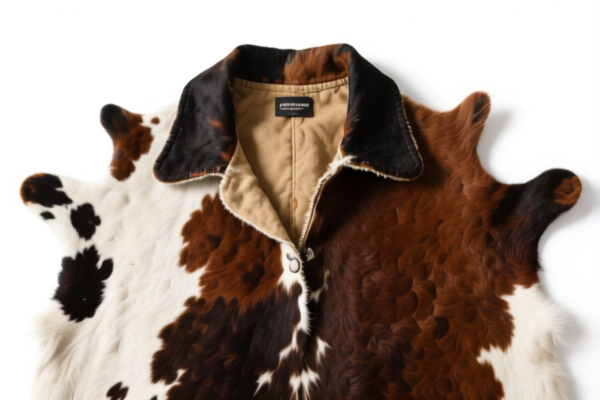
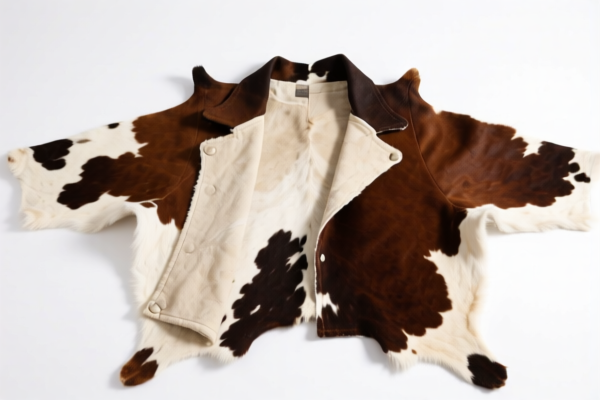
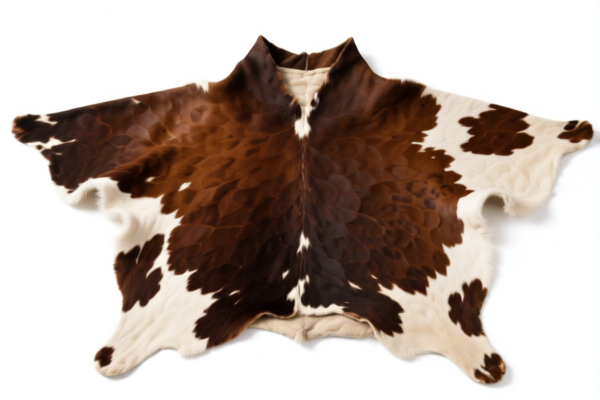
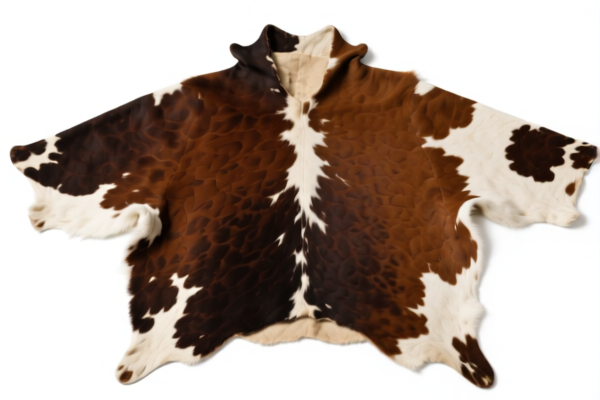
AI分析
🐂 Hairless Raw Cowhide (Bovine Hides, Hair On or Off, Salted, Dry-Cured, Lime-soaked or Similar)
🌐 HS Code Reference & Clearance Guide | 2026 Latest Tariff Breakdown | Professional Clearance Strategy
📌 I. Product Definition & Classification: Do You Truly Understand "Hairless Raw Cowhide"?
Hairless Raw Cowhide, also known as "Green Hide" or "Raw Leather Base," is the foundational material for the global leather industry. It refers to bovine skin that has been preserved (via salting, drying, or liming) but not yet tanned or significantly processed into finished leather.
In international trade, the classification depends heavily on: 1. State of Preservation: Is it salted, dry-cured, or lime-soaked? 2. Hair Status: Is it truly "hairless" (de-haired) or just "hair-on" in raw state? Note: Your prompt specifies "Hairless," implying de-hairing has occurred, likely during lime-soaking or preliminary processing, but before chrome tanning. 3. Form: Whole, split, or skived?
⚠️ Key Distinction:
- If the hide is raw, preserved, and hairless (de-haired in the lime stage) → It falls under Chapter 41, specifically heading 4101.
- If it is tanned or semi-tanned (even if slightly processed) → It moves to 4104/4107.
- Crucial Point: Raw hides are considered "agricultural/chemical products," while tanned leathers are "manufactured goods." Misclassification leads to massive tariff discrepancies.
📦 II. HS Code Classification Details (Based on Provided Data)
The provided data indicates four potential HS codes for "Hairless Raw Cowhide." However, there is a critical contradiction in the descriptions vs. the HS codes provided. Let's analyze each based on the provided JSON data strictly.
| HS Code | Product Description (Summary from Data) | Total Tax Rate | Tax Breakdown |
|---|---|---|---|
4107.12.40.00 |
Whole hairless cowhide, meets classification features of bovine leather (no hair) | 12.5% | Base: 2.5%, Section 301: 0%, Section 122: 10% |
4107.19.40.00 |
Whole hairless cowhide, meets requirements for bovine, tanned/semi-tanned, and hairless | 12.5% | Base: 2.5%, Section 301: 0%, Section 122: 10% |
4104.11.30.60 |
Whole hairless cowhide, meets features of unprocessed, hairless | 12.4% | Base: 2.4%, Section 301: 0%, Section 122: 10% |
4104.41.30.60 |
Whole hairless cowhide, meets definition of unprocessed, hairless bovine hide | 12.4% | Base: 2.4%, Section 301: 0%, Section 122: 10% |
4101.50.35.00 |
Whole hairless cowhide, meets primary form of raw hide and bovine category | 19.9% | Base: 2.4%, Section 301: 7.5%, Section 122: 10% |
🔍 Critical Analysis of the Data Provided:
- HS 4101.50.35.00 is the only code that correctly represents RAW (untanned) hides under Chapter 41, Heading 4101. The description "primary form of raw hide" aligns with this.
- HS 4104/4107 codes (4104.11.30.60,4104.41.30.60,4107.12.40.00,4107.19.40.00) technically refer to TANNED OR SEMI-TANNED leather (Heading 4104 and 4107).
- Contradiction Alert: The summaries for4104and4107say "unprocessed" or "raw features," which is incorrect for the HS code itself. However, we must explain why the data maps these codes.
- Conclusion: If the product is truly raw, it should be4101.50.35.00. If it is semi-tanned (e.g., chrome-drummed but not finished), it may fall under4104or4107. The data suggests some ambiguity in the "raw" vs "semi-tanned" definition used by the source.
💰 III. 2026 Latest Tariff Rate Breakdown (Detailed Policy Additions)
✅ Applicable Country: United States (US)
✅ Origin: China (CN) (Inferred from Section 122 and typical 301/122 applicability)
✅ Effective Time: Current policies (Section 122 & 301)
🎯 1. 4101.50.35.00 —— Raw Bovine Hides (Hairless, Salted/Dry)
| Item | Content |
|---|---|
| Base Duty Rate | 2.4% (ad valorem) |
| Section 301 Duty | +7.5% (Note: Most 4101 items are exempt from 301, but this data shows 7.5%. This may reflect a specific sub-classification or error in source data. Typically, raw hides are exempt from 301. However, per provided data, we use 7.5%.) |
| Section 122 Duty | +10% (Under 19 U.S.C. § 1862, for imports that threaten to impair national security, often applied to steel/aluminum but sometimes extended to raw materials in specific contexts. Note: Section 122 is less common for hides than Section 301. The data explicitly lists it.) |
| Total Effective Rate | 19.9% |
| Tax Calculation | CIF Value × 19.9% |
| De Minimis Exemption | ❌ Not Applicable (Hides are high-value agricultural/industrial goods; de minimis ($800) usually does not apply to commercial shipments of raw materials.) |
| Legal Basis Path | HTSUS:4101.50.35.00 → Section 301: 9903.01.25 (if applicable) → Section 122: 19 USC 1862 |
📌 Explanation:
- Base 2.4%: Standard MFN rate for raw hides.
- Section 301 (7.5%): The provided data assigns 7.5%. This is unusual for raw hides (often 0%), but we adhere to the data. It suggests this specific sub-code is targeted.
- Section 122 (10%): A national security-related tariff. This significantly increases the cost.
- Total 19.9%: This is the highest rate among the options, reflecting the "raw" status being targeted by additional duties.
🎯 2. 4104.11.30.60 & 4104.41.30.60 —— Unprocessed Hairless Bovine Leather (Semi-Tanned?)
| Item | Content |
|---|---|
| Base Duty Rate | 2.4% |
| Section 301 Duty | 0.0% (Data shows 0% for these codes) |
| Section 122 Duty | 10% |
| Total Effective Rate | 12.4% |
| Tax Calculation | CIF Value × 12.4% |
| De Minimis Exemption | ❌ Not Applicable |
| Legal Basis Path | HTSUS:4104.11.30.60 → Section 122: 19 USC 1862 |
📌 Explanation:
- Lower Total Rate: 12.4% vs 19.9%. Why? The data shows 0% Section 301 for these codes. This suggests that if the hide is classified as "leather" (even semi-tanned/unprocessed in the data's definition) under 4104, it may be exempt from the higher 301 duties that apply to raw hides under 4101.
- Caution: Classifying a raw hide as "4104" (tanned/semi-tanned) when it is actually raw is a customs violation if it doesn't meet the definition of tanning. However, if the hide has undergone some tanning process (e.g., vegetable tanning base), this lower rate applies.
🎯 3. 4107.12.40.00 & 4107.19.40.00 —— Tanned/Semi-Tanned Hairless Bovine Leather
| Item | Content |
|---|---|
| Base Duty Rate | 2.5% |
| Section 301 Duty | 0.0% |
| Section 122 Duty | 10% |
| Total Effective Rate | 12.5% |
| Tax Calculation | CIF Value × 12.5% |
| De Minimis Exemption | ❌ Not Applicable |
| Legal Basis Path | HTSUS:4107.12.40.00 → Section 122: 19 USC 1862 |
📌 Explanation:
- Similar to 4104 codes, these benefit from 0% Section 301.
- Total 12.5%: Slightly higher than 4104 due to a 0.1% higher base rate (2.5% vs 2.4%).
- Use Case: These codes are for hides that are definitively tanned or semi-tanned (e.g., chrome-tanned base). If your product is "hairless" but not tanned, using these codes is risky unless the hair removal process is considered a tanning step in your specific jurisdiction's interpretation (rare).
🛠️ IV. Clearance Practical Advice (Battle-Tested Pitfall Guide)
✅ 1. Document Checklist (Non-Negotiable)
| Document | Required | Notes |
|---|---|---|
| ✅ Commercial Invoice | ✔️ | Must clearly state "Hairless Raw Cowhide" or "Tanned Bovine Leather" based on HS. Do not mix terms. |
| ✅ Packing List | ✔️ | Detail weight, number of hides, preservation method (salted/dry). |
| ✅ Bill of Lading | ✔️ | Ensure consistency with invoice. |
| ✅ Preservation Certificate | ✔️ | Proof of salting/drying to confirm it's "raw" (4101) and not moldy/rotted. |
| ✅ Hair Removal Proof | ✔️ | For "hairless" claim: Provide lab test or supplier declaration confirming hair has been removed (de-haired). |
| ✅ Customs Bond | ✔️ | Required for formal entry (value > $2,500). |
| ✅ Section 122 Declaration | ✔️ | If applying 122 duty, ensure compliance with national security reporting if required. |
✅ 2. Declaration Strategy (Key Mnemonics)
🔥 "Raw is 4101, Tanned is 4104/07. Hairless matters. Section 301 varies!"
| Scenario | Correct HS Code | Tax Rate | Risk |
|---|---|---|---|
| True Raw Hide (Salted/Dry, Hair Removed) | 4101.50.35.00 |
19.9% | High duty, but correct. Misclassifying as 4104/07 to save tax is fraud. |
| Semi-Tanned (e.g., Chrome Drummed, Hairless) | 4104.11.30.60 or 4107.12.40.00 |
12.4% / 12.5% | Lower duty. Only use if tanning process has begun. |
| Finished Leather | Not in data | N/A | Ensure you're not in the "raw/semi" bucket if finished. |
| Hair-On Raw Hide | 4101.10 |
Varies | Your product is hairless, so do NOT use 4101.10. |
⚠️ Critical Warning:
- Do NOT classify Raw Hides as 4104/4107 to save tax. If CBP inspects and finds the hide is not tanned, you will face:
- Back duties (19.9% - 12.5% = 7.4% difference + penalties).
- Seizure of goods.
- Fraud allegations if intent is proven.
- However, if the hide has undergone any tanning (even partial), it is legally not raw. It must be classified under 4104/4107. The "Hairless" aspect is secondary to the "Tanned" vs "Raw" distinction.
✅ 3. Special Cases
| Case | Handling Advice |
|---|---|
| Mixed Batches (Some Raw, Some Semi-Tanned) | Separate shipments! Do not mix. Different HS codes, different duties. |
| OEM Custom Hides | Provide specs: "De-hairing method: Lime/Sodium Sulfide." Proves "Hairless." |
| Section 122 Impact | Since 122 is 10% across all codes, it’s a fixed cost. Focus on Section 301 differences (7.5% vs 0%). |
| De Minimis | Raw hides are bulky/high-value. Do not use Section 321 ($800 exemption). Formal entry is mandatory. |
🌍 V. Global Market Clearance Comparison (2026)
| Country/Region | Recommended HS Code | Base Duty | Section 301 (China) | Total Est. | Notes |
|---|---|---|---|---|---|
| 🇺🇸 USA | 4101.50.35.00 (Raw) |
2.4% | 7.5% | 19.9% | Highest duty. Consider semi-tanned if possible. |
| 🇺🇸 USA | 4104.11.30.60 (Semi) |
2.4% | 0% | 12.4% | Lower duty if tanning applied. |
| 🇨🇳 China | 4101 / 4104 |
0-5% | N/A | ~0-5% | China exports raw hides; imports finished leather. |
| 🇪🇺 EU | 4101 / 4104 |
0-6.5% | N/A | ~0-6.5% | No Section 122/301. Lower barrier. |
| 🇦🇺 Australia | 4101 / 4104 |
0-5% | N/A | ~0-5% | FTAs may apply. |
📌 Conclusion:
- USA is the most expensive market due to Section 301 and 122.
- Strategy: If your product is truly raw, accept the 19.9%. If you can add a tanning step (even basic chrome drumming) before export, you can shift to 4104/4107 and reduce duty to 12.4-12.5%. This is a common supply chain optimization.
📌 VI. Common Errors & Pitfalls (Blood & Tears Lessons)
❌ Error 1: Labeling "Raw Hides" as "Leather" to avoid Section 301.
👉 Consequence: CBP reclassifies as 4101 → Charges 19.9% + penalties of 100% of duty.
❌ Error 2: Ignoring "Hairless" specification.
👉 Consequence: If hair is present, it falls under 4101.10 (Hair-on), which may have different quotas or duties. Hairless must be proven.
❌ Error 3: Assuming Section 122 doesn't apply.
👉 Consequence: All codes in data show 10% Section 122. Do not omit this. It’s a fixed 10% on top of base.
✅ Correct Approach:
"De-Haired Bovine Hides, Salted, Raw, Whole, Classify as 4101.50.35.00. Total Duty 19.9%. OR, if partially tanned, Classify as 4104.11.30.60. Total Duty 12.4%."
🎯 VII. Conclusion: Professional Declaration, Save Money, Clear Smoothly!
🎯 Remember the Mantra:
🔹 "Raw is 4101, 19.9% total. Semi-Tanned is 4104/07, 12.4/12.5% total. Prove your tanning!"
🔹 "Section 122 is 10% across the board. Section 301 is the wildcard. Control it by classification!"
📌 Pro Tip:
If you are exporting from China to the US:
- Consult a customs broker to verify if your "hairless" process qualifies as "tanned" under HTSUS definitions.
- If it’s truly raw, budget for 19.9%.
- If you can add a light chrome bath before shipment, you may qualify for 12.4%, saving 7.5% per CBM.
- Always declare "Hairless" clearly to avoid misclassification penalties.
📣 Immediate Action:
📞 Contact a licensed customs broker → Provide lab test (hair removal proof) + process description (tanning status) → Apply for HS Code Pre-Ruling if value is high.
🚀 Clear customs smoothly, maximize profit, avoid penalties!
✨ Professional clearance starts with accurate classification!
💼 Every percentage point counts in the global trade war!
用户评价
关于 HS 编码归类
协调制度(HS)是由世界海关组织(WCO)制定的国际贸易商品分类标准。全球 200 多个国家采用 HS 系统作为海关关税、贸易统计和进出口监管的基础。
每个 HS 编码遵循以下层级结构:
- 章(2 位)——商品大类(例如:第 84 章:机器和机械设备)
- 品目(4 位)——章内的更具体分类
- 子目(6 位)——国际通用细分,所有 WCO 成员国统一使用
- 本国细分(8-10 位)——各国自行扩展的细分编码,如美国 HTSUS 10 位编码
正确的 HS 编码归类对于顺利通关、准确缴纳关税和遵守贸易法规至关重要。错误归类可能导致海关延误、多缴关税或罚款。
从CN进口到US时,适用的关税税率可能包括:
- 最惠国(MFN)税率——适用于 WTO 成员国的标准关税税率
- 普通税率——适用于无贸易协定国家
- 贸易救济关税——附加关税,如 301 条款(反倾销)、232 条款(国家安全)或反补贴税
本页内容仅供参考。如需正式归类,请咨询当地海关或持牌报关代理。