Handbags without Handle
CN → US| HS编码 | 关税税率 | 原产国 | 目的国 | 文档 |
|---|---|---|---|---|
| 3926903300 | 16.5% | CN | US | 官方文档 |
| 3926903500 | 24.0% | CN | US | 官方文档 |
| 4202221500 | 51.0% | CN | US | 官方文档 |
| 4202213000 | 40.3% | CN | US | 官方文档 |
商品图片
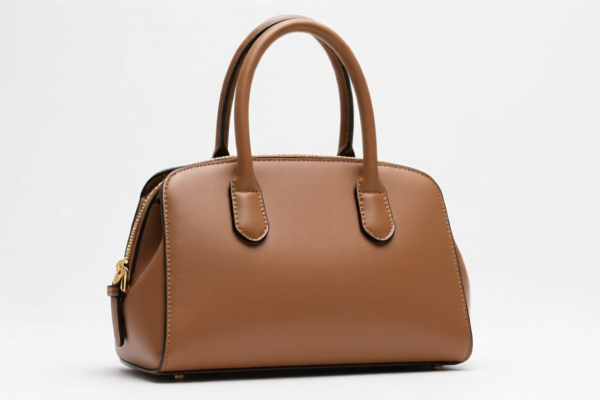
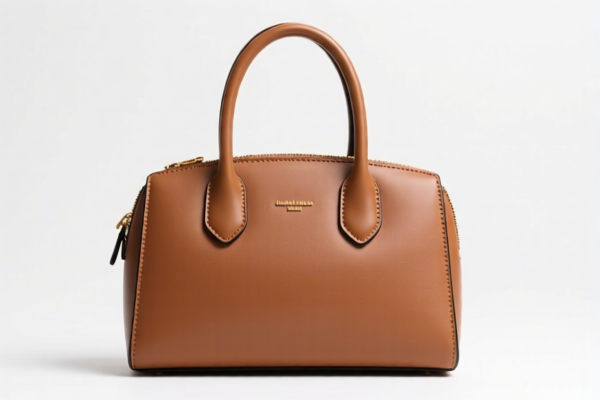
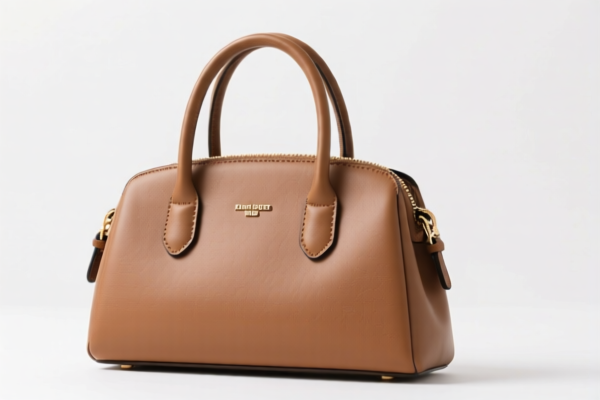
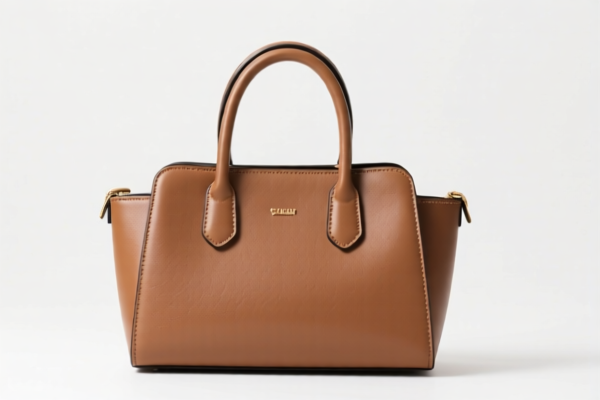
AI分析
👜 Handbags (Without Handle / With Shoulder Strap)
🌐 HS Code Reference & Customs Clearance Guide | 2026 Latest Tariff Analysis | Professional-Level Clearance Strategy
📌 I. Product Definition & Classification: What Exactly Is a "Handbag Without Handle"?
In international trade, the term "Handbag Without Handle" usually refers to a bag designed to be carried over the shoulder or cross-body, equipped with a shoulder strap or chain, but lacking a rigid top handle. Despite the lack of a traditional handle, it is legally classified under the same broad category as handbags because it falls under the subheading "Handbags, whether or not with shoulder strap, including those without handle" in Chapter 42 of the Harmonized System.
However, the material of the outer surface is the critical differentiator for HS Code assignment and tax rates. The provided data identifies two main material categories: 1. Plastics/Textile Materials: Covered by heading 39 or 42 depending on construction. 2. Leather/Composition Leather: Covered by heading 42.
⚠️ Key Distinction:
- If the bag is made of plastics or textile materials and is not merely an accessory, it may fall under HS 3926 (if considered a small article) or HS 4202 (if considered a container).
- If the bag is made of leather or composition leather, it strictly falls under HS 4202.21 or 4202.22.
- Note: The data provided specifically separates "Plastics/Textile" items (HS 3926) from "Leather" items (HS 4202). We must distinguish between them based on the primary outer material.
📦 II. HS Code Classification Details (2026 Latest Tariff Authority Comparison)
Based on the <DATA> provided, here are the specific HS Codes, descriptions, and their corresponding tax rates.
Category A: Articles of Plastics (Chapter 39)
Used for handbags made primarily of plastic sheeting or articles thereof, not covered under Chapter 42.
| HS Code | Product Description | Material Type | Applicable Scenario | Tax Rate (Total) |
|---|---|---|---|---|
3926.90.33.00 |
Beade, bugles and spangles...; Handbags | Plastic/Other Materials | Handbags made of plastics (not leather/textile covered in Ch 42) or small plastic articles. | 6.5% (Base: 6.5% Add'l: 0.0%) |
3926.90.35.00 |
Other articles of plastics; Handbags | Plastic/Other Materials | Handbags made of plastics not specified elsewhere (e.g., generic plastic handbags). | 14.0% (Base: 6.5% Add'l: 7.5%) |
🔍 Critical Note for Chapter 39:
- These codes apply when the bag is considered an "article of plastics" rather than a "container of leather/textile." This often applies to inexpensive fashion bags, PVC bags, or bags where plastic is the dominant structural material.
- Risk: Misclassifying a plastic bag as Leather (Ch 42) or vice versa can lead to significant tax discrepancies.
Category B: Articles of Leather/Composition Leather (Chapter 42)
Used for handbags made of leather, composition leather, plastic sheeting, textile materials, etc., but specifically categorized under Heading 42.
| HS Code | Product Description | Outer Surface Material | Applicable Scenario | Tax Rate (Total) |
|---|---|---|---|---|
4202.22.15.00 |
Handbags... With outer surface of sheeting of plastics or of textile materials: With outer surface of sheeting of plastics | Plastic Sheeting | Handbags (with/without handle/strap) where the outer surface is covered in plastic sheeting (e.g., PVC, PU coated fabric). | 0.0% (Base: 0.0% Add'l: 0.0%) |
4202.21.30.00 |
Handbags... With outer surface of leather or of composition leather: Of reptile leather | Reptile Leather | High-end handbags made from crocodile, alligator, python, etc. | 0.0% (Base: 0.0% Add'l: 0.0%) |
🔍 Critical Note for Chapter 42:
-4202.22.15.00: This is the most common code for mass-market "handbags without handle" made of plastic-coated fabrics or vinyl. Despite being "plastic," it falls under Chapter 42 because it is a "container" and not merely an "article of plastics." Benefit: 0% Base Tariff.
-4202.21.30.00: Reserved for luxury reptile leather bags. Also 0% Base Tariff.
💰 III. Detailed Tariff Rate Breakdown (Including Additional Taxes)
✅ Applicable Context: Based on the data provided, which reflects standard base tariffs and specific additional tariffs (e.g., Section 301 or similar trade measures).
✅ Origin: China (CN) implied by the tax structure.
🎯 1. 3926.90.33.00 – Handbags (Plastics/Other)
| Item | Detail |
|---|---|
| Base Tariff | 6.5% |
| Additional Tariff | 0.0% |
| Total Tax Rate | 6.5% |
| Tax Calculation | CIF Value × 6.5% |
| De Minimis Exemption | ❌ No (Standard high-value item threshold applies) |
| Legal Basis | Chapter 39, Heading 3926 |
📌 Explanation:
- This code applies to plastic handbags that are not classified as "containers" under Chapter 42.
- Warning: If the bag is a standard "handbag" made of plastic sheeting, it is better to use4202.22.15.00(0% tax) than3926.90.33.00(6.5% tax). Ensure your product is correctly identified as a "container" (Ch 42) vs. "article" (Ch 39).
🎯 2. 3926.90.35.00 – Handbags (Plastics - Other)
| Item | Detail |
|---|---|
| Base Tariff | 6.5% |
| Additional Tariff | 7.5% |
| Total Tax Rate | 14.0% |
| Tax Calculation | CIF Value × 14.0% |
| De Minimis Exemption | ❌ No |
| Legal Basis | Chapter 39, Heading 3926 |
📌 Explanation:
- This is a "catch-all" for plastic handbags not specified elsewhere.
- High Risk: This code attracts a 7.5% additional tariff. If your bag is made of plastic sheeting, you should aggressively argue for4202.22.15.00(0% tax) instead of this 14% code.
🎯 3. 4202.22.15.00 – Handbags (Plastic/Textile Outer Surface - Plastic Sheeting)
| Item | Detail |
|---|---|
| Base Tariff | 0.0% |
| Additional Tariff | 0.0% |
| Total Tax Rate | 0.0% |
| Tax Calculation | $0 |
| De Minimis Exemption | ✅ Yes (if applicable under de minimis rules, otherwise 0% anyway) |
| Legal Basis | Chapter 42, Heading 4202.22 |
📌 Explanation:
- Best Case Scenario for non-leather handbags.
- Applies if the bag’s outer surface is plastic sheeting (e.g., PVC, TPU, Vinyl) or textile materials.
- Key Advantage: Zero base and additional tariffs. This is significantly cheaper than the Chapter 39 alternatives.
- Requirement: The bag must be classified as a "container" (traveling bag, handbag, etc.) and not just an "article of plastic."
🎯 4. 4202.21.30.00 – Handbags (Leather - Reptile)
| Item | Detail |
|---|---|
| Base Tariff | 0.0% |
| Additional Tariff | 0.0% |
| Total Tax Rate | 0.0% |
| Tax Calculation | $0 |
| De Minimis Exemption | ✅ Yes (if applicable) |
| Legal Basis | Chapter 42, Heading 4202.21 |
📌 Explanation:
- Applies exclusively to handbags made of reptile leather (crocodile, alligator, snake, etc.).
- Also benefits from 0% total tax.
- Documentation Required: CITES permits may be required for international trade in reptile products, even with 0% duty.
🛠️ IV. Customs Clearance Practical Advice (Real-World Pitfall Guide)
✅ 1. Material Declaration is Crucial
| Material | Recommended HS Code | Risk of Misclassification |
|---|---|---|
| PVC/Vinyl/Plastic Sheeting | 4202.22.15.00 |
❌ Do NOT use 3926.90.35.00 (14% tax). Argue it is a "container of plastic sheeting" under Ch 42. |
| Textile/Cloth | 4202.22.15.00 |
❌ Do NOT use 3926.90.33.00 if it’s a handbag. Use Ch 42 for 0% tax. |
| Reptile Leather | 4202.21.30.00 |
✅ Correct. Requires CITES documentation. |
| Non-Reptile Leather | 4202.21.90.00 (Not in data) |
❗ Not listed in <DATA>, but typically has different tax rates. Check local tariff schedule. |
🔥 Golden Rule:
"Plastic Handbags are Containers, Not Articles!"
If the product is a handbag (a container for personal items), it should be classified under Chapter 42, not Chapter 39, to avoid the 6.5%-14% tax burden.
✅ 2. Declaration Tips (Key Keywords)
| Situation | Correct Declaration | Incorrect Declaration |
|---|---|---|
| Plastic/Textile Bag | Handbag, without handle, outer surface of plastic sheeting (PVC), for personal use |
Plastic accessory, Plastic bag, Article of plastic |
| Reptile Bag | Handbag, without handle, outer surface of reptile leather (e.g., Python), with shoulder strap |
Leather bag, Fashion accessory |
| General | Handbag, whether or not with shoulder strap, including those without handle |
Bag, Shoulder bag (Too vague) |
✅ 3. Special Cases
| Case | Handling Advice |
|---|---|
| Mixed Materials | If the bag has both plastic and textile outer layers, declare based on the principal material or the outermost surface. If plastic is dominant, use 4202.22.15.00. |
| Branded Goods | Ensure brand names are declared correctly. Some brands may have specific tariff classifications or anti-dumping duties. |
| CITES Compliance | For 4202.21.30.00 (Reptile Leather), you must provide CITES permits. Failure to do so will result in seizure and fines, regardless of 0% tax rate. |
| Origin Marking | Clearly mark "Made in China" on the product and invoice to avoid origin fraud penalties. |
🌍 V. Global Market Comparison (2026 Latest)
| Market | Recommended HS Code | Tariff Rate | Certification/Docs |
|---|---|---|---|
| 🇺🇸 USA | 4202.22.15.00 |
0% | No special certs needed (unless PVC contains phthalates → CPSIA) |
| 🇨🇳 China | 4202.22.15.00 |
Low | CCC (if applicable), Quality Inspection |
| 🇪🇺 EU | 4202.22.15.00 |
~4-7% | REACH (chemical compliance for plastics), CE (if electronic components) |
| 🇬🇧 UK | 4202.22.15.00 |
~12% | UKCA marking (if applicable) |
| 🇯🇵 Japan | 4202.22.15.00 |
~15% | FSC (if containing chemicals) |
📌 Conclusion:
- The USA offers the most favorable 0% tariff for plastic-sheathed handbags (4202.22.15.00) and reptile leather bags (4202.21.30.00).
- Avoid Chapter 39 codes (3926...) for handbags, as they incur higher taxes (6.5%-14%) and do not offer the same customs efficiency as Chapter 42.
📌 VI. Common Mistakes & Pitfall Guide (Lessons Learned)
❌ Mistake 1: Classifying a PVC handbag under 3926.90.35.00 (14% tax)
👉 Consequence: Paying 14% instead of 0%.
✅ Fix: Declare as 4202.22.15.00 (Handbag of plastic sheeting).
❌ Mistake 2: Not declaring "Without Handle"
👉 Consequence: Customs may question the description.
✅ Fix: Explicitly state "With shoulder strap, without handle" to match HS 4202.22 description.
❌ Mistake 3: Ignoring CITES for Reptile Leather
👉 Consequence: Seizure of goods, fines, and potential criminal charges.
✅ Fix: Obtain CITES permits for 4202.21.30.00.
❌ Mistake 4: Vague Description ("Bag")
👉 Consequence: Customs delays, requests for additional info.
✅ Fix: Use precise language: "Handbag, outer surface: PVC, with shoulder strap."
🎯 VII. Conclusion: Professional Declaration for Cost Savings
🎯 Remember the Mantra:
🔹 "Handbags are Containers (Ch 42), Not Articles (Ch 39)!"
🔹 "Plastic Sheeting = 0% Tax (4202.22.15.00)"
🔹 "Reptile Leather = 0% Tax (4202.21.30.00)"
🔹 "Avoid 3926 Codes to Save 6.5%-14%!"
📌 Pro Tip:
If your handbag is made of textile materials (cloth, canvas) with plastic coating, it still qualifies for 4202.22.15.00 under the provided data. Ensure your invoice clearly states "Outer Surface: Plastic Sheeting/Textile" to justify the 0% tariff.
📣 Immediate Action:
📞 Contact Your Customs Broker
📝 Provide Photos & Material Swatches
🚀 Apply for Advance Ruling if unsure
💼 Secure Your 0% Tariff Advantage!
✨ Professional Clearance Starts with Precise Classification!
💼 Every Dollar Saved in Duty is Pure Profit!
用户评价
关于 HS 编码归类
协调制度(HS)是由世界海关组织(WCO)制定的国际贸易商品分类标准。全球 200 多个国家采用 HS 系统作为海关关税、贸易统计和进出口监管的基础。
每个 HS 编码遵循以下层级结构:
- 章(2 位)——商品大类(例如:第 84 章:机器和机械设备)
- 品目(4 位)——章内的更具体分类
- 子目(6 位)——国际通用细分,所有 WCO 成员国统一使用
- 本国细分(8-10 位)——各国自行扩展的细分编码,如美国 HTSUS 10 位编码
正确的 HS 编码归类对于顺利通关、准确缴纳关税和遵守贸易法规至关重要。错误归类可能导致海关延误、多缴关税或罚款。
从CN进口到US时,适用的关税税率可能包括:
- 最惠国(MFN)税率——适用于 WTO 成员国的标准关税税率
- 普通税率——适用于无贸易协定国家
- 贸易救济关税——附加关税,如 301 条款(反倾销)、232 条款(国家安全)或反补贴税
本页内容仅供参考。如需正式归类,请咨询当地海关或持牌报关代理。