Handle
CN → US| HS编码 | 关税税率 | 原产国 | 目的国 | 文档 |
|---|---|---|---|---|
| 9403910080 | 35.0% | CN | US | 官方文档 |
| 4417008010 | 40.1% | CN | US | 官方文档 |
| 4417008090 | 40.1% | CN | US | 官方文档 |
| 9403910005 | 35.0% | CN | US | 官方文档 |
| 4418999195 | 38.2% | CN | US | 官方文档 |
商品图片
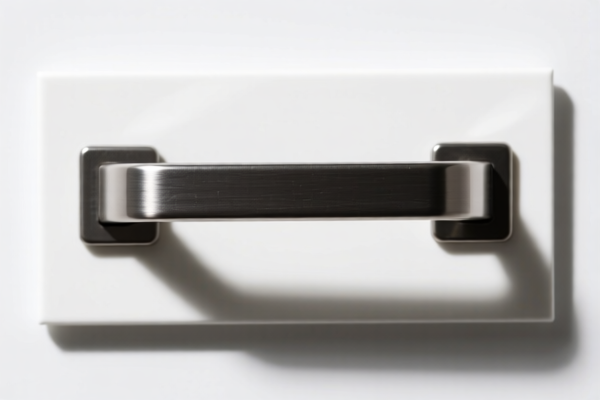
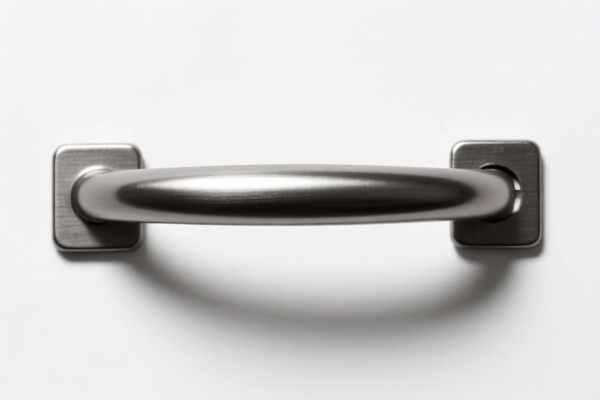
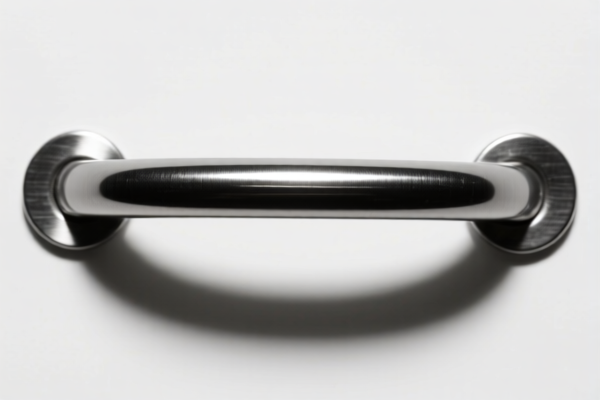
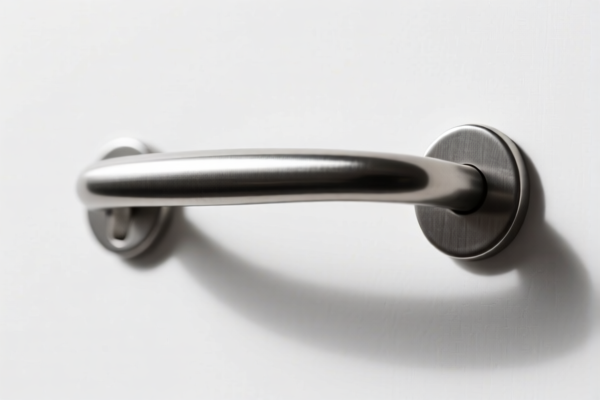
AI分析
🏠 Real Wood Handle (Furniture Hardware / Wooden Components)
🌐 HS Code Classification & Customs Clearance Guide | 2026 Latest Tariff Analysis | Strategic Compliance Strategy
📌 I. Product Definition: What is a "Real Wood Handle"?
A "Real Wood Handle" is a component made entirely of solid wood, primarily used for opening/closing furniture doors, drawers, or cabinets. In international trade, its classification depends heavily on functional intent and structural integration. It is generally categorized under Chapter 44 (Wood and Articles of Wood) or Chapter 94 (Furniture and Parts Thereof).
⚠️ Critical Distinction:
- If the handle is specifically designed for a tool (e.g., hammer, chisel) → It falls under Tool Handles.
- If it is part of a furniture assembly (e.g., drawer pull, cabinet knob) → It falls under Furniture Parts.
- If it is a generic wooden piece not specifically identifiable as a tool or furniture part → It may fall under Other Wood Articles.
📦 II. HS Code Classification Details (2026 Tariff Reference)
| HS Code | Summary Description | Classification Logic |
|---|---|---|
9403.91.00.80 |
Furniture Parts – Specifically for wooden handles classified as furniture parts. | Primary classification for handles attached to or intended for wooden furniture. |
4417.00.80.10 |
Wooden Tool Handles or Accessories – Handles classified as tool components. | Applicable if the handle is primarily for use in tools (e.g., hand tools, workshop implements). |
4417.00.80.90 |
Other Wooden Articles – Parts other than tool handles. | Catch-all for wooden parts that don’t fit tool or specific furniture definitions strictly, often used for generic wooden components. |
9403.91.00.05 |
Furniture Parts – Wooden furniture parts (alternative sub-code). | Another specific sub-code under furniture parts, often interchangeable with .80 depending on customs software definitions. |
4418.99.91.95 |
Building Woodwork – Other accessories/parts of wooden architectural products. | If the handle is integrated into a fixed wooden fixture (e.g., built-in cabinet, door hardware for construction). |
🔍 Key Note:
- Most consumer-facing wooden handles for furniture fall under 9403.
- Handles for workshop tools fall under 4417.
- Misclassification can lead to significant tariff differences due to USITC 301 Section add-ons.
💰 III. 2026 Latest Tariff Rate Breakdown (Including Surtaxes & Policy Add-ons)
✅ Applicable Country: United States (US)
✅ Country of Origin: China (CN)
✅ Effective Date: Post-2025 Importations
🎯 1. 9403.91.00.80 & 9403.91.00.05 —— Furniture Parts (Wooden Handles)
| Item | Detail |
|---|---|
| Base Tariff | 0.0% (ad valorem) |
| USITC Add-on Tariff (Section 301) | +25.0% |
| IEEPA Add-on Tariff (Section 122) | +10.0% |
| Total Tariff Rate | 35.0% |
| Tax Calculation | CIF Value × 35.0% |
| De Minimis Eligibility | ❌ Not Eligible (High-risk classification) |
| Legal Basis Path | USITC:9403.91.00.05/80 → FOOTNOTE:9403 → IEEPA:9903.01.25 → Section 301 |
📌 Explanation:
- Furniture parts are often subject to lower base rates but are heavily impacted by trade remedies.
- The 35% total rate is composed of a 25% Section 301 tariff and a 10% IEEPA 122 Section tariff.
- Risk: High scrutiny from CBP on "furniture part" declarations to prevent evasion.
🎯 2. 4417.00.80.10 & 4417.00.80.90 —— Wooden Tool Handles / Other Wood Parts
| Item | Detail |
|---|---|
| Base Tariff | 5.1% |
| USITC Add-on Tariff (Section 301) | +25.0% |
| IEEPA Add-on Tariff (Section 122) | +10.0% |
| Total Tariff Rate | 40.1% |
| Tax Calculation | CIF Value × 40.1% |
| De Minimis Eligibility | ❌ Not Eligible |
| Legal Basis Path | USITC:4417.00.80.10/90 → FOOTNOTE:4417 → IEEPA:9903.01.25 → Section 301 |
📌 Explanation:
- Tool handles and other wood articles have a higher base rate (5.1%) compared to furniture parts (0%).
- Total 40.1% is the highest among the listed codes.
- Caution: Even if marketed as "furniture," if it resembles a tool handle, customs may reclassify, increasing costs.
🎯 3. 4418.99.91.95 —— Building Woodwork Accessories
| Item | Detail |
|---|---|
| Base Tariff | 3.2% |
| USITC Add-on Tariff (Section 301) | +25.0% |
| IEEPA Add-on Tariff (Section 122) | +10.0% |
| Total Tariff Rate | 38.2% |
| Tax Calculation | CIF Value × 38.2% |
| De Minimis Eligibility | ❌ Not Eligible |
| Legal Basis Path | USITC:4418.99.91.95 → FOOTNOTE:4418 → IEEPA:9903.01.25 → Section 301 |
📌 Explanation:
- If the handle is part of a fixed wooden fixture (e.g., built-in wardrobe), this code may apply.
- 38.2% is a middle-ground rate, but requires proof of integration into building woodwork.
🛠️ IV. Customs Clearance Practical Advice (Avoid Pitfalls)
✅ 1. Documentation Checklist (Mandatory)
| Document | Required | Notes |
|---|---|---|
| ✅ Product Specification Sheet | ✔️ | Must specify: Material (Solid Wood), Dimensions, Weight, Intended Use (Furniture vs. Tool). |
| ✅ Photos (Clear & Labeled) | ✔️ | Show handle attached to furniture OR as a standalone item. Avoid ambiguous images. |
| ✅ Commercial Invoice | ✔️ | Description must be precise: e.g., "Solid Wood Drawer Pull for Furniture" NOT just "Wood Handle." |
| ✅ Packing List | ✔️ | Confirm quantity and packaging method. |
| ✅ Declaration of Use | ✔️ | Explicitly state: "For use in residential/commercial furniture assembly." |
✅ 2. Declaration Strategy (Key Tips)
🔥 "Be Specific: Furniture Part or Tool? Don't be Generic!"
| Scenario | Recommended HS Code | Reason |
|---|---|---|
| Handle for cabinet/drawer | 9403.91.00.80 or .05 |
Clearly a furniture part; lower base rate (0%). |
| Handle for hammer/chisel | 4417.00.80.10 |
Clearly a tool handle; higher base rate (5.1%). |
| Unidentified wooden stick | 4417.00.80.90 |
Risk of reclassification; avoid unless necessary. |
| Handle on built-in shelf | 4418.99.91.95 |
Part of architectural woodwork. |
📌 Critical Reminder:
- Do NOT use generic terms like "Wooden Part" or "Accessory."
- Always declare the end-use. If the handle is sold separately but designed for furniture, still declare as Furniture Part and provide evidence (e.g., installation manual, target product photos).
✅ 3. Special Cases & Risk Management
| Situation | Advice |
|---|---|
| Mixed Shipment | If furniture parts are shipped with other goods, declare separately. Do not bundle to avoid "miscellaneous goods" classification. |
| Sample vs. Bulk | Commercial samples may still incur duties. Declare as "Sample for Evaluation" but expect 35-40% tax unless exempt under specific programs. |
| Origin Marking | Ensure "Made in China" is clearly marked on each handle to avoid anti-dumping complications. |
| Pre-Ruling Request | For high-volume imports, apply for a Binding Ruling from CBP to confirm HS Code before shipment. |
🌍 V. Global Market Comparison (2026 Outlook)
| Region | Recommended HS Code | Est. Tariff (China Origin) | Notes |
|---|---|---|---|
| 🇺🇸 USA | 9403.91.00.80 |
35.0% | High Section 301 & IEEPA tariffs. |
| 🇨🇳 China | 9403.91.00.80 |
~3.0-5.0% | No additional surtaxes. |
| 🇪🇺 EU | 9403.90 |
~0-3% | Lower base rates, but requires CE/FSC certification for wood. |
| 🇬🇧 UK | 9403.90 |
~0-5% | Post-Brexit rules apply. Check UK Global Tariff. |
📌 Conclusion:
- US Market is the most challenging due to 35-40% effective tariffs.
- EU/UK are more tariff-friendly but strict on wood sourcing (FSC/PEFC) and formaldehyde emissions.
- Cost Optimization: Consider sourcing from non-China origins (e.g., Vietnam, Indonesia) for US imports to avoid IEEPA/301 surcharges.
📌 VI. Common Mistakes & Pitfalls (Lessons Learned)
❌ Mistake 1: Declaring as "Miscellaneous Wooden Item"
👉 Consequence: CBP reclassifies to 4417 or 4418, leading to 40.1% or 38.2% rates + penalties.
❌ Mistake 2: Ignoring IEEPA Section 122 Tariff
👉 Consequence: Underpayment by 10%, resulting in audits and back-taxes.
❌ Mistake 3: Vague Description "Wood Handle"
👉 Consequence: Delays in clearance, requests for additional information, possible seizure.
❌ Mistake 4: Assuming De Minimis Exemption Applies
👉 Consequence: Shipments < $800 are NOT exempt for Chinese-origin goods under Section 301/IEEPA.
✅ Correct Approach:
"Solid Wood Furniture Handle, Drawer Type, Unfinished, for Residential Cabinet Use, Model XYZ, Made in China"
🎯 VII. Conclusion: Precision in Classification Saves Money
🎯 Key Takeaway:
🔹 "Furniture Part (9403) = 35%" vs. "Tool Handle (4417) = 40.1%"
🔹 "10% IEEPA Tariff is Non-Negotiable for China-Origin Goods"
🔹 "Be Specific: Ambiguity Leads to Higher Costs and Delays"
📌 Pro Tip:
- If importing large volumes, pre-clearance consulting with a licensed customs broker is essential.
- Consider supply chain diversification to mitigate US trade policy risks.
📣 Act Now:
📞 Engage a Customs Broker + Submit Detailed Product Info + Apply for CBP Ruling
🚀 Secure Your Supply Chain, Minimize Tax Liability, Ensure Smooth Clearance!
✨ Professional Classification, Profitable Trade!
💼 Every Percent Counts in Global Logistics!
用户评价
关于 HS 编码归类
协调制度(HS)是由世界海关组织(WCO)制定的国际贸易商品分类标准。全球 200 多个国家采用 HS 系统作为海关关税、贸易统计和进出口监管的基础。
每个 HS 编码遵循以下层级结构:
- 章(2 位)——商品大类(例如:第 84 章:机器和机械设备)
- 品目(4 位)——章内的更具体分类
- 子目(6 位)——国际通用细分,所有 WCO 成员国统一使用
- 本国细分(8-10 位)——各国自行扩展的细分编码,如美国 HTSUS 10 位编码
正确的 HS 编码归类对于顺利通关、准确缴纳关税和遵守贸易法规至关重要。错误归类可能导致海关延误、多缴关税或罚款。
从CN进口到US时,适用的关税税率可能包括:
- 最惠国(MFN)税率——适用于 WTO 成员国的标准关税税率
- 普通税率——适用于无贸易协定国家
- 贸易救济关税——附加关税,如 301 条款(反倾销)、232 条款(国家安全)或反补贴税
本页内容仅供参考。如需正式归类,请咨询当地海关或持牌报关代理。