Handle less Polypropylene Woven Bag
CN → US| HS编码 | 关税税率 | 原产国 | 目的国 | 文档 |
|---|---|---|---|---|
| 6305330010 | 25.9% | CN | US | 官方文档 |
| 6305330080 | 25.9% | CN | US | 官方文档 |
| 3923290000 | 38.0% | CN | US | 官方文档 |
| 3923210080 | 38.0% | CN | US | 官方文档 |
| 6305330010 | 25.9% | CN | US | 官方文档 |
商品图片
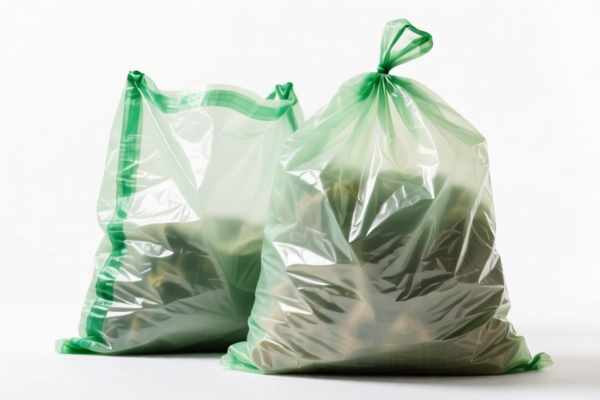
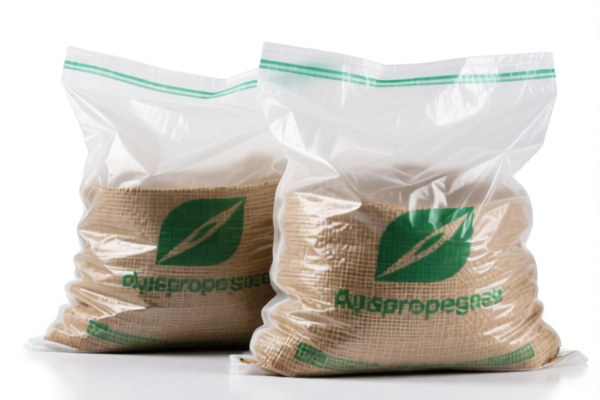
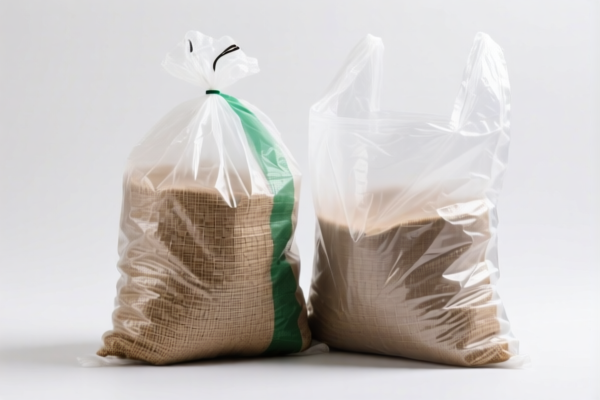
AI分析
🎒 Handle Less Polypropylene Woven Bags (No Zipper/Unlined)
🌐 HS Code Reference & Clearance Guide | 2026 Latest Tariff Analysis | Professional Clearance Strategy
📌 I. Product Definition & Classification: Do You Really Understand "PP Woven Bags"?
"Handle Less Polypropylene Woven Bags" are essential packaging tools in global logistics, agriculture, and industrial sectors. In international trade, the classification of these bags depends heavily on material composition and structural definition. They fall into two main competitive categories:
1. Textile/Weaving Category (Chapter 63):
If defined strictly as bags made from polypropylene strips or the like (woven texture), they are classified under heading 6305. This is often the most common classification for traditional, robust woven sacks.
2. Plastic Packaging Category (Chapter 39):
If defined broadly as plastic articles (including woven plastic films/strands treated as plastic sheets), they may fall under heading 3923 ("Plastic articles for the conveyance or packaging of goods").
⚠️ Key Distinction Point:
- If the primary characteristic is the "woven fabric" nature (strip-based) → HS 6305
- If the primary characteristic is the "plastic material" nature (polymer-based) → HS 3923
- Note: The term "Handle Less" and "Unlined/Unzipped" are descriptive but do not change the fundamental material classification.
📦 II. HS Code Classification Details (2026 Authoritative对照)
Based on the provided <DATA>, here are the specific HS Codes and their corresponding tax structures. Note that different interpretations of the material lead to vastly different tax liabilities.
| HS Code | Product Description | Material/Nature | Total Tax Rate (US/CN Context) | Key Tax Components |
|---|---|---|---|---|
6305.33.00.10 |
Unlined PP woven bags, made of PP strips | Textile/Weaving Focus (Polypropylene strips) |
25.9% | Base: 8.4% Add'l: 7.5% (Sec 301) 122: 10% |
6305.33.00.80 |
Unlined PP woven bags for packaging | Textile/Weaving Focus (Polypropylene strips) |
25.9% | Base: 8.4% Add'l: 7.5% (Sec 301) 122: 10% |
3923.29.00.00 |
PP woven bags, plastic packaging | Plastic Focus (Plastic/Polymer) |
38.0% | Base: 3.0% Add'l: 25.0% (Sec 301) 122: 10% |
3923.21.00.80 |
PP woven bags, vinyl/polymer bags | Plastic Focus (Ethylene Polymers/Plastic) |
38.0% | Base: 3.0% Add'l: 25.0% (Sec 301) 122: 10% |
🔍 Critical Insight:
- The difference between 25.9% and 38.0% is 12.1%. On a $100,000 shipment, this equals $12,100 in additional duty costs. - HS 6305 is generally more favorable if the bag is clearly constructed from woven polypropylene strips (textile-like). - HS 3923 attracts a higher "Add'l Tariff" (25%) compared to HS 6305 (7.5%), likely due to stricter anti-dumping or specific plastic packaging duties in certain trade contexts (e.g., Section 301 implications differ by subheading interpretation).
💰 III. 2026 Latest Tariff Rate Details (Including Surcharges & Policy Add-ons)
✅ Applicable Country: United States (US)
✅ Origin: China (CN) (Inferred from the high surtax structure typical of US-China trade data in<DATA>)
✅ Effective Time: Current 2026 Trade Regime
🎯 1. Group A: 6305.33.00.10 & 6305.33.00.80 (PP Woven Bags - Textile Route)
| Item | Details |
|---|---|
| Base Tariff | 8.4% |
| Section 301 Add-on | +7.5% |
| Section 122 Tariff | +10.0% |
| Total Effective Rate | 25.9% |
| Calculation | CIF Value × 25.9% |
| De Minimis Exemption | ❌ Not Eligible (Value usually exceeds threshold, and goods are subject to specific surcharges) |
| Legal Basis | HTSUS 6305.33 → USITC Footnotes → Section 301 List 3/4 → Section 122 |
📌 Explanation:
- This route assumes the bag is a "bag made of polypropylene strips". - The 7.5% add-on is significant but lower than the 25% seen in the plastic category. - The 10% Section 122 tariff applies to specific categories of Chinese goods, often related to industrial supplies or materials.
🎯 2. Group B: 3923.29.00.00 & 3923.21.00.80 (PP Woven Bags - Plastic Route)
| Item | Details |
|---|---|
| Base Tariff | 3.0% |
| Section 301 Add-on | +25.0% |
| Section 122 Tariff | +10.0% |
| Total Effective Rate | 38.0% |
| Calculation | CIF Value × 3.0% |
| De Minimis Exemption | ❌ Not Eligible |
| Legal Basis | HTSUS 3923 → USITC → Section 301 List 4A/4B → Section 122 |
📌 Explanation:
- This route classifies the bag as a "plastic article" (Chapter 39). - While the base rate is low (3.0%), the 25% Section 301 surcharge is the standard high penalty for many Chinese plastic/packaging goods. - Warning: Many importers mistakenly choose this path because "plastic" is obvious, but it results in a 46% higher tax burden than the textile route (6305).
🛠️ IV. Clearance Practical Advice (Field Anti-Pitfall Guide)
✅ 1. Preparation Checklist (Non-negotiable)
| Document | Must Provide | Purpose |
|---|---|---|
| ✅ Product Spec Sheet | ✔️ | Must specify: "Woven Polypropylene Strips" vs. "Extruded Plastic Film". |
| ✅ Material Breakdown | ✔️ | Confirm if it is "Polypropylene Strips" (favors 6305) or "Polymer Sheets" (forces 3923). |
| ✅ Photos (Close-up) | ✔️ | Show the weave structure. If it looks like fabric, argue for 6305. |
| ✅ Commercial Invoice | ✔️ | Description must match HS definition. Avoid vague terms like "Plastic Bag". |
| ✅ Packing List | ✔️ | Ensure weight/volume aligns with "Unlined" status (no extra plastic liners). |
✅ 2. Declaration Strategy (Key Mantra)
🔥 "Strips define Weaving (6305), Sheets define Plastic (3923). Choose the lower tax!"
| Scenario | Correct Declaration | Wrong Practice |
|---|---|---|
| Traditional PP Woven Sack | 6305.33.00.10Description: "Polypropylene Woven Bag made from Strips, Unlined" |
Calling it "Plastic Packaging" → 3923 → 38% Tax |
| PP Woven Bag with Plastic Lining | Re-evaluate! If lined, it may still be 6305 but with different duty, or move to 3923. | Assuming unlined rules apply |
| PP Woven Bag (Non-Woven) | 3923.29.00.00If it is non-woven fabric or plastic film. |
Trying to force 6305 → Customs rejection |
📌 Strategic Tip:
If your product is truly "Woven" (interlaced strips), strongly argue for HS 6305.33. The 12.1% savings is substantial. Ensure your factory produces "woven" structures, not just "plastic film bags."
✅ 3. Special Case Handling
| Situation | Handling Advice |
|---|---|
| "Handle Less" Feature | Clearly state "Without Handles" or "No Handles" in the invoice. This confirms it is a basic sack, not a complex shopping bag. |
| "Unlined" Status | Emphasize "Unlined/Unzipped". Lined bags might fall under different subheadings or have different duty rates. |
| Customs Dispute | If Customs insists on 3923, provide technical tests proving the material is woven strips (Chapter 54/55/63 logic) rather than extruded plastic film. |
🌍 V. Global Market Clearance Comparison (2026)
| Country/Region | Recommended HS Code | Est. Total Tax | Notes |
|---|---|---|---|
| 🇺🇸 USA | 6305.33.00.10 |
25.9% | Best option for woven PP bags. Avoid 3923 (38%). |
| 🇨🇳 China | 6305.33.00.10 |
~5-8% | Lower base tariffs; Section 301 does not apply to imports into China. |
| 🇪🇺 EU | 6305.33.00.10 |
~6.5% | Generally favorable for textile-like packaging. |
| 🇦🇺 Australia | 6305.33.00.10 |
~5% | Competitive rate. |
📌 Conclusion:
For US Imports, the choice between6305and3923is the single biggest cost determinant.
- Use 6305 if the bag is woven from strips.
- Use 3923 only if it is a plastic film bag (not woven).
📌 VI. Common Errors & Pitfall Guide (Lessons Learned)
❌ Error 1: Calling "Woven PP Bags" simply "Plastic Bags"
👉 Result: Customs defaults to 3923 → 38% Tax.
👉 Fix: Explicitly use "Woven Polypropylene" and "Strips" in description.
❌ Error 2: Ignoring the "Unlined" Status
👉 Result: If the bag has a hidden plastic liner, it may not qualify for the simple 6305.33 unlined rate.
👉 Fix: Ensure no internal plastic coating/lining exists.
❌ Error 3: Confusing "Non-Woven" with "Woven"
👉 Result: Non-woven bags are Plastic (3923), not Textile (6305).
👉 Fix: Check the manufacturing process. Weaving = 6305. Non-woven = 3923.
🎯 VII. Conclusion: Professional Declaration, Cost Optimization!
🎯 Remember the Mantra:
🔹 "Woven Strips = 6305 (25.9%) | Plastic Film = 3923 (38.0%)"
🔹 "12.1% Savings per $1,000 is $121. Don't pay for plastic taxes on woven bags!"
📌 Pro Tip:
If you are unsure about your product's structure, request a Advance Ruling from US Customs and Border Protection (CBP) before shipment. This provides legal certainty and prevents surprise duties.
📣 Immediate Action:
📞 Consult your freight forwarder + Provide weave photos + Declare as
6305.33.00.10(if woven).
🚀 Clear smoothly, save significantly, and maximize your margin!
✨ Professional Clearance Starts with Precise Classification!
💼 Your Cost, Precisely Calculated!
用户评价
关于 HS 编码归类
协调制度(HS)是由世界海关组织(WCO)制定的国际贸易商品分类标准。全球 200 多个国家采用 HS 系统作为海关关税、贸易统计和进出口监管的基础。
每个 HS 编码遵循以下层级结构:
- 章(2 位)——商品大类(例如:第 84 章:机器和机械设备)
- 品目(4 位)——章内的更具体分类
- 子目(6 位)——国际通用细分,所有 WCO 成员国统一使用
- 本国细分(8-10 位)——各国自行扩展的细分编码,如美国 HTSUS 10 位编码
正确的 HS 编码归类对于顺利通关、准确缴纳关税和遵守贸易法规至关重要。错误归类可能导致海关延误、多缴关税或罚款。
从CN进口到US时,适用的关税税率可能包括:
- 最惠国(MFN)税率——适用于 WTO 成员国的标准关税税率
- 普通税率——适用于无贸易协定国家
- 贸易救济关税——附加关税,如 301 条款(反倾销)、232 条款(国家安全)或反补贴税
本页内容仅供参考。如需正式归类,请咨询当地海关或持牌报关代理。