Heat Dissipation Pipe
CN → US| HS编码 | 关税税率 | 原产国 | 目的国 | 文档 |
|---|---|---|---|---|
| 7322110000 | 35.0% | CN | US | 官方文档 |
| 8419903000 | 35.0% | CN | US | 官方文档 |
| 8419505000 | 85.0% | CN | US | 官方文档 |
| 7322190000 | 85.0% | CN | US | 官方文档 |
| 8708915000 | 37.5% | CN | US | 官方文档 |
商品图片
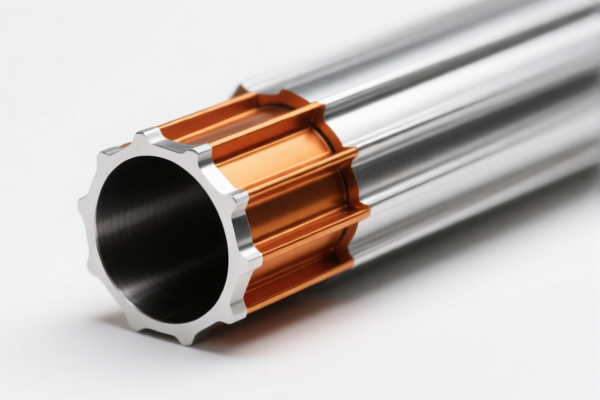
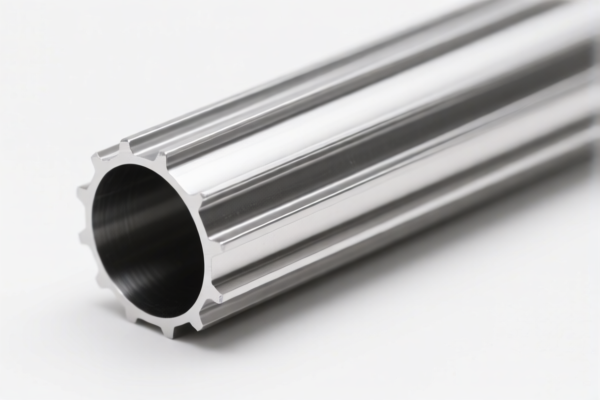
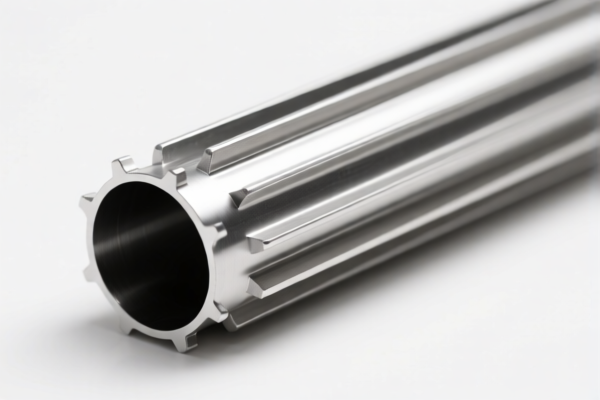
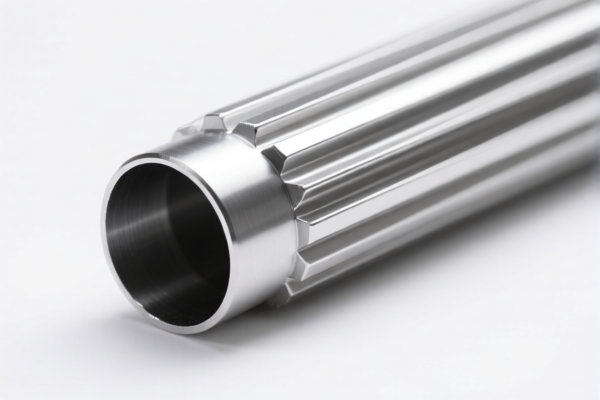
AI分析
🔥 Heat Dissipation Pipe (Radiator / Heat Exchanger)
🌐 HS Code Reference & Customs Clearance Guide | 2026 Latest Tariff Analysis | Professional Clearance Strategy
📌 I. Product Definition & Classification: What is a "Heat Dissipation Pipe"?
A "Heat Dissipation Pipe" (commonly referred to as a radiator or heat exchanger) is a device used to transfer heat from a hot medium to a cold medium, thereby cooling the equipment. In international trade, its classification depends heavily on material, specific application, and structural form. Since the input name is generic, we must analyze potential HS Codes based on common industry standards and logical deduction.
⚠️ Key Classification Point:
- Is it a standalone unit for machinery? → Likely 8419
- Is it made of Iron/Steel for industrial plants? → Likely 7322
- Is it a part for a vehicle? → Likely 8708
- Material Assumption: Unless specified otherwise, radiators are typically made of aluminum, copper, or steel.
📦 II. HS Code Classification Details (2026 Latest Tariff Authority Comparison)
Based on the provided data, here are the five most likely HS Codes for a generic "Heat Dissipation Pipe":
| HS Code | Product Description | Application/Logic | Material Assumption |
|---|---|---|---|
7322.11.00.00 |
Stoves, ranges, graters, cookers, plate warmers, etc. (incl. central heating boilers); non-electric space heaters; gas heating apparatuses and accessories; radiators for central heating | Matches the function of a radiator. Based on common sense, inferred as metal material. No obvious conflict with material or form. | Metal (Iron/Steel/Alloy) |
8419.90.30.00 |
Machinery, plant or laboratory equipment, whether or not electrically heated... for treating materials by a process involving a change of temperature... Parts and accessories thereof | Functional match: It is a heat exchange device (cooling). Based on common sense, inferred as metal (Al/Cu). No conflict with heat exchanger parts characteristics. | Metal (Al/Cu) |
8419.50.50.00 |
Heat exchangers, excluding those for central heating | Functional match: Handles material temperature change (cooling). As a general-purpose unit, it fits the "Other" category logic. | Metal/Composite |
7322.19.00.00 |
Other stoves, ranges, graters, cookers, etc. | Matches usage (radiator) and form. Based on common sense, inferred as Iron or Steel as a fallback for "Other." | Iron/Steel |
8708.91.50.00 |
Parts and accessories of motor vehicles; Radiator for motor vehicles | Exact Match: The product name "Radiator" matches the specific use in this code. No material conflict. Fits the "Other" logic for vehicle parts. | Metal |
💰 III. 2026 Latest Tariff Rate Details (Detailed Breakdown)
✅ Applicable Country: United States (US)
✅ Origin: China (CN)
✅ Effective Date: Post-2025 (Includes Section 301 & IEEPA tariffs)
🎯 1. 7322.11.00.00 —— Radiators for Central Heating (Non-electric)
| Item | Content |
|---|---|
| Base Tariff | 0.0% |
| Section 301 (Additional) | 25.0% |
| IEEPA (Section 122) | 10.0% |
| Total Tax Rate | 35.0% |
| Tax Calculation | CIF Value × 35.0% |
| De Minimis Exemption | ❌ Not Applicable |
| Legal Basis Path | USITC:7322.11.00.00 → FOOTNOTE:9903.88.01 → IEEPA:9903.01.25 |
📌 Explanation:
- This code applies to standard metal radiators (often steel/aluminum).
- The 25% comes from Section 301 tariffs on Chinese goods.
- The 10% comes from IEEPA sanctions on specific categories.
- Total 35% is high but lower than the steel-specific penalties.
🎯 2. 8419.90.30.00 —— Parts of Machinery for Temperature Change (Heat Exchangers)
| Item | Content |
|---|---|
| Base Tariff | 0.0% |
| Section 301 (Additional) | 25.0% |
| IEEPA (Section 122) | 10.0% |
| Total Tax Rate | 35.0% |
| Tax Calculation | CIF Value × 35.0% |
| De Minimis Exemption | ❌ Not Applicable |
| Legal Basis Path | USITC:8419.90.30.00 → FOOTNOTE:9903.88.01 → IEEPA:9903.01.25 |
📌 Explanation:
- This is a strong candidate if the radiator is a component of a larger industrial machine (e.g., a cooling unit).
- Same tariff structure as7322.11.00.00.
- Suitable if the product is not a standalone heating unit but a cooling part.
🎯 3. 8419.50.50.00 —— Other Heat Exchangers
| Item | Content |
|---|---|
| Base Tariff | 0.0% |
| Section 301 (Additional) | 25.0% |
| IEEPA (Section 122) | 10.0% |
| Steel/Aluminum/Copper Surcharge | 50.0% |
| Total Tax Rate | 85.0% |
| Tax Calculation | CIF Value × 85.0% |
| De Minimis Exemption | ❌ Not Applicable |
| Legal Basis Path | USITC:8419.50.50.00 → FOOTNOTE:9903.88.01 → IEEPA:9903.01.25 → STEEL/ALU/TARIF:50% |
⚠️ CRITICAL WARNING:
- This code triggers the 50% additional tariff for Steel, Aluminum, or Copper products.
- If your radiator is made of Aluminum or Copper (common in electronics/auto cooling), this rate applies.
- Total 85% is extremely high. Avoid this code unless necessary; prefer7322or8419.90if possible to avoid the material surcharge.
🎯 4. 7322.19.00.00 —— Other Stoves/Ranges/Radiators (Iron/Steel)
| Item | Content |
|---|---|
| Base Tariff | 0.0% |
| Section 301 (Additional) | 25.0% |
| IEEPA (Section 122) | 10.0% |
| Steel/Aluminum/Copper Surcharge | 50.0% |
| Total Tax Rate | 85.0% |
| Tax Calculation | CIF Value × 85.0% |
| De Minimis Exemption | ❌ Not Applicable |
| Legal Basis Path | USITC:7322.19.00.00 → FOOTNOTE:9903.88.01 → IEEPA:9903.01.25 → STEEL/ALU/TARIF:50% |
⚠️ CRITICAL WARNING:
- Like8419.50.50.00, this code also attracts the 50% surcharge for ferrous/non-ferrous metals.
- If the radiator is inferred as Steel under "Other," the cost doubles.
- Use only if the product is explicitly Steel and cannot be classified under7322.11.00.00.
🎯 5. 8708.91.50.00 —— Radiators for Motor Vehicles
| Item | Content |
|---|---|
| Base Tariff | 2.5% |
| Section 301 (Additional) | 25.0% |
| IEEPA (Section 122) | 10.0% |
| Total Tax Rate | 37.5% |
| Tax Calculation | CIF Value × 37.5% |
| De Minimis Exemption | ❌ Not Applicable |
| Legal Basis Path | USITC:8708.91.50.00 → FOOTNOTE:9903.88.01 → IEEPA:9903.01.25 |
📌 Explanation:
- If the heat dissipation pipe is specifically for cars/trucks, this is the correct code.
- It has a 2.5% base tariff (higher base, but no material surcharge).
- Total 37.5% is slightly higher than7322.11.00.00(35%) but avoids the 50% metal penalty.
- Best Option for Auto Parts.
🛠️ IV. Customs Clearance Practical Advice (Real-World Pitfall Guide)
✅ 1. Preparation Checklist (All Required)
| Document | Required | Notes |
|---|---|---|
| ✅ Product Specifications | ✔️ | Include material (Al/Cu/Steel), dimensions, thermal capacity. |
| ✅ Material Certificate | ✔️ | Crucial to avoid the 50% surcharge on 8419.50.50.00 or 7322.19.00.00. |
| ✅ Usage Statement | ✔️ | Is it for Auto? (Use 8708.91.50.00) or Industrial? (Use 8419 or 7322). |
| ✅ Product Photos | ✔️ | Show铭牌 (Nameplate) and structure. |
| ✅ Commercial Invoice | ✔️ | Clearly state "Radiator" or "Heat Exchanger." |
| ✅ Packing List | ✔️ | Detail items to avoid "missing parts" claims. |
✅ 2. Declaration Tips (Key Mantras)
🔥 "Material Matters, Use Defines Code, Avoid the 50% Trap!"
| Scenario | Correct Declaration | Wrong Practice |
|---|---|---|
| Auto Radiator | 8708.91.50.00 |
Misdeclare as 8419 → Risk of penalty or higher tax. |
| Industrial Heat Exchanger (Al/Cu) | 8419.90.30.00 or 7322.11.00.00 |
Misdeclare as 8419.50.50.00 → 85% Tax! |
| Steel Radiator | 7322.11.00.00 |
Misdeclare as 7322.19.00.00 → 85% Tax! |
| Unknown Material | Provide Material Test Report | Guessing material → High risk of 50% surcharge. |
✅ 3. Special Handling
| Situation | Handling Advice |
|---|---|
| Aluminum Radiator | Prefer 8419.90.30.00 (35%) over 8419.50.50.00 (85%). |
| Steel Radiator | Prefer 7322.11.00.00 (35%) over 7322.19.00.00 (85%). |
| Auto Part | Use 8708.91.50.00 (37.5%). It’s slightly more expensive than 35% but safer for auto parts. |
| Mixed Materials | Declare the primary material. If complex, consult a customs broker for pre-ruling. |
🌍 V. Global Market Comparison (2026 Latest)
| Country/Region | Recommended HS Code | Tariff (China Origin) | Notes |
|---|---|---|---|
| 🇺🇸 USA | 7322.11.00.00 / 8708.91.50.00 |
35% - 37.5% | Avoid 50% surcharge codes if possible. |
| 🇨🇳 China | 7322.11.00.00 |
0-13% (varies) | No Section 301/IEEPA. |
| 🇪🇺 EU | 7322.11.00.00 |
1.8-4.5% | No additional sanctions. |
| 🇯🇵 Japan | 7322.11.00.00 |
1.5-4.0% | CEPA/EPA may apply. |
📌 Conclusion:
- USA is the most critical market due to Section 301 and IEEPA.
- Key Strategy: Avoid codes triggering the 50% steel/aluminum surcharge.
- Best Codes:7322.11.00.00(35%),8419.90.30.00(35%),8708.91.50.00(37.5%).
📌 VI. Common Errors & Pitfalls (Blood Lessons)
❌ Error 1: Declaring an Aluminum Radiator as 8419.50.50.00
👉 Consequence: Tax jumps from 35% to 85% due to 50% material surcharge.
❌ Error 2: Declaring a Steel Radiator as 7322.19.00.00
👉 Consequence: Tax jumps from 35% to 85% due to 50% material surcharge.
❌ Error 3: Missing "Material" declaration
👉 Consequence: Customs may default to the highest duty code or request re-declaration, causing delays.
❌ Error 4: Using "Heat Pipe" for auto parts but declaring as industrial equipment
👉 Consequence: Classification error, potential penalty for misdeclaration.
✅ Correct Practice:
"Aluminum Heat Exchanger for Industrial Cooling System, Model XYZ, Material: 6063 Aluminum, No Steel Components"
🎯 VII. Conclusion: Professional Declaration, Save Costs!
🎯 Remember Mantras:
🔹 "Metal Matters: Avoid the 50% Penalty!"
🔹 "Use Defines Code: Auto vs. Industrial vs. Heating."
🔹 "35% is the Goal, 85% is the Trap!"
📌 Tip:
If your radiator is for non-US markets, the tariffs are much lower. However, for US imports, precise HS coding is critical to avoid the 50% surcharge.
Recommend Advance Ruling if the material composition is complex.
📣 Immediate Action:
📞 Contact a Customs Broker + Provide Material Report + Apply for HS Code Pre-Ruling
🚀 Let your Heat Dissipation Pipes Clear Customs Smoothly, Cut Costs, and Boost Profits!
✨ Professional Clearance Starts with Accurate Classification!
💼 Every Cent of Cost Deserves Precise Calculation!
用户评价
关于 HS 编码归类
协调制度(HS)是由世界海关组织(WCO)制定的国际贸易商品分类标准。全球 200 多个国家采用 HS 系统作为海关关税、贸易统计和进出口监管的基础。
每个 HS 编码遵循以下层级结构:
- 章(2 位)——商品大类(例如:第 84 章:机器和机械设备)
- 品目(4 位)——章内的更具体分类
- 子目(6 位)——国际通用细分,所有 WCO 成员国统一使用
- 本国细分(8-10 位)——各国自行扩展的细分编码,如美国 HTSUS 10 位编码
正确的 HS 编码归类对于顺利通关、准确缴纳关税和遵守贸易法规至关重要。错误归类可能导致海关延误、多缴关税或罚款。
从CN进口到US时,适用的关税税率可能包括:
- 最惠国(MFN)税率——适用于 WTO 成员国的标准关税税率
- 普通税率——适用于无贸易协定国家
- 贸易救济关税——附加关税,如 301 条款(反倾销)、232 条款(国家安全)或反补贴税
本页内容仅供参考。如需正式归类,请咨询当地海关或持牌报关代理。