Heat Sensitive Paper Base Paper Uncoated
CN → US| HS编码 | 关税税率 | 原产国 | 目的国 | 文档 |
|---|---|---|---|---|
| 4811909030 | 35.0% | CN | US | 官方文档 |
| 4811908030 | 35.0% | CN | US | 官方文档 |
| 4802201000 | 35.0% | CN | US | 官方文档 |
| 4802202000 | 35.0% | CN | US | 官方文档 |
| 4911998000 | 17.5% | CN | US | 官方文档 |
商品图片
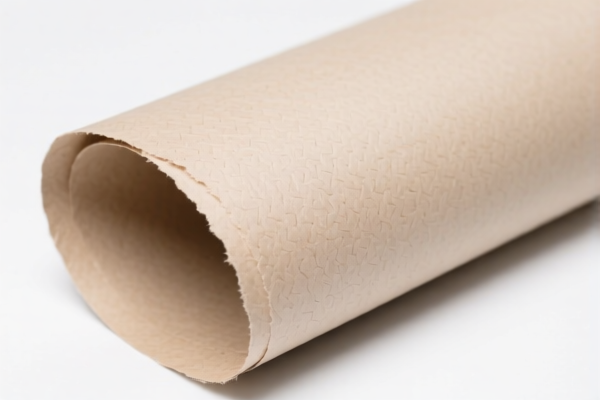
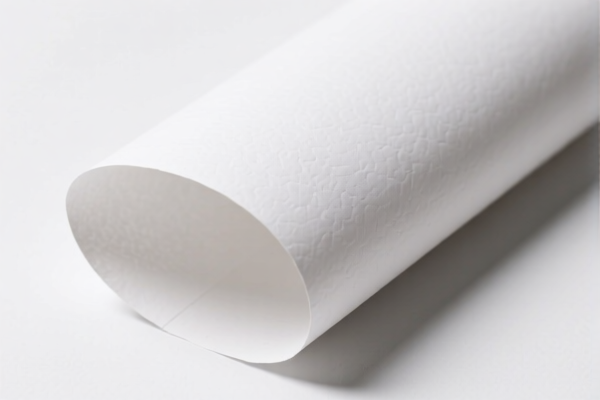
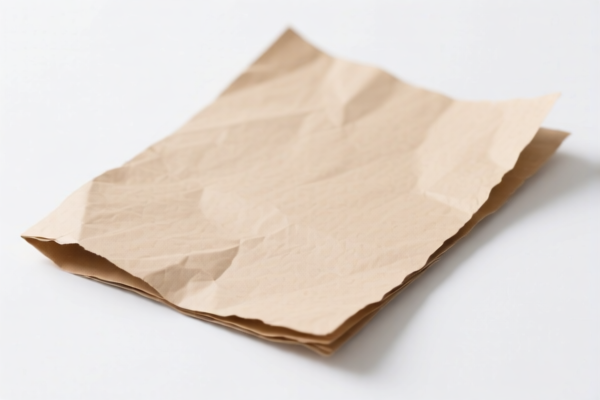
AI分析
🖨️ Heat Sensitive Paper / Base Paper Uncoated (Thermal Paper)
🌐 HS Code Reference & Customs Clearance Guide | 2026 Latest Tariff Analysis | Professional Clearance Strategy
📌 I. Product Definition & Classification: Do You Really Understand "Heat Sensitive Paper"?
Heat Sensitive Paper (often referred to as Thermal Paper) is a specialty paper coated with a thermochromic layer that changes color when exposed to heat. It is widely used in receipt printing, fax machines, labels, and medical monitoring devices.
In international trade, it is primarily classified under Chapter 48 (Paper and paperboard), specifically focusing on coated or chemically treated papers. The key distinction lies in whether it is classified as a specific "thermal coating" (4811) or a "base paper for sensitive purposes" (4802), or potentially as a printed item if already printed (4911).
⚠️ Key Distinction Point:
- If the paper is specifically treated with direct thermal coating (the most common form for receipts/fax) → Classify under 4811.90.90.30 / 4811.90.80.30.
- If it is a base paper specifically designated for use as light, heat, or electricity sensitive paper/board → Classify under 4802.20.10.00 / 4802.20.20.00.
- If it is already printed with information (e.g., pre-printed thermal receipts) → May fall under 4911.99.80.00 (Other printed matter).
📦 II. HS Code Classification Details (2026 Latest Tariff Authority Comparison)
| HS Code | Product Description | Application Scenario | Material/Use Attribute |
|---|---|---|---|
4811.90.90.30 |
Paper with direct thermal coating (Heat Sensitive Paper) | Receipts, Faxes, Thermal Labels | ✅ High Match: Material (Paper) & Core Use (Direct Thermal Coating) perfectly align. |
4811.90.80.30 |
Other thermal coating paper/board | Generic thermal paper, unlisted thermal products | ✅ High Match: Directly corresponds to core attribute "Thermal"; inferred material is paper. |
4802.20.10.00 |
Base paper for light/heat/electric sensitive uses | Uncoated base stock for thermal processing | ⚠️ Partial Match: Matches material & use; size specs may vary, but initial judgment fits based on consistency. |
4802.20.20.00 |
Base paper for light/heat/electric sensitive uses (Cardboard) | Heavy-duty thermal base paper | ✅ High Match: Description "Base paper for... heat sensitive paper" matches perfectly. |
4911.99.80.00 |
Other printed matter (incl. unprinted thermal sheets if interpreted as printed) | Pre-printed thermal documents, labels | ⚠️ Logic-Based Match: Based on common sense, thermal paper is "printed matter"; fits material attribute but lacks specific form/use confirmation. |
🔍 Key Reminder:
- 4811 codes are generally preferred for finished thermal paper rolls/sheets ready for use in printers. - 4802 codes are often used for raw material/base paper that requires further coating or processing, or if the specific classification definition in your jurisdiction emphasizes the "base" nature. - 4911 code should only be used if the paper is already printed with specific content, not just the chemical coating.
💰 III. 2026 Latest Tariff Rate Breakdown (Including Surtaxes & Policy Add-ons)
✅ Applicable Country: United States (US)
✅ Origin: China (CN)
✅ Effective Time: From November 10, 2025 (including subsequent imports)
🎯 1. 4811.90.90.30 & 4811.90.80.30 — Thermal Coated Paper
| Item | Content |
|---|---|
| Base Tariff | 0% (ad valorem) |
| Section 301 Surtax | +25% (Added tariff under US Trade Law Section 301) |
| Section 122 Tariff | +10% (Additional surtax under Section 122) |
| Total Rate | 35% |
| Tax Calculation | CIF Value × 35% |
| De Minimis Exemption | ❌ Not Applicable (deny_de_minimis) |
| Legal Basis Path | Section 301: 25% + Section 122: 10% → Total 35% |
📌 Explanation:
- "Section 301 Surtax 25%": The standard punitive tariff applied to a wide range of Chinese goods, including paper products. - "Section 122 Tariff 10%": A specific additional tariff often applied under Section 122 of the Trade Expansion Act (used for national security or trade imbalance reasons, frequently targeting specific imports from China). - Total 35%: This is a significant cost factor. Must be anticipated in pricing strategies!
🎯 2. 4802.20.10.00 & 4802.20.20.00 — Base Paper for Sensitive Use
| Item | Content |
|---|---|
| Base Tariff | 0% |
| Section 301 Surtax | +25% |
| Section 122 Tariff | +10% |
| Total Rate | 35% |
| Tax Calculation | CIF Value × 35% |
| De Minimis Exemption | ❌ Not Applicable |
| Legal Basis Path | Section 301: 25% + Section 122: 10% → Total 35% |
📌 Note:
- Same tariff structure as 4811 codes. - Regardless of whether it's classified as "coated paper" (4811) or "base paper" (4802), the effective tariff burden is identical at 35% for Chinese-origin goods.
🎯 3. 4911.99.80.00 — Other Printed Matter
| Item | Content |
|---|---|
| Base Tariff | 0% |
| Section 301 Surtax | +7.5% (Reduced rate in some specific interpretations, but check latest update) |
| Section 122 Tariff | +10% |
| Total Rate | 17.5% |
| Tax Calculation | CIF Value × 17.5% |
| De Minimis Exemption | ❌ Not Applicable |
| Legal Basis Path | Section 301: 7.5% + Section 122: 10% → Total 17.5% |
📌 Warning:
- Do NOT assume this rate applies unless the paper is already printed with text/graphics. - Misclassifying unprinted thermal paper as "printed matter" is a high-risk customs violation. - If you are importing uncoated base paper that you will coat later, do not use 4911.
🛠️ IV. Customs Clearance Practical Advice (Real-World Pitfall Avoidance)
✅ 1. Required Documentation Checklist (Missing Items Are Not Allowed)
| Document | Mandatory? | Description |
|---|---|---|
| ✅ Product Specification Sheet | ✔️ | Must detail: Base paper weight (gsm), coating type (direct/indirect), roll dimensions, length, and whether it is pre-printed. |
| ✅ Coating Process Description | ✔️ | Crucial for distinguishing between 4811 (coated) and 4802 (base). Specify if thermal layer is applied at manufacturing. |
| ✅ Product Photos (incl. Label) | ✔️ | Clear view of the product, including any pre-printed text, brand, and technical labels. |
| ✅ Commercial Invoice | ✔️ | Must clearly state: "Heat Sensitive Paper," "Thermal Paper," or "Paper for Receipt Printing." Avoid vague terms like "Office Paper." |
| ✅ Packing List | ✔️ | Detail roll cores, packaging type, and net/gross weight. |
| ✅ Origin Certificate (CO) | ✔️ | Required to prove origin for surtax calculation. If not from China, different rates may apply. |
✅ 2. Declaration Tips (Key Mnemonic)
🔥 “Coated is 4811, Base is 4802, Printed is 4911, Misdeclare and Pay 35%!”
| Scenario | Correct Declaration | Wrong Practice |
|---|---|---|
| Uncoated base paper for thermal use | 4802.20.20.00 |
Declaring as 4811.90.90.30 (if not coated) → Risk of reclassification & penalty. |
| Ready-to-use thermal receipt paper | 4811.90.90.30 |
Declaring as 4911.99.80.00 (if not printed) → High risk of penalty. |
| Pre-printed thermal labels | 4911.99.80.00 |
Declaring as 4811 → Underpaying tariff (17.5% vs 35% if misclassified). |
| Generic copy paper | 4802.55 |
Declaring as Thermal Paper → Major discrepancy, flag for inspection. |
✅ 3. Special Cases Handling
| Situation | Handling Advice |
|---|---|
| Mixed Imports (Coated + Uncoated) | Declare separately. Do not bundle under one HS Code. |
| Private Label/OEM Thermal Paper | Provide client order + technical specs. Avoid generic names like "Paper" in invoice. |
| Small Parcels (< $800) | ❌ No De Minimis: Thermal paper is subject to Section 301/122, so even small shipments are taxed. Do not rely on de minimis exemption. |
| Certification Requirements | While not always mandatory for customs, having FSC Certification (sustainable paper) or RoHS (if applicable to coating chemicals) can smooth customs inspections. |
🌍 V. Global Market Customs Comparison (2026 Latest)
| Country/Region | Recommended HS Code | Tariff (China Origin) | Certification Requirements | Remarks |
|---|---|---|---|---|
| 🇺🇸 USA | 4811.90.90.30 / 4802.20.20.00 |
35% (25% + 10%) | None specific for customs | High surtax; must declare accurately. |
| 🇨🇳 China | 4811.90 / 4802.20 |
5-10% | CCC (if applicable) | Lower import duty, but surtaxes don't apply to domestic sales. |
| 🇪🇺 EU | 4811.90 / 4802.20 |
0-6.5% | REACH (Chemical Compliance) | Check REACH registration for thermal coating chemicals. |
| 🇦🇺 Australia | 4811.90 / 4802.20 |
5% | None specific | Standard MFN rate applies. |
| 🇯🇵 Japan | 4811.90 / 4802.20 |
3-5% | FSC/PFC (if claiming eco-label) | Generally low tariffs. |
📌 Conclusion:
- USA is the only major market with high additional tariffs (35%) on Chinese thermal paper. - EU and other markets have low base tariffs but may have chemical compliance requirements (REACH) for the thermal coating. - Supply Chain Advice: If exporting to the US, consider transshipment or final coating abroad to mitigate 35% tariff impact (subject to strict rules of origin).
📌 VI. Common Errors & Pitfall Avoidance (Lessons Learned)
❌ Error 1: Declaring "Thermal Paper" as "Copy Paper" (4802.55)
👉 Consequence: Under-declaration of value/tariff → Penalty + Seizure. Thermal paper has different physical properties and uses.
❌ Error 2: Using "Printed Matter" (4911) for unprinted thermal rolls
👉 Consequence: Incorrect classification. If not printed, it is not "printed matter." Risk of back-tariff difference (17.5% vs 35% if 4911 is incorrectly used for coated paper, or vice versa).
❌ Error 3: Ignoring Section 122 Tariff
👉 Consequence: Assuming only 25% Section 301 applies. The additional 10% is mandatory. Total is 35%, not 25%.
❌ Error 4: Small Shipment De Minimis Exploitation
👉 Consequence: Assuming packages under $800 are tax-free. Thermal paper is excluded from de minimis exemption due to Section 301/122. Taxes apply from the first unit.
✅ Correct Practice:
"Thermal Paper Roll, 80gsm, Direct Thermal Coated, 80mm x 80m, for POS Receipts, No Pre-print, Origin: China"
🎯 VII. Conclusion: Professional Declaration, Save Time, Reduce Costs!
🎯 Remember the Mnemonic:
🔹 "Coated is 35, Base is 35, Printed is 17.5, Don't Fake It!"
🔹 "Section 301 + Section 122 = 35%, De Minimis is Dead!"
📌 Pro Tip:
If your thermal paper is sourced from Vietnam, Malaysia, or Mexico, you may avoid IEEPA/Section 122 surtaxes.
Recommend Advance Ruling (Pre-classification) with US Customs (CBP) to confirm HS Code and tariff applicability for your specific product configuration.
📣 Immediate Action:
📞 Contact a professional customs broker + Provide Product Specs + Apply for HS Code Advance Ruling
🚀 Ensure your thermal paper passes customs smoothly, clears efficiently, and maximizes profit margins!
✨ Professional Clearance Starts with Precise Classification!
💼 Every cent of cost deserves precise calculation!
用户评价
关于 HS 编码归类
协调制度(HS)是由世界海关组织(WCO)制定的国际贸易商品分类标准。全球 200 多个国家采用 HS 系统作为海关关税、贸易统计和进出口监管的基础。
每个 HS 编码遵循以下层级结构:
- 章(2 位)——商品大类(例如:第 84 章:机器和机械设备)
- 品目(4 位)——章内的更具体分类
- 子目(6 位)——国际通用细分,所有 WCO 成员国统一使用
- 本国细分(8-10 位)——各国自行扩展的细分编码,如美国 HTSUS 10 位编码
正确的 HS 编码归类对于顺利通关、准确缴纳关税和遵守贸易法规至关重要。错误归类可能导致海关延误、多缴关税或罚款。
从CN进口到US时,适用的关税税率可能包括:
- 最惠国(MFN)税率——适用于 WTO 成员国的标准关税税率
- 普通税率——适用于无贸易协定国家
- 贸易救济关税——附加关税,如 301 条款(反倾销)、232 条款(国家安全)或反补贴税
本页内容仅供参考。如需正式归类,请咨询当地海关或持牌报关代理。