High Strength Paper Gasket
CN → US| HS编码 | 关税税率 | 原产国 | 目的国 | 文档 |
|---|---|---|---|---|
| 8484900000 | 37.5% | CN | US | 官方文档 |
| 4823906000 | 35.0% | CN | US | 官方文档 |
| 4823908000 | 35.0% | CN | US | 官方文档 |
| 3926904510 | 38.5% | CN | US | 官方文档 |
| 3926904590 | 38.5% | CN | US | 官方文档 |
商品图片
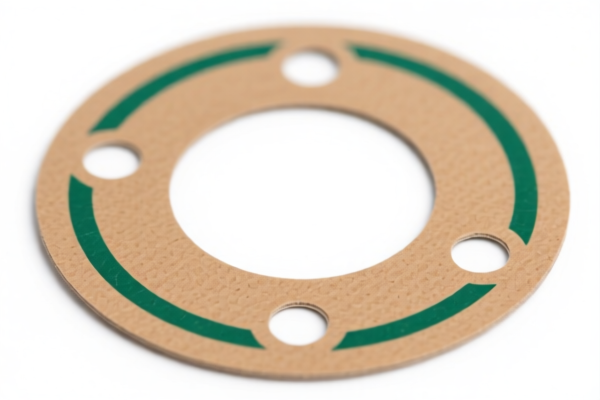
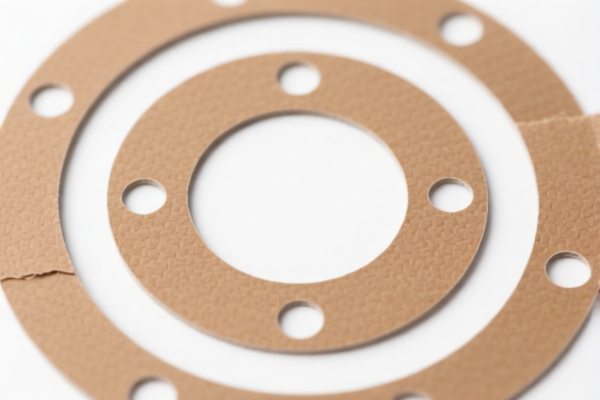
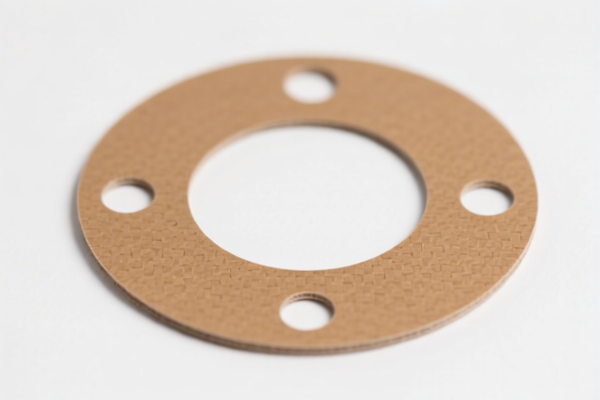
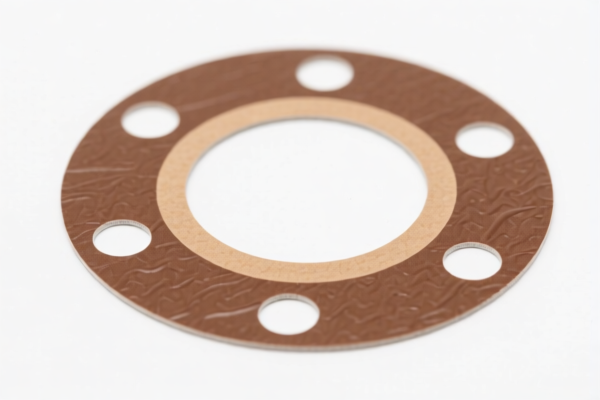
AI分析
📜 High Strength Paper Gasket: The Ultimate Guide to HS Classification & US Customs Clearance (2026)
🌐 HS Code Reference & Customs Clearance Guide | 2026 Latest Tariff Analysis | Professional Entry Strategy
📌 I. Product Definition: What is a "High Strength Paper Gasket"?
A High Strength Paper Gasket is a sealing component used in mechanical, automotive, industrial, and plumbing systems to prevent leakage of fluids or gases between two mating surfaces. Despite the term "paper," these are not ordinary office paper. They are engineered composite materials, often reinforced with rubber, nitrile, or other polymers, to withstand high pressure, temperature, and chemical exposure.
⚠️ Critical Classification Distinction: The classification depends entirely on the material composition and structure: 1. Pure Paper/Composite Paper: If the base material is paper/cardboard (even with coatings), it generally falls under Chapter 48. 2. Non-Paper Composite: If the gasket is primarily composed of layered non-paper materials (e.g., metal/plastic/rubber layers without significant paper content), it may fall under Chapter 84 (Machinery Parts) or Chapter 39 (Plastics).
Key Insight for 2026: - If the gasket is explicitly paper-based (even high-strength), customs authorities strictly require Chapter 48 codes. - If the gasket is plastic/rubber-based shaped like a gasket, it falls under Chapter 39 or 84. - Misclassification Risk: Declaring a paper gasket under "Machinery Parts" (8484) or "Plastics" (3926) to avoid high tariffs will result in penalties, delays, and retroactive tax demands.
📦 II. HS Code Classification Matrix (Based on Provided Data)
| HS Code | Material Structure | Summary / Rationale | Total Tax Rate (US Import from CN) |
|---|---|---|---|
| 8484.90.00.00 | Non-metallic layers, composite structure | Machinery Parts (Gaskets): Classified as a gasket/seal for machinery. The "paper" aspect is overridden by its function as a mechanical joint component. | 37.5% |
| 4823.90.60.00 | Paper/Cardboard material | Paper Products: Classified based on the primary material (paper). Specifically for paper items not elsewhere specified, including shaped gaskets made of paper. | 35.0% |
| 4823.90.80.00 | Paper/Cardboard material | Paper Products: Similar to above, for other paper articles, including gaskets, where no more specific paper code applies. | 35.0% |
| 3926.90.45.10 | Plastic material | Plastic Gaskets: If the "high strength" comes from a plastic composite (not paper), this code applies to plastic articles of gaskets. | 38.5% |
| 3926.90.45.90 | Plastic material | Plastic Gaskets: Other plastic gaskets/seals. Used if the material is purely plastic and doesn't fit the 10 sub-code. | 38.5% |
🔍 Critical Analysis: - Codes 4823.90.60.00 & 4823.90.80.00 offer the lowest total tax rate (35%) for actual paper gaskets. - Code 8484.90.00.00 is higher (37.5%) because it treats the item as a machinery part rather than a raw paper product. - Codes 3926.90.45.10 & .90 apply only if the product is NOT paper. Using these for paper gaskets is incorrect and constitutes fraud.
💰 III. 2026 Tariff Breakdown & Legal Basis (China Origin → US)
✅ Applicable Country: United States (US)
✅ Origin: China (CN)
✅ Effective Date: Post-2025 Trade Policies (Section 301 & IEEPA)
🎯 1. Paper Gaskets (HS 4823.90.60.00 / 4823.90.80.00) — Best Rate for Paper
| Item | Detail |
|---|---|
| Base Duty | 0.0% (Ad Valorem) |
| Section 301 Duty | +25.0% (25% Additional Duty under HTSUS 9903.88.01) |
| IEEPA Duty | +10.0% (122 Section Tariff under IEEPA:9903.01.25) |
| Total Effective Rate | 35.0% |
| Calculation | CIF Value × 35% |
| De Minimis Exemption? | ❌ NO (Section 301 & IEEPA duties do NOT apply to de minimis shipments under $800) |
| Legal Path | HTSUS:4823.90 → Section301:9903.88.01 → IEEPA:9903.01.25 |
📌 Explanation: - Paper gaskets benefit from a 0% base duty, but face heavy Section 301 (25%) and IEEPA (10%) surcharges due to their Chinese origin. - No tariff engineering can remove these surcharges unless the product is substantially transformed in a third country (e.g., Vietnam, Mexico) with proper documentation.
🎯 2. Machinery Part Gaskets (HS 8484.90.00.00) — Higher Rate
| Item | Detail |
|---|---|
| Base Duty | 2.5% (Ad Valorem) |
| Section 301 Duty | +25.0% |
| IEEPA Duty | +10.0% |
| Total Effective Rate | 37.5% |
| Calculation | CIF Value × 37.5% |
| De Minimis Exemption? | ❌ NO |
| Legal Path | HTSUS:8484.90 → Section301:9903.88.01 → IEEPA:9903.01.25 |
📌 Why Higher? - The base duty is 2.5% instead of 0%, pushing the total to 37.5%. - Recommendation: If your product is genuinely paper-based, avoid 8484 and use 4823 to save 2.5% on the CIF value.
🎯 3. Plastic Gaskets (HS 3926.90.45.10 / .90) — If Not Paper
| Item | Detail |
|---|---|
| Base Duty | 3.5% (Ad Valorem) |
| Section 301 Duty | +25.0% |
| IEEPA Duty | +10.0% |
| Total Effective Rate | 38.5% |
| Calculation | CIF Value × 38.5% |
| De Minimis Exemption? | ❌ NO |
| Legal Path | HTSUS:3926.90 → Section301:9903.88.01 → IEEPA:9903.01.25 |
📌 Warning: - Only use this if the gasket is 100% plastic/rubber composite with no paper content. - Mislabeling plastic as paper or vice versa can lead to customs audits.
🛠️ IV. Customs Clearance Strategy & Compliance Checklist
✅ 1. Required Documentation (Critical for US Entry)
| Document | Purpose |
|---|---|
| Commercial Invoice | Must clearly state: "High Strength Paper Gasket, Made in China, Material: Paper/Composite" |
| Product Specification Sheet | Detail the exact composition: e.g., "Nitrile-coated paper, 1.5mm thick, reinforced with aramid fiber." |
| Material Safety Data Sheet (MSDS) | If chemicals are used in the paper treatment, this may be required. |
| Bill of Lading (B/L) | Ensure the description matches the invoice exactly. |
| Certificate of Origin | Proves Chinese origin (triggers 35-38.5% tariffs). |
| Prior Ruling Letter (Optional but Recommended) | Obtain a CBP (Customs and Border Protection) binding ruling to lock in the HS code. |
✅ 2. Classification Decision Tree
mermaid graph TD A[High Strength Paper Gasket] --> B{Is it made of PAPER?} B -->|Yes| C{Is it solely for sealing?} C -->|Yes| D[Use HS 4823.90.60.00 or 4823.90.80.00] D --> E[Total Tax: 35%] B -->|No, it is Plastic/Rubber| F[Use HS 3926.90.45.10 or .90] F --> G[Total Tax: 38.5%] B -->|No, it is Metal/Ceramic| H[Check Chapter 84 or 85] H --> I[Varies; likely 8484.90.00.00 for parts] I --> J[Total Tax: 37.5%]
style D fill:#90EE90
style E fill:#90EE90
style G fill:#FFB6C1
style J fill:#FFB6C1
📌 Pro Tip: - Paper Gaskets = 4823 (Lowest base duty). - Plastic Gaskets = 3926 (Highest base duty). - Machinery Parts (Non-Paper) = 8484 (Middle ground).
✅ 3. Common Pitfalls & How to Avoid Them
| Mistake | Consequence | Solution |
|---|---|---|
| Misidentifying Material | Using 8484 for paper gaskets → 37.5% instead of 35% | Verify material composition with the manufacturer. |
| Ignoring IEEPA 10% | Assuming only 25% Section 301 applies | Always calculate 25% + 10% + Base Duty. |
| Vague Description | "Gaskets" in invoice → CBP may assess higher duty or demand clarification | Use specific terms: "High-Strength Paper Gasket, Composite, for Industrial Engines" |
| Attempting De Minimis | Shipping under $800 to avoid tariffs | Do not attempt. Section 301 and IEEPA duties apply to all shipments from China, regardless of value. |
🌍 V. Global Tariff Comparison (2026)
| Market | Recommended HS Code | Total Tax Rate (CN Origin) | Notes |
|---|---|---|---|
| 🇺🇸 USA | 4823.90.60.00 (Paper) |
35.0% | Highest barriers due to Section 301 + IEEPA |
| 🇺🇸 USA | 8484.90.00.00 (Parts) |
37.5% | Higher due to 2.5% base duty |
| 🇺🇸 USA | 3926.90.45.10 (Plastic) |
38.5% | Only for non-paper gaskets |
| 🇨🇳 China | 4823.90.60.00 |
Low | Export duty may apply, but import into China is low |
| 🇪🇺 EU | 4823.90.60.00 |
Varies | Check EU TARIC; no Section 301 equivalent |
| 🇲🇽 Mexico | 4823.90.60.00 |
Low | Potential benefits under USMCA if transformed |
📌 Strategic Insight: - If you are exporting to the US, 35% is the floor for paper gaskets from China. - Consider substantial transformation in Mexico or Vietnam to qualify for USMCA or GSP benefits, potentially reducing or eliminating tariffs.
📌 VI. Conclusion & Action Plan
🎯 Key Takeaway: For High Strength Paper Gaskets from China to the US, the optimal HS Code is 4823.90.60.00 or 4823.90.80.00, resulting in a 35% total tax rate. This is lower than the 37.5% (8484) or 38.5% (3926) alternatives.
🚀 Action Steps: 1. Confirm Material: Ensure the gasket is truly paper-based. If it’s plastic, use 3926. 2. Prepare Documentation: Include detailed material specs in the invoice. 3. Calculate Landed Cost: Include CIF + 35% Duties in your pricing model. 4. Explore Alternatives: If 35% is too high, investigate third-country manufacturing (e.g., Vietnam) for tariff avoidance. 5. Apply for CBP Ruling: Secure a binding ruling to mitigate audit risks.
📣 Disclaimer:
This guide is for informational purposes only and does not constitute legal advice. Customs regulations change frequently. Always consult a licensed customs broker or legal expert before importing.
✨ Precision in Classification = Savings in Cost!
💼 Don’t let misclassification cost you your margin.
用户评价
关于 HS 编码归类
协调制度(HS)是由世界海关组织(WCO)制定的国际贸易商品分类标准。全球 200 多个国家采用 HS 系统作为海关关税、贸易统计和进出口监管的基础。
每个 HS 编码遵循以下层级结构:
- 章(2 位)——商品大类(例如:第 84 章:机器和机械设备)
- 品目(4 位)——章内的更具体分类
- 子目(6 位)——国际通用细分,所有 WCO 成员国统一使用
- 本国细分(8-10 位)——各国自行扩展的细分编码,如美国 HTSUS 10 位编码
正确的 HS 编码归类对于顺利通关、准确缴纳关税和遵守贸易法规至关重要。错误归类可能导致海关延误、多缴关税或罚款。
从CN进口到US时,适用的关税税率可能包括:
- 最惠国(MFN)税率——适用于 WTO 成员国的标准关税税率
- 普通税率——适用于无贸易协定国家
- 贸易救济关税——附加关税,如 301 条款(反倾销)、232 条款(国家安全)或反补贴税
本页内容仅供参考。如需正式归类,请咨询当地海关或持牌报关代理。