High Strength Plastic Elastic Band
CN → US| HS编码 | 关税税率 | 原产国 | 目的国 | 文档 |
|---|---|---|---|---|
| 3926909905 | 22.8% | CN | US | 官方文档 |
| 3926909989 | 22.8% | CN | US | 官方文档 |
| 3926906010 | 39.2% | CN | US | 官方文档 |
| 5604100000 | 41.3% | CN | US | 官方文档 |
| 5903102010 | 35.0% | CN | US | 官方文档 |
商品图片
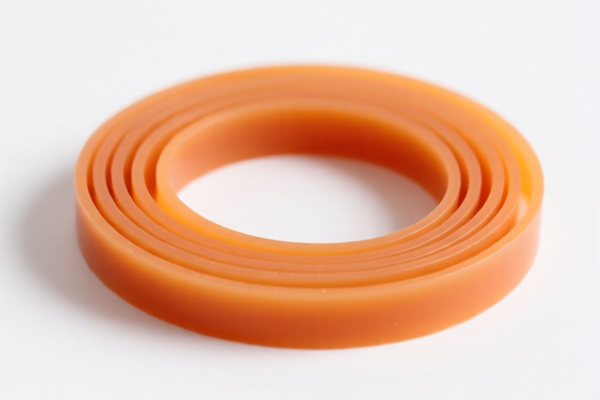
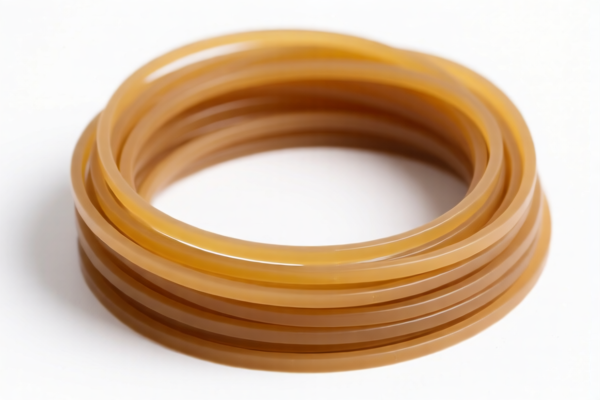
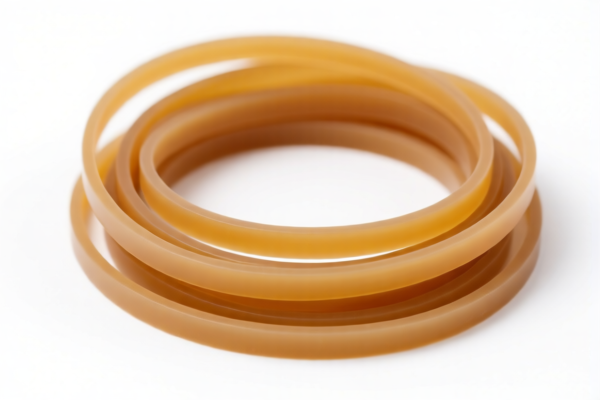
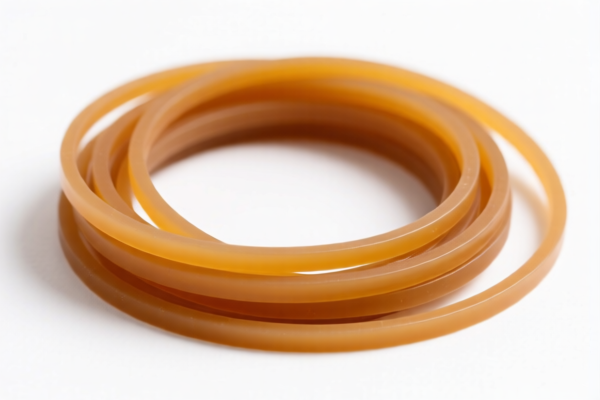
AI分析
🧵 High Strength Plastic Elastic Band (Corrosion-Resistant & Synchronous Types)
🌐 HS Code Reference & Customs Clearance Guide | 2026 Latest Tariff Analysis | Professional-Level Compliance Strategy
📌 1. Product Definition & Classification: Do You Really Understand "Plastic Elastic Bands"?
"High Strength Plastic Elastic Band" is a broad term in international trade, referring to tension-transmitting or sealing strips made primarily of synthetic polymers. In customs classification, the exact material composition, structural form, and specific application determine the HS Code. Misclassification can lead to severe tariff penalties under US Trade Act Section 301 and IEEPA.
There are three distinct categories based on the provided data:
1. Pure Plastic Elastic Belts: Made entirely of plastic materials, serving as general elastic bands. 2. High-Strength Plastic Synchronous Belts: Specifically designed for power transmission with precise timing (synchronous). 3. Textile-Coated/Rubber-Composite Belts: Belts where plastic/rubber is coated on or combined with textile materials.
⚠️ Key Distinction Points:
- If it is 100% plastic with no textile backing →归入 3926.90 series.
- If it has textile covering (even if coated with plastic/rubber) →归入 5604 or 5903.
- If it is a Synchronous Belt (toothed for timing) →归入 3926.90.60.10 (special subheading).
📦 2. HS Code Classification Details (2026 Latest Tariff Authority对照)
| HS Code | Product Description | Application Scenario | Composition Structure |
|---|---|---|---|
3926.90.99.05 |
Corrosion-resistant plastic elastic belt; Material: Plastic; Form: Elastic belt; Matches all-plastic elastic belts. | General industrial plastic straps, chemical-resistant sealing bands. | ✅ 100% Plastic |
3926.90.99.89 |
Corrosion-resistant plastic elastic belt; Contains plastic; Classified as "Other plastic articles not elsewhere specified." | Generic plastic strips, unlisted plastic components. | ✅ Mostly Plastic |
3926.90.60.10 |
High-strength plastic synchronous belt; Material: Plastic; Form & Use: Synchronous belt. | Power transmission systems, automotive timing belts, industrial machinery. | ✅ 100% Plastic (Synchronous) |
5604.10.00.00 |
Elastic belt; Typically composed of textile material covered with rubber or elastic fibers; Meets textile-covered characteristics. | Automotive engine belts, conveyor belts with textile base. | ❌ Textile Base + Rubber/Elastic |
5903.10.20.10 |
Elastic belt; Textile fabric type; Contains PVC or rubber components; Meets impregnated/coated textile fabric characteristics. | Heavy-duty industrial belts, PVC-coated elastic straps. | ❌ Textile Base + PVC/Rubber |
🔍 Critical Reminder:
- Do not classify a textile-based belt as pure plastic (3926) just because it looks plastic. The substrate matters. - Synchronous belts have a specific subheading (3926.90.60.10) due to their precise mechanical function, unlike general elastic bands.
💰 3. 2026 Latest Tariff Rate Breakdown (Including Surtaxes & Policy Add-ons)
✅ Applicable Country: United States (US)
✅ Origin: China (CN)
✅ Effective Date: From November 10, 2025 (including subsequent imports)
🎯 1. 3926.90.99.05 & 3926.90.99.89 —— Pure Plastic Elastic Belts (General)
| Item | Content |
|---|---|
| Base Tariff | 5.3% (ad valorem) |
| Section 301 Surcharge | +7.5% |
| Section 122 Tariff | +10% |
| Total Tariff Rate | 22.8% |
| Tax Calculation | CIF Value × 22.8% |
| De Minimis Eligibility | ❌ Not Eligible (Section 321 de minimis does not apply to Section 301/122 goods) |
| Legal Basis Path | USITC:3926.90.99 → Section 301 Footnote → Section 122 Directive |
📌 Explanation:
- These codes represent pure plastic items. - The 22.8% rate is a composite of base USITC duties plus specific US-China trade war surcharges (7.5% + 10%). - Even though the rate is lower than other categories, it is still significant for low-margin plastic goods.
🎯 2. 3926.90.60.10 —— High-Strength Plastic Synchronous Belts
| Item | Content |
|---|---|
| Base Tariff | 4.2% (ad valorem) |
| Section 301 Surcharge | +25.0% |
| Section 122 Tariff | +10% |
| Total Tariff Rate | 39.2% |
| Tax Calculation | CIF Value × 39.2% |
| De Minimis Eligibility | ❌ Not Eligible |
| Legal Basis Path | USITC:3926.90.60 → Section 301 Footnote (Higher Bracket) → Section 122 Directive |
📌 Warning:
- Despite being "plastic," synchronous belts fall under a higher surcharge bracket (+25%) due to their industrial importance and potential dual-use concerns. - Total 39.2% is a very high cost. Importers must carefully evaluate if the product value justifies this tariff.
🎯 3. 5604.10.00.00 —— Textile-Covered Elastic Belts (Rubber/Elastic Fiber)
| Item | Content |
|---|---|
| Base Tariff | 6.3% (ad valorem) |
| Section 301 Surcharge | +25.0% |
| Section 122 Tariff | +10% |
| Total Tariff Rate | 41.3% |
| Tax Calculation | CIF Value × 41.3% |
| De Minimis Eligibility | ❌ Not Eligible |
| Legal Basis Path | USITC:5604.10 → Section 301 Footnote (High Bracket) → Section 122 Directive |
📌 Explanation:
- This category applies if the belt has a textile core/covering. - The 25% Section 301 surcharge pushes the total to 41.3%, making it one of the most expensive categories. - Ensure your product does not have textile elements if you want to avoid this rate.
🎯 4. 5903.10.20.10 —— PVC/Rubber-Coated Textile Elastic Belts
| Item | Content |
|---|---|
| Base Tariff | 0.0% (ad valorem) |
| Section 301 Surcharge | +25.0% |
| Section 122 Tariff | +10% |
| Total Tariff Rate | 35.0% |
| Tax Calculation | CIF Value × 35.0% |
| De Minimis Eligibility | ❌ Not Eligible |
| Legal Basis Path | USITC:5903.10 → Section 301 Footnote → Section 122 Directive |
📌 Note:
- Even though the base tariff is 0%, the 35% total due to surcharges is still substantial. - This code is for textile fabrics impregnated with PVC or rubber. If your belt is just plastic-coated without textile backing, do not use this code.
🛠️ 4. Customs Clearance Operational Advice (Practical Pitfall Avoidance)
✅ 1. Document Checklist (Non-negotiable)
| Document | Required | Notes |
|---|---|---|
| ✅ Product Spec Sheet | ✔️ | Must specify: Material (100% Plastic vs. Textile+PVC), Shape (Synchronous vs. Smooth), Application. |
| ✅ Material Certificate | ✔️ | Proof of composition. Critical for distinguishing 3926 (Plastic) from 5604/5903 (Textile). |
| ✅ Product Photos | ✔️ | Clear images showing cross-section (to detect textile layers) and surface (teeth for synchronous belts). |
| ✅ Commercial Invoice | ✔️ | Describe as "Plastic Synchronous Belt" or "Corrosion-Resistant Plastic Strap." Avoid vague terms like "Elastic Band." |
| ✅ Packing List | ✔️ | Standard packaging details. |
✅ 2. Declaration Tips (Key Mnemonics)
🔥 "Material First, Structure Second, Synchronous Needs High Cost!"
| Scenario | Correct HS Code | Incorrect Practice | Consequence |
|---|---|---|---|
| 100% Plastic, Smooth | 3926.90.99.05 |
Misdeclare as Textile → 5604 |
Pay 41.3% instead of 22.8% |
| 100% Plastic, Toothed | 3926.90.60.10 |
Misdeclare as Smooth → 3926.90.99 |
Pay 39.2% instead of 22.8% |
| Textile + Plastic Coating | 5903.10.20.10 |
Misdeclare as Pure Plastic → 3926 |
Customs Seizure + Fine for misclassification |
| Textile + Rubber Cover | 5604.10.00.00 |
Misdeclare as Plastic → 3926 |
Pay 41.3% instead of 22.8% |
📌 Critical Point:
- Synchronous belts (3926.90.60.10) are treated more strictly. Ensure the description includes "Synchronous" or "Toothed." - If the belt has any textile thread visible in the cross-section, it belongs in Chapter 56 or 59, not Chapter 39.
✅ 3. Special Cases Handling
| Scenario | Handling Advice |
|---|---|
| OEM Custom Belts | Provide design drawings showing the absence of textile layers if claiming 3926. |
| Mixed Shipments | If a shipment contains both plastic and textile belts, declare separately. Mixing leads to delays and potential whole-shipment penalties. |
| Low-Value Samples | Even small samples are subject to the 22.8%-41.3% tariff if declared. Consider GSP or other preferential routes if eligible (e.g., if re-exported from third countries, though China origin rules apply). |
| "Elastic" vs. "Synchronous" | Do not confuse "elastic" (stretchy) with "synchronous" (timing/toothed). Synchronous belts have a specific duty bracket. |
🌍 5. Global Market Customs Comparison (2026 Latest)
| Country/Region | Recommended HS Code | Tariff Rate (China Origin) | Certification Requirements | Notes |
|---|---|---|---|---|
| 🇺🇸 USA | 3926.90.60.10 (Synchronous) |
39.2% (Highest) | None specific | High due to Section 301 (25%) |
| 🇺🇸 USA | 3926.90.99.05 (General Plastic) |
22.8% | None specific | Best rate for pure plastic |
| 🇨🇳 China | 3926.90.99 |
5.3% | None | Low import duty to China |
| 🇪🇺 EU | 3926.90.99 |
0-4.5% (varies) | REACH | No Section 301 surcharges |
| 🇬🇧 UK | 3926.90.99 |
0-4.5% | UKCA | Post-Brexit rules apply |
| 🇦🇺 Australia | 3926.90.99 |
5% | ACCC | No major surcharges |
📌 Conclusion:
- The USA is the most expensive market for these goods due to Section 301 and Section 122 tariffs. - Synchronous belts face the highest tariffs (39.2%). - For pure plastic elastic bands, the rate is 22.8%, which is still high but manageable. - Textile-composite belts are the most penalized (41.3%).
📌 6. Common Errors & Pitfall Guide (Lessons from Blood and Tears)
❌ Error 1: Declaring a textile-covered belt as pure plastic (3926).
👉 Consequence: Customs inspection reveals textile fibers → Penalty + Back Taxes + 41.3% Retrospective Charge.
❌ Error 2: Using "Elastic Band" for a Synchronous Belt.
👉 Consequence: Misclassification → 39.2% vs 22.8% → Extra Cost.
❌ Error 3: Ignoring Section 122 Tariffs.
👉 Consequence: Forgetting the +10% surcharge → Underpayment + Interest.
❌ Error 4: Assuming De Minimis applies.
👉 Consequence: Section 301/122 goods are excluded from $800 de minimis exemption → All shipments taxed.
✅ Correct Practice:
"High-Strength Plastic Synchronous Belt, 100% Polyurethane, No Textile Core, Model XYZ, For Industrial Machinery"
🎯 7. Conclusion: Professional Declaration, Save Time, Cut Costs!
🎯 Remember the Mnemonic:
🔹 "Pure Plastic: 22.8%, Synchronous: 39.2%, Textile Combo: 41.3%."
🔹 "No De Minimis for China! Check Material Cross-Section!"
📌 Pro Tip:
- If you can reformulate your product to remove textile components and ensure it is not synchronous, you can drop from 41.3% to 22.8%.
- Always request a Material Safety Data Sheet (MSDS) or Composition Report from your supplier to prove the HS Code.
- Consider tariff engineering: Can the belt be redesigned as a pure plastic strip to avoid the "Synchronous" or "Textile" classification?
📣 Immediate Action:
📞 Consult a licensed customs broker + Provide cross-section photos + Apply for Pre-Ruling if importing large volumes.
🚀 Accurate Classification = Profit Protection!
✨ Professional Customs Clearance Starts with Precise Classification!
💼 Your Every Cent Counts!
用户评价
关于 HS 编码归类
协调制度(HS)是由世界海关组织(WCO)制定的国际贸易商品分类标准。全球 200 多个国家采用 HS 系统作为海关关税、贸易统计和进出口监管的基础。
每个 HS 编码遵循以下层级结构:
- 章(2 位)——商品大类(例如:第 84 章:机器和机械设备)
- 品目(4 位)——章内的更具体分类
- 子目(6 位)——国际通用细分,所有 WCO 成员国统一使用
- 本国细分(8-10 位)——各国自行扩展的细分编码,如美国 HTSUS 10 位编码
正确的 HS 编码归类对于顺利通关、准确缴纳关税和遵守贸易法规至关重要。错误归类可能导致海关延误、多缴关税或罚款。
从CN进口到US时,适用的关税税率可能包括:
- 最惠国(MFN)税率——适用于 WTO 成员国的标准关税税率
- 普通税率——适用于无贸易协定国家
- 贸易救济关税——附加关税,如 301 条款(反倾销)、232 条款(国家安全)或反补贴税
本页内容仅供参考。如需正式归类,请咨询当地海关或持牌报关代理。