High Strength Transparent Tape
CN → US| HS编码 | 关税税率 | 原产国 | 目的国 | 文档 |
|---|---|---|---|---|
| 3919102040 | 40.8% | CN | US | 官方文档 |
| 3919905040 | 40.8% | CN | US | 官方文档 |
| 5903102010 | 35.0% | CN | US | 官方文档 |
商品图片
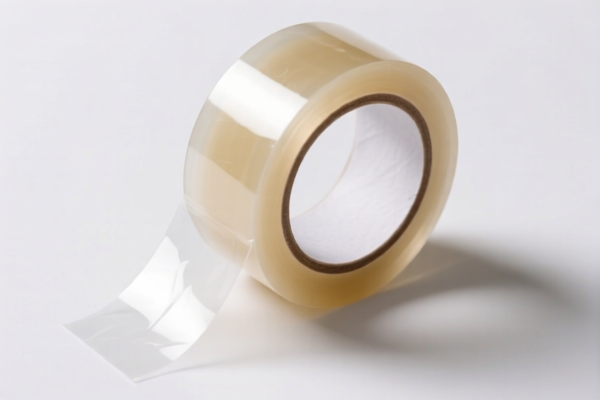

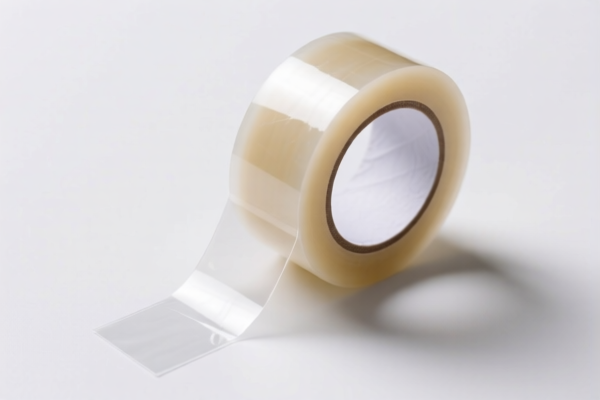
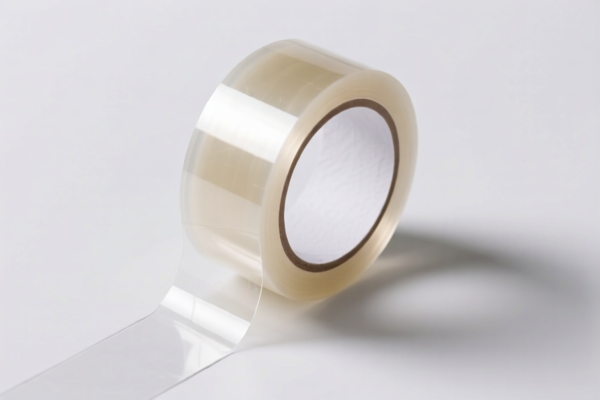
AI分析
🎗️ High Strength Transparent Tape (The "Workhorse" of Packaging)
🌐 HS Code Reference & Customs Clearance Guide | 2026 Latest Tariff Analysis | Strategic Clearance Strategy
📌 I. Product Definition & Classification: Do You Truly Understand "High Strength Transparent Tape"?
High Strength Transparent Tape is a versatile adhesive product primarily composed of a plastic film base (such as BOPP, PVC, or PET) coated with a pressure-sensitive adhesive. In international trade, its classification hinges on three critical factors: Material, Form, and Adhesive Properties.
Key Components: * Backing Material: Typically plastic films (BOPP is most common, but PVC/PET are also used). * Adhesive: Pressure-sensitive adhesive (PSA), which creates a bond upon light pressure. * Function: Self-adhesive, requiring no water or heat activation.
⚠️ Critical Classification Distinction:
- If the product is a plastic film with an adhesive backing, it falls under Chapter 39 (Plastics).
- If the product involves a textile fabric coated with plastic, it may fall under Chapter 59 (Textiles).
- "High Strength" describes performance, not material structure, so it does not change the HS code unless it alters the fundamental material composition (e.g., reinforcing with steel wire, which is rare for standard "transparent" tape).
📦 II. HS Code Classification Details (2026 Latest Tariff Authority Cross-Reference)
| HS Code | Product Description | Application Scenario | Material/Structure Feature |
|---|---|---|---|
3919.10.20.40 |
Self-adhesive plates, sheets, film, foil, strip, and other flat shapes, of plastics, whether or not in rolls. | Standard BOPP/PET transparent packing tape, clear office tape. | ✅ Plastic backing + Adhesive |
3919.90.50.40 |
Other self-adhesive plates, sheets, film, foil, strip, and other flat shapes, of plastics. | Specialized transparent tapes with unique properties (e.g., extreme low viscosity or specific chemical resistance) that don't fit the primary "tape" description perfectly but are clearly plastic-based. | ✅ Plastic backing + Adhesive |
5903.10.20.10 |
Textile fabrics impregnated, coated, covered or laminated with plastics, of polyvinyl chloride (PVC) or polyurethane. | PVC-based transparent tape where the base is considered a textile fabric layer (less common for pure plastic films). | ✅ Textile Base + PVC Coating |
🔍 Key Reminder:
-3919.10.20.40is the most common classification for standard BOPP or PET transparent tapes. It matches the material (plastic), form (tape/strip), and use (self-adhesive).
-3919.90.50.40is used when the "tape" description is generic, but the specific product characteristics (like "low viscosity" mentioned in the data) don't fit the primary subheading. The term "High Strength" or "Low Viscosity" is a performance descriptor and does not override the material classification.
-5903.10.20.10is an alternative classification if the tape is made from PVC and the structure is interpreted as a plastic-coated textile. This is less common for standard clear packing tape but possible depending on manufacturing specifics.
💰 III. 2026 Latest Tariff Rate Breakdown (Including Surtaxes, Policy Surcharges)
✅ Applicable Country: United States (US)
✅ Origin: China (CN)
✅ Effective Date: From November 10, 2025 (and subsequent imports)
🎯 1. 3919.10.20.40 —— Self-Adhesive Plastic Tape (Primary Classification)
| Item | Content |
|---|---|
| Base Tariff | 5.8% (ad valorem) |
| USITC Surtax (Section 301) | +25.0% (China-specific tariffs) |
| IEEPA Surtax (Section 122) | +10.0% (China-specific emergency tariffs) |
| Total Tax Rate | 40.8% |
| Tax Calculation | CIF Value × 40.8% |
| De Minimis Exemption | ❌ Not Eligible (deny_de_minimis) |
| Legal Basis Path | Base Tariff: 5.8% → Section 301: 25% → IEEPA Section 122: 10% |
📌 Explanation:
- Base Tariff (5.8%): The standard Most Favored Nation (MFN) rate for self-adhesive plastic tapes.
- Section 301 Surtax (25%): Imposed under the U.S. Trade Act of 1974, Section 301, targeting specific Chinese goods.
- IEEPA Surtax (10%): Additional tariff under the International Emergency Economic Powers Act, often referred to as "Section 122" in some contexts or related emergency orders.
- Total 40.8%: This is a high tariff rate. Importers must account for this in their cost structure.
🎯 2. 3919.90.50.40 —— Other Self-Adhesive Plastic Products
| Item | Content |
|---|---|
| Base Tariff | 5.8% (ad valorem) |
| USITC Surtax (Section 301) | +25.0% |
| IEEPA Surtax (Section 122) | +10.0% |
| Total Tax Rate | 40.8% |
| Tax Calculation | CIF Value × 40.8% |
| De Minimis Exemption | ❌ Not Eligible (deny_de_minimis) |
| Legal Basis Path | Base Tariff: 5.8% → Section 301: 25% → IEEPA Section 122: 10% |
📌 Note:
- Same tariff structure as3919.10.20.40. The total tax remains 40.8%.
- Even if the tape is described as "low viscosity" or has other performance traits, the total tax burden does not decrease because the material is still plastic.
🎯 3. 5903.10.20.10 —— PVC-Coated Textile Fabrics
| Item | Content |
|---|---|
| Base Tariff | 0.0% (ad valorem) |
| USITC Surtax (Section 301) | +25.0% |
| IEEPA Surtax (Section 122) | +10.0% |
| Total Tax Rate | 35.0% |
| Tax Calculation | CIF Value × 35.0% |
| De Minimis Exemption | ❌ Not Eligible (deny_de_minimis) |
| Legal Basis Path | Base Tariff: 0.0% → Section 301: 25% → IEEPA Section 122: 10% |
📌 Strategic Insight:
- This classification offers a lower total tax rate (35.0%) compared to the plastic-only classifications (40.8%).
- However, the classification criteria are stricter: the tape must be made of textile fabric impregnated/coated with PVC.
- Risk: If the customs officer determines the backing is pure plastic (BOPP/PET) and not a textile, this classification will be rejected, leading to potential penalties and back taxes.
- Recommendation: Only use this if the product is genuinely PVC-based with a textile-like backing structure. For standard BOPP tape, stick to Chapter 39.
🛠️ IV. Customs Clearance Practical Advice (实战避坑指南)
✅ 1. Document Checklist (Must-Have)
| Document | Mandatory | Explanation |
|---|---|---|
| ✅ Product Specification Sheet | ✔️ | Details material (BOPP/PVC/PET), width, length, adhesive type, strength. |
| ✅ Product Photos (Clear Label) | ✔️ | Show the roll, label, and any branding. Must clearly indicate "Transparent Tape." |
| ✅ Commercial Invoice | ✔️ | Must describe goods accurately: "Self-Adhesive Plastic Tape" or "PVC Coated Tape." |
| ✅ Packing List | ✔️ | Detail weights and dimensions. |
| ✅ Certificate of Origin (CO) | ✔️ | Essential for verifying Chinese origin and applying (or paying) surtaxes. |
| ✅ Third-Party Test Report | ✔️ | Optional but helpful if classifying under 5903.10.20.10 to prove textile/PVC nature. |
✅ 2. Declaration Tips (Key Mnemonics)
🔥 “Material First, Adhesive Second, Name Precise!”
| Scenario | Correct Declaration | Wrong Approach |
|---|---|---|
| Standard BOPP Clear Tape | 3919.10.20.40 - "Self-adhesive plastic tape" |
Declaring as "General Adhesive" → Misclassification risk |
| PVC Transparent Tape (Textile Base) | 5903.10.20.10 - "PVC-coated textile fabric" |
Declaring as "Plastic Tape" → Overpaying taxes (40.8% vs 35%) |
| Specialty Low-Viscosity Tape | 3919.90.50.40 - "Other self-adhesive plastic products" |
Declaring as standard tape → Potential audit for misdescription |
| Clear Packing Tape with Brand | Include brand name in description | Omitting brand → Minor issue, but clarity helps |
✅ 3. Special Circumstances Handling
| Situation | Handling Advice |
|---|---|
| OEM Custom Tape | Provide customer order + design specs. Avoid vague terms like "High Strength" without technical backing. |
| Mixed Shipments | If shipping both plastic and PVC-coated tapes, separate HS Codes. Do not combine into one line item to avoid confusion. |
| De Minimis Attempt | ❌ Do Not Attempt. The deny_de_minimis flag means packages under $800 will still be subject to duties and may face delays. |
| Origin Marking | Ensure "Made in China" is clearly marked on the product or packaging. Missing origin labels can lead to seizures or fines. |
🌍 V. Global Market Clearance Comparison (2026 Latest)
| Country/Region | Recommended HS Code | Tariff Rate (China Origin) | Certification Requirements | Notes |
|---|---|---|---|---|
| 🇺🇸 USA | 3919.10.20.40 |
40.8% (5.8% Base + 25% Sec 301 + 10% IEEPA) | None specific for tape | High tariffs. Consider supply chain diversification. |
| 🇨🇳 China | 3919.10.20.40 |
5% - 8% (Import Duty) | GB Standards | No Section 301 tariffs within China. |
| 🇪🇺 EU | 3919.10.00 |
6.5% (Standard Duty) | CE (if applicable), REACH | No Section 301 equivalent. Lower risk. |
| 🇬🇧 UK | 3919.10.00 |
6.5% (Standard Duty) | UKCA | Post-Brexit rules apply. |
| 🇯🇵 Japan | 3919.10.00 |
6.0% - 8.0% | PSE (if electrical, but tape is not) | No major surtaxes on tape. |
📌 Conclusion:
- USA is the most challenging market due to 40.8% effective tariff.
- EU/UK/Japan offer more favorable tariff structures (~6-8%).
- Importers should calculate the total landed cost, including the 40.8% tariff, to determine profitability.
📌 VI. Common Mistakes & Pitfalls (Lessons Learned)
❌ Mistake 1: Declaring "High Strength Tape" without specifying material.
👉 Consequence: Customs may classify it as a general adhesive or reject the entry, causing delays.
👉 Solution: Always specify "Self-Adhesive Plastic Tape" and material type (BOPP/PVC).
❌ Mistake 2: Attempting to use the de minimis value ($800) for shipments under that threshold.
👉 Consequence: The system will flag deny_de_minimis, leading to immediate duty assessment and potential holds.
👉 Solution: Prepare for full customs entry even for small shipments.
❌ Mistake 3: Misclassifying BOPP tape as PVC-coated textile to get 35% tax.
👉 Consequence: If audited and found to be BOPP (plastic), you will owe the difference (5.8%) plus penalties.
👉 Solution: Only use 5903.10.20.10 if the product is genuinely PVC-coated textile.
✅ Correct Practice:
"Transparent Self-Adhesive Tape, BOPP Material, Width 48mm, Length 100m, for Packaging, Model XYZ, Made in China"
🎯 VII. Conclusion: Precise Classification Saves Money!
🎯 Remember the Mantra:
🔹 "Material Defines Code, Surtax Adds Cost, Be Precise or Pay Twice!"
🔹 "40.8% in USA, 35% if PVC Textile, 0% Base if Wrong Class!"
📌 Pro Tip:
If your tape is originating from Vietnam, Mexico, or Thailand, you may be eligible for IEEPA Exemptions or lower Section 301 rates.
Consider applying for an Advance Ruling from U.S. Customs and Border Protection (CBP) to confirm the HS Code before shipping.
📣 Immediate Action:
📞 Contact a Licensed Customs Broker
📦 Provide Product Specs + Photos
🚀 Ensure Compliant Clearance, Minimize Costs, Maximize Profit!
✨ Professional Customs Clearance Starts with Accurate Classification!
💼 Every Percent of Tariff Matters in Today's Trade Landscape!
用户评价
关于 HS 编码归类
协调制度(HS)是由世界海关组织(WCO)制定的国际贸易商品分类标准。全球 200 多个国家采用 HS 系统作为海关关税、贸易统计和进出口监管的基础。
每个 HS 编码遵循以下层级结构:
- 章(2 位)——商品大类(例如:第 84 章:机器和机械设备)
- 品目(4 位)——章内的更具体分类
- 子目(6 位)——国际通用细分,所有 WCO 成员国统一使用
- 本国细分(8-10 位)——各国自行扩展的细分编码,如美国 HTSUS 10 位编码
正确的 HS 编码归类对于顺利通关、准确缴纳关税和遵守贸易法规至关重要。错误归类可能导致海关延误、多缴关税或罚款。
从CN进口到US时,适用的关税税率可能包括:
- 最惠国(MFN)税率——适用于 WTO 成员国的标准关税税率
- 普通税率——适用于无贸易协定国家
- 贸易救济关税——附加关税,如 301 条款(反倾销)、232 条款(国家安全)或反补贴税
本页内容仅供参考。如需正式归类,请咨询当地海关或持牌报关代理。