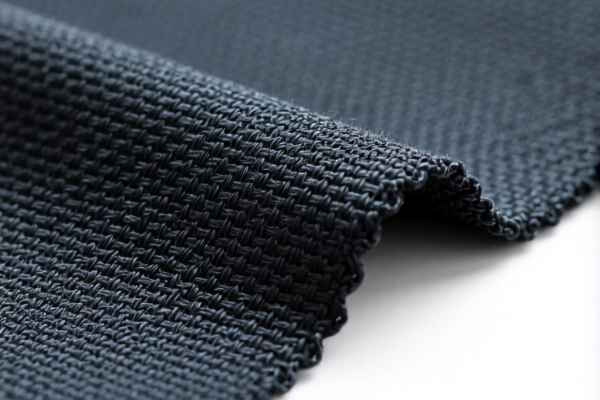
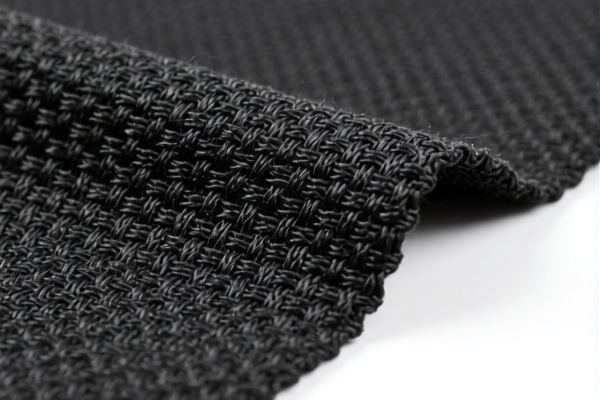
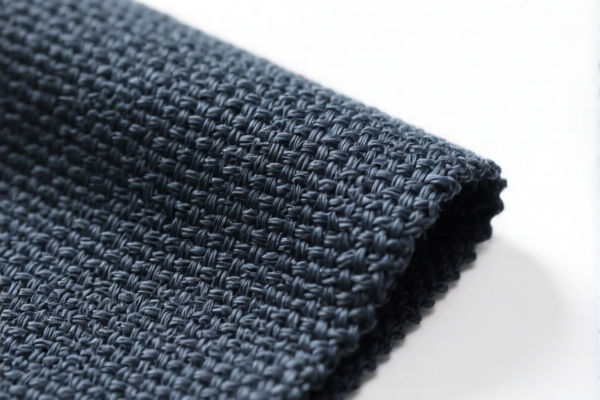
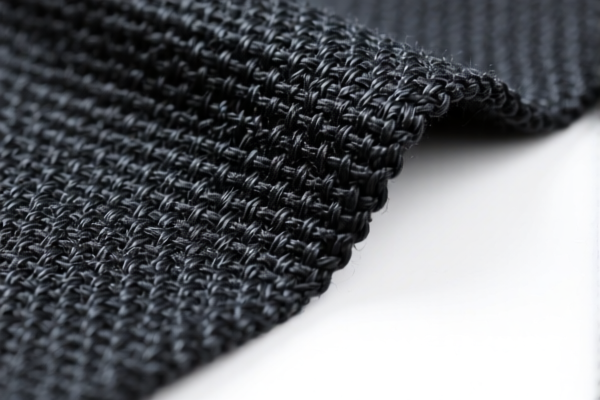
High density woven fabric
CN → US| HS编码 | 关税税率 | 原产国 | 目的国 | 文档 |
|---|---|---|---|---|
| 5007200015 | 35.0% | CN | US | 官方文档 |
| 5007200055 | 35.0% | CN | US | 官方文档 |
| 5514191040 | 49.9% | CN | US | 官方文档 |
| 5514410090 | 49.9% | CN | US | 官方文档 |
| 5407431000 | 0.0% | CN | US | 官方文档 |
| 5407693000 | 35.0% | CN | US | 官方文档 |
商品图片
AI分析
🧵 High Density Woven Fabric: The Ultimate Guide to Classification & US Customs Clearance (2026)
🌐 HS Code Reference & Customs Clearance Guide | 2026 Latest Tariff Analysis | Professional Clearance Strategy
📌 I. Product Definition: What Exactly is "High Density Woven Fabric"?
In international trade, the term "High Density Woven Fabric" is too vague for Customs purposes. To classify it correctly, we must look at the material composition, weave type, and specific end-use. Based on the provided data, "High Density" typically refers to fabrics with a warp yarn count exceeding 47 threads per cm.
The classification depends entirely on three factors: 1. Fiber Content: Silk, Synthetic Staple (Polyester/Cotton), or Synthetic Filament (Nylon/Polyester). 2. Width & Thread Count: Specifically for silk necktie fabrics (<77 cm width, >47 warp threads/cm). 3. Processing: Unbleached, Bleached, Printed, or Dyed.
⚠️ Key Distinction:
- If it's Silk: Look for specific thread counts and width for neckties.
- If it's Polyester-Cotton Blend: Look at weight (>170 g/m²) and weave (Satin/Twill).
- If it's Pure Synthetic Filament: Look at yarn counts per cm (Warp/Filling) and coloration.
📦 II. HS Code Classification Details (2026 Latest Tariff Authority Comparison)
| HS Code | Product Description | Material Composition | Key Characteristics | Specific Use/Features |
|---|---|---|---|---|
5007.20.00.15 |
Woven Silk Fabrics | ≥85% Silk/Silk Waste | Width <77 cm; >47 warp threads/cm | Printed; Specifically for Neckties |
5007.20.00.55 |
Woven Silk Fabrics | ≥85% Silk/Silk Waste | Width <77 cm; >47 warp threads/cm | Other (Unspecified treatment); Specifically for Neckties |
5514.19.10.40 |
Woven Syn. Staple Fibers (<85%) | Polyester Staple + Cotton | Weight >170 g/m²; Satin or Twill Weave | Unbleached or Bleached; Polyester staple fibers |
5514.41.00.90 |
Woven Syn. Staple Fibers (<85%) | Polyester Staple + Cotton | Weight >170 g/m²; Plain Weave Duck | Printed; Plain weave duck fabric |
5407.43.10.00 |
Woven Synth. Filament (85%+) | Nylon/Polyamide | Warp: 69-142 threads/cm; Filling: 31-71 threads/cm | Dyed (Yarns of different colors); High density specific counts |
5407.69.30.00 |
Woven Synth. Filament (85%+) | Polyester Filament | Warp: 69-142 threads/cm; Filling: 31-71 threads/cm | Dyed (Yarns of different colors); High density specific counts |
🔍 Critical Reminder:
- Silk Necktie Fabric: Must meet the strict dimension (<77 cm) and density (>47 warp/cm) criteria. If these aren't met, it falls under different subheadings. - Polyester-Cotton: The threshold of 170 g/m² is crucial. If lighter, it may be classified elsewhere. - Filament Yarns: The thread count ranges (69-142 warp, 31-71 filling) are strict limits. Deviating outside this range changes the HS code.
💰 III. 2026 Latest Tariff Rate Breakdown (Including Additional Taxes & Policy Surcharges)
✅ Applicable Country: United States (US)
✅ Origin: China (CN)
✅ Effective Date: Post-2025 trade policies (Section 301 & IEEPA impacts)
🎯 1. Silk Fabrics (5007.20.00.15 & 5007.20.00.55)
Target: Silk Necktie Fabrics
| Item | Content |
|---|---|
| Base Tariff | 0.0% |
| Section 301 Additional Tariff | +25.0% |
| IEEPA Additional Tariff | 0.0% (Not explicitly listed in data for these codes, assuming base 301 applies) |
| Total Tariff Rate | 25.0% |
| Tax Calculation | CIF Value × 25% |
| De Minimis Eligibility | ❌ Not Applicable (Textiles are generally excluded from 800/850 de minimis exemptions due to high scrutiny) |
| Legal Basis | HTSUS 5007.20.00.15/55 → USITC Footnote on Section 301 |
📌 Explanation:
- Silk fabrics for neckties are subject to a 25% additional tariff under US Trade Law Section 301. - Although the base duty is 0%, the 25% surcharge significantly impacts cost. - High Density Definition: The code specifies "more than 47 warp yarns per cm," defining "high density" for silk.
🎯 2. Polyester-Cotton Blends (5514.19.10.40 & 5514.41.00.90)
Target: Heavyweight Woven Fabrics (>170 g/m²)
| Item | Content |
|---|---|
| Base Tariff | 0.0% |
| Section 301 Additional Tariff | 0.0% |
| IEEPA Additional Tariff | 0.0% |
| Total Tariff Rate | 0.0% |
| Tax Calculation | No Duty |
| De Minimis Eligibility | ⚠️ Check Specifics (Textiles often excluded, but low duty may reduce scrutiny) |
| Legal Basis | HTSUS 5514.19.10.40 / 5514.41.00.90 |
📌 Explanation:
- These specific polyester-cotton blends (Satin/Twill >170g/m² and Printed Plain Duck >170g/m²) enjoy 0% total tax. - This is a highly competitive classification for heavy-duty fabrics. - Critical Condition: Weight must exceed 170 g/m². Lighter fabrics will not qualify.
🎯 3. Synthetic Filament Yarns (5407.43.10.00 & 5407.69.30.00)
Target: High-Density Nylon/Polyester Fabrics with Specific Thread Counts
| Item | Content |
|---|---|
| Base Tariff | 0.0% |
| Section 301 Additional Tariff | 0.0% (For Nylon 5407.43.10.00) |
| IEEPA Additional Tariff | +25.0% (For Polyester 5407.69.30.00) |
| Total Tariff Rate (Nylon) | 0.0% |
| Total Tariff Rate (Polyester) | 25.0% |
| Tax Calculation | CIF × 0% (Nylon) / CIF × 25% (Polyester) |
| Legal Basis | HTSUS 5407.43.10.00 (Nylon) vs. 5407.69.30.00 (Polyester) |
📌 Explanation:
- Nylon/Polyamide: Class5407.43.10.00has 0% total tax. - Polyester Filament: Class5407.69.30.00has 25% total tax. - Density Definition: "High density" here is defined by thread count:
- Warp: 69–142 threads/cm
- Filling: 31–71 threads/cm
- Color: Both require "yarns of different colors" (i.e., dyed or colored yarns, not printed fabric).
🛠️ IV. Customs Clearance Practical Advice (Real-World Pitfall Guide)
✅ 1. Documentation Checklist (Mandatory)
| Document | Required | Notes |
|---|---|---|
| ✅ Product Specification Sheet | ✔️ | Must include: Fiber content %, Weight (g/m²), Width (cm), Warp/Filling thread counts per cm. |
| ✅ Lab Test Report | ✔️ | Certified third-party report confirming fiber content and weight. Essential for 5514 and 5407 codes. |
| ✅ Product Photos | ✔️ | Clear images showing weave structure (Satin, Twill, Plain), selvage, and any prints/dyes. |
| ✅ Commercial Invoice | ✔️ | Must match HS Code description exactly (e.g., specify "Nylon Filament" vs "Polyester Filament"). |
| ✅ Packing List | ✔️ | Detail roll lengths, widths, and total weight. |
⚠️ Warning: For silk necktie fabrics, width must be explicitly stated as <77 cm. If it’s 78 cm, it may not qualify for
5007.20.00.15/55.
✅ 2. Declaration Tips (Key Mantras)
🔥 “Specs Define Duty: Weight, Thread Count, Fiber!”
| Scenario | Correct Declaration | Error to Avoid |
|---|---|---|
| Silk Necktie Fabric | "Woven Silk Fabric, Printed, <77cm Width, >47 Warp Threads/cm" | Vague "Silk Scarf Material" |
| Heavy Poly-Cotton | "Woven Fabric, Polyester Staple/Cotton Blend, 180g/m², Satin Weave" | "Cotton T-Shirt Fabric" (if weight >170g/m²) |
| Nylon High-Density | "Woven Nylon Filament, Dyed, Warp 100/cm, Filling 50/cm" | "Nylon Curtain Fabric" |
| Polyester High-Density | "Woven Polyester Filament, Dyed, Warp 120/cm, Filling 60/cm" | "Polyester Bed Sheet" (if counts match) |
✅ 3. Special Cases & Mitigation
| Case | Handling Advice |
|---|---|
| Borderline Thread Count | If warp count is exactly 69 or 142, ensure documentation confirms it falls within the range. Off-by-one errors can change HS codes. |
| Mixed Shipments | Do not mix "Silk" and "Polyester" on the same invoice line without clear separation. Customs will audit the most expensive/risky item. |
| Weight Verification | For 5514 codes, weight is critical. Provide a certified gram weight test from a lab like SGS or Intertek. |
| Origin Marking | Ensure all goods are marked "Made in China" to avoid misclassification claims that could trigger higher anti-dumping duties. |
🌍 V. Global Market Clearance Comparison (2026)
| Market | Recommended HS Code Focus | Tariff Outlook | Key Requirement |
|---|---|---|---|
| 🇺🇸 USA | 5007.20.00.15/55 (25%), 5514 (0%), 5407 (0%/25%) |
High Variance | Strict weight/thread count proof. |
| 🇪🇺 EU | Similar HTS codes | Lower Base Duties | REACH compliance for chemicals in dyes. |
| 🇨🇳 China | 5007, 5514, 5407 |
Import Duties ~0-10% | CIQ Inspection for textiles. |
📌 Conclusion:
- USA is the most complex market due to the 25% Section 301 tariffs on specific items (Silk & Polyester Filament).
- Polyester-Cotton blends (5514) offer a 0% tariff advantage in the US if they meet the >170 g/m² criteria.
- Nylon filament (5407.43.10.00) is the only high-density filament code with 0% total tax.
📌 VI. Common Mistakes & Pitfalls (Lessons Learned)
❌ Mistake 1: Ignoring the 170 g/m² threshold for Polyester-Cotton blends.
👉 Consequence: Misclassification from 0% to higher rates; potential audits for underpayment.
❌ Mistake 2: Confusing Polyamide (Nylon) with Polyester in Filament codes.
👉 Consequence: One is 0% (5407.43), the other is 25% (5407.69). A simple label error costs 25%.
❌ Mistake 3: Not verifying Thread Count per cm for High-Density claims.
👉 Consequence: Customs may reclassify as "Other Woven Fabrics" with higher duties.
❌ Mistake 4: Using vague descriptions like "High Density Fabric" on invoices.
👉 Consequence: CBP will request additional documentation, causing delays and storage fees.
✅ Correct Practice:
"Woven Fabric, 100% Nylon Filament, Dyed, Width 150cm, Warp Count 110/cm, Filling Count 45/cm, for Upholstery Use"
🎯 VII. Conclusion: Precision Saves Money!
🎯 Remember the Mantras:
🔹 "Silk Neckties: <77cm, >47 Warp → 25% Duty"
🔹 "Poly-Cotton: >170g/m² → 0% Duty"
🔹 "Nylon Filament: Specific Counts → 0% Duty"
🔹 "Polyester Filament: Specific Counts → 25% Duty"
📌 Pro Tip:
Before shipping, verify the weight and thread counts with a lab report. For Polyester-Cotton blends, aiming for >170 g/m² can save you 25% in tariffs compared to lighter equivalents.
📣 Immediate Action:
📞 Contact a Customs Broker: Provide exact fiber content, weight, and thread counts.
🚀 Apply for Advance Ruling: If shipment volume is high, get a binding ruling from CBP to secure the 0% rate for5514or5407.43.
✨ Professional Clearance, Starts with Precise Classification!
💼 Your Profit Margin Depends on Your HS Code!
用户评价
关于 HS 编码归类
协调制度(HS)是由世界海关组织(WCO)制定的国际贸易商品分类标准。全球 200 多个国家采用 HS 系统作为海关关税、贸易统计和进出口监管的基础。
每个 HS 编码遵循以下层级结构:
- 章(2 位)——商品大类(例如:第 84 章:机器和机械设备)
- 品目(4 位)——章内的更具体分类
- 子目(6 位)——国际通用细分,所有 WCO 成员国统一使用
- 本国细分(8-10 位)——各国自行扩展的细分编码,如美国 HTSUS 10 位编码
正确的 HS 编码归类对于顺利通关、准确缴纳关税和遵守贸易法规至关重要。错误归类可能导致海关延误、多缴关税或罚款。
从CN进口到US时,适用的关税税率可能包括:
- 最惠国(MFN)税率——适用于 WTO 成员国的标准关税税率
- 普通税率——适用于无贸易协定国家
- 贸易救济关税——附加关税,如 301 条款(反倾销)、232 条款(国家安全)或反补贴税
本页内容仅供参考。如需正式归类,请咨询当地海关或持牌报关代理。