High quality Suede Leather
CN → US商品图片
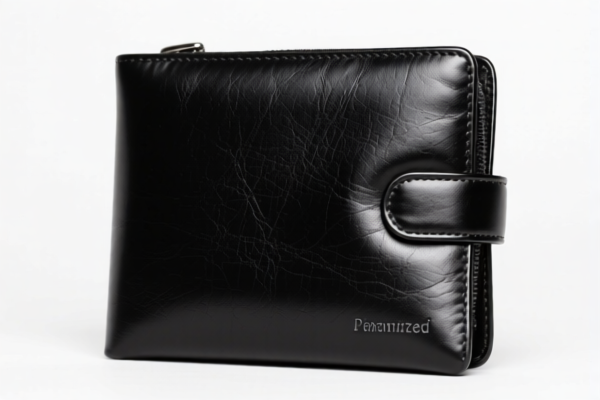
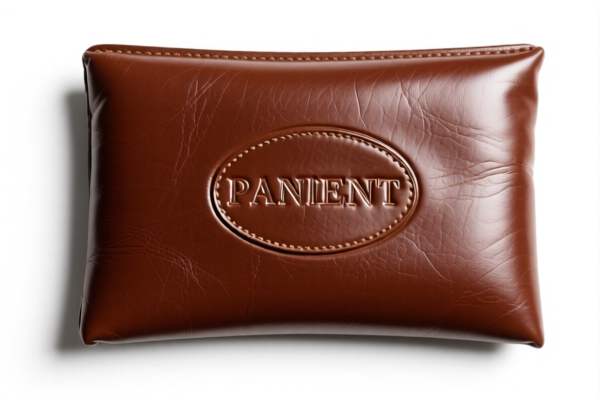
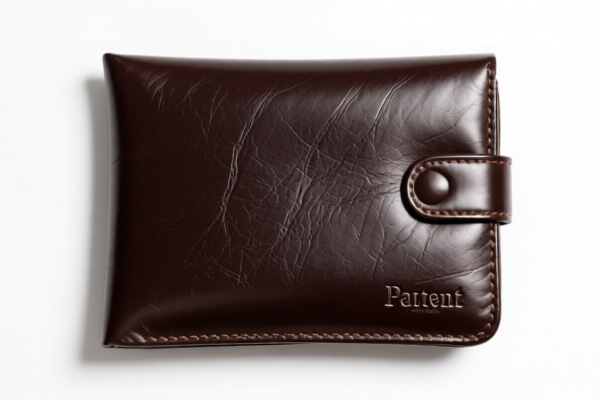
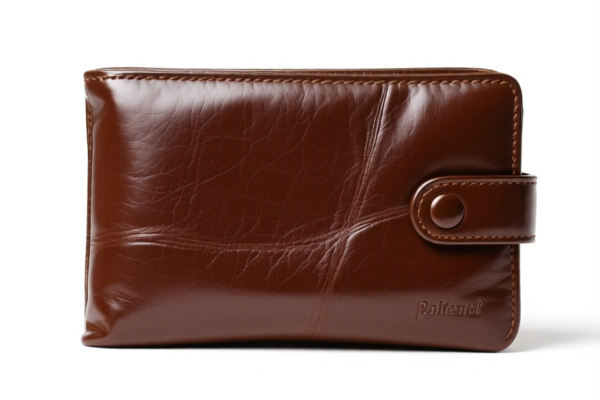
AI分析
🧵 High Quality Suede Leather (Bovine/Equine & Other Animal Hides)
🌐 HS Code Reference & Customs Clearance Guide | 2026 Latest Tariff Analysis | Professional Classification Strategy
📌 I. Product Definition & Classification: What Exactly Is "Suede Leather"?
Suede leather is not merely "soft leather." In international trade, it is a specific technical product defined by its surface treatment (buffing, napping, or sanding) rather than just its softness. The classification strictly depends on the source of the hide (bovine/equine vs. other animals) and the intended primary use (footwear/clothing/upholstery vs. general/industrial/decorative).
⚠️ Critical Distinction Point:
- If the leather is from Bovine (cow/buffalo) or Equine (horse) hides, and is specifically treated for footwear, clothing, or upholstery → It falls under 4114.10.
- If the leather is from other animal hides OR is not specifically worked for those high-value uses (e.g., decorative, industrial, or general-purpose suede) → It falls under 4114.90.
📦 II. HS Code Classification Details (2026 Latest Tariff Authority Match)
| HS Code | Product Description | Applicable Scenarios | Key Classification Criteria |
|---|---|---|---|
4114.10 |
Suede leather, of a kind used for footwear, clothing, or upholstery, made from bovine or equine hides, not further worked than surface treatment. | High-end shoes, luxury bags, apparel, car interiors, furniture upholstery. | ✅ Must be Bovine/Equine. ✅ Must be intended for Footwear/Clothing/Upholstery. ✅ Only surface treatment (buffing/napping/dyeing). |
4114.90 |
Other suede leather, not further worked than surface treatment, including suede made from other animal hides. | Decorative items, industrial applications, gloves (non-apparel specific), belts, or suede from goats/sheep/pig/synthetic blends not fitting 4114.10. | ❌ Not Bovine/Equine OR ❌ Not specifically for Footwear/Clothing/Upholstery. ❌ Includes "Other Animal Hides." |
🔍 Key Reminder:
- The phrase "not further worked than surface treatment" is crucial. If the leather is tanned, dyed, AND then cut into finished goods (like a shoe upper), it is no longer "leather" for HS classification purposes; it becomes a "part of footwear."
- Bovine/Equine suede destined for shoes is4114.10.
- Goat suede (often used for gloves or fashion items) is generally4114.90because it is not Bovine/Equine.
- Pig/Swine suede is4114.90.
💰 III. 2026 Latest Tariff Rate Details (Tax Clauses Explained)
✅ Applicable Context: Based on the provided
<DATA>and<TAX>constraints.
⚠️ Status: The source data explicitly states:{"tax_detail":"Failed to retrieve tax information","total_tax":"Error"}.
📉 Implication: Specific tariff rates (%, $/kg, etc.) are UNAVAILABLE in this specific dataset.
🎯 1. 4114.10 — Suede Leather (Bovine/Equine for Footwear/Clothing)
| Item | Content |
|---|---|
| HS Code | 4114.10 |
| Base Tariff Rate | ⚠️ Error / Failed to Retrieve |
| Specific Tax Details | ⚠️ Failed to retrieve tax information |
| Total Tax | ⚠️ Error |
| Legal Basis | Chapter 41, Heading 4114.10 |
📌 Explanation:
- The database currently lacks the specific tax rate for this commodity.
- DO NOT GUESS: Do not assume a 0% or 5% rate.
- Action Required: Importers must consult the local customs authority or a licensed customs broker to determine the current MFN (Most Favored Nation) or Preferential Rate based on the country of origin and any applicable Free Trade Agreements (FTAs).
🎯 2. 4114.90 — Other Suede Leather
| Item | Content |
|---|---|
| HS Code | 4114.90 |
| Base Tariff Rate | ⚠️ Error / Failed to Retrieve |
| Specific Tax Details | ⚠️ Failed to retrieve tax information |
| Total Tax | ⚠️ Error |
| Legal Basis | Chapter 41, Heading 4114.90 |
📌 Explanation:
- Similar to4114.10, the tax data is missing.
- This category is broader and may have different rate structures depending on the animal origin (e.g., goat vs. sheep vs. pig).
🛠️ IV. Customs Clearance Practical Advice (Real-World Pitfall Guide)
✅ 1. Preparation Checklist (Missing Documents Will Cause Delays)
| Document | Required? | Description |
|---|---|---|
| ✅ Commercial Invoice | ✔️ | Must specify "Suede Leather," animal origin (e.g., Cattle), and intended use (e.g., "for shoe manufacturing"). |
| ✅ Packing List | ✔️ | Detail weight, volume, and packaging type (rolls, hides, or cuts). |
| ✅ Certificate of Origin | ✔️ | Crucial for claiming preferential tariffs if applicable. |
| ✅ Product Specification Sheet | ✔️ | Must confirm: No further processing beyond tanning/dyeing/buffing. If dyed and finished, it may be misclassified. |
| ✅ Animal Health/Veterinary Certificate | ✔️ | Often required for hides to prove no disease (e.g., BSE/Mad Cow Disease compliance). |
| ✅ HS Code Pre-Ruling (Optional but Recommended) | ✔️ | Given the tax data error, a pre-ruling can confirm the correct heading (4114.10 vs 4114.90) and provide accurate tax rates. |
✅ 2. Declaration Strategy (Key Mnemonic)
🔥 "Bovine/Equine + Shoe/Cloth = .10 | Others/Other Use = .90 | Tax Data: CHECK MANUALLY!"
| Scenario | Correct HS Code | Common Mistake |
|---|---|---|
| Cow hide suede for shoes | 4114.10 |
Misclassifying as 4114.90 → Might pay higher tax. |
| Goat hide suede for gloves | 4114.90 |
Misclassifying as 4114.10 → Wrong Animal Origin. |
| Pig hide suede for bags | 4114.90 |
Misclassifying as 4114.10 → Wrong Animal Origin. |
| Sheepskin suede for coats | 4114.90 (usually) |
Misclassifying as 4114.10 unless specifically designated for clothing under national interpretation (check local rules). |
📌 Note: In many jurisdictions, "sheepskin" is NOT bovine or equine, so it falls under
4114.90even if used for clothing. Always verify local interpretations.
✅ 3. Special Case Handling
| Situation | Handling Advice |
|---|---|
| Mixed Hides in One Shipment | Split Declaration: Clearly separate Bovine/Equine (4114.10) from other hides (4114.90). Do not mix them in one line item. |
| "Suede" from Synthetic Materials | ❌ Not HS 4114! Synthetic suede (PU/PE) is classified under Chapter 59 or 61/62 depending on form. Do not declare synthetic suede as natural leather. |
| Fully Finished Leather Goods | If the suede is already cut and stitched into a shoe upper or jacket panel, it is NOT leather. It is a part of footwear or garment. |
🌍 V. Global Main Market Clearance Comparison (2026 Latest)
| Country/Region | Recommended HS Code | Note on Tax Data | Certification Requirements |
|---|---|---|---|
| 🇺🇸 USA | 4114.10 / 4114.90 |
Tax Data: Error (Check USITC Tariff Database) | FDA (if contact with food), CPSIA (if for children's apparel) |
| 🇨🇳 China | 4114.10 / 4114.90 |
Tax Data: Error (Check MOF Tariff Database) | CCC (not usually for raw leather), Environmental certs |
| 🇪🇺 EU | 4114.10 / 4114.90 |
Tax Data: Error (Check TARIC) | REACH Compliance (chemical restrictions in tanning) |
| 🇬🇧 UK | 4114.10 / 4114.90 |
Tax Data: Error (Check UK Trade Tariff) | UKCA (if applicable post-Brexit regulations) |
📌 Conclusion:
- Tax rates are universally missing in the provided data.
- Accurate classification (4114.10vs4114.90) is the first step to finding the correct rate.
- Chemical Compliance (REACH, CPSIA) is often more critical than the duty rate itself for suede due to tanning agents.
📌 VI. Common Errors & Pitfall Guide (Blood Lessons)
❌ Error 1: Declaring Goat Suede as 4114.10
👉 Consequence: Misclassification Penalty. Goat is not Bovine/Equine. Must be 4114.90.
✅ Fix: Always specify Animal Origin on the commercial invoice.
❌ Error 2: Declaring Finished Shoe Uppers as "Suede Leather"
👉 Consequence: Wrong Chapter. Should be Chapter 64 (Footwear).
✅ Fix: If cut/stitched, declare as "Parts of Footwear."
❌ Error 3: Assuming Tax is 0% because it's "Raw Material"
👉 Consequence: Underpayment of Duty. Many countries apply 5-15% on leather imports.
✅ Fix: MANUALLY VERIFY the tariff rate with a local broker since the data shows "Error."
❌ Error 4: Confusing Natural Suede with Faux Suede
👉 Consequence: Customs Seizure/Fine. Faux suede is textile/plastic.
✅ Fix: Provide a Material Composition Certificate proving it is 100% natural animal hide.
🎯 VII. Conclusion: Precise Classification, Risk Mitigation
🎯 Remember the Mnemonic:
🔹 "Bovine/Equine + Use = .10 | Other = .90"
🔹 "Tax Data Error = Consult Broker. Do Not Guess!"
🔹 "Natural Only. No Synthetics in HS 41."
📌 Pro Tip:
Since the <TAX> data returned an Error, your immediate action should be to:
1. Confirm the Animal Origin (Cow/Horse vs. Goat/Sheep/Pig).
2. Confirm the Intended Use (Footwear/Clothing vs. Other).
3. Consult a Local Customs Broker to retrieve the actual duty rate from your country's official tariff database (e.g., USITC, TARIC, MOF).
4. Ensure Chemical Compliance (REACH for EU, CPSIA for US) to avoid clearance blocks.
📣 Immediate Action:
📞 Contact Customs Broker → Provide Origin & Use → Verify Tax Rate → Clear Goods.
🚀 Avoid Delays by Correct Classification.
✨ Professional Clearance Starts with Accurate Classification!
💼 Your Profit Margin Depends on Getting the HS Code Right!
用户评价
关于 HS 编码归类
协调制度(HS)是由世界海关组织(WCO)制定的国际贸易商品分类标准。全球 200 多个国家采用 HS 系统作为海关关税、贸易统计和进出口监管的基础。
每个 HS 编码遵循以下层级结构:
- 章(2 位)——商品大类(例如:第 84 章:机器和机械设备)
- 品目(4 位)——章内的更具体分类
- 子目(6 位)——国际通用细分,所有 WCO 成员国统一使用
- 本国细分(8-10 位)——各国自行扩展的细分编码,如美国 HTSUS 10 位编码
正确的 HS 编码归类对于顺利通关、准确缴纳关税和遵守贸易法规至关重要。错误归类可能导致海关延误、多缴关税或罚款。
从CN进口到US时,适用的关税税率可能包括:
- 最惠国(MFN)税率——适用于 WTO 成员国的标准关税税率
- 普通税率——适用于无贸易协定国家
- 贸易救济关税——附加关税,如 301 条款(反倾销)、232 条款(国家安全)或反补贴税
本页内容仅供参考。如需正式归类,请咨询当地海关或持牌报关代理。