Home Massage Machine
CN → US| HS编码 | 关税税率 | 原产国 | 目的国 | 文档 |
|---|---|---|---|---|
| 9019102020 | 10.0% | CN | US | 官方文档 |
| 9019102050 | 10.0% | CN | US | 官方文档 |
| 8509801000 | 10.0% | CN | US | 官方文档 |
| 8509805095 | 14.2% | CN | US | 官方文档 |
| 9019102050 | 10.0% | CN | US | 官方文档 |
商品图片
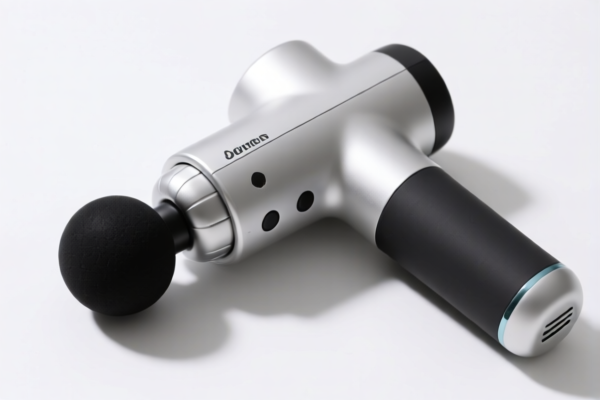
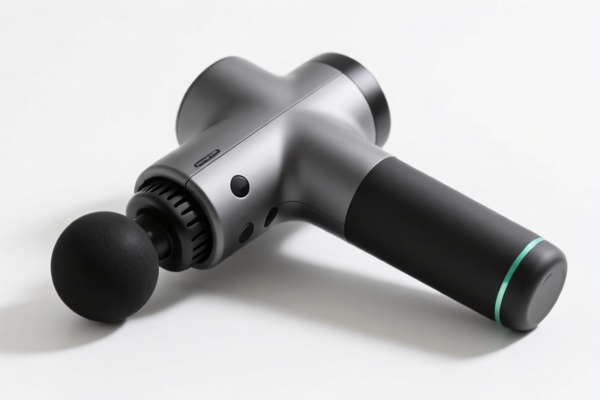
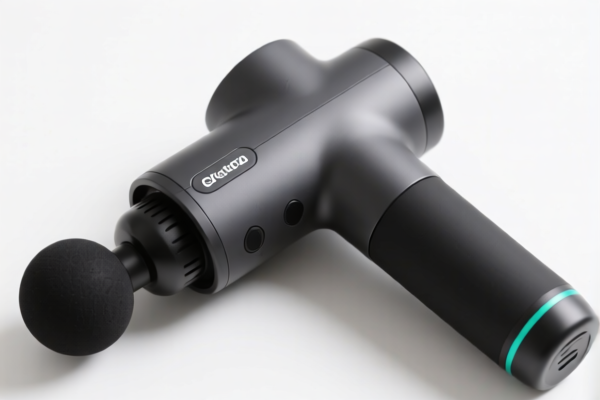
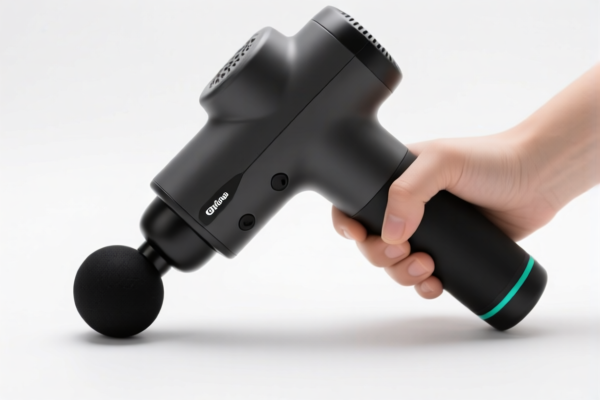
AI分析
🧖♀️ Home Massage Machine (Massagers)
🌐 HS Code Reference & Clearance Guide | 2026 Latest Tariff Analysis | Professional Customs Strategy
📌 I. Product Definition & Classification: What is a "Home Massage Machine"?
A Home Massage Machine is a non-invasive device designed to provide physical therapy, muscle relaxation, or therapeutic benefits through mechanical, electrical, or pneumatic means. In international trade, classification depends heavily on its power source (electric vs. manual) and functional nature (medical vs. household appliance).
⚠️ Key Distinction:
- If it is a standalone mechanical device or electric massager not specifically designed for medical diagnosis/treatment in a hospital setting → It generally falls under Chapter 90 (Medical/Physiotherapeutic Apparatus) or Chapter 85 (Electrical Machinery).
- The provided data suggests multiple potential classifications based on inferred power sources and specific usage contexts.
📦 II. HS Code Classification Details (Based on Provided Data)
The following HS Codes are derived from the specific logic provided in the input data. Note that different descriptions lead to different tariff outcomes.
| HS Code | Summary from Data | Classification Logic | Total Tax Rate |
|---|---|---|---|
| 9019.10.20.20 | Massage apparatus; inferred as likely compliant due to lack of specified power source/form, based on "catch-all" principle. | Physiotherapeutic apparatus | 10.0% |
| 9019.10.20.50 | Massage apparatus ("apparatus"); belongs to "other" category. No conflict with power source/material. Preferred as compliant. | Physiotherapeutic apparatus (Other) | 10.0% |
| 8509.80.10.00 | Home electrical mechanical apparatus. Inferred as compatible with electric mechanical household appliances. | Electrical machinery (Household) | 10.0% |
| 8509.80.50.95 | Home electrical appliance. Not excluded; fits "other" household appliance category. Inferred as finished electrical product. | Electrical machinery (Household) | 14.2% |
| 9019.10.20.50 | Massage apparatus. Name does not specify power source. "Catch-all" category principle applied. | Physiotherapeutic apparatus (Other) | 10.0% |
🔍 Critical Insight:
- The most frequent classification for these items is 9019.10.20.50 or 9019.10.20.20 (Physiotherapeutic Apparatus), resulting in a 10% total tax.
- If classified as a general Household Electrical Appliance (8509.80), the tax may rise to 14.2% depending on the specific sub-category.
💰 III. Detailed Tariff Rate Breakdown (2026 Analysis)
✅ Applicable Context: Based on the "122 Clause Tariff" mentioned in the data, this implies specific U.S. trade policies (often associated with Section 301 or specific bilateral tariffs on Chinese goods).
✅ Origin Implication: The tax structure suggests goods originating from China entering the US Market.
🎯 1. 9019.10.20.20 & 9019.10.20.50 —— Physiotherapeutic Apparatus
| Component | Rate | Explanation |
|---|---|---|
| Basic Tariff | 0.0% | The base Most Favored Nation (MFN) rate for these subheadings is often 0%. |
| Additional Tariff (Section 301/122 Clause) | +10.0% | This is the critical "122 Clause Tariff" (often referring to specific punitive tariffs on Chinese imports). |
| Total Effective Tax | 10.0% | 0% + 10% = 10% |
| Calculation Base | CIF Value | Calculated on Cost, Insurance, and Freight value. |
📌 Explanation:
- Despite having a 0% base tariff, the 10% punitive tariff significantly impacts cost.
- This classification (9019) is preferred for devices with therapeutic claims. If the device is marketed as a "health/medical" aid, this code is more appropriate than household appliances.
🎯 2. 8509.80.10.00 —— Household Electrical Machinery
| Component | Rate | Explanation |
|---|---|---|
| Basic Tariff | 0.0% | Base rate for this specific sub-category. |
| Additional Tariff (122 Clause) | +10.0% | Same punitive tariff applies. |
| Total Effective Tax | 10.0% | 0% + 10% = 10% |
📌 Note:
- This code applies if the device is viewed strictly as a "home electrical machine" without specific medical/physiotherapeutic classification.
- Logic: "Based on common sense, it does not conflict with electric mechanical apparatus categories."
🎯 3. 8509.80.50.95 —— Other Household Electrical Appliances
| Component | Rate | Explanation |
|---|---|---|
| Basic Tariff | 4.2% | This sub-category has a higher base rate. |
| Additional Tariff (122 Clause) | +10.0% | Punitive tariff adds to the base. |
| Total Effective Tax | 14.2% | 4.2% + 10% = 14.2% |
📌 Warning:
- This is the highest tax rate among the options.
- It applies to "other" household electrical appliances not elsewhere specified. If customs determines your massager doesn't fit the "physiotherapeutic" definition of 9019, it may fall here, increasing costs by 4.2% compared to the 9019 codes.
🛠️ IV. Clearance Practical Advice (Real-World Pitfall Avoidance)
✅ 1. Documentation Checklist
| Document | Requirement | Purpose |
|---|---|---|
| Product Brochure | ✔️ | Must clearly state "Massage Apparatus" or "Physiotherapeutic Device". Avoid vague terms like "Relaxation Tool" if medical claims are intended. |
| Technical Specs | ✔️ | Detail power source (AC/DC/Battery), voltage, and frequency. Crucial for distinguishing between 9019 and 8509. |
| Intended Use Statement | ✔️ | Explicitly state: "Used for home muscle relaxation and therapeutic massage." |
| Photos | ✔️ | Show the device, control panel, and any medical/health certifications. |
| Invoice | ✔️ | Value must reflect CIF terms to ensure accurate tax calculation. |
✅ 2. Classification Strategy: 9019 vs 8509
| Scenario | Recommended HS Code | Why? |
|---|---|---|
| Device has specific therapeutic claims (e.g., acupoint massage, muscle stimulation) | 9019.10.20.50 | Fits "Physiotherapeutic Apparatus". Lower base tax (0%) + 10% surcharge = 10%. |
| General relaxation device (e.g., massage gun, rolling pillow) without medical claims | 8509.80.10.00 | Fits "Household Electrical Machinery". Same total tax (10%) but different regulatory path. |
| Vague "Other" Electrical Device | 8509.80.50.95 | AVOID. Higher total tax (14.2%). Only use if the device cannot be classified under the above two. |
💡 Pro Tip:
- Aim for9019or8509.80.10. Both result in 10% tax.
- Avoid8509.80.50.95if possible, as it adds an extra 4.2% to your cost.
- Provide evidence that the device is electrical/mechanical and not manual (unless manual is specified, but data implies electrical inference).
✅ 3. Special Considerations
- Power Source Ambiguity: The data notes that "power source is not specified." To prevent reclassification to the higher tax bracket (
8509.80.50.95), clearly label the device as Electric or Battery-Powered in all documents. - Medical vs. Home Use: If the device is sold as a "medical device," ensure it has necessary FDA/CE certifications. Mislabeling a medical device as a "home appliance" can lead to severe customs penalties.
- 122 Clause Tariff: Ensure the country of origin is correctly declared. If goods are transshipped (e.g., via Vietnam) but originally from China, the 10% tariff may still apply.
🌍 V. Global Market Comparison (2026)
| Market | Likely HS Code | Est. Tax Impact | Notes |
|---|---|---|---|
| 🇺🇸 USA | 9019.10.20.50 or 8509.80.10.00 |
10% | Subject to 122 Clause/Section 301 tariffs. Base is 0%. |
| 🇨🇳 China | 9019.10.20.50 |
~2-5% | Lower base rates, no punitive tariffs. |
| 🇪🇺 EU | 9019.10.90 |
~0-4% | VAT applies separately. Generally lower duty for health devices. |
📌 Conclusion:
- For US imports, the 10% tariff is the critical cost factor.
- Correct classification into 9019 or 8509.80.10 is essential to avoid the 14.2% rate.
📌 VI. Common Errors & Pitfalls (Lessons Learned)
❌ Error 1: Classifying as a generic "Electrical Appliance" (8509.80.50.95) without justification.
👉 Result: Paying 14.2% instead of 10%. Loss: 4.2% of value.
❌ Error 2: Omitting power source details.
👉 Result: Customs may choose the worst-case scenario for classification.
❌ Error 3: Confusing "Manual" vs. "Electric".
👉 Result: If manual, it might fall under different chapters (e.g., 8302), but the data assumes electric/mechanical inference. Ensure consistency.
✅ Correct Approach:
"Electric Home Massage Gun, Physiotherapeutic Purpose, Model XYZ, 20V, FDA Cleared for Home Use."
🎯 VII. Conclusion: Optimize Costs with Precise Classification
🎯 Remember:
🔹 "9019 and 8509.80.10 lead to 10%; 8509.80.50.95 leads to 14.2%."
🔹 "Specify 'Physiotherapeutic' or 'Household Electrical' to stay at 10%."
🔹 "The 122 Clause adds 10% to a 0% base, not to a 4.2% base."
📌 Pro Tip:
If you are unsure whether your device qualifies as "Physiotherapeutic," consult a customs broker. Providing a detailed product description that highlights its therapeutic or mechanical relaxation function can help secure the lower-tax classification under 9019 or 8509.80.10.
📣 Take Action:
📞 Contact a Customs Broker
📄 Provide Product Specs & Intended Use
🚀 Apply for Advance Ruling if value is high
✨ Professional Customs Clearance Starts with Accurate Classification!
💼 Every percentage point matters in global trade!
用户评价
关于 HS 编码归类
协调制度(HS)是由世界海关组织(WCO)制定的国际贸易商品分类标准。全球 200 多个国家采用 HS 系统作为海关关税、贸易统计和进出口监管的基础。
每个 HS 编码遵循以下层级结构:
- 章(2 位)——商品大类(例如:第 84 章:机器和机械设备)
- 品目(4 位)——章内的更具体分类
- 子目(6 位)——国际通用细分,所有 WCO 成员国统一使用
- 本国细分(8-10 位)——各国自行扩展的细分编码,如美国 HTSUS 10 位编码
正确的 HS 编码归类对于顺利通关、准确缴纳关税和遵守贸易法规至关重要。错误归类可能导致海关延误、多缴关税或罚款。
从CN进口到US时,适用的关税税率可能包括:
- 最惠国(MFN)税率——适用于 WTO 成员国的标准关税税率
- 普通税率——适用于无贸易协定国家
- 贸易救济关税——附加关税,如 301 条款(反倾销)、232 条款(国家安全)或反补贴税
本页内容仅供参考。如需正式归类,请咨询当地海关或持牌报关代理。