Honey Jar
CN → US| HS编码 | 关税税率 | 原产国 | 目的国 | 文档 |
|---|---|---|---|---|
| 7013495090 | 25.0% | CN | US | 官方文档 |
| 1702190000 | 23.9% | CN | US | 官方文档 |
| 2106905200 | 0.0% | CN | US | 官方文档 |
| 1702901000 | 0.0% | CN | US | 官方文档 |
| 1702902000 | 0.0% | CN | US | 官方文档 |
| 1702909000 | 40.1% | CN | US | 官方文档 |
商品图片
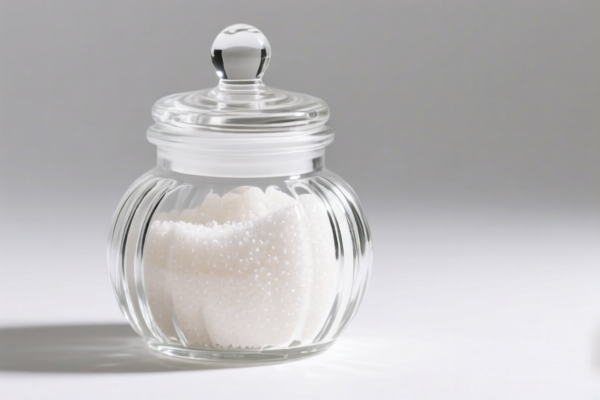
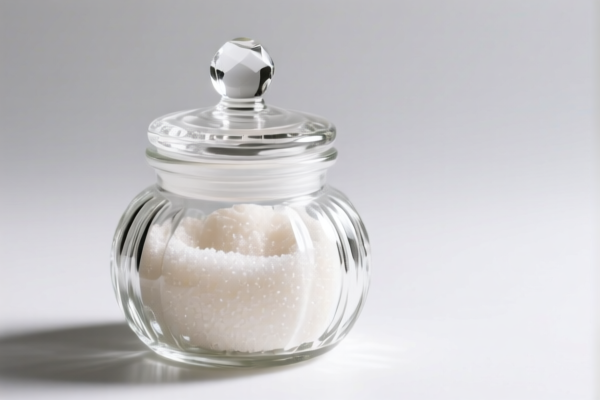
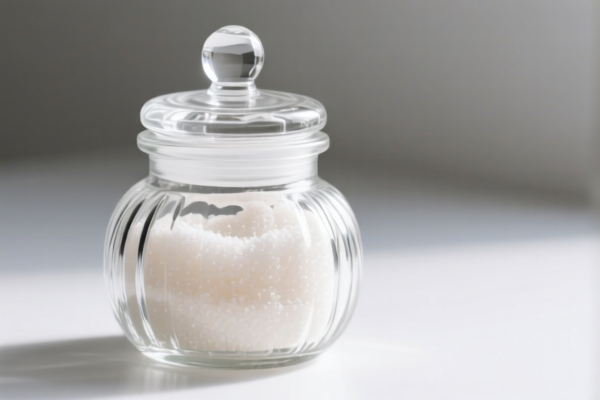
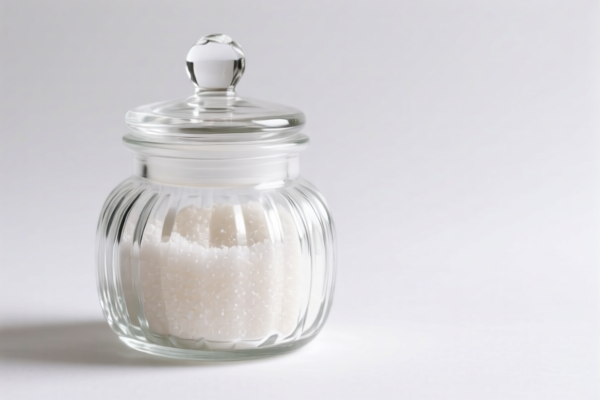
AI分析
🍯 Honey Jar: The "Container vs. Product" Classification Trap
🌐 HS Code Reference & Customs Clearance Guide | 2026 Latest Tariff Analysis | Expert Strategy
📌 I. Product Definition: Are You Shipping the Jar or the Honey?
"Honey Jar" is a classic example of a misleading commercial description. In international trade and customs classification, the term alone is insufficient. You must determine the primary function and state of the goods:
-
Empty Glass Jars (Packaging):
- Definition: Glass containers designed to hold honey, empty, ready for filling.
- Classification: Classified by material (Glass), not by the food they will hold.
- Key Feature: No food contents, intended for reuse or single-use packaging.
-
Jars of Honey (Food Product):
- Definition: Glass containers filled with honey.
- Classification: Classified by contents (Honey), regardless of the packaging material.
- Key Feature: Edible, sweetener, subject to food safety regulations.
⚠️ Critical Distinction:
- If the jar is empty → It is a Glass Article (Heading 70).
- If the jar is filled → It is Honey (Heading 17 or 21).
- Never classify filled jars as empty containers to avoid lower taxes! This is customs fraud.
📦 II. HS Code Classification Details (Based on Provided Data)
The provided data presents a conflict between classifying the container and the contents. Below are the specific codes and their legal reasoning.
A. If Classified as Empty Glass Jars (Packaging)
| HS Code | Product Description | Reasoning from Data |
|---|---|---|
7013.49.50.90 |
Glass Honey Jars (Empty) | "Glass honey jar, material is glass, use is for holding honey, belongs to non-crystal glass products." • This is the correct classification if the product is empty glassware. • It falls under "Other glassware of glass." |
🔍 Note: If you are exporting empty jars, this is the only relevant HS Code in the provided dataset. Do not use honey codes for empty jars.
B. If Classified as Honey (Food Product)
If the jars are filled with honey, they must be classified under Chapter 17 (Sugars and Sugar Confectionery) or Chapter 21 (Miscellaneous Edible Preparations), depending on the type of honey. The provided data lists multiple conflicting or overlapping codes for honey. Here is the breakdown:
| HS Code | Product Description | Reasoning from Data |
|---|---|---|
1702.19.00.00 |
Honey (Artificial) | "Honey, belongs to artificial honey category, material and use fully comply." • Applies if the product is artificial honey (not natural). |
1702.90.10.00 |
Honey (Sugar Category) | "Honey, directly matches the classification explanation for artificial honey and sugar categories, no material or form conflict." • Applies to general sugar/honey preparations. |
1702.90.20.00 |
Honey (Sugar Category) | "Honey, belongs to sugar category, conforms to characteristics of artificial honey and syrups, no material conflict." • Another sub-category for sugars/syrups. |
1702.90.90.00 |
Honey (Artificial/Syrups) | "Honey, belongs to artificial honey and related syrups category, material and use consistent." • A catch-all for other sugar/honey preparations not specified elsewhere. |
2106.90.52.00 |
Honey (Food Prep) | "Honey, belongs to food preparation category, does not conflict with material or form of fruit/vegetable juices with vitamins/minerals." • Applies if it is a prepared honey product (e.g., blended, processed), not pure honey. |
⚠️ Warning: The data contains multiple conflicting codes for honey (
1702and2106). In reality, Natural Honey is typically classified under 1702.30 (Fructose >50%) or 1702.90 (Other). The provided data seems to mix natural and artificial definitions. You must verify which code applies to your specific product type (Natural vs. Artificial vs. Processed).
💰 III. 2026 Latest Tariff Rate Breakdown (Detailed Tax Clauses)
✅ Applicable Country: United States (US)
✅ Origin: China (CN) (Inferred from "122 Clauses" and "Section 301" context in data)
✅ Effective Time: 2025/2026 Tariff Schedule
🎯 1. For Empty Glass Jars
7013.49.50.90 – Glass Honey Jars (Empty)
| Item | Content |
|---|---|
| Base Tariff | 15.0% |
| Section 301 (Add-on) | 0.0% (Note: Data shows 0.0%, but verify current status. Often 25% for glass) |
| Section 122 Tariff | 10.0% |
| Total Tariff | 25.0% |
| Tax Calculation | CIF Value × 25% |
| De Minimis Exemption | ❌ No (Value usually exceeds $800 threshold) |
| Legal Path | Base Tariff 15% + 122 Clause 10% |
📌 Explanation:
- 15% is the standard Most Favored Nation (MFN) rate for glassware.
- 10% is the "122 Clause" tariff (likely referring to specific U.S. trade action or reciprocal tariff).
- Total 25% is high for simple glass jars. Check if any exemptions apply.
🎯 2. For Filled Honey Jars (Multiple Scenarios)
The following rates depend on the exact nature of the honey.
Scenario A: 1702.19.00.00 – Artificial Honey
| Item | Content |
|---|---|
| Base Tariff | 6.4% |
| Section 301 (Add-on) | 7.5% |
| Section 122 Tariff | 10.0% |
| Total Tariff | 23.9% |
| Tax Calculation | CIF Value × 23.9% |
| Legal Path | Base 6.4% + Add-on 7.5% + 122 10% |
Scenario B: 1702.90.10.00 – Honey (Sugar Category)
| Item | Content |
|---|---|
| Base Tariff | 3.6606¢/kg of total sugars |
| Section 301 (Add-on) | 7.5% |
| Section 122 Tariff | 10.0% |
| Total Tariff | 3.6606¢/kg + 17.5% (combined ad valorem) |
| Tax Calculation | (Weight × 3.6606¢) + (CIF × 17.5%) |
| Note | This is a mixed duty (specific + ad valorem). |
Scenario C: 1702.90.20.00 – Honey (Sugar Category)
| Item | Content |
|---|---|
| Base Tariff | 35.74¢/kg |
| Section 301 (Add-on) | 0.0% |
| Section 122 Tariff | 10.0% |
| Total Tariff | 35.74¢/kg + 10.0% (ad valorem) |
| Tax Calculation | (Weight × 35.74¢) + (CIF × 10%) |
Scenario D: 1702.90.90.00 – Other Honey/Syrups
| Item | Content |
|---|---|
| Base Tariff | 5.1% |
| Section 301 (Add-on) | 25.0% |
| Section 122 Tariff | 10.0% |
| Total Tariff | 40.1% |
| Tax Calculation | CIF Value × 40.1% |
| Note | Highest tariff rate for honey in this dataset. Avoid if possible. |
Scenario E: 2106.90.52.00 – Processed Honey/Food Prep
| Item | Content |
|---|---|
| Base Tariff | Rate of natural juice in Heading 2009 + 17.5% |
| Section 301 (Add-on) | 7.5% |
| Section 122 Tariff | 10.0% |
| Total Tariff | Variable + 25% (approx) |
| Note | Complex calculation. Depends on the base rate of fruit juice (Heading 2009). |
📌 Critical Insight:
- Empty Jars: 25%
- Artificial Honey: 23.9%
- Other Honey: Up to 40.1%!
- Strategy: If you are exporting honey, verify if it qualifies for 1702.19 (lower tax) or if it is considered "Other" (higher tax). Misclassification can lead to back taxes + penalties.
🛠️ IV. Customs Clearance Practical Advice
✅ 1. Documentation Checklist (Must-Haves)
| Document | Required | Description |
|---|---|---|
| Commercial Invoice | ✔️ | Must clearly state "Empty Glass Jars" OR "Filled Honey Jars". Do not just write "Honey Jar." |
| Packing List | ✔️ | Specify net weight of honey (if filled) or empty weight (if empty). |
| Product Description | ✔️ | - If empty: "Empty Glass Container for Honey." - If filled: "Natural Honey in Glass Jars, [XX] oz." |
| Certificate of Origin | ✔️ | Required for tariff determination. |
| Food License/FDA Registration | ✔️ | Mandatory for filled honey. Empty jars do not need FDA food registration. |
| Third-Party Test Report | ✔️ | For honey: Heavy metal, antibiotic, moisture content tests. |
✅ 2. Declaration Tips (Key Formulas)
🔥 "Empty is Glass, Filled is Honey! Name it Right, Tax is Bright!"
| Situation | Correct Declaration | Wrong Declaration | Consequence |
|---|---|---|---|
| Empty Jars | "Empty Glass Jars, HS 7013.49.50.90" | "Honey Jars" (implies filled) | Customs may treat as Honey → 40.1% tax! |
| Filled Jars | "Natural Honey in Glass Jars, HS 1702.19.00.00" | "Glass Jars" | Customs will reclassify as Honey → Back taxes + fines. |
| Artificial Honey | "Artificial Honey, HS 1702.19.00.00" | "Natural Honey" | Misdeclaration → Penalty. |
✅ 3. Special Considerations
| Scenario | Recommendation |
|---|---|
| Mixed Shipment | If shipping empty jars + honey sachets, declare separately. Do not combine. |
| OEM Branding | If jars have a brand logo, still classify as Glass Jars if empty. |
| Honey Type | Verify if honey is Raw, Processed, or Artificial. This determines HS 1702.19 vs 1702.90. |
| Section 122 Tariff | The 10% "122 Clause" is aggressive. Ensure your supplier can provide proof of origin to avoid this if possible. |
🌍 V. Global Market Comparison (2026)
| Market | Empty Jars HS | Tax (Empty) | Filled Honey HS | Tax (Filled) | Notes |
|---|---|---|---|---|---|
| 🇺🇸 USA | 7013.49.50.90 |
25% | 1702.19.00.00 |
23.9% | High tariffs. FDA required for honey. |
| 🇨🇳 China | 7013.49.50.90 |
~20% | 1702.19.00.00 |
~5% | Lower tax for imported honey. |
| 🇪🇺 EU | 7013.49.50.90 |
6.5% | 1702.19.00.00 |
0% (Quota) | Strict food safety (Max Residue Levels). |
| 🇬🇧 UK | 7013.49.50.90 |
6.5% | 1702.19.00.00 |
0% (Quota) | Post-Brexit rules apply. |
📌 Conclusion:
- USA has the highest and most complex tariff structure due to Section 301 and Section 122.
- Empty Jars are cheaper to ship (25%) but have low value.
- Filled Honey has high regulatory barriers (FDA, testing) but can be taxed as low as 23.9% if correctly classified as Artificial Honey (1702.19).
- Natural Honey might fall into higher categories (1702.90.90) with 40.1% tax. Verify your honey type!
📌 VI. Common Errors & Pitfalls (Lessons Learned)
❌ Error 1: Declaring Filled Honey as "Glass Jars"
👉 Consequence: Customs detects honey content. Back taxes + 25% penalty.
❌ Error 2: Declaring Empty Jars as "Honey"
👉 Consequence: Unnecessary FDA requirements, food licensing, and higher tax (40.1%) for no reason.
❌ Error 3: Using "Honey Jar" as HS Code Description
👉 Consequence: Ambiguity. Customs will ask for clarification, causing delays.
❌ Error 4: Ignoring Section 122 Tariff (10%)
👉 Consequence: Underpaid duties. Audit risk in future years.
✅ Correct Approach:
"Empty Glass Honey Jars, Unfilled, for Commercial Use, Model XYZ"
OR
"Pure Natural Honey, 500g per Jar, Packaged in Glass, FDA Registered Facility"
🎯 VII. Conclusion: Precise Classification, Lower Taxes!
🎯 Remember the Golden Rule:
🔹 "Empty = Glass (7013), Filled = Honey (1702)."
🔹 "Name it Empty, Pay 25%. Name it Honey, Pay 24-40%."
🔹 "Artificial Honey is Cheaper Than Natural!" (If legally accurate).
📌 Pro Tip:
- If you are exporting filled honey, ensure your FDA Registration is up-to-date.
- If you are exporting empty jars, ensure the invoice says "EMPTY" in bold.
- Apply for Advance Ruling if you are unsure about the honey classification (Natural vs. Artificial).
📣 Immediate Action:
📞 Contact your freight forwarder + Provide Product Photos + Confirm Filled vs. Empty status
🚀 Clear Customs Smoothly, Save 15-20% in Taxes!
✨ Professional Clearance Starts with Accurate Classification!
💼 Your Profit Margin Depends on the First Line of Your Invoice!
用户评价
关于 HS 编码归类
协调制度(HS)是由世界海关组织(WCO)制定的国际贸易商品分类标准。全球 200 多个国家采用 HS 系统作为海关关税、贸易统计和进出口监管的基础。
每个 HS 编码遵循以下层级结构:
- 章(2 位)——商品大类(例如:第 84 章:机器和机械设备)
- 品目(4 位)——章内的更具体分类
- 子目(6 位)——国际通用细分,所有 WCO 成员国统一使用
- 本国细分(8-10 位)——各国自行扩展的细分编码,如美国 HTSUS 10 位编码
正确的 HS 编码归类对于顺利通关、准确缴纳关税和遵守贸易法规至关重要。错误归类可能导致海关延误、多缴关税或罚款。
从CN进口到US时,适用的关税税率可能包括:
- 最惠国(MFN)税率——适用于 WTO 成员国的标准关税税率
- 普通税率——适用于无贸易协定国家
- 贸易救济关税——附加关税,如 301 条款(反倾销)、232 条款(国家安全)或反补贴税
本页内容仅供参考。如需正式归类,请咨询当地海关或持牌报关代理。