Horse Belly Skin
CN → US| HS编码 | 关税税率 | 原产国 | 目的国 | 文档 |
|---|---|---|---|---|
| 4101501091 | 17.5% | CN | US | 官方文档 |
| 4101901040 | 17.5% | CN | US | 官方文档 |
| 4205008000 | 35.0% | CN | US | 官方文档 |
| 4107117050 | 15.0% | CN | US | 官方文档 |
| 4107117040 | 15.0% | CN | US | 官方文档 |
| 4113903000 | 38.3% | CN | US | 官方文档 |
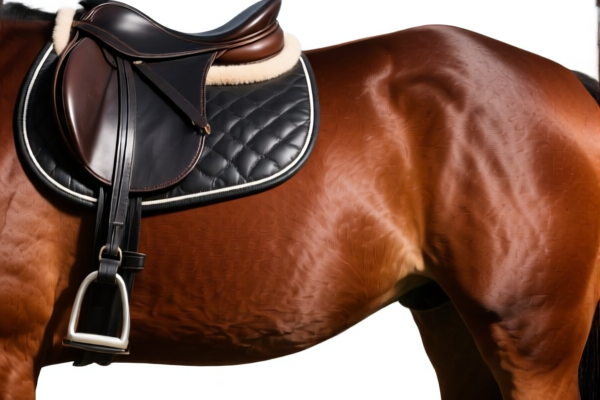
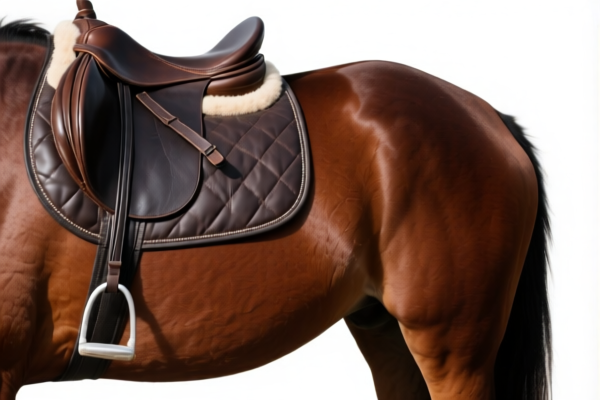
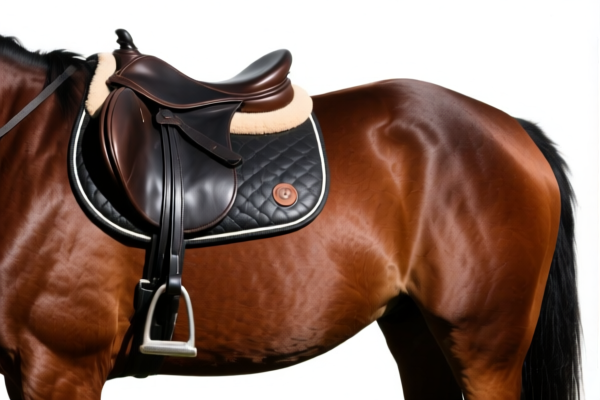
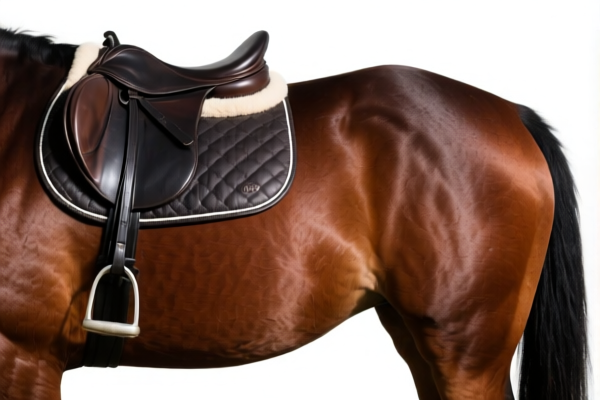
商品图片
AI分析
🐴 Horse Belly Skin (Raw & Processed Skins)
🌐 HS Code Reference & Customs Clearance Guide | 2026 Latest Tariff Analysis | Professional Entry Strategy
📌 I. Product Definition & Classification: What Exactly is "Horse Belly Skin"?
Horse Belly Skin refers to the dermal layer harvested from the abdomen of equine animals. In international trade, this raw material is categorized based on its state of processing (raw vs. tanned/processed) and its specific anatomical characteristics. It is primarily used for high-end leather goods, footwear, gloves, and apparel due to the unique texture and strength of belly leather.
International customs classifications distinguish between: 1. Raw Skins (Chapter 41): Unprocessed or merely salted/preserved horse skins, specifically those from the belly area. 2. Processed Leather (Chapter 41 & 42): Tanned, crust, or finished leather products derived from horse bellies.
⚠️ Critical Distinction:
- If the skin is raw, salted, or dried → It falls under Chapter 41 (Raw Hides & Skins).
- If the skin is tanned, crust, or made into articles → It falls under Chapter 41 (Leather) or Chapter 42 (Articles of Leather).
- Basis of Classification: The key factor is whether the biological material has undergone tanning or manufacturing.
📦 II. HS Code Classification Details (2026 Latest Tariff Authority Mapping)
| HS Code | Product Description | Application Scenario | State of Goods |
|---|---|---|---|
4101.50.10.91 |
Horse Belly Skin, matched with equine animal raw skin category | Raw horse hides/skins, specifically belly portions, not further processed than salted/dried | ✅ Raw |
4101.90.10.40 |
Horse Belly Skin, matched with specific部位 (parts) raw skin of equine animals | Raw horse belly skins classified under other specific raw skin provisions | ✅ Raw |
4205.00.80.00 |
Horse Belly Leather, matched with leather or synthetic leather articles | Finished leather goods (e.g., belts, wallets, bags) made from horse belly leather | ✅ Processed/Product |
4107.11.70.50 |
Horse Belly Leather, matched with horse skin processed goods | Tanned/crust leather specifically from horse skins (general processed) | ✅ Processed |
4107.11.70.40 |
Horse Belly Leather, matched with tanned skins (for gloves & apparel) | Tanned horse belly leather specifically prepared for gloves and clothing | ✅ Processed (Apparel) |
4113.90.30.00 |
Horse Belly Leather, matched with non-wool/hair animal leather | Processed leather from other animal sources (used if not strictly classified as standard horse hide in specific sub-headings) | ✅ Processed |
🔍 Key Insight:
- Raw vs. Tanned: Raw skins (4101.xx) generally have lower base tariffs but are subject to specific agricultural/animal health regulations.
- Finished Goods: Leather articles (4205.xx) carry higher tariffs due to value addition.
- Apparel Specifics: Tanned leather for gloves/apparel (4107.11.70.40) often has different tax treatments compared to general processed leather (4107.11.70.50).
💰 III. 2026 Latest Tariff Rate Details (Including Surtaxes & Policy Add-ons)
✅ Applicable Country: United States (US)
✅ Origin: China (CN)
✅ Effective Date: Post-November 2025 (Subject to current enforcement)
🎯 1. 4101.50.10.91 & 4101.90.10.40 —— Raw Horse Belly Skins (Equine)
| Item | Details |
|---|---|
| Base Tariff | 0% (ad valorem) |
| Section 301 Surcharge | +7.5% |
| Section 122 Tariff | +10% |
| Total Tax Rate | 17.5% |
| Tax Calculation | CIF Value × 17.5% |
| De Minimis Eligibility | ❌ Not Applicable (Raw hides/skins typically excluded or low value threshold not beneficial with high effective rate) |
| Legal Basis Path | Section 301: 7.5% → Section 122: 10% → USITC: 4101.xx |
📌 Explanation:
- Base Rate: 0% indicates a free trade baseline for raw agricultural/animal products in many contexts.
- Section 301 (+7.5%): Part of the broader trade war tariffs on Chinese animal products.
- Section 122 (+10%): Often applies to national security or specific import restrictions on raw materials.
- Total 17.5%: A moderate tariff for raw materials, but significant for bulk imports.
🎯 2. 4205.00.80.00 —— Horse Belly Leather Articles (Finished Goods)
| Item | Details |
|---|---|
| Base Tariff | 0% (ad valorem) |
| Section 301 Surcharge | +25% |
| Section 122 Tariff | +10% |
| Total Tax Rate | 35.0% |
| Tax Calculation | CIF Value × 35.0% |
| De Minimis Eligibility | ❌ Not Eligible |
| Legal Basis Path | Section 301: 25% → Section 122: 10% → USITC: 4205.xx |
📌 Explanation:
- High Tariff Risk: As a finished consumer good (leather articles), it faces the highest combined tariff burden (35%).
- Section 301 (+25%): Standard high tariff rate for many manufactured goods from China.
- Section 122 (+10%): Additional layer on top.
🎯 3. 4107.11.70.50 & 4107.11.70.40 —— Tanned Horse Belly Leather (Processed)
| Item | Details |
|---|---|
| Base Tariff | 5.0% (ad valorem) |
| Section 301 Surcharge | 0.0% |
| Section 122 Tariff | +10% |
| Total Tax Rate | 15.0% |
| Tax Calculation | CIF Value × 15.0% |
| De Minimis Eligibility | ❌ Not Eligible |
| Legal Basis Path | Base: 5% → Section 122: 10% → USITC: 4107.xx |
📌 Explanation:
- Competitive Advantage: Despite being processed, these codes have a lower total rate (15%) compared to raw skins (17.5%) or finished articles (35%).
- No Section 301: Notably, 0% Section 301 applies here, suggesting specific exemptions or classifications for processed leather under this sub-heading.
- Section 122 (+10%): Still applies.
🎯 4. 4113.90.30.00 —— Other Processed Leather (Non-Wool/Hair Animal)
| Item | Details |
|---|---|
| Base Tariff | 3.3% (ad valorem) |
| Section 301 Surcharge | +25% |
| Section 122 Tariff | +10% |
| Total Tax Rate | 38.3% |
| Tax Calculation | CIF Value × 38.3% |
| De Minimis Eligibility | ❌ Not Eligible |
| Legal Basis Path | Section 301: 25% → Section 122: 10% → USITC: 4113.xx |
📌 Explanation:
- Highest Risk: This is the most expensive classification at 38.3%.
- Avoidance Strategy: Only use this code if the leather cannot be properly classified under specific horse skin codes (4107.xx). Misclassification here can lead to overpayment of tariffs.
🛠️ IV. Customs Clearance Practical Advice (Battle-Tested Pitfall Guide)
✅ 1. Required Documentation Checklist (No Exceptions)
| Document | Mandatory | Description |
|---|---|---|
| ✅ Commercial Invoice | ✔️ | Must explicitly state "Horse Belly Skin," raw/tanned status, and quantity. |
| ✅ Packing List | ✔️ | Detail weights, dimensions, and packaging type. |
| ✅ Certificate of Origin (CO) | ✔️ | Essential for proving origin (China) to apply specific surcharges. |
| ✅ Tanning Process Description | ✔️ | For processed leather (4107), provide details on tanning method (chrome/vegetable) to justify HS code. |
| ✅ Veterinary Health Certificate | ✔️ | Critical for Raw Skins (4101). Must confirm freedom from Foot-and-Mouth Disease and other animal pathogens. |
| ✅ Material Composition Statement | ✔️ | Confirm 100% horse skin, no synthetic blends, to avoid misclassification under synthetic leather codes. |
✅ 2. Declaration Tips (Key Mnemonics)
🔥 “Raw Needs Health Cert, Tanned Needs Process Detail, Articles Pay More!”
| Scenario | Correct Declaration | Common Error |
|---|---|---|
| Raw Skins (Salted/Dried) | 4101.50.10.91 or 4101.90.10.40 |
Declaring as "Leather" → Rejection due to lack of tanning proof. |
| Tanned Leather (Gloves/Apparel) | 4107.11.70.40 |
Declaring as 4113.90.30.00 → Overpay 38.3% vs 15%. |
| Finished Leather Goods (Belts/Bags) | 4205.00.80.00 |
Declaring as "Raw Skins" → Severe penalty for smuggling/under-declaration. |
| Mixed Bales (Raw + Tanned) | Split Declaration | Mixing raw and processed in one line item → Customs seizure. |
✅ 3. Special Handling Cases
| Situation | Handling Advice |
|---|---|
| OEM Custom Leather | Provide samples and technical data sheets showing tanning process to support 4107.xx classification. |
| Import for Research/Sample | Check if Section 301 exemptions apply for non-commercial samples; however, raw skins still require health certs. |
| High-Volume Bulk Import | Consider Advance Ruling (Pre-classification) from CBP to lock in the 15% rate for 4107.11.70.40 if applicable. |
| Anti-Dumping Concerns | Verify if horse leather is subject to any specific anti-dumping duties beyond Section 301/122 (unlikely for raw skins, but check for specific market practices). |
🌍 V. Global Market Comparison (2026 Latest)
| Country/Region | Recommended HS Code | Tariff (China Origin) | Certification | Notes |
|---|---|---|---|---|
| 🇺🇸 USA | 4107.11.70.40 (Processed) |
15.0% (Best Rate) | Veterinary Cert | 4101 raw is 17.5%; 4205 finished is 35%. |
| 🇨🇳 China | 4101.50.10.91 |
5-10% (Import) | Animal Quarantine | High demand for raw skins for domestic processing. |
| 🇪🇺 EU | 4101.50.10.91 |
Varies (0-12%) | REACH + Health Cert | Strict animal welfare and health regulations. |
| 🇬🇧 UK | 4101.50.10.91 |
Varies | UKCA + Health Cert | Post-Brexit rules apply; check UK Tariff. |
| 🇯🇵 Japan | 4101.50.10.91 |
5-8% | FMD Free Cert | High quality standards for horse leather. |
📌 Conclusion:
- USA imposes Section 122 and 301 tariffs, making processed leather (4107) the most cost-effective entry point (15%) compared to raw skins (17.5%) or finished goods (35%).
- Europe has stricter health regulations but potentially lower base tariffs for raw skins.
📌 VI. Common Mistakes & Pitfalls (Blood Lessons)
❌ Mistake 1: Declaring Tanned Leather as Raw Skins (4101) to avoid tariffs.
👉 Consequence: Customs inspection reveals tanning agents → Seizure, fines, and blacklisting.
❌ Mistake 2: Using 4113.90.30.00 when 4107.11.70.40 applies.
👉 Consequence: Paying 38.3% instead of 15% → Loss of competitiveness.
❌ Mistake 3: Missing Veterinary Certificate for Raw Skins.
👉 Consequence: Goods held at port, incineration risk due to animal health laws.
❌ Mistake 4: Not distinguishing Glove/Apparel Leather from General Leather.
👉 Consequence: Misclassification leads to audit adjustments and back-taxes.
✅ Correct Practice:
“Tanned Horse Belly Leather, Chrome Tanned, for Glove Manufacturing, Origin: China, HS: 4107.11.70.40”
🎯 VII. Conclusion: Professional Declaration, Cost Efficiency!
🎯 Remember the Mnemonic:
🔹 “Raw is 17.5%, Tanned is 15%, Finished is 35%! Choose
4107for best rate!”
🔹 “Health Cert for Raw, Tanning Data for Tanned, Articles Pay More!”
📌 Pro Tip:
If your horse belly leather is destined for gloves or apparel, strictly use 4107.11.70.40 to benefit from the 0% Section 301 surcharge, resulting in a total tax of 15%. This is significantly cheaper than raw skins (17.5%) or finished goods (35%).
📣 Immediate Action:
📞 Contact a licensed customs broker + Provide Tanning Process Details + Apply for CBP Pre-classification for
4107.11.70.40.
🚀 Ensure your Vet Health Cert is ready if importing raw skins.
💼 Your profit margin depends on precise classification!
✨ Professional Clearance Starts with Accurate Classification!
💼 Every percentage point saved is profit earned!
用户评价
关于 HS 编码归类
协调制度(HS)是由世界海关组织(WCO)制定的国际贸易商品分类标准。全球 200 多个国家采用 HS 系统作为海关关税、贸易统计和进出口监管的基础。
每个 HS 编码遵循以下层级结构:
- 章(2 位)——商品大类(例如:第 84 章:机器和机械设备)
- 品目(4 位)——章内的更具体分类
- 子目(6 位)——国际通用细分,所有 WCO 成员国统一使用
- 本国细分(8-10 位)——各国自行扩展的细分编码,如美国 HTSUS 10 位编码
正确的 HS 编码归类对于顺利通关、准确缴纳关税和遵守贸易法规至关重要。错误归类可能导致海关延误、多缴关税或罚款。
从CN进口到US时,适用的关税税率可能包括:
- 最惠国(MFN)税率——适用于 WTO 成员国的标准关税税率
- 普通税率——适用于无贸易协定国家
- 贸易救济关税——附加关税,如 301 条款(反倾销)、232 条款(国家安全)或反补贴税
本页内容仅供参考。如需正式归类,请咨询当地海关或持牌报关代理。