Hot Bowl Clamp
CN → US| HS编码 | 关税税率 | 原产国 | 目的国 | 文档 |
|---|---|---|---|---|
| 7326908688 | 87.9% | CN | US | 官方文档 |
| 7615101100 | 20.6% | CN | US | 官方文档 |
| 3924104000 | 13.4% | CN | US | 官方文档 |
| 7615109100 | 70.6% | CN | US | 官方文档 |
| 7326200090 | 88.9% | CN | US | 官方文档 |
商品图片
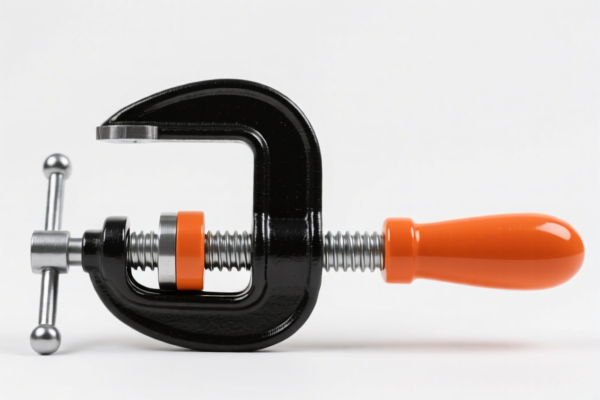
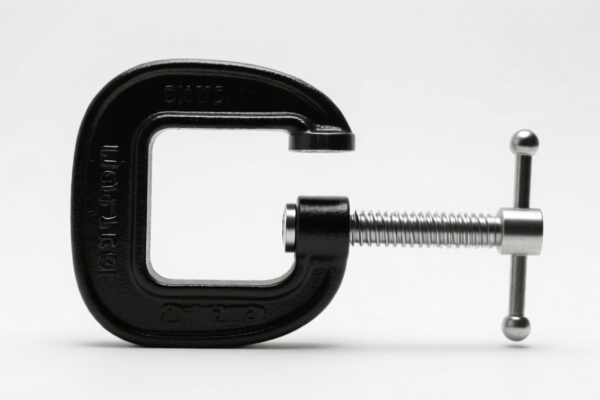
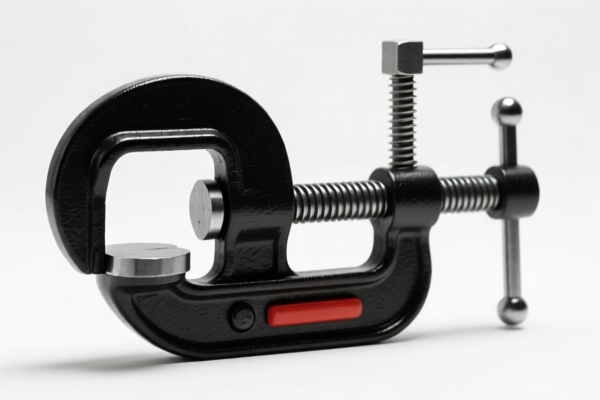
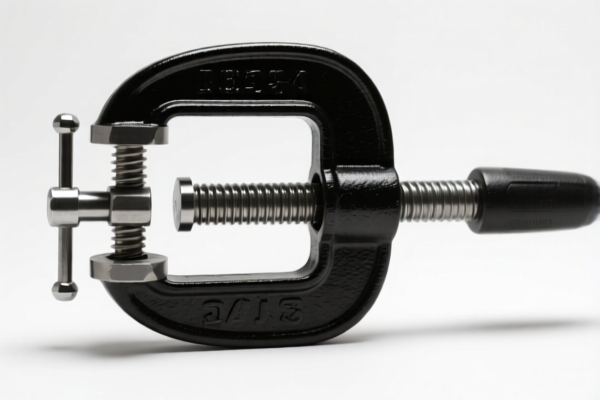
AI分析
🍲 Hot Bowl Clamp (Kitchen Tongs / Serving Tongs)
🌐 HS Code Reference & Customs Clearance Guide | 2026 Latest Tariff Analysis | Professional通关 Strategy
📌 I. Product Definition & Classification: What is a "Hot Bowl Clamp"?
A "Hot Bowl Clamp" is a kitchen tool designed for gripping hot bowls, pots, or serving dishes. In international trade, these are generally classified based on their primary material of construction. The function (gripping hot items) is secondary to the material classification under the Harmonized System (HS).
They are broadly divided into three main categories based on material: 1. Stainless Steel/Iron/Steel Clamps: Durable, heat-resistant, often used for heavy-duty serving or industrial kitchens. 2. Aluminum Clamps: Lightweight, conductive, often used for lighter serving tasks or baking accessories. 3. Plastic/Silicone-Head Clamps: Heat-resistant plastic handles with silicone grips, common in household kitchens for non-stick cookware.
⚠️ Key Classification Point: - If made primarily of Metal (Steel/Iron) → Likely Chapter 73. - If made primarily of Aluminum → Likely Chapter 76. - If made primarily of Plastic → Likely Chapter 39. - Do not classify as "Hardware" or "Tools" under other chapters; these are explicitly "Kitchenware."
📦 II. HS Code Classification Details (2026 Latest Tariff对照)
Based on the provided <DATA>, here are the four possible HS Codes for Hot Bowl Clamps, categorized by material. Note that the Total Tax Rate varies significantly due to "Section 232" (122 Clause) and Section 301 tariffs.
| HS Code | Material | Product Description | Total Tax Rate (China Origin → US) | Key Tariff Components |
|---|---|---|---|---|
| 7326.90.86.88 | Stainless Steel / Iron / Steel | Other articles of iron or steel (e.g., steel serving tongs) | 87.9% | Base: 2.9% Add'l: 25.0% (Sec 301) 122 Clause: 50% (Steel/Al/Cu) |
| 7615.10.11.00 | Aluminum / Other Metals | Other household articles of aluminum (General Category) | 20.6% | Base: 3.1% Add'l: 7.5% (Sec 301) 122 Clause: 10% |
| 3924.10.40.00 | Plastic | Other plastic tableware/kitchenware (e.g., plastic tongs with silicone tips) | 13.4% | Base: 3.4% Add'l: 0.0% 122 Clause: 10% |
| 7615.10.91.00 | Aluminum | Other aluminum tableware/cookware (Specific Kitchen Item) | 70.6% | Base: 3.1% Add'l: 7.5% (Sec 301) 122 Clause: 50% (Steel/Al/Cu) |
🔍 Critical Distinction: - Why two Aluminum codes (7615.10.11.00 vs 7615.10.91.00)? -
.11(20.6%) is for "Other household articles" which may have a lower specific duty or is classified under a different subheading for general use. -.91(70.6%) is for "Other aluminum tableware" which attracts the full 50% Section 232 tariff on aluminum products. - Strategy: If your product is purely aluminum kitchenware, customs may lean towards.91. If it is considered a general "household article" with non-kitchen-specific features,.11might apply, but 50% is the standard risk for Aluminum.
💰 III. 2026 Latest Tariff Rate Breakdown (Detailed Explanation)
✅ Applicable Country: United States (US)
✅ Origin: China (CN)
✅ Effective Date: Includes all imports post-2025 policies
🎯 1. 7326.90.86.88 – Stainless Steel / Iron Clamps
High Tariff Trap
| Item | Detail |
|---|---|
| Base Duty | 2.9% |
| Section 301 (Add'l) | 25.0% |
| Section 232 (122 Clause) | 50% (Specific to Steel/Aluminum/Copper) |
| Total Rate | 87.9% |
| Calculation | CIF Value × 87.9% |
| De Minimis Exemption | ❌ NOT Eligible (Deny de minimis) |
📌 Analysis: - Steel and Aluminum products face the harshest penalties. - The 50% Section 232 tariff is applied because the clamp is made of metal (steel/aluminum) and is considered a "product of steel/aluminum." - This is the highest cost scenario. Avoid if possible unless the product has high margin.
🎯 2. 7615.10.91.00 – Aluminum Kitchen Clamps
High Risk Aluminum Category
| Item | Detail |
|---|---|
| Base Duty | 3.1% |
| Section 301 (Add'l) | 7.5% |
| Section 232 (122 Clause) | 50% (Specific to Steel/Aluminum/Copper) |
| Total Rate | 70.6% |
| Calculation | CIF Value × 70.6% |
| De Minimis Exemption | ❌ NOT Eligible |
📌 Analysis: - Even though it's aluminum, if classified as "tableware/cookware" under
.91, it still triggers the 50% Section 232 tariff. - This is the standard rate for most aluminum kitchenware from China.
🎯 3. 7615.10.11.00 – Aluminum Household Articles
Optimized Aluminum Classification (If Applicable)
| Item | Detail |
|---|---|
| Base Duty | 3.1% |
| Section 301 (Add'l) | 7.5% |
| Section 232 (122 Clause) | 10% (Reduced rate for general household articles?) |
| Total Rate | 20.6% |
| Calculation | CIF Value × 20.6% |
| De Minimis Exemption | ❌ NOT Eligible |
📌 Analysis: - This code has a much lower Section 232 rate (10% vs 50%). - Why? Customs may view certain aluminum items as general "household articles" rather than "tableware." - Challenge: You must justify that the product is a general household item, not specific kitchen tableware. If a customs officer disagrees, they may reclassify to
.91(70.6%).
🎯 4. 3924.10.40.00 – Plastic Clamps
Lowest Tariff Option
| Item | Detail |
|---|---|
| Base Duty | 3.4% |
| Section 301 (Add'l) | 0.0% |
| Section 232 (122 Clause) | 10% (Note: Plastic does not trigger 232, but data shows 10%) |
| Total Rate | 13.4% |
| Calculation | CIF Value × 13.4% |
| De Minimis Exemption | ❌ NOT Eligible |
📌 Analysis: - Best for cost savings. - Section 301 (25% or 7.5%) often does not apply to plastics, or is reduced. - Section 232 applies only to Steel, Aluminum, and Copper. However, the data shows a 10% rate, possibly due to other trade measures. - Recommendation: If your clamp can be made of high-quality heat-resistant plastic with silicone grips, this is the most tariff-efficient choice.
🛠️ IV. Customs Clearance Practical Advice (Pitfall Avoidance)
✅ 1. Material Declaration is Critical
| Material | Recommended HS Code | Risk Level |
|---|---|---|
| Stainless Steel | 7326.90.86.88 |
🔴 Very High (87.9%) |
| Pure Aluminum | 7615.10.91.00 |
🔴 High (70.6%) |
| Aluminum (Household) | 7615.10.11.00 |
🟡 Medium (20.6%) – Hard to defend |
| Plastic/Silicone | 3924.10.40.00 |
🟢 Low (13.4%) – Best Option |
📌 Tip: If your product is a composite (e.g., Aluminum handles with Plastic tips), you must declare the principal material. If >50% by weight is metal, it may be classified as metal.
✅ 2. Declaration Tips (Key Mantra)
🔥 "Material First, Function Second. Plastic Wins, Metal Burns!"
| Scenario | Correct Declaration | Wrong Declaration |
|---|---|---|
| Plastic Tongs | "Plastic Kitchen Tongs with Silicone Grips" | "Stainless Steel Tongs" (if mislabeled) |
| Aluminum Tongs | "Aluminum Household Serving Utensils" | "Aluminum Tableware" (triggers 50%) |
| Steel Tongs | "Stainless Steel Kitchen Clamps" | "Iron Hardware" (wrong chapter) |
| Mixed Material | Declare primary material + % composition | Vague "Metal Kitchen Tool" |
✅ 3. Special Circumstances Handling
| Situation | Handling Advice |
|---|---|
| Silicone-Head Plastic Clamps | Ensure the plastic body is >50% of weight. Use 3924.10.40.00. |
| Aluminum Clamps with Plastic Coating | Risk of being classified as Aluminum (7615). Try to argue for household use under .11 (20.6%) if possible, but be prepared for audit. |
| Steel Clamps with Non-Steel Handles | If steel is the structural component, it likely falls under 7326 (87.9%). Consider redesigning with plastic handles to shift classification. |
| OEM/White Label | Provide product photos showing material texture. If it looks like steel but is claimed plastic, customs will reject. |
🌍 V. Global Market Comparison (2026)
| Country/Region | Recommended HS Code | Est. Tariff | Certification | Notes |
|---|---|---|---|---|
| 🇺🇸 USA | 3924.10.40.00 (Plastic) |
13.4% | FDA (if food contact) | Avoid Steel/Alum for high cost. |
| 🇨🇳 China | 7326.90.90 / 3924.10.00 |
5-8% | N/A | Low tariffs, no Section 301/232. |
| 🇪🇺 EU | 7323.93 (Steel) |
6% | N/A | No Section 232 equivalent. |
| 🇦🇺 Australia | 7323.93 (Steel) |
5% | N/A | Low tariffs. |
| 🇯🇵 Japan | 7323.99 (Steel) |
6% | N/A | Low tariffs. |
📌 Conclusion: - USA is the only market with punitive tariffs (up to 87.9%) for steel/aluminum kitchenware from China. - Plastic/Silicone options are highly recommended for US exports to save >70% in duties. - If you must use Aluminum, try to negotiate with customs brokers to use 7615.10.11.00 (20.6%) rather than
.91(70.6%).
📌 VI. Common Errors & Pitfalls (Blood Lessons)
❌ Error 1: Declaring Aluminum Clamps as "Plastic"
👉 Consequence: Customs seizure + fines for fraud.
👉 Fix: Be honest about material composition.
❌ Error 2: Using "Kitchen Tool" as a description without material
👉 Consequence: Customs assigns default HS code (often high-duty Steel).
👉 Fix: Always specify "Stainless Steel," "Aluminum," or "Plastic."
❌ Error 3: Ignoring Section 232 on Aluminum
👉 Consequence: Unexpected 50% duty bill.
👉 Fix: Check if your aluminum product can be classified under .11 (10% duty) rather than .91 (50% duty).
❌ Error 4: Assuming De Minimis Applies
👉 Consequence: Shipments held at border.
👉 Fix: Section 301/232 goods are not eligible for $800 de minimis entry.
✅ Correct Practice:
"Plastic Kitchen Tongs, Heat-Resistant, with Silicone Grips, Model: HT-100, FDA Compliant"
→ Use 3924.10.40.00 → 13.4% Tax.
🎯 VII. Conclusion: Smart Design Saves Money!
🎯 Key Takeaway:
🔹 "Material Determines Tax. Plastic is King, Steel is King's Enemy!"
🔹 "Avoid 87.9%: Redesign in Plastic or Silicone for US Market."
📌 Pro Tip: If your Hot Bowl Clamp is made of Aluminum, consult a customs broker to see if it can be classified under 7615.10.11.00 (20.6%) instead of the standard 70.6%. This requires strong documentation that it is a "Household Article" rather than "Tableware."
📣 Immediate Action:
📞 Contact your freight forwarder to confirm the exact HS Code based on your product's material weight ratio.
🚀 Consider redesigning with plastic/silicone to cut taxes by 60-70% for the US market!
✨ Professional Customs Clearance Starts with Accurate Classification!
💼 Your Profit Margin Depends on Your HS Code!
用户评价
关于 HS 编码归类
协调制度(HS)是由世界海关组织(WCO)制定的国际贸易商品分类标准。全球 200 多个国家采用 HS 系统作为海关关税、贸易统计和进出口监管的基础。
每个 HS 编码遵循以下层级结构:
- 章(2 位)——商品大类(例如:第 84 章:机器和机械设备)
- 品目(4 位)——章内的更具体分类
- 子目(6 位)——国际通用细分,所有 WCO 成员国统一使用
- 本国细分(8-10 位)——各国自行扩展的细分编码,如美国 HTSUS 10 位编码
正确的 HS 编码归类对于顺利通关、准确缴纳关税和遵守贸易法规至关重要。错误归类可能导致海关延误、多缴关税或罚款。
从CN进口到US时,适用的关税税率可能包括:
- 最惠国(MFN)税率——适用于 WTO 成员国的标准关税税率
- 普通税率——适用于无贸易协定国家
- 贸易救济关税——附加关税,如 301 条款(反倾销)、232 条款(国家安全)或反补贴税
本页内容仅供参考。如需正式归类,请咨询当地海关或持牌报关代理。