Hot Water Bottle
CN → US商品图片
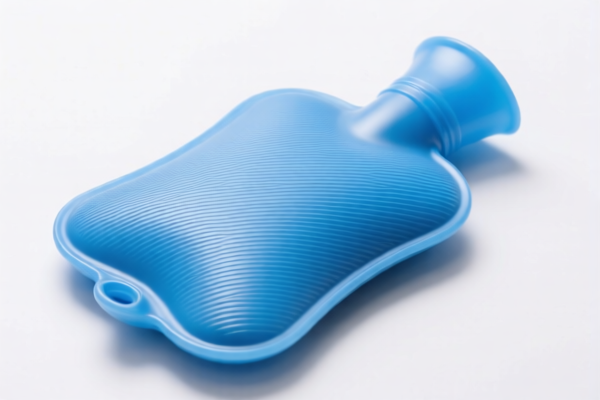
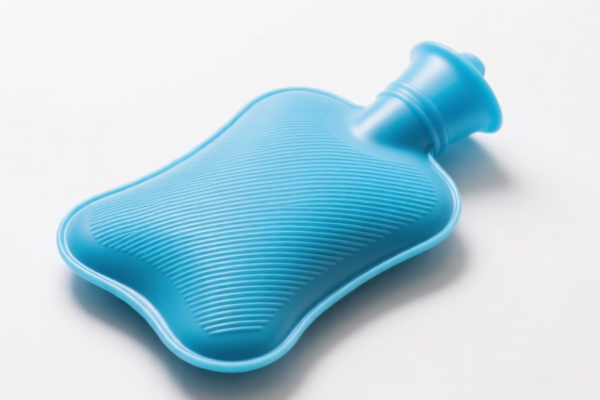
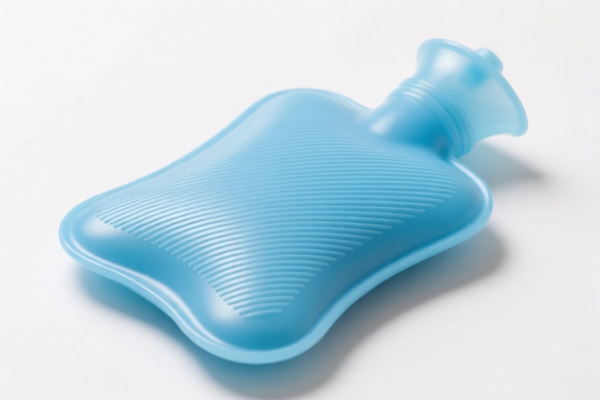
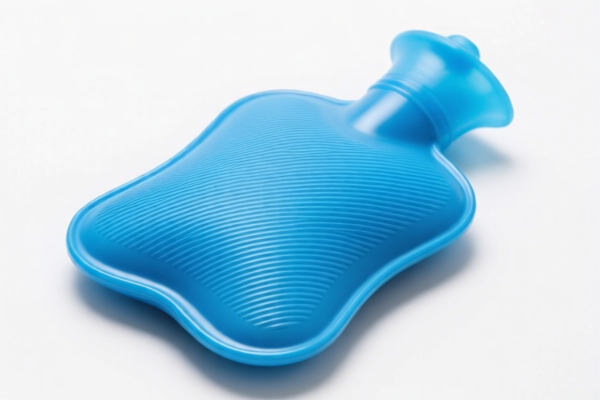
AI分析
🌡️ Hot Water Bottles: The Ultimate Guide to HS Code Classification & 2026 US Clearance Strategy
🌐 HS Code Reference & Clearance Guide | 2026 Latest Tariff Analysis | Professional Clearance Strategy
📌 I. Product Definition & Classification: Do You Really Understand "Hot Water Bottles"?
The "Hot Water Bottle" is a ubiquitous household item used for warmth, comfort, or therapeutic purposes. In international trade, its classification is not straightforward. It depends entirely on the material and form of the product. Misclassification can lead to significant tariff penalties or customs delays.
There are two main categories in the dataset provided: 1. Rubber/Material-based: Made of vulcanized rubber (traditional style). 2. Plastic/Bag-based: Made of polymers like PE/PP (modern, flexible styles). 3. Other/Mixed: Paper or non-textile bags.
⚠️ Key Distinction Point:
- If made of Vulcanized Rubber → Likely 4016.99.05.00
- If made of Plastic Polymers (PE/PP) → Likely 3926.90.21.00 or 3923.21.00.x
- If made of Paper/Non-Woven → Likely 6307.90.89.40
📦 II. HS Code Classification Details (2026 Latest Tariff Authority Comparison)
| HS Code | Product Description | Material/Form Logic | Applicable Scenario |
|---|---|---|---|
4016.99.05.00 |
Other vulcanized rubber goods: Other household articles | Material: Vulcanized Rubber Form: Household Item |
Traditional hard/rigid rubber hot water bottles; therapeutic rubber packs. |
3926.90.21.00 |
Other articles of plastics: Hot water bottles and their accessories | Material: Plastic (General) Form: Specifically "Hot Water Bottles" |
Modern plastic hot water bottles, gel packs, or specific "hot water bottle" accessories made of plastic. |
3923.21.00.95 |
Articles for the conveyance or packing of goods: Bags, sacks: Of polymers of ethylene | Material: Polyethylene (Ethylene Polymer) Form: Bag/Pouch |
Soft "hot drink bags" or squeeze-bottle style containers made of PE. Focus is on the bag/pouch form. |
6307.90.89.40 |
Other made-up articles: Other | Material: Paper or Non-Textile Form: Bag/Article |
Disposable or specialized non-textile, non-rubber/plastic standard bottles (e.g., paper-based warming pads or specific non-standard bags). |
3923.21.00.80 |
Articles for the conveyance or packing of goods: Bags, sacks: Of polymers of ethylene | Material: Ethylene Polymers (PE/PP) Form: Plastic Bags |
Standard plastic zip-lock bags or pouches used for hot liquids. Focus is on packaging bag characteristics rather than the "bottle" form. |
🔍 Important Reminder:
- "Hot Water Bottle" (3926.90.21.00) is a specific subheading for articles designed to hold hot water. If the product fits this description perfectly, it takes precedence over general "plastic bags" (3923) if the primary function is heating/warming, not just packing. - Rubber (4016.99.05.00) is for vulcanized rubber. If your "hot water bottle" is made of TPE (Thermoplastic Elastomer), check if it is considered "rubber" or "plastic" by local customs interpretation, though 3926 is often safer for TPE unless it meets strict rubber definitions.
💰 III. 2026 Latest Tariff Rate Breakdown (Including Surtaxes, Policy Add-ons)
✅ Applicable Country: United States (US)
✅ Origin: China (CN)
✅ Effective Date: Including imports from late 2025/2026 (Section 122, Section 301)
🎯 1. 4016.99.05.00 —— Vulcanized Rubber Household Articles
| Item | Content |
|---|---|
| Base Tariff | 3.4% |
| Section 301 Surtax | 7.5% |
| Section 122 Tariff | 10% |
| Total Tariff | 20.9% |
| Tax Calculation | CIF Value × 20.9% |
| De Minimis Exemption | ❌ Not Applicable (Section 301 and 122 surtaxes generally block de minimis for certain categories or are structured to apply fully) |
| Legal Basis Path | HTSUS:4016.99.05.00 → Section 301 Footnote → Section 122 Executive Order |
📌 Explanation:
- Rubber goods from China are subject to both Section 301 (7.5%) and Section 122 (10%). - Total Cost Impact: 20.9% is moderate compared to plastics, but still significant.
🎯 2. 3926.90.21.00 —— Other Plastic Articles: Hot Water Bottles
| Item | Content |
|---|---|
| Base Tariff | 4.2% |
| Section 301 Surtax | 7.5% |
| Section 122 Tariff | 10% |
| Total Tariff | 21.7% |
| Tax Calculation | CIF Value × 21.7% |
| De Minimis Exemption | ❌ Not Applicable |
| Legal Basis Path | HTSUS:3926.90.21.00 → Section 301 Footnote → Section 122 Executive Order |
📌 Important Note:
- This is the most precise code for a product explicitly named "Hot Water Bottle" made of plastic. - The tariff is 21.7%. It is higher than the rubber version (20.9%) due to a slightly higher base rate (4.2% vs 3.4%).
🎯 3. 3923.21.00.95 & 3923.21.00.80 —— Ethylene Polymer Bags/Sacks
| Item | Content |
|---|---|
| Base Tariff | 3.0% |
| Section 301 Surtax | 25.0% |
| Section 122 Tariff | 10% |
| Total Tariff | 38.0% |
| Tax Calculation | CIF Value × 38.0% |
| De Minimis Exemption | ❌ Not Applicable |
| Legal Basis Path | HTSUS:3923.21.00.x → Section 301 (25% Rate) → Section 122 |
📌 Critical Warning:
- If your "hot water bottle" is classified as a "bag" or "sack" (e.g., a soft PE pouch) rather than a rigid "bottle," the Section 301 tariff jumps to 25%. - Total Tax: 38.0% is VERY HIGH. This is a major pitfall. Do not classify a soft plastic heating pad as a generic "bag" unless it is purely for packaging.
🎯 4. 6307.90.89.40 —— Other Made-Up Articles
| Item | Content |
|---|---|
| Base Tariff | 7.0% |
| Section 301 Surtax | 0.0% |
| Section 122 Tariff | 10% |
| Total Tariff | 17.0% |
| Tax Calculation | CIF Value × 17.0% |
| De Minimis Exemption | ❌ Not Applicable (Check specific de minimis rules for Section 122) |
| Legal Basis Path | HTSUS:6307.90.89.40 → Section 122 Executive Order |
📌 Strategy:
- If your product is made of paper or non-standard textile/non-plastic/rubber materials, this code offers the lowest total tax (17.0%). - However, ensure the material truly fits "Other made-up articles" and not a more specific plastic/rubber code.
🛠️ IV. Clearance Practical Advice (Combat Pitfall Guide)
✅ 1. Documentation Checklist (Non-negotiable)
| Document | Required | Explanation |
|---|---|---|
| ✅ Product Specifications | ✔️ | Must clearly state: Material (e.g., "Vulcanized Rubber" vs "Polyethylene"), Dimensions, Fill Capacity. |
| ✅ Product Photos | ✔️ | Show the product shape. Is it a rigid "bottle" or a flat "bag"? This distinguishes 3926 from 3923. |
| ✅ Commercial Invoice | ✔️ | Description must match the HS Code. Use "Hot Water Bottle" for 3926/4016. Use "PE Pouch" only for 3923 if accurate. |
| ✅ Material Composition Statement | ✔️ | Explicitly declare if it is "100% Vulcanized Rubber" or "100% Polyethylene." |
| ✅ Origin Certificate | ✔️ | Prove China origin to apply correct Section 122/301 rates. |
✅ 2. Declaration Strategy (Key Mantra)
🔥 "Shape Defines Code, Material Defines Tax! 'Bottle' is 21.7%, 'Bag' is 38%!"
| Scenario | Correct Declaration | Wrong Action |
|---|---|---|
| Rigid/Traditional Hot Water Bottle (Rubber or Hard Plastic) | 4016.99.05.00 (Rubber) or 3926.90.21.00 (Plastic) |
Call it a "Pouch" → Risk of 38% tax |
| Soft Squeeze Bottle (PE Material) | Critical Decision: If primary function is "Heating," try 3926.90.21.00. If purely a "Container," it may be 3923.21.00 (38% tax). |
Assume 3923 is cheaper → It is more expensive (38% vs 21.7%) |
| Disposable/Warm Pads (Paper/Fabric) | 6307.90.89.40 (17% Tax) |
Call it "Plastic Bottle" → Penalty |
| Accessories (Caps, Covers) | Declare separately or with main item | Separate declaration might attract higher individual rates |
✅ 3. Special Cases Handling
| Situation | Recommendation |
|---|---|
| TPE (Thermoplastic Elastomer) Bottles | These are tricky. TPE is often treated as plastic. If it doesn't meet the strict definition of "Vulcanized Rubber," it likely falls under 3926.90.21.00 (21.7%) rather than 4016. Consult a broker. |
| Gel Packs (Not for Water) | If filled with gel, it might still be 3926.90.21.00 if marketed as "Hot Water Bottle." If marketed as "Cold Pack," check if it changes classification. |
| Bulk vs Retail | Declaration must be consistent. If you ship 10,000 units, ensure the HS code applies to the individual unit, not the pallet. |
| De Minimis (Section 321) | For shipments under $800, Section 301 tariffs may still apply depending on current CBP enforcement on Section 122. Assume full tax risk until confirmed. |
🌍 V. Global Market Clearance Comparison (2026 Latest)
| Country/Region | Recommended HS Code | Tariff (China Origin) | Certification Required | Notes |
|---|---|---|---|---|
| 🇺🇸 USA | 3926.90.21.00 |
21.7% (Plastic) 20.9% (Rubber) |
CPSIA, Prop 65 (if applicable) | Highest Priority: Avoid "Bag" classification (3923) to save 16.3% tax. |
| 🇨🇳 China | 3926.90.21.00 |
~5-7% | CCC (if applicable) | Low base tariff. |
| 🇪🇺 EU | 3924.00 (General) |
0-2% | REACH, RoHS | EU classifies hot water bottles often under "Table/Kitchen Ware" (3924) or other plastic articles. Check local EU tariff schedule. |
| 🇬🇧 UK | 3926.90 |
~0-5% | UKCA | Post-Brexit rules may vary. |
| 🇦🇺 Australia | 3924.00 |
5% | RCM | Similar to EU, often treated as household plastic ware. |
📌 Conclusion for US Market:
- The US is the most punitive market for these goods due to Section 122 and 301. - Plastic "Bags" (3923) are the most expensive category at 38%. - Plastic "Bottles" (3926) and Rubber (4016) are more cost-effective at ~21%. - Paper/Other (6307) is the cheapest at 17%, but limited by material.
📌 VI. Common Errors & Pitfall Guide (Blood & Tears Lessons)
❌ Error 1: Calling a rigid plastic hot water bottle a "Plastic Bag" (3923)
👉 Consequence: Tax jumps from 21.7% to 38.0% → Loss of ~16% profit margin!
❌ Error 2: Calling a rubber bottle "Plastic" (3926)
👉 Consequence: Minor difference (21.7% vs 20.9%), but if customs disputes the material, it leads to audit and delay.
❌ Error 3: Ignoring Section 122 Tariff
👉 Consequence: Failing to declare Section 122 liability can lead to penalties and seizure upon arrival.
❌ Error 4: Using "Thermos" or "Vacuum Flask" terms
👉 Consequence: Those are stainless steel (7323.93) and have different tax rules. Do not mix terms.
✅ Correct Practice:
"Vulcanized Rubber Hot Water Bottle, 1L, for Household Heating, Model XYZ"
OR
"Polyethylene Plastic Hot Water Bottle, 1L, for Household Heating, Model XYZ"
🎯 VII. Conclusion: Professional Declaration, Time-Saving, Cost-Efficient!
🎯 Remember the Mantra:
🔹 "Bottle vs. Bag is the Key!"
🔹 "Rubber/Plastic Bottle = ~21%. Plastic Bag = 38%!"
🔹 "Check Material First, Then Shape, Then Tax!"
📌 Pro Tip:
If your product is a soft, flexible squeeze bottle made of PE, do not default to 3923.21.00 (Bag) without verifying if CBP will accept it as a "Hot Water Bottle" under 3926.90.21.00. The latter saves you 16.3%. If in doubt, apply for an Advance Ruling or consult a US customs broker before shipping.
📣 Immediate Action:
📞 Contact a customs broker with your product photos and material specs.
🚀 Declare accurately, save money, and ensure smooth clearance!
✨ Professional Clearance Starts with Accurate Classification!
💼 Every cent of tax you save is pure profit!
用户评价
关于 HS 编码归类
协调制度(HS)是由世界海关组织(WCO)制定的国际贸易商品分类标准。全球 200 多个国家采用 HS 系统作为海关关税、贸易统计和进出口监管的基础。
每个 HS 编码遵循以下层级结构:
- 章(2 位)——商品大类(例如:第 84 章:机器和机械设备)
- 品目(4 位)——章内的更具体分类
- 子目(6 位)——国际通用细分,所有 WCO 成员国统一使用
- 本国细分(8-10 位)——各国自行扩展的细分编码,如美国 HTSUS 10 位编码
正确的 HS 编码归类对于顺利通关、准确缴纳关税和遵守贸易法规至关重要。错误归类可能导致海关延误、多缴关税或罚款。
从CN进口到US时,适用的关税税率可能包括:
- 最惠国(MFN)税率——适用于 WTO 成员国的标准关税税率
- 普通税率——适用于无贸易协定国家
- 贸易救济关税——附加关税,如 301 条款(反倾销)、232 条款(国家安全)或反补贴税
本页内容仅供参考。如需正式归类,请咨询当地海关或持牌报关代理。