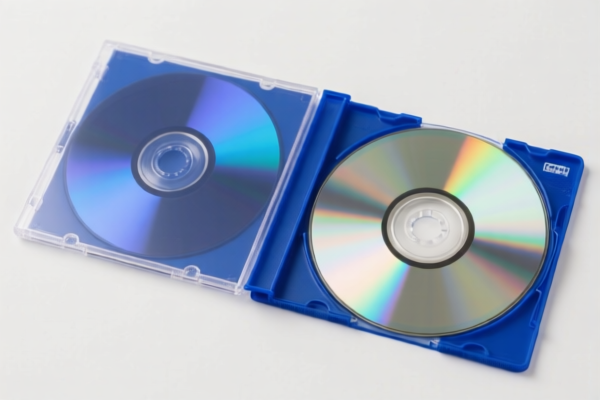
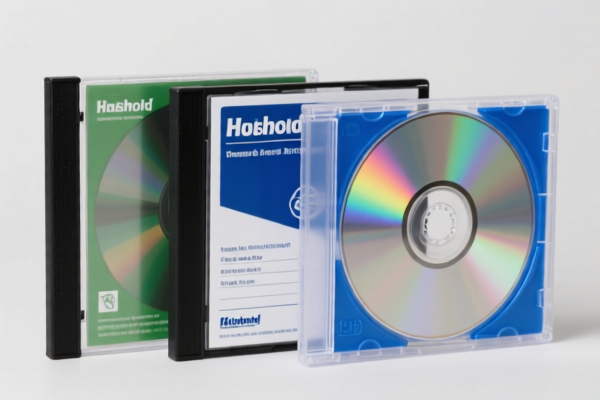
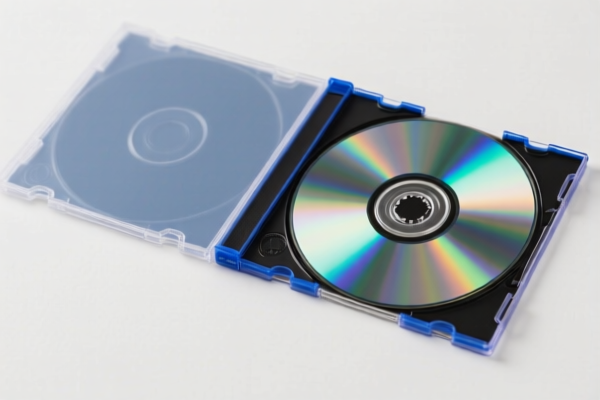
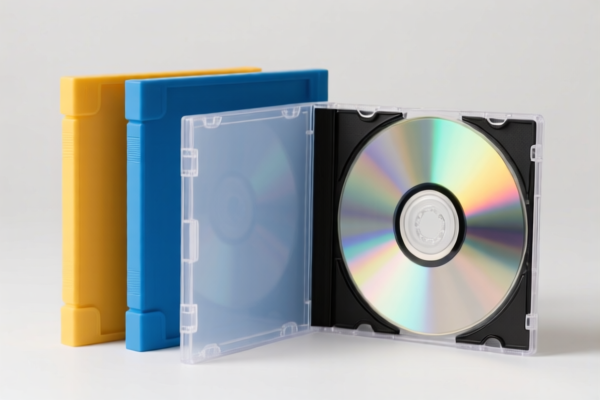
Household CD ROM Cases
CN → US| HS编码 | 关税税率 | 原产国 | 目的国 | 文档 |
|---|---|---|---|---|
| 4819504060 | 35.0% | CN | US | 官方文档 |
| 8523295010 | 17.5% | CN | US | 官方文档 |
| 4819503000 | 35.0% | CN | US | 官方文档 |
| 8523294010 | 17.5% | CN | US | 官方文档 |
| 3926908300 | 40.3% | CN | US | 官方文档 |
商品图片
AI分析
📀 Household CD ROM Cases: HS Code Classification & 2026 US Customs Clearance Guide
🌐 HS Code Reference & Clearance Guide | 2026 Latest Tariff Rules | Professional Entry Strategy
📌 I. Product Definition & Classification: What Exactly Are "Household CD ROM Cases"?
Household CD ROM cases are container units specifically designed to store and protect optical media (CDs, DVDs, or data discs) for personal or home office use. In international trade, these items are typically categorized based on their primary material composition and functionality.
There are two main classification paths depending on the manufacturing material:
- Paper/Cardboard Cases: Rigid or semi-rigid boxes made from paper pulp, cardboard, or paperboard, often used for jewel cases or slimline paper sleeves.
- Plastic Cases: Injection-molded polypropylene (PP) or polystyrene (PS) cases, commonly known as "jewel cases."
- Magnetic Media Containers: Rarely, if the case is integrated with magnetic storage technology (uncommon for standard "CD cases"), it might be viewed differently, but generally, the container itself drives the classification unless it is a functional part of the magnetic medium assembly.
⚠️ Key Distinction Point:
- If the case is Paper/Cardboard → Likely falls under Heading 4819 (Paper/Board containers).
- If the case is Plastic → Likely falls under Heading 3926 (Other plastic articles).
- ⚠️ Note on "Magnetic" HS Codes: The provided data suggests classifications under 8523 (Magnetic media carriers). While standard CD cases are not magnetic media themselves, some customs interpretations may group "cases for media" under media-related headings if they are sold as integral sets or if the classification logic prioritizes the content's nature over the container's material. However, based on the provided , we will analyze the specific HS codes listed.
📦 II. HS Code Classification Details (Based on Provided Data)
Below is the authoritative mapping of the provided HS Codes for Household CD ROM Cases, including their logical justification and tax implications.
| HS Code | Product Description | Logical Justification (From Data) | Total Tax Rate |
|---|---|---|---|
4819.50.40.60 |
Paper/Cardboard Packaging Containers | Classified as paper/box packaging; form factor matches; no material conflict with paper-based logic. | 35.0% |
8523.29.50.10 |
Magnetic Media Carrier Case | Viewed as a carrier for magnetic/optical media; form matches cassettes; suitable for home use scenarios. | 17.5% |
4819.50.30.00 |
Paper Storage Container | Inferred as paper packaging for storing tapes/discs; fits the logic of "container for media." | 35.0% |
8523.29.40.10 |
Sound Recording Carrier Component | Functions as a component for storing sound recordings; matches magnetic media classification logic. | 17.5% |
3926.90.83.00 |
Plastic Articular/Container | Made of plastic; usage aligns with tape/disc storage; fits plastic product classification features. | 40.3% |
🔍 Critical Analysis:
- The data presents a split between Paper (4819) and Media-Centric (8523) classifications, with Plastic (3926) as a third option. - Magnetic Media Codes (8523) offer the lowest tax rate (17.5%), suggesting that if customs accepts the argument that the case is an integral carrier for media, it may be classified under Chapter 85. - Paper Codes (4819) are mid-range (35.0%). - Plastic Codes (3926) are the highest tax burden (40.3%), likely due to the base duty + additional tariffs on plastic imports.
💰 III. 2026 Latest Tariff Rate Breakdown (Including Surcharges)
✅ Applicable Country: United States (US)
✅ Origin: China (CN)
✅ Effective Time: November 10, 2025 onwards
🎯 1. 8523.29.50.10 & 8523.29.40.10 —— Magnetic Media Carriers (Lowest Tax Option)
| Item | Content |
|---|---|
| Base Duty | 0.0% |
| Section 301 Surcharge | +7.5% |
| Section 122 Tariff | +10.0% |
| Total Tax Rate | 17.5% |
| Calculation Basis | CIF Value × 17.5% |
| De Minimis Eligibility | ❌ No (Deny de minimis) |
| Legal Path | USITC:8523.29.50.10 → Section 301: 7.5% → Section 122: 10% |
📌 Explanation:
- These codes fall under "Magnetic Media Carriers." Although CD-ROMs are optical, customs may group them under media-related headings if the primary purpose is storage of recorded information. - Why 7.5%? This is a specific Section 301 rate for certain media-related goods, significantly lower than the standard 25%. - Section 122 (10%): This is a newly introduced or adjusted surcharge for specific goods, adding to the base rate.
🎯 2. 4819.50.40.60 & 4819.50.30.00 —— Paper/Cardboard Containers (Mid-Range)
| Item | Content |
|---|---|
| Base Duty | 0.0% |
| Section 301 Surcharge | +25.0% |
| Section 122 Tariff | +10.0% |
| Total Tax Rate | 35.0% |
| Calculation Basis | CIF Value × 35.0% |
| De Minimis Eligibility | ❌ No (Deny de minimis) |
| Legal Path | USITC:4819.50.xxxx → Section 301: 25% → Section 122: 10% |
📌 Explanation:
- Standard paper packaging from China faces the standard 25% Section 301 tariff. - Combined with the 10% Section 122 tariff, the total hits 35%. - If your cases are paper-based, this is the inevitable tax burden unless you can prove a different classification.
🎯 3. 3926.90.83.00 —— Plastic Articular/Containers (Highest Tax)
| Item | Content |
|---|---|
| Base Duty | 5.3% |
| Section 301 Surcharge | +25.0% |
| Section 122 Tariff | +10.0% |
| Total Tax Rate | 40.3% |
| Calculation Basis | CIF Value × 40.3% |
| De Minimis Eligibility | ❌ No (Deny de minimis) |
| Legal Path | USITC:3926.90.83.00 → Section 301: 25% → Section 122: 10% |
📌 Explanation:
- Plastic products often carry a base duty (5.3%) unlike the 0% for paper or media carriers in this dataset. - Plus 25% Section 301 and 10% Section 122. - 40.3% is the most expensive option. Avoid this classification if possible.
🛠️ IV. Customs Clearance Practical Advice (Pitfall Avoidance)
✅ 1. Preparation Checklist (Non-Negotiable)
| Document | Required? | Notes |
|---|---|---|
| ✅ Product Specification Sheet | ✔️ | Must specify material (Plastic vs. Paper), dimensions, capacity (e.g., 10-disc, 100-disc). |
| ✅ Material Composition Proof | ✔️ | Certificate of Material Analysis (e.g., "100% PP Plastic" or "Recycled Paperboard"). |
| ✅ Commercial Invoice | ✔️ | Clear description: "CD-ROM Storage Cases, [Material], For Household Use." |
| ✅ Packing List | ✔️ | Include net/gross weight. Do not bundle CDs inside unless declaring the set. |
| ✅ Photos | ✔️ | Show the case structure, hinge, transparency (if plastic), and any branding. |
| ✅ HS Code Pre-Ruling (Optional) | ✔️ | Recommended for large volumes to confirm 8523 vs 4819 vs 3926. |
✅ 2. Declaration Strategy (Key Mnemonics)
🔥 "Material First, Function Second, Avoid Plastic if Possible!"
| Scenario | Recommended HS Code | Risk Level |
|---|---|---|
| Paper/Cardboard Cases | 4819.50.40.60 or 4819.50.30.00 |
⚠️ High Tax (35%) |
| Plastic Cases (Jewel Cases) | 3926.90.83.00 |
🔴 Highest Tax (40.3%) |
| Argued as Media Carrier | 8523.29.50.10 or 8523.29.40.10 |
🟢 Lowest Tax (17.5%) |
📌 Strategic Insight:
- If the cases are plastic, try to argue they are "components of magnetic/optical media storage systems" to push for8523. However, this is risky and requires strong technical documentation. - If the cases are paper, you are stuck with4819(35%). - Avoid classifying plastic cases as3926if you can successfully argue8523, saving 22.8% in tariffs.
✅ 3. Special Cases & Handling
| Situation | Handling Advice |
|---|---|
| Mixed Materials | If plastic and paper are combined, customs may classify based on the essential character or the value-weighted component. Declare clearly. |
| Sold with CDs | If sold as a set (Case + CD), declare the set. The classification may shift to the CD itself (8523), potentially lowering the tax on the whole shipment. |
| OEM/White Label | Ensure the invoice states "Generic Storage Case" to avoid trademark issues. Provide design drawings if requested. |
| Small Shipments | Remember: De Minimis (Section 321) does NOT apply to these HS codes from China. All shipments, regardless of value, are subject to duty. |
🌍 V. Global Market Comparison (2026)
| Market | Recommended HS Code | Est. Tax Rate (China Origin) | Notes |
|---|---|---|---|
| 🇺🇸 USA | 8523.29.50.10 |
17.5% | Best option if accepted. |
| 🇪🇺 EU | 4823.90 / 3926.90 |
0% - 6.5% | No Section 122/301 equivalent. Lower base duties. |
| 🇨🇳 China | 4820.10 / 3926.90 |
5% - 10% | Lower tariffs for domestic entry. |
| 🇬🇧 UK | 4823.90 |
0% - 5% | Post-Brexit trade agreements may apply. |
📌 Conclusion:
- The US market is uniquely punitive due to Section 301 and Section 122 tariffs. - Optimize for8523to save over 20% compared to paper or plastic classifications. - Paper and Plastic cases in the US face 35-40%+ total tax, significantly impacting margins.
📌 VI. Common Mistakes & Pitfalls (Lessons Learned)
❌ Mistake 1: Declaring plastic cases as "Plastic Boxes" (3926) without considering 8523.
👉 Result: Paying 40.3% instead of potentially 17.5%.
❌ Mistake 2: Not distinguishing between paper and plastic in the invoice.
👉 Result: Customs may assign the highest duty rate applicable to any part of the shipment or delay clearance for inspection.
❌ Mistake 3: Assuming de minimis applies to small shipments.
👉 Result: No exemption. Even a single case is subject to full duty.
❌ Mistake 4: Using vague descriptions like "CD Accessories."
👉 Result: High risk of audit. Must specify "CD-ROM Storage Case, [Material]."
✅ Correct Declaration Example:
"Household CD-ROM Storage Cases, Made of Polypropylene (PP), Capacity 10 Discs, For Home Use, Model: XYZ-10"
🎯 VII. Conclusion: Professional Classification Saves Money
🎯 Key Takeaway:
🔹 "Classify as Media Carrier (
8523) to Save 22.8%!"
🔹 "Paper Cases = 35%, Plastic = 40.3% – Plan Ahead!"
🔹 "No De Minimis for China-Origin Cases in the US!"
📌 Pro Tip:
If you are importing large volumes, apply for an Advance Ruling from US Customs to confirm the eligibility of 8523 classification for your specific case design. This provides legal certainty and avoids unexpected duty spikes.
📣 Immediate Action:
📞 Contact a Licensed Customs Broker
📄 Provide Material Certificates & Product Photos
🚀 Optimize Your HS Code to Minimize Duty Costs!
✨ Professional Clearance Starts with Precise Classification!
💼 Every Percent Saved is Pure Profit!
用户评价
关于 HS 编码归类
协调制度(HS)是由世界海关组织(WCO)制定的国际贸易商品分类标准。全球 200 多个国家采用 HS 系统作为海关关税、贸易统计和进出口监管的基础。
每个 HS 编码遵循以下层级结构:
- 章(2 位)——商品大类(例如:第 84 章:机器和机械设备)
- 品目(4 位)——章内的更具体分类
- 子目(6 位)——国际通用细分,所有 WCO 成员国统一使用
- 本国细分(8-10 位)——各国自行扩展的细分编码,如美国 HTSUS 10 位编码
正确的 HS 编码归类对于顺利通关、准确缴纳关税和遵守贸易法规至关重要。错误归类可能导致海关延误、多缴关税或罚款。
从CN进口到US时,适用的关税税率可能包括:
- 最惠国(MFN)税率——适用于 WTO 成员国的标准关税税率
- 普通税率——适用于无贸易协定国家
- 贸易救济关税——附加关税,如 301 条款(反倾销)、232 条款(国家安全)或反补贴税
本页内容仅供参考。如需正式归类,请咨询当地海关或持牌报关代理。