Hydrogen Rich Water Machine
CN → US| HS编码 | 关税税率 | 原产国 | 目的国 | 文档 |
|---|---|---|---|---|
| 7323999080 | 88.4% | CN | US | 官方文档 |
| 3924104000 | 13.4% | CN | US | 官方文档 |
| 3924102000 | 24.0% | CN | US | 官方文档 |
| 7323999030 | 88.4% | CN | US | 官方文档 |
商品图片
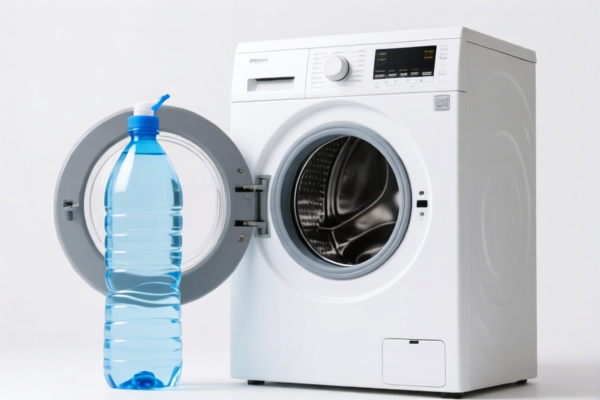
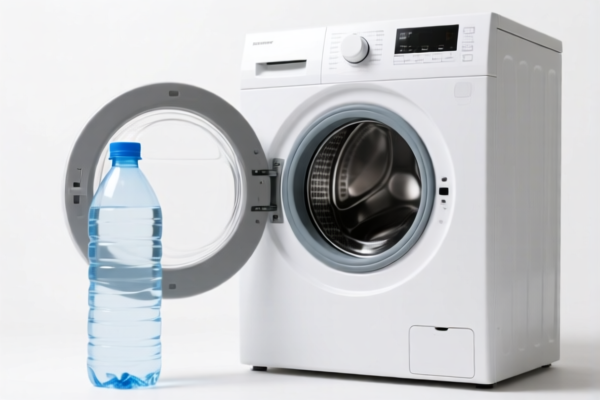
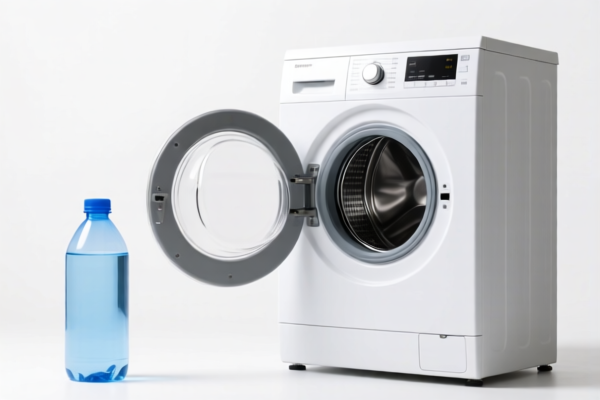
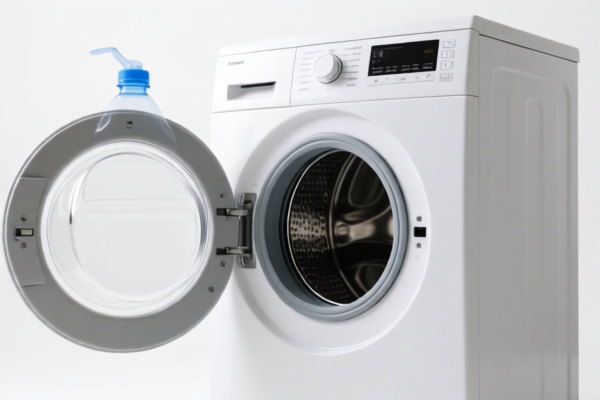
AI分析
💧 Hydrogen Rich Water Machine (HRWM)
🌐 HS Code Reference & Customs Clearance Guide | 2026 Latest Tariff Analysis | Professional通关策略
📌 I. Product Definition & Classification: Do You Really Understand "Hydrogen Water"?
A Hydrogen Rich Water Machine is a specialized household or commercial appliance designed to increase the molecular hydrogen ($H_2$) concentration in drinking water. In international trade, these machines are primarily classified based on their construction material (Metal vs. Plastic), which dictates their HS Code and, crucially, their total tax burden due to specific trade remedies (Section 301/232).
⚠️ Key Distinction Point:
- If the main body/container is made of Stainless Steel or Iron → Classified under Chapter 73 (Steel/Iron Articles) → Subject to Heavy Section 301 & 232 Tariffs.
- If the main body/container is made of Plastic or Non-Metal → Classified under Chapter 39 (Plastics) → Subject to Lower/Zero Section 301 Tariffs (depending on specific subheading).
📦 II. HS Code Classification Details (2026 Latest Tariff Alignment)
Based on the provided data, here are the precise HS Codes and their corresponding tax implications for Hydrogen Rich Water Machines:
| HS Code | Product Description | Material Inference | Main Use Case |
|---|---|---|---|
7323.99.90.80 |
Tableware and kitchenware, of iron or steel | Stainless Steel / Iron | Metal-bodied hydrogen water pitchers/cups |
3924.10.40.00 |
Tableware and kitchenware, of plastics | Plastic / Non-metal | Plastic-bodied hydrogen water pitchers |
3924.10.20.00 |
Tableware and kitchenware, of plastics (Specific) | Plastic | Plastic hydrogen water containers |
7323.99.90.30 |
Tableware and kitchenware, of iron or steel | Steel/Iron | Metal containers for beverages/kitchen use |
🔍 Critical Insight:
- The same functional product (Hydrogen Water Machine) can have a massive tax difference (24% vs. 88.4%) solely based on material classification. - Metal versions are heavily penalized by both Section 301 (US-China Trade War) and Section 232 (Steel/Aluminum Tariffs).
💰 III. 2026 Latest Tariff Rate Breakdown (Including Additional Duties & Policies)
✅ Applicable Country: United States (US)
✅ Origin: China (CN)
✅ Effective Time: Current rates apply (Section 301 & 232 measures active)
🎯 1. 7323.99.90.80 & 7323.99.90.30 —— Metal Hydrogen Water Machines (Steel/Iron)
| Item | Detail |
|---|---|
| Base Tariff | 3.4% (Ad Valorem) |
| Section 301 Tariff (Add-on) | +25.0% (List 4A/B specific to steel/iron articles) |
| Section 232 Tariff (Steel/Aluminum) | +50.0% (Applicable to steel/iron/copper products under Section 232) |
| Total Effective Tax Rate | 88.4% |
| Tax Calculation | CIF Value × 88.4% |
| De Minimis Exemption? | ❌ No (High-value or regulated goods often excluded, but specifically, Section 232/301 goods rarely benefit from $800 de minimis if structured to avoid tariffs; however, strictly speaking, small packages might pass but are high risk for inspection). |
| Legal Pathway | HTS: 7323.99.90.x0 → Section 301: 9903.88.01 (25%) + Section 232: 9903.02.02 (50%) |
📌 Explanation:
- Section 301 (25%): Added specifically to Chinese steel/iron goods to address unfair trade practices. - Section 232 (50%): A national security tariff on steel products. This is the killer. Most stainless steel hydrogen water pitchers fall here. - Total 88.4%: This is an extremely high barrier. Profit margins are likely wiped out unless priced significantly higher.
🎯 2. 3924.10.40.00 & 3924.10.20.00 —— Plastic Hydrogen Water Machines
| Item | Detail |
|---|---|
| Base Tariff | 3.4% (3924.10.40.00) or 6.5% (3924.10.20.00) |
| Section 301 Tariff (Add-on) | 0.0% (for 3924.10.40.00) or +7.5% (for 3924.10.20.00) |
| Section 232 Tariff | None (Plastic is not steel/iron) |
| Total Effective Tax Rate | 13.4% (3924.10.40.00) or 24.0% (3924.10.20.00) |
| Tax Calculation | CIF Value × 13.4% or 24.0% |
| De Minimis Exemption? | ✅ Possible (If value < $800, though Section 301 exemptions for plastics are limited; check current enforcement). |
| Legal Pathway | HTS: 3924.10.xx.00 → Section 301: 9903.88.01 (if applicable) |
📌 Explanation:
- Plastic versions avoid the punitive Section 232 Steel Tariff. -3924.10.40.00is the most tax-efficient option (13.4% total). - This classifies plastic containers as "Tableware and kitchenware," which has favorable treatment compared to metal counterparts in current US-China trade dynamics.
🛠️ IV. Customs Clearance Practical Advice (Real-World Pitfall Avoidance)
✅ 1. Material Declaration Strategy (Crucial)
| Scenario | Recommended HS Code | Estimated Tax | Risk Level |
|---|---|---|---|
| All-Metal Body (Stainless Steel) | 7323.99.90.80 |
88.4% | 🔴 High (Verify if any component is plastic; if so, argue predominant material) |
| Plastic Body with Metal Lid/Insert | 3924.10.40.00 |
13.4% | 🟢 Low (Ensure plastic constitutes >50% of value/weight or is the essential character) |
| Mixed Material (Hard to Define) | Customs Ruling | Variable | 🟡 Medium (Apply for Advance Ruling) |
💡 Pro Tip:
- If your product is a Hydrogen Water Pitcher, check if the main reservoir is Plastic. Many high-end models use Food-Grade Tritan/PP Plastic with a metal cap.
- Argument: If the plastic body provides the "essential character" (holds the water, is the main volume), classify as Plastic (3924). - Danger Zone: If the entire container is Stainless Steel, you must pay 88.4%. No workaround unless you change material.
✅ 2. Documentation Checklist for Clear Customs
| Document | Requirement | Notes |
|---|---|---|
| Product Specification Sheet | ✔️ Mandatory | Must clearly state Material Composition (e.g., "Body: BPA-Free Plastic; Cap: Stainless Steel") |
| Commercial Invoice | ✔️ Mandatory | Describe as "Plastic Hydrogen Water Pitcher" if using 3924 code. Avoid "Stainless Steel Container" if material is plastic. |
| Material Certificate | ✔️ Recommended | Provide lab test results confirming plastic type (e.g., PP, Tritan) to support 3924 classification. |
| FCC Certificate | ✔️ If Electronic | If the machine has electronic components (e.g., electrolysis generator with circuit board), FCC may apply. However, simple passive pitchers do not need FCC. |
| FDA Contact | ✔️ If Food Contact | Ensure materials are FDA-compliant for food contact surfaces. |
✅ 3. Specific Clearance Tips for Hydrogen Water Machines
| Issue | Solution |
|---|---|
| Electronic vs. Non-Electronic | - Passive Pitchers (Just infuse hydrogen): Classify as Tableware (7323/3924). - Active Electrolysis Machines (Plugs in): May fall under 8516 (Electrolytic appliances). Check if 8516 is cheaper! Note: The provided data only covers 7323/3924. If you have electronic models, consult a broker for 8516 classification, which may have different tariffs. |
| Section 232 Steel Exemptions | - Check if your specific steel product has an exemption from Section 232. These are rare and product-specific. |
| De Minimis ($800) | - For plastic (3924), small shipments might avoid duties under Section 321.- For steel ( 7323), customs is aggressive in scrutinizing de minimis claims for steel goods to prevent tariff evasion. Do not rely on this for metal products. |
🌍 V. Global Market Comparison (2026 Overview)
| Market | Recommended HS Code | Est. Tax (China Origin) | Key Certification |
|---|---|---|---|
| 🇺🇸 USA | 3924.10.40.00 (Plastic) |
13.4% | FDA (Food Contact) |
| 🇺🇸 USA | 7323.99.90.80 (Metal) |
88.4% | FDA (Food Contact) |
| 🇪🇺 EU | 3924 / 7323 | ~2.5 - 5% | LFGB (Germany), FDA equivalent |
| 🇯🇵 Japan | 3924 / 7323 | ~2.0 - 5% | FSC (Food Safety) |
| 🇨🇦 Canada | 3924 / 7323 | ~5 - 10% | Health Canada |
📌 Conclusion:
- The USA is the most punitive market for metal hydrogen water machines due to Section 232/301.
- Plastic-bodied machines are the strategic choice for the US market to minimize tax liability.
📌 VI. Common Errors & Pitfalls (Lessons Learned)
❌ Error 1: Declaring a Stainless Steel Pitcher as "Kitchen Utensil" without specifying material →
👉 Result: Customs may reclassify to 7323.99.90.80 → Back taxes + Penalties (88.4%)!
❌ Error 2: Assuming All Hydrogen Machines are Electronics →
👉 Result: If it's a passive pitcher, declaring as 8516 (Electrical) is incorrect. It should be 3924/7323. Misdeclaration leads to delays.
❌ Error 3: Ignoring Section 232 Steel Tariffs →
👉 Result: Many importers forget that Steel goods incur an additional 50% on top of Section 301. This is often overlooked in initial cost calculations.
✅ Correct Practice:
"Hydrogen Water Pitcher, BPA-Free Plastic Body, Stainless Steel Cap, Food-Grade Silicone Seal."
→ HS Code:3924.10.40.00→ Tax: 13.4%
🎯 VII. Conclusion: Strategic Sourcing for Tariff Efficiency
🎯 Key Takeaway:
🔹 "Material is King!"
- Metal = 88.4% Tax (Profit Killer)
- Plastic = 13.4% Tax (Profit Saver)
🔹 "Check for Electronics!"
- If your machine plugs in, do not use 3924/7323. Consult for 8516 (Electrolytic Water Treatment), which may have different (possibly lower) tariffs. Note: This is outside the provided data scope but critical for active machines.
📌 Action Plan:
1. Audit Material: Switch to Plastic Body designs for US exports.
2. Document Clearly: Specify "Plastic" in invoice and specs.
3. Apply Advance Ruling: If material mix is complex, get a binding ruling from CBP.
4. Avoid Steel: Unless absolutely necessary for branding, do not ship steel hydrogen pitchers to the US without thorough tariff planning.
📣 Final Word:
🚀 Customs Compliance is Cost Management!
A 75% tax difference can make or break your product in the US market. Choose wisely!
✨ Professional Clearance, Start with Precise Classification!
💼 Your Profit Margin Depends on Your HS Code!
用户评价
关于 HS 编码归类
协调制度(HS)是由世界海关组织(WCO)制定的国际贸易商品分类标准。全球 200 多个国家采用 HS 系统作为海关关税、贸易统计和进出口监管的基础。
每个 HS 编码遵循以下层级结构:
- 章(2 位)——商品大类(例如:第 84 章:机器和机械设备)
- 品目(4 位)——章内的更具体分类
- 子目(6 位)——国际通用细分,所有 WCO 成员国统一使用
- 本国细分(8-10 位)——各国自行扩展的细分编码,如美国 HTSUS 10 位编码
正确的 HS 编码归类对于顺利通关、准确缴纳关税和遵守贸易法规至关重要。错误归类可能导致海关延误、多缴关税或罚款。
从CN进口到US时,适用的关税税率可能包括:
- 最惠国(MFN)税率——适用于 WTO 成员国的标准关税税率
- 普通税率——适用于无贸易协定国家
- 贸易救济关税——附加关税,如 301 条款(反倾销)、232 条款(国家安全)或反补贴税
本页内容仅供参考。如需正式归类,请咨询当地海关或持牌报关代理。