Import Instrument
CN → US| HS编码 | 关税税率 | 原产国 | 目的国 | 文档 |
|---|---|---|---|---|
| 9031808085 | 10.0% | CN | US | 官方文档 |
| 9018908000 | 10.0% | CN | US | 官方文档 |
| 9027894560 | 35.0% | CN | US | 官方文档 |
| 9027894530 | 35.0% | CN | US | 官方文档 |
| 9031499000 | 35.0% | CN | US | 官方文档 |
商品图片
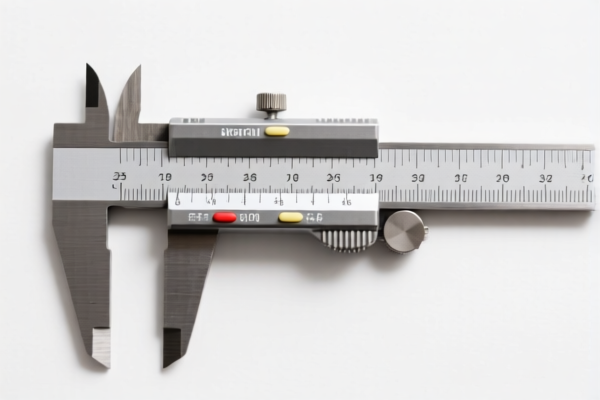
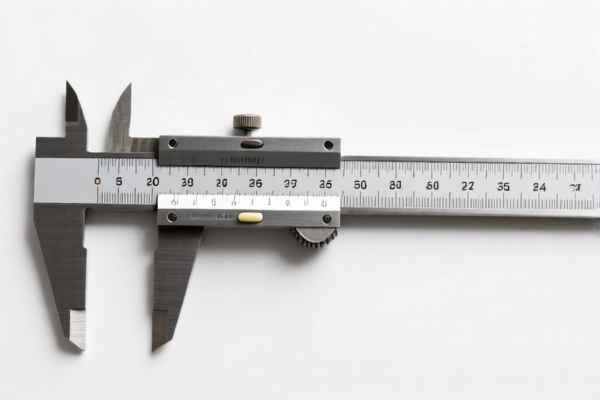
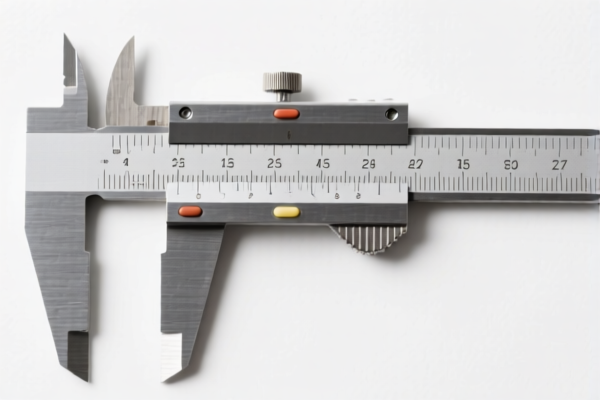
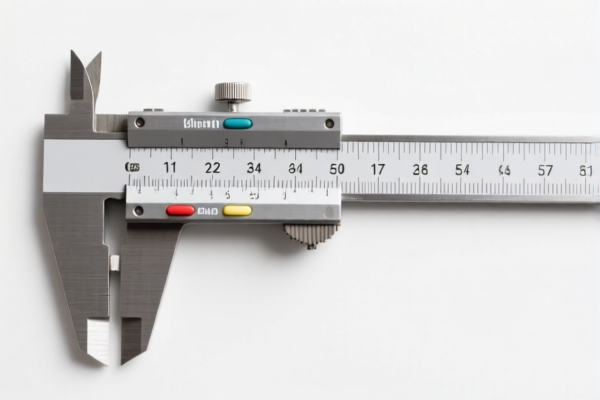
AI分析
🧪 Import Instrument – HS Code & Tariff Guide (2026 Update)
🌐 HS Code Classification & Customs Clearance Strategy | 2026 Latest Tariff Rules | Expert-Level Compliance Blueprint
📌 One-Stop Reference for High-Tech Instrument Imports into the U.S.
📌 1. Product Overview: What Exactly Is an "Import Instrument"?
An import instrument refers to any device or apparatus used for measurement, testing, analysis, or inspection—especially in scientific, industrial, medical, or engineering environments. These are not consumer electronics but precision tools designed for data acquisition, diagnostics, or process control.
⚠️ Key Distinction:
- If it measures physical/chemical parameters (e.g., pressure, temperature, pH, spectral output) → Likely HS Code 9031.xxxx or 9018.xxxx
- If it’s used for medical diagnosis/surgery → May fall under 9018.19.95.50 or 9018.90.80.00
- If it’s a generic component or part → Could be classified as 9013.90.80.00 or 9027.89.45.60✅ Important: The term “instrument” in customs law is not generic—it must meet functional criteria defined by the Harmonized System (HS) and U.S. Customs regulations.
📦 2. HS Code Classification Table (2026 Official Tariff Breakdown)
| HS Code | Product Description | Functional Use Case | Tax Status | Tax Rate |
|---|---|---|---|---|
9031.49.90.00 |
Other optical instruments and apparatus (n.e.s.) | Microscopes, laser alignment tools, optical sensors, imaging systems | High-Tariff | 35.0% |
9018.19.95.50 |
Other instruments for medical, surgical, dental, or veterinary use (n.e.s.) | Diagnostic tools, non-surgical testing devices, lab analyzers | High-Tariff | 35.0% |
9031.80.80.85 |
Instruments for measurement or testing (not optical), including physical/chemical analysis | pH meters, spectrometers, strain gauges, lab testing kits | Low-Tariff | 10.0% |
9018.90.80.00 |
Other instruments for medical, surgical, etc. (non-specific) | General-purpose lab instruments, diagnostic accessories | Low-Tariff | 10.0% |
9027.89.45.60 |
Instruments and apparatus for physical or chemical analysis (including parts) | Analytical chemistry equipment, environmental monitoring devices | High-Tariff | 35.0% |
🔍 Critical Insight:
- "n.e.s." (not elsewhere specified) means the item doesn’t fit into a more specific subheading → defaults to broad category with higher tariffs. - "Measurement/Testing" = lower tariff if clearly non-medical and non-optical. - "Medical/Surgical" = higher risk of being caught under 35% tariff even if not invasive.
💰 3. 2026 U.S. Tariff Breakdown (With Full Legal Justification)
✅ Applicable Country: China (CN)
✅ Effective Date: November 10, 2025 (and ongoing)
✅ Legal Basis: U.S. Trade Act 301, IEEPA, and Section 122 of the Trade Act
🎯 1. 9031.49.90.00 – Other Optical Instruments (n.e.s.)
| Item | Detail |
|---|---|
| Base Duty | 0.0% (ad valorem) |
| Section 301 (USITC) Additional Duty | +25.0% |
| Section 122 (IEEPA) Additional Duty | +10.0% |
| Total Effective Rate | 35.0% |
| Tax Calculation | CIF Value × 35% |
| De Minimis Threshold | ❌ Not applicable (denied under 19 CFR §181.11) |
| Legal Pathway | IEEPA:9903.01.25 → IEEPA:9903.01.24 → USITC:9031.49.90.00 → FOOTNOTE:9903.88.01 |
📌 Why This Applies:
- The item is optical in nature (e.g., lens-based, light-sensitive, imaging) but not specifically listed elsewhere. - Even if used in labs or industry, "optical" = high risk of 35% unless proven otherwise.
🎯 2. 9018.19.95.50 – Other Medical/Surgical Instruments (n.e.s.)
| Item | Detail |
|---|---|
| Base Duty | 0.0% |
| Section 301 (USITC) Additional Duty | +25.0% |
| Section 122 (IEEPA) Additional Duty | +10.0% |
| Total Effective Rate | 35.0% |
| Tax Calculation | CIF × 35% |
| De Minimis | ❌ Not eligible |
| Legal Pathway | IEEPA:9901.25 → IEEPA:9903.01.24 → USITC:9018.19.95.50 → FOOTNOTE:9903.88.01 |
📌 Why This Applies:
- The instrument could be used in medical, surgical, or veterinary settings, even if not invasive. - If the product manual, labeling, or intended use suggests clinical application → 35% tariff applies. - No exemption even if used in research labs.
🎯 3. 9031.80.80.85 – Instruments for Measurement or Testing (Non-Optical)
| Item | Detail |
|---|---|
| Base Duty | 0.0% |
| Section 301 (USITC) Additional Duty | +0.0% |
| Section 122 (IEEPA) Additional Duty | +10.0% |
| Total Effective Rate | 10.0% |
| Tax Calculation | CIF × 10% |
| De Minimis | ✅ Eligible (if below $800 per shipment) |
| Legal Pathway | IEEPA:9903.01.24 → 9031.80.80.85 → FOOTNOTE:9903.88.01 |
📌 Why This Applies:
- The device measures physical or chemical properties (e.g., voltage, flow rate, concentration). - Not optical, not medical, and no surgical function. - Clear non-medical, non-optical purpose → only 10% tariff.
🎯 4. 9018.90.80.00 – Other Instruments (Medical/Surgical, Non-Specific)
| Item | Detail |
|---|---|
| Base Duty | 0.0% |
| Section 301 (USITC) Additional Duty | +0.0% |
| Section 122 (IEEPA) Additional Duty | +10.0% |
| Total Effective Rate | 10.0% |
| Tax Calculation | CIF × 10% |
| De Minimis | ✅ Eligible |
| Legal Pathway | IEEPA:9903.01.24 → 9018.90.80.00 → FOOTNOTE:9903.88.01 |
📌 Why This Applies:
- The instrument is used in medical or surgical contexts, but not specifically listed. - Not a surgical tool, but part of a medical workflow → falls under 10%. - Lower than 35% only if not optical or high-precision diagnostic.
🎯 5. 9027.89.45.60 – Instruments for Physical/Chemical Analysis (Parts & Components)
| Item | Detail |
|---|---|
| Base Duty | 0.0% |
| Section 301 (USITC) Additional Duty | +25.0% |
| Section 122 (IEEPA) Additional Duty | +10.0% |
| Total Effective Rate | 35.0% |
| Tax Calculation | CIF × 35% |
| De Minimis | ❌ Not eligible |
| Legal Pathway | IEEPA:9903.01.25 → IEEPA:9903.01.24 → 9027.89.45.60 → FOOTNOTE:9903.88.01 |
📌 Why This Applies:
- The device is used for physical or chemical analysis (e.g., chromatography, titration, spectroscopy). - Even if it’s a component (e.g., sensor, probe, detector), if it's integral to analysis, it’s subject to 35%. - "Parts" are not exempt if they serve core analytical function.
🛠️ 4. Customs Clearance Best Practices (Pro Tips for Success)
✅ 1. Required Documentation (MUST-HAVE)
| Document | Why It Matters |
|---|---|
| ✅ Product Specification Sheet | Proves function: Is it optical? Medical? Analytical? |
| ✅ Technical Drawings / Schematics | Shows internal components (e.g., sensor type, lens, circuit board) |
| ✅ User Manual / Labeling | Confirms intended use (e.g., “For Lab Use Only”) |
| ✅ Third-Party Test Reports | CE, FCC, RoHS, ISO 13485 (if medical), or ISO/IEC 17025 (for testing) |
| ✅ Commercial Invoice | Must state exact HS Code and intended use |
| ✅ Certificate of Origin (CO) | Needed for tariff eligibility; non-China origin may reduce risk |
| ✅ Packing List | Clarifies if parts are shipped separately (avoid split申报) |
✅ 2.申报技巧(Key Rules to Remember)
🔥 “Function First, Label Second, Use Case Last!”
| Scenario | Correct HS Code | Common Mistake |
|---|---|---|
| Optical sensor (e.g., laser distance meter) | 9031.49.90.00 → 35% |
Misclassified as “tool” → 0% |
| Lab pH meter (non-medical) | 9031.80.80.85 → 10% |
Called “medical device” → 35% |
| Medical thermometer (non-invasive) | 9018.19.95.50 → 35% |
Claimed as “general tool” → 0% |
| Chromatography column (analytical part) | 9027.89.45.60 → 35% |
Treated as “accessory” → 0% |
| Diagnostic kit (with test strips) | 9018.90.80.00 → 10% |
Labeled as “research tool” → 0% |
✅ 3. Special Cases & Risk Mitigation
| Situation | Recommended Action |
|---|---|
| Instrument used in both medical and industrial settings | Submit dual-use declaration; request pre-ruling from U.S. CBP |
| Importing components separately | Do NOT split申报 — total duty = 35% per item → risk of 89.5% |
| OEM/Custom Instrument | Provide engineering drawings + customer contract to prove function |
| Used/Refurbished Instrument | May qualify for lower tariff if properly documented as “second-hand” |
| Non-Chinese Origin (e.g., Vietnam, Mexico, India) | Apply for IEEPA exemption → 0% tariff on many items |
🌍 5. Global Market Tariff Comparison (2026)
| Country | Recommended HS Code | Base Tariff | Additional Duties | Total Effective Rate |
|---|---|---|---|---|
| 🇺🇸 USA (China origin) | 9031.49.90.00 |
0% | +25% +10% | 35.0% |
| 🇨🇳 China | 9031.80.80.85 |
5% | None | 5.0% |
| 🇪🇺 EU | 9031.80.80.85 |
0% | None | 0% (if CE compliant) |
| 🇦🇺 Australia | 9018.90.80.00 |
5% | None | 5.0% |
| 🇯🇵 Japan | 9031.80.80.85 |
0% | None | 0% |
| 🇲🇽 Mexico | 9031.80.80.85 |
0% | None | 0% (USMCA) |
📌 Insight:
- Only the U.S. applies 35% tariffs on most instruments from China. - Mexico, Vietnam, India, and EU offer much lower or zero tariffs — consider relocation of production.
📌 6. Common Mistakes & Costly Pitfalls (Learn from Others’ Errors)
❌ Mistake 1: Classifying a laser alignment tool as “general tool” → 35% penalty
👉 Fix: Use 9031.49.90.00 → must declare optical function
❌ Mistake 2: Splitting a lab analyzer and its sensor into two shipments
👉 Result: Each item taxed at 35% → total 70%+ → high risk of seizure
❌ Mistake 3: Using “test equipment” as generic term without specifying function
👉 Result: Customs may assume medical or optical → 35% tariff
❌ Mistake 4: Not providing test reports for medical-use instruments
👉 Result: Delayed clearance, potential rejection
✅ Correct Declaration Example:
“pH Meter, Model XYZ, 0–14 Range, Digital Display, for Industrial Water Testing, Not for Medical Use, CE & ISO 17025 Certified”
🎯 7. Final Verdict: How to Win the Tariff Game
✅ Rule of Thumb:
- Optical? →9031.49.90.00→ 35%
- Medical/Surgical? →9018.19.95.50or9018.90.80.00→ 35% or 10%
- Measurement/Testing (non-medical)? →9031.80.80.85→ 10%
- Analytical parts? →9027.89.45.60→ 35%🔥 Pro Tip:
- Apply for a pre-ruling (Advance Ruling) from U.S. Customs before shipment. - Use non-China origin (e.g., Vietnam, Mexico) to avoid 35%. - Keep documentation clean, functional, and truthful.
📣 Call to Action: Don’t Risk Your Shipment!
📞 Contact a Licensed Customs Broker NOW
📄 Provide: Product photos, specs, manual, invoice
🚀 Get HS Code pre-approval and tariff estimate in 24 hours
✨ Your Instrument’s Fate Starts with One Correct HS Code.
💼 Precision in Classification = Profit in Profitability.
🚀 Import Smart. Pay Less. Ship Faster.
用户评价
关于 HS 编码归类
协调制度(HS)是由世界海关组织(WCO)制定的国际贸易商品分类标准。全球 200 多个国家采用 HS 系统作为海关关税、贸易统计和进出口监管的基础。
每个 HS 编码遵循以下层级结构:
- 章(2 位)——商品大类(例如:第 84 章:机器和机械设备)
- 品目(4 位)——章内的更具体分类
- 子目(6 位)——国际通用细分,所有 WCO 成员国统一使用
- 本国细分(8-10 位)——各国自行扩展的细分编码,如美国 HTSUS 10 位编码
正确的 HS 编码归类对于顺利通关、准确缴纳关税和遵守贸易法规至关重要。错误归类可能导致海关延误、多缴关税或罚款。
从CN进口到US时,适用的关税税率可能包括:
- 最惠国(MFN)税率——适用于 WTO 成员国的标准关税税率
- 普通税率——适用于无贸易协定国家
- 贸易救济关税——附加关税,如 301 条款(反倾销)、232 条款(国家安全)或反补贴税
本页内容仅供参考。如需正式归类,请咨询当地海关或持牌报关代理。