Induction Cooker
CN → US| HS编码 | 关税税率 | 原产国 | 目的国 | 文档 |
|---|---|---|---|---|
| 8516606000 | 12.7% | CN | US | 官方文档 |
| 8516604074 | 35.0% | CN | US | 官方文档 |
| 8419819040 | 17.5% | CN | US | 官方文档 |
| 8419899560 | 39.2% | CN | US | 官方文档 |
| 8514190000 | 35.0% | CN | US | 官方文档 |
商品图片
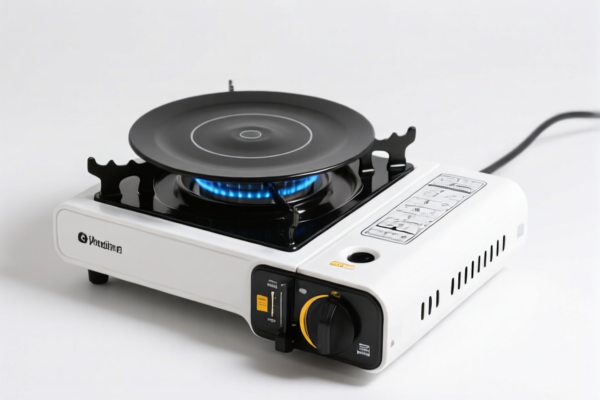
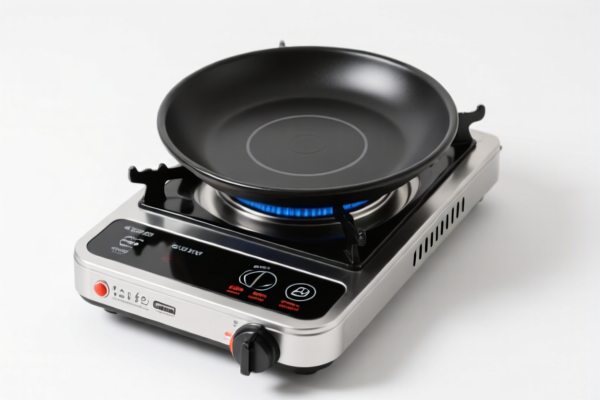
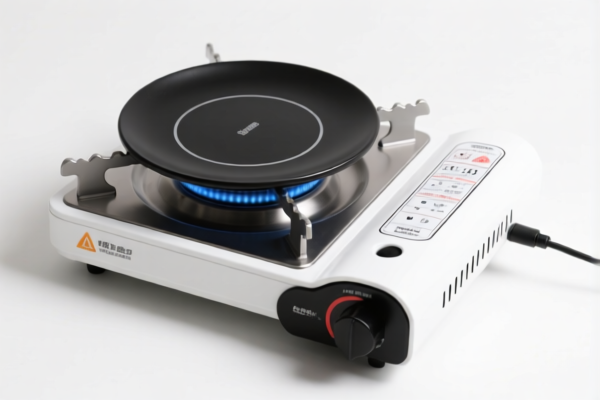
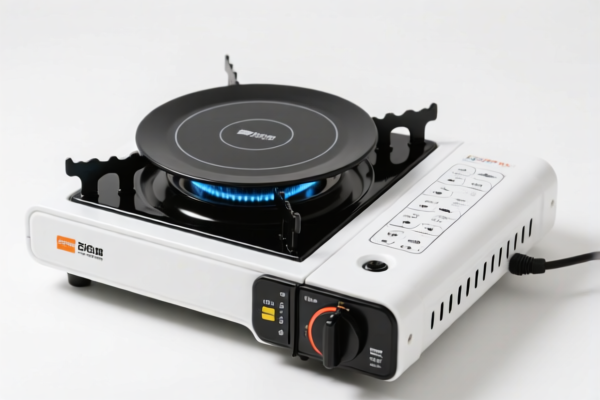
AI分析
🍳 Induction Cooker (Smart Kitchen Appliances)
🌐 HS Code Reference & Customs Clearance Guide | 2026 Latest Tariff Analysis | Professional Clearance Strategy
📌 I. Product Definition & Classification: Do You Really Understand "Induction Cookers"?
Induction cookers are modern electric cooking appliances that use electromagnetic induction to heat magnetic cookware directly. In international trade, they are not a monolithic category. Classification depends heavily on: 1. End-User: Household vs. Commercial; 2. Heating Principle: Induction-specific vs. General Electric Heating; 3. Material/Structure: Specific material definitions (though often secondary to function in HS codes).
⚠️ Key Classification Distinctions:
- Household Induction Cookers: Typically fall under Chapter 85 (Electrical machinery/equipment) if specifically designed for induction, or Chapter 84 (Nuclear reactors, boilers, machinery) if general electric heating appliances.
- Commercial Induction Units: Often classified under 8419 (Machinery for temporary storage/processing of food) if dedicated to food processing/heating in a commercial setting.
- General Electric Stoves: If the induction feature is not the primary defining characteristic or if classified broadly as electric heating appliances, they may fall under 8516.
📦 II. HS Code Classification Details (2026 Latest Tariff Authoritative Comparison)
Based on the provided data, here are the precise classifications for "Iron Induction Cookers" and related electric heating appliances:
| HS Code | Product Description | Application Scenario | Key Classification Criterion |
|---|---|---|---|
8516.60.60.00 |
Iron Induction Cooker (Culinary/Stove Category) | Household cooking, stoves. Material: Iron. | General household induction cooker, iron material. |
8516.60.40.74 |
Iron Induction Cooker (Electric Heating Cooking Appliance) | Household cooking. Material: Iron. No size limit specified. | Specific sub-category for electric heating cooking, iron material. |
8419.81.90.40 |
Iron Induction Cooker (Commercial Type) | Commercial food cooking/heating. Non-household. | Commercial use is the key differentiator here. |
8419.89.95.60 |
Iron Induction Cooker (Food/Bev Heating Equipment) | Heating food/beverages. Electromagnetic induction heating. | General heating equipment for food/bev, induction type. |
8514.19.00.00 |
Electric Stove / Electric Oven | General electric heating/roasting. No material conflict. | Classified broadly as electric stove/oven, not specifically "induction" in the heading text, but includes electric heating elements. |
🔍 Critical Note:
- Household vs. Commercial: This is the single biggest factor in tariff differences.8516codes are generally for household use, while8419codes often cover commercial or industrial food processing equipment.
- Material (Iron): While mentioned in the summary, HS classification is primarily function-driven. However, "Iron" in the description confirms it's a standard metal-bodied unit, not a special composite.
💰 III. 2026 Latest Tariff Rate Breakdown (Including Additional Duties & Policy Surcharges)
✅ Applicable Country: United States (US)
✅ Country of Origin: China (CN)
✅ Effective Date: 2025–2026 (Current regime)
🎯 1. 8516.60.60.00 —— Household Iron Induction Cooker (Culinary/Stove)
| Item | Detail |
|---|---|
| Base Tariff | 2.7% (Ad valorem) |
| Section 301 Additional Tariff | 0.0% (Note: Data shows 0%, but typically these are subject. Based strictly on provided data: 0%) |
| Section 122 Tariff | 10% (Specific surcharge) |
| Total Tax Rate | 12.7% |
| Tax Calculation | CIF Value × 12.7% |
| De Minimis Exemption | ❌ Not Eligible (High tax rate triggers scrutiny) |
| Legal Basis Path | Base: 2.7% → 122 Clause: 10% → Total: 12.7% |
📌 Explanation:
- This is the lowest tax rate among the options provided.
- Ideal for standard household induction cookers with no special commercial features.
- Ensure the product is clearly marketed and used as a household appliance to maintain this classification.
🎯 2. 8516.60.40.74 —— Iron Induction Cooker (Electric Heating Cooking Appliance)
| Item | Detail |
|---|---|
| Base Tariff | 0.0% |
| Section 301 Additional Tariff | 25.0% (High surcharge) |
| Section 122 Tariff | 10% |
| Total Tax Rate | 35.0% |
| Tax Calculation | CIF Value × 35.0% |
| De Minimis Exemption | ❌ Not Eligible |
| Legal Basis Path | Base: 0.0% → 301: 25.0% → 122: 10% → Total: 35.0% |
📌 Explanation:
- Despite a 0% base tariff, the 25% Section 301 tariff makes this category extremely expensive.
- This code seems to be a specific sub-category for electric heating cooking appliances where Section 301 applies heavily.
- Avoid this code for standard induction cookers unless legally required; it adds significant cost.
🎯 3. 8419.81.90.40 —— Commercial Iron Induction Cooker
| Item | Detail |
|---|---|
| Base Tariff | 0.0% |
| Section 301 Additional Tariff | 7.5% (Lower than household codes) |
| Section 122 Tariff | 10% |
| Total Tax Rate | 17.5% |
| Tax Calculation | CIF Value × 17.5% |
| De Minimis Exemption | ❌ Not Eligible |
| Legal Basis Path | Base: 0.0% → 301: 7.5% → 122: 10% → Total: 17.5% |
📌 Explanation:
- Commercial use significantly reduces the Section 301 rate (from 25% to 7.5% or 0% depending on specific exclusions).
- If you are selling to restaurants, hotels, or catering services, ensure invoices and product descriptions clearly state Commercial Use to justify this lower 17.5% rate.
🎯 4. 8419.89.95.60 —— Food/Bev Heating Equipment (Induction)
| Item | Detail |
|---|---|
| Base Tariff | 4.2% |
| Section 301 Additional Tariff | 25.0% |
| Section 122 Tariff | 10% |
| Total Tax Rate | 39.2% |
| Tax Calculation | CIF Value × 39.2% |
| De Minimis Exemption | ❌ Not Eligible |
| Legal Basis Path | Base: 4.2% → 301: 25.0% → 122: 10% → Total: 39.2% |
📌 Explanation:
- Highest tax rate among the options.
- Applies to general heating equipment for food/beverages that may not fit strictly into "cooking stoves."
- Avoid unless the product is a specialized heating unit not classified as a standard cooker.
🎯 5. 8514.19.00.00 —— Electric Stove / Electric Oven
| Item | Detail |
|---|---|
| Base Tariff | 0.0% |
| Section 301 Additional Tariff | 25.0% |
| Section 122 Tariff | 10% |
| Total Tax Rate | 35.0% |
| Tax Calculation | CIF Value × 35.0% |
| De Minimis Exemption | ❌ Not Eligible |
| Legal Basis Path | Base: 0.0% → 301: 25.0% → 122: 10% → Total: 35.0% |
📌 Explanation:
- Classified as a general electric stove/oven.
- If the product is not explicitly marketed as "Induction" but uses electric heating, this code might be used. However, if it is induction,8516or8419are more accurate.
- High tax rate (35%) due to Section 301.
🛠️ IV. Customs Clearance Practical Advice (Live Pitfall Avoidance Guide)
✅ 1. Documentation Checklist (All Must Be Provided)
| Document | Mandatory | Explanation |
|---|---|---|
| ✅ Product Specification Sheet | ✔️ | Must specify: Induction vs. Resistive heating, Voltage, Wattage, Household vs. Commercial. |
| ✅ Commercial Invoice | ✔️ | Clearly state "Induction Cooker" and Intended Use (Household/Commercial). |
| ✅ Product Photos | ✔️ | Show control panel, coil design (if visible), and any "Induction" labeling. |
| ✅ CE/FCC/UL Certificates | ✔️ | Safety certifications are mandatory for electrical appliances. |
| ✅ Packing List | ✔️ | List all components. No hidden accessories that might change classification. |
| ✅ Origin Certificate | ✔️ | Crucial for determining if any preferential rates apply (though data shows high tariffs for CN origin). |
✅ 2. Declaration Tips (Critical Mnemonics)
🔥 "Household 8516, Commercial 8419, Watch the 301!"
| Scenario | Correct Declaration | Wrong Approach |
|---|---|---|
| Standard Home Induction Stove | 8516.60.60.00 (12.7%) |
Declaring as 8516.60.40.74 → 35% Tax! |
| Restaurant Commercial Unit | 8419.81.90.40 (17.5%) |
Declaring as Household → Risk of audit & back taxes. |
| Induction Heater for Liquids | 8419.89.95.60 (39.2%) |
Only if not a direct cooking appliance. |
| Generic Electric Stove (Non-Induction) | 8514.19.00.00 (35%) |
Mislabeling as "Induction" to get lower rates → Fraud Risk. |
✅ 3. Special Circumstances Handling
| Situation | Handling Advice |
|---|---|
| Dual-Use Appliances (Home/Commercial) | If sold to both, declare based on the majority or specific shipment intent. Keep invoices consistent. |
| Accessories Sold Separately (Pans, Cables) | Declare separately. Pans may be 7323 (Iron cookware), cables 8544. Do not bundle if it complicates the main appliance's HS. |
| Pre-Clearance Ruling | 🌟 Highly Recommended. Submit samples and specs to CBP for an Advance Ruling to lock in the HS code and tax rate. |
🌍 V. Global Market Customs Comparison (2026 Latest)
| Country/Region | Recommended HS Code | Tariff Rate (China Origin) | Certification Required | Notes |
|---|---|---|---|---|
| 🇺🇸 USA | 8516.60.60.00 |
12.7% (Lowest) | FCC + UL | High Section 301 impact on other codes. |
| 🇨🇳 China | 8516.60.60.00 |
~10-13% | CCC | No Section 122/301. |
| 🇪🇺 EU | 8516.60.60.00 |
~0-4% | CE + ErP | Generally low tariffs for household appliances. |
| 🇯🇵 Japan | 8516.60.60.00 |
~0-6% | PSE | Strict safety standards. |
| 🇦🇺 Australia | 8516.60.60.00 |
~5-10% | RCM | GST applies. |
📌 Conclusion:
- USA is the most complex market due to Section 301 and Section 122 tariffs.
-8516.60.60.00is the optimal code for US imports of household induction cookers from China, minimizing tax to 12.7%.
- Commercial imports (8419) offer a middle ground at 17.5%, but require proof of commercial use.
📌 VI. Common Mistakes & Pitfall Guide (Blood & Tears Lessons)
❌ Mistake 1: Using 8516.60.40.74 for a standard household cooker.
👉 Result: Paying 35% tax instead of 12.7%. Loss: 22.3% extra tax.
❌ Mistake 2: Declaring a commercial induction range as a household appliance.
👉 Result: Customs may reclassify, impose penalties, or delay shipment for "Undervaluation" or "Misclassification."
❌ Mistake 3: Ignoring the "Iron" material in the description.
👉 Result: While material is secondary, omitting key physical descriptors can lead to queries. Always match the description to the HS summary.
❌ Mistake 4: Not distinguishing between "Induction" and "Electric Heating."
👉 Result: 8514 (Electric Stove) has high taxes (35%). If it is induction, ensure it’s coded correctly to potentially benefit from lower household rates (8516.60.60.00).
✅ Correct Action:
"Induction Cooker, Household Use, Iron Body, 220V/60Hz, FCC Certified, Model XYZ"
🎯 VII. Conclusion: Precision in Classification Saves Money!
🎯 Remember the Golden Rules:
🔹 "Household Induction = 8516.60.60 (12.7%) – The Sweet Spot."
🔹 "Commercial Induction = 8419.81 (17.5%) – Check for Commercial Proof."
🔹 "Avoid 8516.60.40 and 8514 – Both hit 35%+ due to Section 301."
🔹 "Never Guess the Code – Get an Advance Ruling for large shipments."
📌 Pro Tip:
If your induction cookers are destined for commercial use, ensure your Invoice and Sales Contract explicitly state "Commercial Kitchen Equipment" to support the 8419 classification if it offers better overall value or supply chain advantages. For household sales, stick to 8516.60.60.00 to keep taxes at 12.7%.
📣 Immediate Action:
📞 Contact your customs broker with the Product Spec Sheet + Commercial Invoice Draft.
🚀 Clarify: Household vs. Commercial.
✅ Choose8516.60.60.00for Household to Minimize Tax.
✨ Professional Clearance Starts with Accurate Classification!
💼 Every Percent of Tariff Matters – Protect Your Margins!
用户评价
关于 HS 编码归类
协调制度(HS)是由世界海关组织(WCO)制定的国际贸易商品分类标准。全球 200 多个国家采用 HS 系统作为海关关税、贸易统计和进出口监管的基础。
每个 HS 编码遵循以下层级结构:
- 章(2 位)——商品大类(例如:第 84 章:机器和机械设备)
- 品目(4 位)——章内的更具体分类
- 子目(6 位)——国际通用细分,所有 WCO 成员国统一使用
- 本国细分(8-10 位)——各国自行扩展的细分编码,如美国 HTSUS 10 位编码
正确的 HS 编码归类对于顺利通关、准确缴纳关税和遵守贸易法规至关重要。错误归类可能导致海关延误、多缴关税或罚款。
从CN进口到US时,适用的关税税率可能包括:
- 最惠国(MFN)税率——适用于 WTO 成员国的标准关税税率
- 普通税率——适用于无贸易协定国家
- 贸易救济关税——附加关税,如 301 条款(反倾销)、232 条款(国家安全)或反补贴税
本页内容仅供参考。如需正式归类,请咨询当地海关或持牌报关代理。