Industrial 35mm Film
CN → US| HS编码 | 关税税率 | 原产国 | 目的国 | 文档 |
|---|---|---|---|---|
| 3702540030 | 38.7% | CN | US | 官方文档 |
| 3702530030 | 38.7% | CN | US | 官方文档 |
| 3706106060 | 35.0% | CN | US | 官方文档 |
| 3706106030 | 35.0% | CN | US | 官方文档 |
| 3920991000 | 41.0% | CN | US | 官方文档 |
| 3920992000 | 39.2% | CN | US | 官方文档 |
商品图片

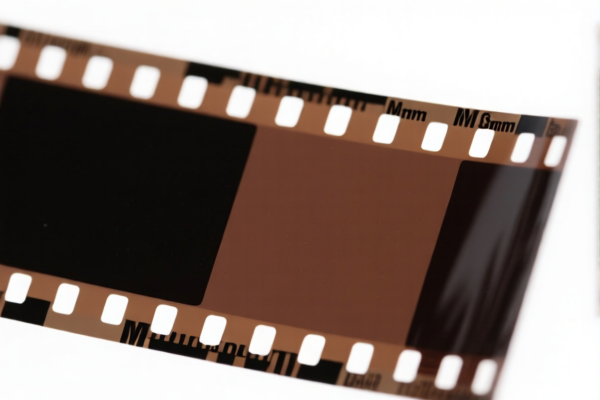

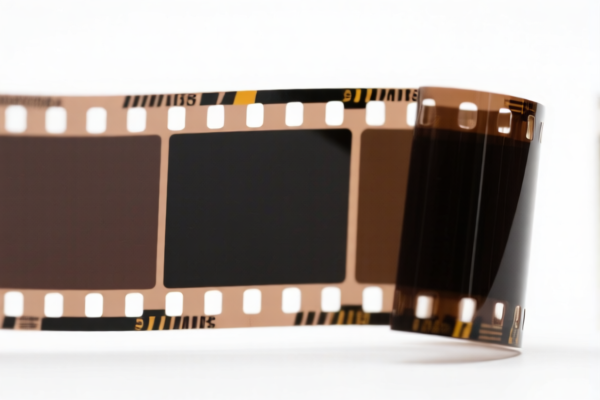
AI分析
🎞️ Industrial 35mm Film (35mm Industrial Film & Plastics)
🌐 HS Code Reference & Customs Clearance Guide | 2026 Latest Tariff Analysis | Professional-Level Clearance Strategy
📌 I. Product Definition & Classification: What Exactly Is "Industrial 35mm Film"?
"Industrial 35mm Film" is a broad term in international trade that typically encompasses three distinct categories of goods: Sensitized Photography Materials (light-sensitive film), Exposed Cinematic Film (post-processing), and Plastic Substrates/Films (non-sensitized plastic sheets).
In international trade, these are strictly distinguished by their chemical composition, physical state (sensitized vs. unsensitized), and end-use:
1. Sensitized Photographic Materials (35mm):
Raw, unexposed film coated with light-sensitive emulsion. Used for industrial inspection, X-ray, or scientific purposes.
⚠️ Key Distinction: Must be "sensitized" to qualify for HS Chapters 3702.
2. Exposed Cinematic Film (35mm):
Already developed and processed film used for movies or archival purposes.
⚠️ Key Distinction: Must be "exposed and developed" to qualify for HS Chapter 3706.
3. Plastic Films/Sheets (35mm):
Non-photochemical plastic materials, such as polyester or polymer sheets, used for packaging, insulation, or mechanical applications.
⚠️ Key Distinction: Must be non-sensitized and made of plastic polymers to qualify for HS Chapter 3920.
📦 II. HS Code Classification Details (2026 Latest Tariff Authority Comparison)
Based on the provided dataset, here are the precise classifications for "Industrial 35mm Film" variants:
| HS Code | Product Description (Summary) | Key Characteristics | Material/State |
|---|---|---|---|
3702.54.00.30 |
35mm Industrial Roll Film | Matches sensitized material; Non-slide application | Sensitized, Non-sensitized Slide |
3702.53.00.30 |
35mm Industrial Color Film | Matches sensitized material; Industrial Use | Sensitized, Color Emulsion |
3706.10.60.60 |
35mm Cinematic Film | Already exposed and developed | Exposed/Developed |
3706.10.60.30 |
35mm Cinematic Film | Width 35mm or wider; Cinematic format | Exposed/Developed |
3920.99.10.00 |
35mm Industrial Plastic Film | Plastic Material; No cellular structure | Non-sensitized Plastic |
3920.99.20.00 |
35mm Industrial Plastic Film | Polymer Material; Flexible film form | Non-sensitized Plastic |
🔍 Critical Reminder:
- If the product is light-sensitive, it MUST go to 3702 or 3706. Misdeclaring as plastic (3920) is a high-risk violation. - If the product is exposed/developed, it MUST go to 3706. You cannot claim it is raw material. - If the product is just plastic (no emulsion), it goes to 3920. However, tariffs differ significantly!
💰 III. 2026 Latest Tariff Rate Breakdown (Including Surtaxes & Policy Add-ons)
✅ Applicable Country: United States (US)
✅ Origin: China (CN)
✅ Effective Time: Current regulations apply (Section 301 + 122 Clause)
🎯 1. 3702.54.00.30 & 3702.53.00.30 —— Industrial Sensitized Film (Color & Non-Slide)
These are raw, sensitized photographic materials.
| Item | Content |
|---|---|
| Base Tariff | 3.7% (Ad Valorem) |
| Section 301 Surtax | +25.0% (USITC Footnote 9903.88.01) |
| Section 122 Clause | +10.0% (Specific 122 Clause Add-on) |
| Total Tariff Rate | 38.7% |
| Tax Calculation | CIF Value × 38.7% |
| De Minimis Eligibility | ❌ No (High tax rate excludes 8000/800 threshold benefits in many contexts, verify with broker) |
| Legal Authority Path | USITC:3702.54.00.30 → Footnote:301-Section301 → Footnote:122-Clause |
📌 Explanation:
- 3.7% Base: Standard Most Favored Nation (MFN) rate for photographic paper/film. - 25% Section 301: Tariffs imposed on Chinese goods under trade war measures. - 10% Clause 122: Additional surtax applied to specific categories of goods from China. - Total 38.7%: This is a very high duty rate. Costing models must account for this.
🎯 2. 3706.10.60.60 & 3706.10.60.30 —— Exposed 35mm Cinematic Film
These are already processed films.
| Item | Content |
|---|---|
| Base Tariff | 0.0% (Ad Valorem) |
| Section 301 Surtax | +25.0% |
| Section 122 Clause | +10.0% |
| Total Tariff Rate | 35.0% |
| Tax Calculation | CIF Value × 35.0% |
| De Minimis Eligibility | ❌ No |
| Legal Authority Path | USITC:3706.10.60.XX → Footnote:301-Section301 → Footnote:122-Clause |
📌 Explanation:
- 0% Base: Exposed film often has a lower base duty (often 0% or very low) because it is considered a finished good or specific media. - However, the 25% + 10% surcharges still apply. - Total 35.0%: Slightly cheaper than raw sensitized film (38.7%), but still substantial.
🎯 3. 3920.99.10.00 & 3920.99.20.00 —— Industrial Plastic Films (Non-Photo)
These are pure plastic materials (polyester, PVC, etc.) used industrially.
| Item | Content |
|---|---|
| Base Tariff | 6.0% (3920.99.10.00) / 4.2% (3920.99.20.00) |
| Section 301 Surtax | +25.0% |
| Section 122 Clause | +10.0% |
| Total Tariff Rate | 41.0% (10) / 39.2% (20) |
| Tax Calculation | CIF Value × Rate |
| De Minimis Eligibility | ❌ No |
| Legal Authority Path | USITC:3920.99.XX.XX → Footnote:301-Section301 → Footnote:122-Clause |
📌 Explanation:
- 6.0% / 4.2% Base: Higher base rates than exposed film, reflecting raw plastic imports. - 25% + 10% Surcharges: Still fully applicable. - Total 41.0% / 39.2%: These are the highest rates in the dataset. Misclassifying sensitive film as plastic (3920) to avoid "photo" regulations is risky, but even if correct, the tax burden is heavier than3706.
🛠️ IV. Customs Clearance Practical Advice (Pitfall Avoidance Guide)
✅ 1. Preparation Checklist (Missing Any = Delay)
| Document | Required? | Explanation |
|---|---|---|
| ✅ Product Specification Sheet | ✔️ | Must clearly state: Sensitized? Exposed? Plastic? Dimensions (35mm). |
| ✅ Composition Analysis | ✔️ | For 3920 claims: Prove it is only plastic polymer, no silver halides/emulsion. |
| ✅ Photos of Product | ✔️ | Show roll structure, packaging, and any "Exposed/Developed" markings. |
| ✅ Commercial Invoice | ✔️ | Must use precise description: "35mm Sensitized Industrial Film, Color" vs "35mm PET Plastic Sheet". |
| ✅ Certificate of Origin (CO) | ✔️ | To confirm Chinese origin for Surtax calculation. |
| ✅ Usage Declaration | ✔️ | Industrial? Cinematic? Medical? Misuse can trigger reclassification. |
✅ 2. Classification Strategy (Key Rules)
🔥 “Sensitive to 3702, Exposed to 3706, Pure Plastic to 3920! Wrong Code = High Tax!”
| Scenario | Correct HS Code | Wrong Code Consequence |
|---|---|---|
| Raw 35mm Film (Color) | 3702.53.00.30 |
If declared as Plastic (3920) → Smuggling Risk + Audit |
| Raw 35mm Film (Non-Slide) | 3702.54.00.30 |
If declared as Exposed (3706) → Underpayment + Penalty |
| Already Developed Movie Film | 3706.10.60.60 |
If declared as Raw (3702) → Overpayment (38.7% vs 35.0%) |
| Pure Plastic 35mm Sheet | 3920.99.10.00 |
If declared as Photo (3702) → Overpayment (41.0% vs 38.7%) |
📌 Crucial Note:
- Do not declare "Plastic Film" if it has a light-sensitive coating. Customs will test for silver/halides. - Do not declare "Exposed Film" if it is raw. The emulsion will be visible under inspection.
✅ 3. Special Cases
| Case | Handling Advice |
|---|---|
| OEM Custom Film | Provide client drawings + specs. Prove it is not a standard consumer product. |
| Mixed Packaging | If plastic sheets and sensitized film are packed together, declare separately. Do not lump into one HS Code. |
| Samples | Even small quantities of sensitized film are subject to the 38.7% tariff. No exemption for samples. |
| Used/Recycled Plastic | If the plastic film is recycled, check for additional environmental taxes or bans. |
🌍 V. Global Market Comparison (2026 Latest)
| Country/Region | Recommended HS Code | Tariff (CN Origin) | Certification | Notes |
|---|---|---|---|---|
| 🇺🇸 USA | 3702.53.00.30 / 3920.99.10.00 |
38.7% - 41.0% | None Specific | High Surtax (25%+10%) makes China-origin film expensive. |
| 🇨🇳 China | 3702.53.00.30 |
5-10% (Varies) | CCC (if applicable) | No Section 301/122 surcharges. |
| 🇪🇺 EU | 3702.53.00.30 |
0-6.5% | CE (if plastic) | No aggressive surcharges. Tariffs are moderate. |
| 🇦🇺 Australia | 3702.53.00.30 |
5% | TGA (if medical) | No Section 301. |
| 🇯🇵 Japan | 3702.53.00.30 |
0-3% | PSE (if electronic component) | Low base tariff. |
📌 Conclusion:
- USA is the most expensive market for Industrial 35mm Film from China due to the 25% + 10% surcharges. - Total Cost Impact: A $10,000 shipment faces $3,500 - $4,100 in duties alone. - Strategy: Consider supply chain diversification (e.g., Vietnam, India) if targeting the US market to avoid Section 301/122 tariffs.
📌 VI. Common Errors & Pitfalls (Blood & Tears Lessons)
❌ Error 1: Calling "Sensitized Film" "Plastic Film" (3920)
👉 Result: Customs lab test fails → Seizure + Fine + Rejection.
👉 Truth: Sensitized film is legally "Photochemical Material," not plastic.
❌ Error 2: Calling "Exposed Film" "Raw Film" (3702)
👉 Result: You pay 38.7% instead of 35.0%.
👉 Truth: Exposed film has a 0% base tariff. You lose 3.7% unnecessarily.
❌ Error 3: Ignoring the 122 Clause
👉 Result: Declaration missing the +10% component → Underpayment Penalty.
👉 Truth: The 122 Clause is a distinct, additive tax for many Chinese goods.
❌ Error 4: Mixed HS Codes in One Line Item
👉 Result: Customs delays inspection to separate items → Storage Fees + Demurrage.
👉 Truth: List each HS Code on a separate line in the Commercial Invoice.
✅ Correct Practice:
"35mm Color Sensitized Industrial Film, 35mm Width, Unexposed, Emulsion Type XYZ, Model ABC, Origin CN"
OR
"35mm Polyester Plastic Film, 35mm Width, Non-Sensitized, No Emulsion, Model DEF, Origin CN"
🎯 VII. Conclusion: Precision Classification Saves Money!
🎯 Remember the Mantra:
🔹 "Sensitive = 3702 (38.7%), Exposed = 3706 (35.0%), Plastic = 3920 (39.2-41.0%)."
🔹 "Check the Emulsion! Check the Exposure! Check the Plastic!"
🔹 "One Mistake in HS Code = Thousands of Dollars in Surtaxes!"
📌 Pro Tip:
If your film is plastic-based (3920), ensure the technical data sheet explicitly states "No Silver Halide" and "No Light-Sensitive Coating". This supports your classification and avoids costly reclassification audits.
📣 Immediate Action:
📞 Contact a Licensed Customs Broker + Provide Product Specs + Request HS Code Pre-Ruling for
3702vs3920.
🚀 Optimize Your Supply Chain: If exporting to the US, calculate the 38.7-41.0% impact. Consider Third-Country Origin strategies if volume is high.
✨ Professional Clearance Starts with Accurate Classification!
💼 Every Percent of Tariff Counts! Know Your Code, Save Your Profit!
用户评价
关于 HS 编码归类
协调制度(HS)是由世界海关组织(WCO)制定的国际贸易商品分类标准。全球 200 多个国家采用 HS 系统作为海关关税、贸易统计和进出口监管的基础。
每个 HS 编码遵循以下层级结构:
- 章(2 位)——商品大类(例如:第 84 章:机器和机械设备)
- 品目(4 位)——章内的更具体分类
- 子目(6 位)——国际通用细分,所有 WCO 成员国统一使用
- 本国细分(8-10 位)——各国自行扩展的细分编码,如美国 HTSUS 10 位编码
正确的 HS 编码归类对于顺利通关、准确缴纳关税和遵守贸易法规至关重要。错误归类可能导致海关延误、多缴关税或罚款。
从CN进口到US时,适用的关税税率可能包括:
- 最惠国(MFN)税率——适用于 WTO 成员国的标准关税税率
- 普通税率——适用于无贸易协定国家
- 贸易救济关税——附加关税,如 301 条款(反倾销)、232 条款(国家安全)或反补贴税
本页内容仅供参考。如需正式归类,请咨询当地海关或持牌报关代理。