Industrial Fabric
CN → US| HS编码 | 关税税率 | 原产国 | 目的国 | 文档 |
|---|---|---|---|---|
| 5911900080 | 38.8% | CN | US | 官方文档 |
| 5911102000 | 38.8% | CN | US | 官方文档 |
| 5903102090 | 35.0% | CN | US | 官方文档 |
| 5903902000 | 35.0% | CN | US | 官方文档 |
| 5906993000 | 38.3% | CN | US | 官方文档 |
| 5906913000 | 12.7% | CN | US | 官方文档 |
商品图片
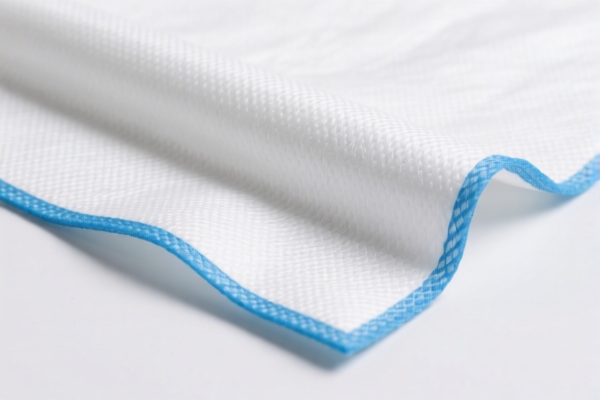
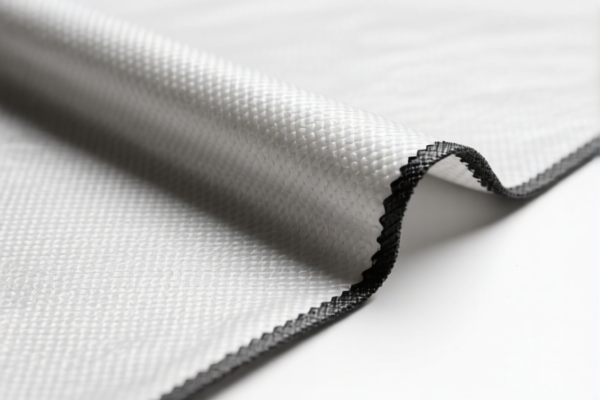
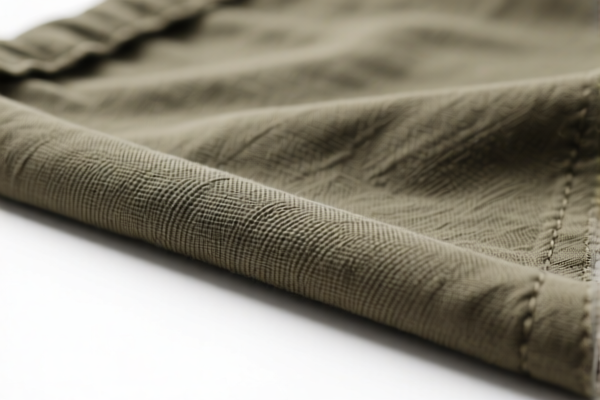
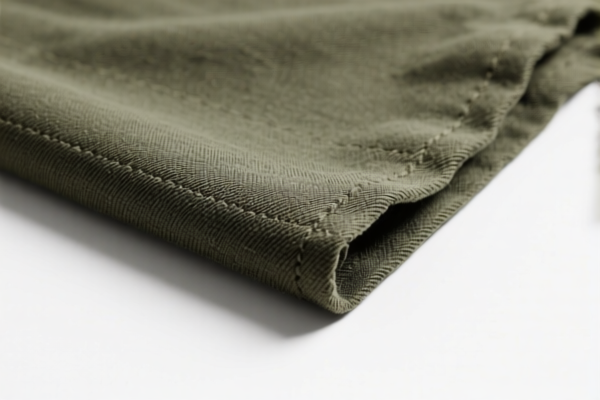
AI分析
🏭 Industrial Fabric (Rubberized & Plastic-Coated Textile Fabrics for Technical Uses)
🌐 HS Code Reference & Customs Clearance Guide | 2026 Updated Tariff Analysis | Expert Import Strategy
📌 One, Product Definition & Classification: What Exactly Is “Industrial Fabric”?
Industrial fabrics are high-performance textile materials engineered for technical, mechanical, and industrial applications, not for clothing or general consumer use. These include:
- Rubberized textile fabrics (coated or impregnated with rubber)
- Plastic-coated or laminated fabrics (especially with PVC or other polymers)
- Specialty fabrics used in machinery, conveyors, filters, insulation, and industrial card clothing
⚠️ Critical Distinction:
- If the fabric is used for technical purposes (e.g., conveyor belts, industrial filters, card clothing for textile machinery), it must be classified under Chapter 59, not general textiles.
- If it's not for technical use and is used in apparel or home goods → may fall under Chapter 52–55 (textiles), but this data set excludes those.
📦 Two, HS Code Classification Details (2026 Official Tariff Reference)
| HS Code | Product Description | Technical Use | Key Material | Weight Threshold |
|---|---|---|---|---|
5906.99.30.00 |
Rubberized textile fabrics (non-heading 5902), other than knitted/crocheted, not for technical use | ✅ Yes (e.g., industrial linings, protective covers) | Rubber | — |
5906.91.30.00 |
Rubberized textile fabrics, knitted or crocheted, other | ✅ Yes (e.g., flexible industrial hoses, gaskets) | Rubber | — |
5903.10.20.90 |
Plastic-coated fabrics (PVC), man-made fibers, over 70% rubber/plastic by weight | ✅ Yes (e.g., industrial conveyor belts, air ducts) | PVC + Man-made fibers | >70% rubber/plastic |
5903.90.20.00 |
Plastic-coated fabrics, other, man-made fibers, over 70% rubber/plastic | ✅ Yes (e.g., chemical-resistant linings, industrial membranes) | Other plastics | >70% rubber/plastic |
5911.90.00.80 |
Other textile products for technical uses (note 8) | ✅ Yes (e.g., industrial felt, technical pads, insulation layers) | Mixed | — |
5911.10.20.00 |
Coated/felt-lined fabrics used for card clothing, weaving spindles, or similar technical purposes | ✅ Yes (e.g., textile machinery parts) | Rubber/leather/laminated | — |
🔍 Key Rule:
All these items are excluded from general textile headings (e.g., 52–55) because they are specifically designated for technical use under Note 8 to Chapter 59.
💰 Three, 2026 Updated Tariff & Duty Breakdown (With Add-on Taxes)
✅ Applicable Country: United States (US)
✅ Origin: China (CN)
✅ Effective Date: November 10, 2025 (with future updates)
🎯 1. 5906.99.30.00 — Rubberized Textile Fabrics (Non-Knitted, Other)
| Item | Detail |
|---|---|
| Base Duty | 0.0% (ad valorem) |
| Additional Tariff | 0.0% |
| Total Duty | 0.0% |
| Tax Calculation | CIF Value × 0.0% |
| De Minimis Exemption | ✅ Yes (under 1% threshold) |
| Legal Basis | US Harmonized Tariff Schedule (HTSUS) — Section 5906.99.30.00 |
📌 Explanation:
- This item is not subject to Section 301 or IEEPA tariffs. - Even though it's rubberized, it's not classified under the "over 70% rubber/plastic" threshold that triggers higher duties. - No additional trade actions apply.
🎯 2. 5906.91.30.00 — Rubberized Knitted/Crocheted Textile Fabrics
| Item | Detail |
|---|---|
| Base Duty | 0.0% |
| Additional Tariff | 0.0% |
| Total Duty | 0.0% |
| Tax Calculation | CIF × 0.0% |
| De Minimis Exemption | ✅ Yes |
| Legal Basis | HTSUS 5906.91.30.00 |
📌 Note:
- Knitted/crocheted rubberized fabrics are exempt from extra tariffs unless they fall under a specific targeted product list (e.g., tires, rubber hoses). - This is not one of them.
🎯 3. 5903.10.20.90 — PVC-Coated Fabrics (Man-Made Fibers), >70% Rubber/Plastic
| Item | Detail |
|---|---|
| Base Duty | 0.0% |
| Additional Tariff | +25.0% (Section 301, USITC) |
| Total Duty | 25.0% |
| Tax Calculation | CIF Value × 25.0% |
| De Minimis Exemption | ❌ No (due to 301 tariff) |
| Legal Basis | USITC: 9903.88.01 → HTSUS: 5903.10.20.90 |
📌 Deep Dive:
- This code is specifically targeted under Section 301 (U.S. Trade Act of 1974) due to China’s unfair trade practices. - The 25% additional tariff applies regardless of origin if imported from China. - Even if the fabric is not made in China, but originated from China, it still qualifies. - No de minimis relief — even $100 worth triggers full 25% duty.
🎯 4. 5903.90.20.00 — Other Plastic-Coated Fabrics (Man-Made Fibers), >70% Rubber/Plastic
| Item | Detail |
|---|---|
| Base Duty | 0.0% |
| Additional Tariff | +25.0% (Section 301, USITC) |
| Total Duty | 25.0% |
| Tax Calculation | CIF × 25.0% |
| De Minimis Exemption | ❌ No |
| Legal Basis | USITC: 9903.88.01 → HTSUS: 5903.90.20.00 |
📌 Critical Insight:
- This includes PVC, polyurethane, or other plastic-laminated fabrics with over 70% rubber/plastic content. - Even if the fabric is used in construction, agriculture, or packaging, the 25% tariff applies if it meets the >70% threshold. - No exceptions — not even for “low-value” shipments.
🎯 5. 5911.90.00.80 — Other Technical Textile Products (Note 8)
| Item | Detail |
|---|---|
| Base Duty | 0.0% |
| Additional Tariff | 0.0% |
| Total Duty | 0.0% |
| Tax Calculation | CIF × 0.0% |
| De Minimis Exemption | ✅ Yes |
| Legal Basis | HTSUS 5911.90.00.80 |
📌 Clarification:
- This includes industrial felt, technical pads, non-woven linings, etc., used in technical machinery. - Not subject to Section 301 — considered non-targeted under U.S. trade policy.
🎯 6. 5911.10.20.00 — Fabrics for Card Clothing, Weaving Spindles, etc.
| Item | Detail |
|---|---|
| Base Duty | 0.0% |
| Additional Tariff | 0.0% |
| Total Duty | 0.0% |
| Tax Calculation | CIF × 0.0% |
| De Minimis Exemption | ✅ Yes |
| Legal Basis | HTSUS 5911.10.20.00 |
📌 Special Note:
- This is highly specialized — used in textile machinery (e.g., card clothing for cotton processing). - Not subject to 301 tariffs — considered essential industrial input, not a consumer good.
🛠️ Four, Customs Clearance Best Practices (Pro Tips to Avoid Delays & Fines)
✅ 1. Essential Documentation (Must-Have)
| Document | Required? | Why It Matters |
|---|---|---|
| ✅ Product Specifications | ✔️ | Prove fiber type, coating material, weight %, technical use |
| ✅ Material Safety Data Sheet (MSDS) | ✔️ | Prove PVC or other plastic content |
| ✅ Technical Use Certificate | ✔️ | Show it's used in industrial machinery (e.g., conveyor, card clothing) |
| ✅ Commercial Invoice | ✔️ | Must clearly state “Industrial Fabric for Technical Use” |
| ✅ Packing List | ✔️ | Show weight, quantity, and material composition |
| ✅ Certificate of Origin (CO) | ✔️ | Critical for tariff eligibility (China vs. Vietnam/Mexico) |
| ✅ Lab Test Report (for >70% rubber/plastic) | ✔️ | Prevents misclassification |
✅ 2. Smart申报 Tips (Avoiding 25% Pitfalls)
🔥 “Check the %, Not the Name!”
| Scenario | Correct HS Code | Wrong Code | Risk |
|---|---|---|---|
| PVC-coated fabric, 75% plastic by weight | 5903.10.20.90 or 5903.90.20.00 |
5906.99.30.00 |
25% tariff missed → audit risk |
| Knitted rubberized fabric, 65% rubber | 5906.91.30.00 |
5906.99.30.00 |
✅ Safe |
| Industrial felt for textile machine | 5911.10.20.00 |
5911.90.00.80 |
✅ Safe |
| Non-technical rubberized fabric (e.g., for bags) | ❌ Not in this data set | ❌ Not applicable | Avoid confusion |
✅ 3. Special Cases & Workarounds
| Situation | Solution |
|---|---|
| Fabric made in China, but sourced from Vietnam | Use Vietnam CO + Form A → No 25% tariff |
| Low-value shipment (<$1,000) | Still 25% if in 301 list → No de minimis |
| Re-export from Mexico (reprocessing) | Can claim NAFTA/USMCA origin → 0% tariff |
| Need to avoid 25% duty | Re-engineer to <70% rubber/plastic → shift to 5906.99.30.00 |
🌍 Five, Global Customs Comparison (2026 Update)
| Country | Recommended HS Code | Base Duty | Additional Taxes | Notes |
|---|---|---|---|---|
| 🇺🇸 USA | 5903.10.20.90 / 5903.90.20.00 |
0% | +25% (301) | No de minimis |
| 🇨🇳 China | 5903.10.20.90 |
5% | 0% | No extra tariffs |
| 🇪🇺 EU | 5903.10.20.90 |
0% | 0% | CE compliant |
| 🇦🇺 Australia | 5903.90.20.00 |
5% | 0% | No 301 equivalent |
| 🇯🇵 Japan | 5903.90.20.00 |
0% | 0% | No extra tariffs |
📌 Insight:
- Only the U.S. applies the 25% Section 301 tariff on high-rubber/plastic fabrics. - All other markets treat these as standard industrial goods.
📌 Six, Common Mistakes & How to Avoid Them (Real-World Risks)
❌ Mistake 1:
“We use PVC-coated fabric — it’s just a cover!”
❌ Result: Misclassified as5906.99.30.00→ 25% tariff not paid → Severe penalties, back duties, interest
✅ Fix:
Test material composition → if >70% rubber/plastic → must use
5903.10.20.90or5903.90.20.00
❌ Mistake 2:
“Our fabric is knitted, so it’s safe.”
❌ Result: Still falls under5906.91.30.00— but if >70% plastic, still 25% tariff!
✅ Fix:
Always check weight % of rubber/plastic, not just structure.
❌ Mistake 3:
“We’re shipping under $800 — de minimis applies!”
❌ Result: No — Section 301 tariffs are NOT exempt, even for small shipments.
✅ Fix:
Never assume de minimis applies to 301-listed items.
🎯 Seven, Final Verdict: Smart Strategy for Global Exporters
🎯 Golden Rules:
🔹 “If it’s >70% rubber/plastic and used in industry → 25% tariff in the U.S.”
🔹 “If it’s not for technical use → not in this list!”
🔹 “De minimis does NOT apply to Section 301 tariffs!”
🔹 “Origin matters — Vietnam/Mexico can avoid 25%!”
📌 Pro Tip:
✅ Apply for a Pre-Clearance Ruling (Advance Ruling) from U.S. Customs before shipment.
✅ Use a qualified customs broker with experience in Chapter 59 technical fabrics.
📣 Act Now!
📞 Contact a U.S. Customs Broker + Submit material test reports + Request HS Code pre-ruling
🚀 Avoid 25% penalties, ensure smooth clearance, protect your margins!
✨ Precision Classification = Profit Protection!
💼 Your next shipment starts with the right HS Code.
用户评价
关于 HS 编码归类
协调制度(HS)是由世界海关组织(WCO)制定的国际贸易商品分类标准。全球 200 多个国家采用 HS 系统作为海关关税、贸易统计和进出口监管的基础。
每个 HS 编码遵循以下层级结构:
- 章(2 位)——商品大类(例如:第 84 章:机器和机械设备)
- 品目(4 位)——章内的更具体分类
- 子目(6 位)——国际通用细分,所有 WCO 成员国统一使用
- 本国细分(8-10 位)——各国自行扩展的细分编码,如美国 HTSUS 10 位编码
正确的 HS 编码归类对于顺利通关、准确缴纳关税和遵守贸易法规至关重要。错误归类可能导致海关延误、多缴关税或罚款。
从CN进口到US时,适用的关税税率可能包括:
- 最惠国(MFN)税率——适用于 WTO 成员国的标准关税税率
- 普通税率——适用于无贸易协定国家
- 贸易救济关税——附加关税,如 301 条款(反倾销)、232 条款(国家安全)或反补贴税
本页内容仅供参考。如需正式归类,请咨询当地海关或持牌报关代理。