Industrial Grade Chlorinated Phenolic Resin
CN → US| HS编码 | 关税税率 | 原产国 | 目的国 | 文档 |
|---|---|---|---|---|
| 2914503000 | 40.5% | CN | US | 官方文档 |
| 3909400000 | 41.5% | CN | US | 官方文档 |
| 3909390000 | 41.5% | CN | US | 官方文档 |
| 2914794000 | 23.0% | CN | US | 官方文档 |
| 3824992900 | 41.5% | CN | US | 官方文档 |
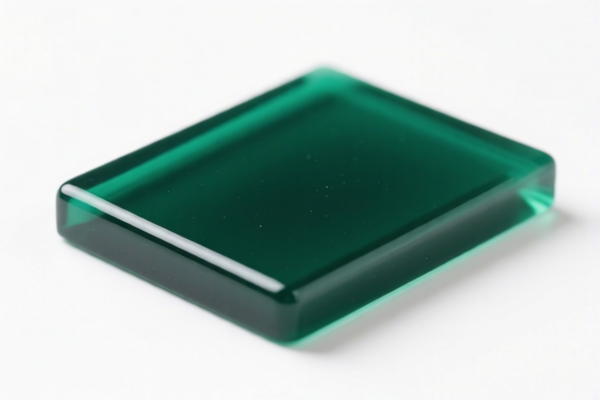
商品图片



AI分析
🧪 Industrial Grade Chlorinated Phenolic Resin
🌐 HS Code Reference & Customs Clearance Guide | 2026 Latest Tariff Analysis | Professional Customs Strategy
📌 I. Product Definition & Classification: Do You Really Understand "Chlorinated Phenolic Resin"?
Chlorinated Phenolic Resin is a modified thermosetting plastic derived from phenolic resin through chlorination. It combines the heat resistance and chemical stability of phenolic resins with the flame retardancy and chemical resistance provided by chlorine. In international trade, it is primarily classified based on its chemical structure, degree of modification, and physical form.
Key Classification Logic: 1. Primary Phenolic Resin (Unmodified): If the product is strictly "Phenolic Resin" without significant chemical alteration, it falls under Chapter 39. 2. Chlorinated Derivative: If the product is explicitly "Chlorinated" and its chemical structure is considered a halogenated derivative of an aromatic compound, it may fall under Chapter 29 (Organic Chemicals), depending on the specific structural definition and customs interpretation. 3. Mixed/Unspecified Chemical Products: If the product is a complex mixture or a preparation not specifically named in Chapter 29 or 39, it may fall under Chapter 38 (Miscellaneous Chemical Products).
⚠️ Critical Distinction Point:
- Is it a pure chemical substance? → Likely HS 2914 or HS 3909.
- Is it a mixture/preparation or an unclassified resin? → Likely HS 3824.
- US Import Context: All options above are subject to significant US Section 301 (25%) and IEEPA (10%) additional tariffs for Chinese origin.
📦 II. HS Code Classification Details (2026 Latest Tariff Authority Comparison)
| HS Code | Product Description | Applicable Scenario | Material Logic |
|---|---|---|---|
3909.40.00.00 |
Phenolic resins in primary forms, including modified phenolic resins | Standard Phenolic Resin. If the "chlorination" is minor or considered a physical modification/additive blend rather than a fundamental chemical structure change, this is the safest "Phenolic" classification. | Matches "Phenolic Resin" material definition explicitly. |
3909.39.00.00 |
Other phenolic resins (e.g., polyoxyalkylene-polyalkylene glycol condensates) | Industrial Grade Phenolic. "Industrial grade" often implies raw material/resin form. If the chlorination does not change the core phenolic classification logic in Chapter 39, it falls here as "Other Phenolic Resins." | Matches "Phenolic Resin" and "Primary Form" logic. |
2914.79.40.00 |
Other acyclic alcohols, their aldehydes, quinones, and alcohols; Halogenated derivatives of aromatic compounds | Chlorinated Derivative. If customs authorities view "Chlorinated Phenolic Resin" primarily as a halogenated derivative of an aromatic compound (phenol is aromatic), this code is used. It treats the chlorine modification as the defining chemical feature. | Chemical structure: Aromatic halogenated derivative (Chlorine). |
3824.99.29.00 |
Prepared binders for foundry molds or cores; Other chemical products and preparations (n.e.s.) | Unclassified Chemical Mixture. If the product is a complex mixture, a preparation containing resins, or does not fit the pure chemical definitions of Ch 29 or 39, it falls here as a "Chemical Industry Product." | Chemical resin category, unlisted specific use. |
3824.99.49.00 |
Other chemical products and preparations containing all or partly hydrocarbons derived from petroleum, shale oil or natural gas | Hydrocarbon-Based Chemical Mixture. If the resin is viewed as a hydrocarbon-derived organic compound mixture not specified elsewhere, this "n.e.s." (not elsewhere specified) code applies. | Organic synthetic resin/hydrocarbon compound logic. |
🔍 Key Reminder:
- Chlorination Impact: The presence of Chlorine often pushes classifiers toward Chapter 29 (Organic Chemicals) if the structure is considered a distinct derivative. However, many "chlorinated phenolics" are still treated as Chapter 39 plastics/resins if they retain the core resin properties.
- US Tariff Risk: All 5 codes listed above are subject to 41.5% total tariff for Chinese origin goods due to Section 301 and IEEPA measures. Only2914.79.40.00has a lower base rate but still faces high total tax.
💰 III. 2026 Latest Tariff Rate Breakdown (Including Surcharges, Policy Add-ons)
✅ Applicable Country: USA (US)
✅ Country of Origin: China (CN)
✅ Effective Date: November 10, 2025 onwards (including subsequent imports)
🎯 1. 3909.40.00.00 & 3909.39.00.00 —— Phenolic Resins (Primary Forms)
| Item | Content |
|---|---|
| Base Tariff Rate | 6.5% (ad valorem) |
| USITC Additional Tariff (Section 301) | +25% (From USITC Footnote 9903.88.01) |
| IEEPA Additional Tariff | +10% (For China/HK products, effective Nov 10, 2025) |
| Total Tax Rate | 41.5% |
| Tax Calculation | CIF Value × 41.5% |
| De Minimis Eligibility | ❌ No (deny_de_minimis) |
| Legal Basis Path | IEEPA:9903.01.25 → IEEPA:9903.01.24 → USITC:3909.40.00.00 → FOOTNOTE:9903.88.01 |
📌 Explanation:
- 6.5% Base: Standard MFN rate for phenolic resins.
- 25% Section 301: Standard US-China trade war tariff.
- 10% IEEPA: New additional tariff on Chinese chemicals/plastics.
- Total 41.5%: This is a high-cost import category. Profit margins must account for this significant duty burden.
🎯 2. 2914.79.40.00 —— Chlorinated Aromatic Derivatives
| Item | Content |
|---|---|
| Base Tariff Rate | 5.5% (ad valorem) |
| USITC Additional Tariff (Section 301) | +7.5% (Note: Lower Section 301 rate for some Ch 29 items, but verify specific list) |
| IEEPA Additional Tariff | +10% (For China/HK products) |
| Total Tax Rate | 23.0% |
| Tax Calculation | CIF Value × 23.0% |
| De Minimis Eligibility | ❌ No (deny_de_minimis) |
| Legal Basis Path | IEEPA:9903.01.24 → USITC:2914.79.40.00 → FOOTNOTE |
📌 Strategic Advantage:
- 23.0% is significantly lower than 41.5%.
- Why? If the product is correctly classified as a Halogenated Derivative (Ch 29) rather than a Plastic Resin (Ch 39), it benefits from a lower Section 301 add-on rate (7.5% vs 25%).
- Risk: Customs may challenge this classification if the product is considered a "mixture" or "preparation" rather than a pure chemical derivative. Misclassification can lead to severe penalties.
🎯 3. 3824.99.29.00 & 3824.99.49.00 —— Miscellaneous Chemical Products
| Item | Content |
|---|---|
| Base Tariff Rate | 6.5% (ad valorem) |
| USITC Additional Tariff (Section 301) | +25% |
| IEEPA Additional Tariff | +10% |
| Total Tax Rate | 41.5% |
| Tax Calculation | CIF Value × 41.5% |
| De Minimis Eligibility | ❌ No (deny_de_minimis) |
| Legal Basis Path | IEEPA:9903.01.25 → IEEPA:9903.01.24 → USITC:3824.99.xx.00 |
📌 Note:
- These codes are "catch-alls." They do not benefit from lower Section 301 rates.
- Use only if the product clearly does not fit Ch 29 or Ch 39 definitions.
- High tax burden (41.5%) makes this option economically unattractive unless the product value is low or margins are high.
🛠️ IV. Customs Clearance Operational Advice (Practical Pitfall Avoidance)
✅ 1. Required Documentation Checklist (All Must-Provides)
| Document | Must Provide | Explanation |
|---|---|---|
| ✅ Technical Data Sheet (TDS) | ✔️ | Must specify "Chlorinated Phenolic Resin," molecular structure, chlorine content (%), and form (powder/liquid). |
| ✅ MSDS/SDS | ✔️ | Critical for safety classification. Must confirm if it's a hazardous chemical (e.g., under DOT/IMDG regulations). |
| ✅ Chemical Structure Diagram | ✔️ | To support classification under HS 2914 (Halogenated Derivative) vs. HS 3909 (Plastic). |
| ✅ Third-Party Lab Report | ✔️ | FTIR or NMR analysis to confirm chemical composition and prove it's a derivative, not just a blend. |
| ✅ Commercial Invoice | ✔️ | Must clearly state "Chlorinated Phenolic Resin" and not just "Phenolic Resin" or "Plastic Granules." |
| ✅ Certificate of Origin (CO) | ✔️ | To confirm Chinese origin and apply correct IEEPA/Section 301 rates. |
✅ 2. Classification Strategy & Declaration Tips
🔥 "Classify by Chemistry, Not Just Name! Lower Rate Possible!"
| Scenario | Correct Declaration Strategy | Error Risk |
|---|---|---|
| Pure Chlorinated Derivative | Use 2914.79.40.00. Argue that chlorination changes the fundamental chemical structure to a halogenated aromatic derivative. |
Low Risk, High Reward (23% vs 41.5%). |
| Modified Phenolic Resin (Additive) | Use 3909.40.00.00. If chlorine is added as an additive or flame retardant without changing the core polymer structure, it remains a plastic resin. |
Medium Risk, High Tax (41.5%). |
| Mixture/Preparation | Use 3824.99.29.00. Only if it's a complex blend not fitting Ch 29/39. |
High Risk, High Tax (41.5%). |
| Mislabeling | Declare as "Plastic Pellets" without chemical details. | Customs Seizure, Penalties, Delay. |
📌 Pro Tip:
- Provide FTIR/NMR spectra to Customs to prove the presence of Chlorine atoms bonded to the aromatic ring. This strongly supports HS 2914.
- If the chlorine content is low (<5%) and used as a flame retardant, Customs may still classify it as HS 3909. Negotiate with a customs broker early.
✅ 3. Special Handling for US Import
| Issue | Handling Advice |
|---|---|
| Section 301 Exclusions | Check if 2914.79.40.00 or 3909.40.00.00 is on the Exclusion List. Most phenolic/chlorinated resins are NOT excluded. |
| IEEPA Tariff | The 10% IEEPA tariff is mandatory for Chinese-origin goods. No exemption for most industrial chemicals. |
| Environmental Regulations (EPA) | Chlorinated phenolics may be subject to TSCA regulations. Ensure you have a TSCA Certification for import. |
| DOT/PHMSA | If the resin is liquid or contains solvents, check for Hazardous Material classification. Dry powder may be non-hazardous. |
🌍 V. Global Market Clearance Comparison (2026 Update)
| Country/Region | Recommended HS Code | Tariff (China Origin) | Key Certification | Notes |
|---|---|---|---|---|
| 🇺🇸 USA | 2914.79.40.00 (Best Case) |
23.0% (if Ch 29) | TSCA + EPA | High scrutiny on chemical structure. |
| 🇺🇸 USA | 3909.40.00.00 (Safe) |
41.5% | TSCA + EPA | Safer classification, higher cost. |
| 🇪🇺 EU | 3909.40.00 |
~4-6% + VAT | REACH Registration | Chlorinated chemicals require strict REACH compliance. |
| 🇨🇳 China | 3909.40.00 |
5% | N/A | Low import tax. |
| 🇮🇳 India | 3909.40.00 |
~7.5% + SWS | BIS/Standard | Check anti-dumping duties. |
📌 Conclusion:
- USA is the most challenging market due to 41.5% or 23% tariffs plus TSCA/IEEPA complexities.
- Classification as2914.79.40.00can save 18.5% in duties compared to3909.40.00.00.
- Chemical Evidence is key to achieving the lower rate.
📌 VI. Common Mistakes & Pitfall Guide (Lessons Learned)
❌ Mistake 1: Declaring "Chlorinated Phenolic Resin" as generic "Phenolic Resin" (3909.40.00.00) without proving structure.
👉 Result: If Customs disagrees, they may reassess, but if they accept it, you pay 41.5%. If they want Ch 29, you save money. Always argue for Ch 29 if chemically valid.
❌ Mistake 2: Ignoring TSCA requirements for chlorinated chemicals in the US.
👉 Result: Goods held at border, fines, or destruction. Chlorinated phenolics are often high-priority chemicals under TSCA.
❌ Mistake 3: Assuming "Industrial Grade" means lower tax.
👉 Result: Tax rates are based on HS Code, not grade. Industrial grade phenolics still face 41.5% in the US.
❌ Mistake 4: Not providing chemical structure diagrams.
👉 Result: Customs assigns the "safe" but high-tax code (3909 or 3824) because they cannot verify the derivative status.
✅ Correct Approach:
"Chlorinated Phenolic Resin, Chlorine Content: X%, Aromatic Halogenated Derivative, Dry Powder, TSCA Certified, Model XYZ"
🎯 VII. Conclusion: Professional Classification, Cost Optimization!
🎯 Remember This Mantra:
🔹 "Chlorine Changes Structure! Fight for HS 2914!"
🔹 "41.5% vs 23%: That's an 18.5% Savings on Every Dollar!"
🔹 "TSCA Compliance is Non-Negotiable in the US!"
📌 Pro Tip:
- Pre-Consult Customs Brokers: Before shipping, send your FTIR/NMR reports to a US customs broker for a Pre-Ruling Request.
- Supply Chain Diversification: If possible, source from countries not subject to IEEPA/Section 301 (e.g., Vietnam, Thailand) for 0% additional tariffs.
📣 Immediate Action:
📞 Contact Your Customs Broker + Provide Chemical Structure Proof + Check TSCA Status
🚀 Optimize Your HS Code to Save 18.5% in Duties!
✨ Professional Clearance Starts with Accurate Classification!
💼 Every Dollar of Duty Saved is Pure Profit!
用户评价
关于 HS 编码归类
协调制度(HS)是由世界海关组织(WCO)制定的国际贸易商品分类标准。全球 200 多个国家采用 HS 系统作为海关关税、贸易统计和进出口监管的基础。
每个 HS 编码遵循以下层级结构:
- 章(2 位)——商品大类(例如:第 84 章:机器和机械设备)
- 品目(4 位)——章内的更具体分类
- 子目(6 位)——国际通用细分,所有 WCO 成员国统一使用
- 本国细分(8-10 位)——各国自行扩展的细分编码,如美国 HTSUS 10 位编码
正确的 HS 编码归类对于顺利通关、准确缴纳关税和遵守贸易法规至关重要。错误归类可能导致海关延误、多缴关税或罚款。
从CN进口到US时,适用的关税税率可能包括:
- 最惠国(MFN)税率——适用于 WTO 成员国的标准关税税率
- 普通税率——适用于无贸易协定国家
- 贸易救济关税——附加关税,如 301 条款(反倾销)、232 条款(国家安全)或反补贴税
本页内容仅供参考。如需正式归类,请咨询当地海关或持牌报关代理。