Industrial Grade Waste Paper Cardboard
CN → US| HS编码 | 关税税率 | 原产国 | 目的国 | 文档 |
|---|---|---|---|---|
| 4707900000 | 35.0% | CN | US | 官方文档 |
| 4707100000 | 35.0% | CN | US | 官方文档 |
| 4807009200 | 35.0% | CN | US | 官方文档 |
| 4807009400 | 35.0% | CN | US | 官方文档 |
| 4811512020 | 35.0% | CN | US | 官方文档 |
商品图片
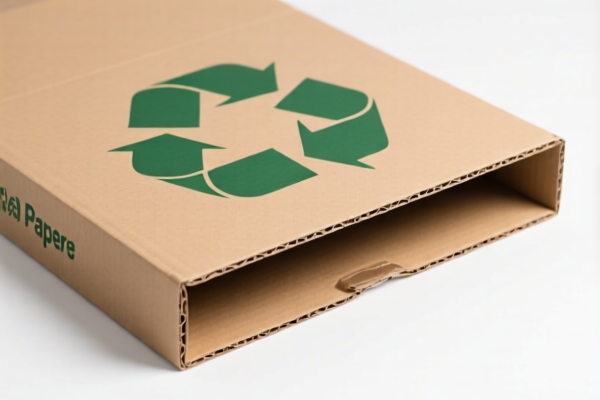
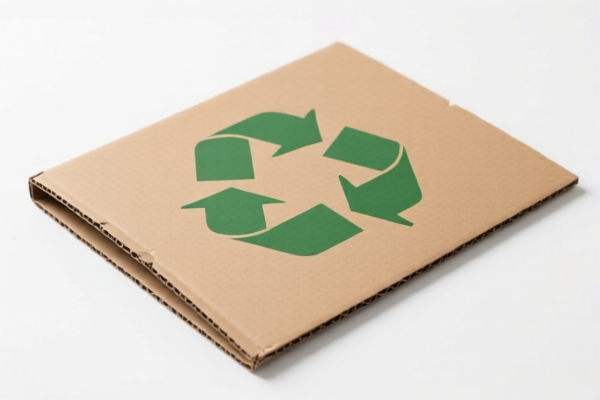
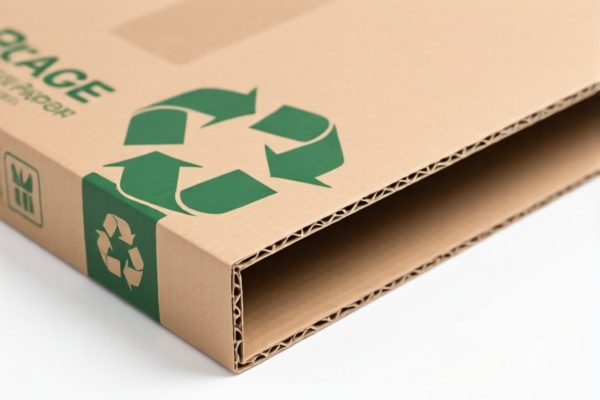
AI分析
📦 Industrial Grade Waste Paper & Cardboard (废纸/纸板)
🌐 HS Code Reference & Customs Clearance Guide | 2026 Latest Tariff Analysis | Strategic Clearance Strategy for US Imports
📌 Part 1: Product Definition & Classification: What Exactly is "Industrial Grade Waste Paper/Cardboard"?
In international trade, "Industrial Grade Waste Paper Cardboard" is not a single uniform commodity. It is broadly categorized based on its state (waste/recycled vs. new/composite) and material structure. Misclassification here leads to severe customs delays or heavy penalties.
Core Distinction: 1. Waste/Recycled Paper (HS 4707): Cardboard that has been used, collected, and is destined for recycling. It is considered "waste." 2. Composite/New Cardboard (HS 4807/4811): Cardboard that is industrially manufactured (e.g., multi-ply, coated, folded box base) and is NOT waste. Even if intended for industrial use, if it is new, it falls under Chapter 48.
⚠️ Critical Classification Point:
- If the material is discarded, used, or collected for recycling →归入 4707.xx.xx.xx (Waste Paper).
- If the material is newly manufactured, even if for industrial packaging/composite layers → 归入 4807.xx.xx.xx or 4811.xx.xx.xx (Paper/Board).
- Note: The "Industrial Grade" descriptor alone does not determine the HS Code; the physical state (waste vs. new) is the deciding factor.
📊 Part 2: HS Code Classification Details (2026 Tariff Reference)
Based on the provided data, the following HS Codes are applicable. Please match your specific product state (Waste vs. New Composite) to the correct code.
| HS Code | Product Description | Applicable Scenario | Tax Rate |
|---|---|---|---|
4707.90.00.00 |
Waste paper and paperboard (Other) | Used cardboard, mixed paper waste, industrial scrap destined for recycling. Fits "Other waste paper/board." | 35.0% |
4707.10.00.00 |
Waste paper and paperboard (Paperboard) | Specifically corrugated fiberboard waste, single-face, or single-wall cardboard waste. | 35.0% |
4807.00.92.00 |
复合纸或纸板 (未涂布) (Composite paper/board, uncoated) | New multi-layer cardboard made by bonding layers. Used for industrial packaging. Not waste. | 35.0% |
4807.00.94.00 |
其他复合纸及纸板 (Other composite paper/board) | New composite cardboard falling under "other" composite categories. Industrial use. | 35.0% |
4811.51.20.20 |
折叠纸盒原纸 (Paper for folding boxes) | New cardboard base for folding boxes. Based on paper attributes, it does not conflict with waste categories. | 35.0% |
🔍 Key Reminder:
- Waste Paper (4707): Must provide proof of recycling status (e.g., import license for waste, recycling facility contract).
- New Composite/Box Paper (4807/4811): Must clearly state "New," "Manufactured," and provide product specs (grams, layers, coating). Do NOT declare new cardboard as "Waste" to avoid fraud charges.
💰 Part 3: 2026 Latest Tariff Rate Breakdown (Including Surcharges)
✅ Applicable Country: United States (US)
✅ Country of Origin: China (CN)
✅ Effective Date: 2025/2026 (Subject to current Trade Policy)
All listed HS Codes in the data source carry the same total tariff burden. Here is the detailed breakdown:
🎯 Total Tariff: 35.0%
(Applicable to ALL 5 HS Codes Provided in Data)
| Component | Rate | Legal Basis / Description |
|---|---|---|
| Base Duty (MFN) | 0.0% | Standard Most Favored Nation rate for these paper/cardboard categories. |
| Section 301 Additional Duty | +25.0% | Imposed on specific Chinese goods under US Trade Law Section 301. |
| Section 122 Clause Duty | +10.0% | Specific additional duty clause (often linked to reciprocal trade measures or specific executive orders). |
| TOTAL EFFECTIVE RATE | 35.0% | Base (0%) + 301 (25%) + Clause 122 (10%) |
📌 Detailed Explanation:
- 0% Base Rate: The US does not charge a standard import duty on these specific paper/board subheadings.
- 25% Section 301: This is the major cost driver. Almost all Chinese-origin paper/cardboard products face this surcharge.
- 10% Clause 122: This is a specific additional levy applied to these items.
- No De Minimis Exemption: ❌ DOES NOT APPLY. Shipments under $800 (Section 321) are NOT exempt from these additional duties. All shipments, regardless of value, are subject to the 35% calculation.
- Calculation Base: The 35% is typically calculated on the CIF Value (Cost, Insurance, and Freight).
🛠️ Part 4: Customs Clearance Practical Advice (Avoiding Pitfalls)
✅ 1. Required Documentation Checklist
| Document | Mandatory? | Notes |
|---|---|---|
| Commercial Invoice | ✅ Yes | Must clearly state: "Waste Paper" OR "New Composite Cardboard". Do not use vague terms like "Industrial Materials." |
| Packing List | ✅ Yes | Detail net/gross weight. Waste paper must show moisture content if applicable. |
| Product Description | ✅ Yes | - For 4707: "Waste Corrugated Cardboard, Recyclable." - For 4807: "New Multi-ply Composite Board, Uncoated, for Industrial Packaging." |
| Certificate of Origin | ✅ Yes | To prove Chinese origin (triggers 35% tariff). |
| Recycling License (If 4707) | ✅ Conditional | If importing waste, ensure the importer has the necessary EPA/State permits for waste paper import. Note: US imports of certain waste paper are restricted; verify current EPA rules. |
✅ 2. Declaration Strategy (Key Tips)
🔥 "Define Status Clearly: Waste or New? One Wrong Word, Full Penalty!"
| Scenario | Correct Declaration | Incorrect Declaration | Consequence |
|---|---|---|---|
| Used Cardboard Bales | HS 4707.10.00.00 / 4707.90.00.00 Description: "Waste Paper" |
"Cardboard" or "Paper Products" | Risk of being classified as new goods (lower tax? No, actually higher scrutiny) or fraud if labeled waste but contains new material. |
| New Multi-layer Board | HS 4807.00.92.00 / 4807.00.94.00 Description: "New Composite Paperboard" |
"Waste Cardboard" | Serious Fraud Risk. Misdeclaring new goods as waste is illegal. |
| Mixed Shipment | Split Line Items! | Mixed HS Code | Customs will reject the entire shipment. Separate Waste and New goods into different HS codes on the CBP entry. |
✅ 3. Special Handling for "Industrial Grade"
- Moisture Content: For waste paper (4707), ensure moisture content is below regulatory limits (usually <30-40% depending on state). High moisture can lead to rejection or fumigation costs.
- Contamination: Waste paper must be free of non-paper contaminants (plastic, metal, food waste). If contaminated, it may be classified as municipal solid waste (MSW) and banned or heavily restricted.
- Composite Board (4807): Ensure the "composite" nature is defined (e.g., number of plies, adhesive type). This affects the specific subheading (92 vs 94).
🌍 Part 5: Global Market Comparison (2026)
| Country/Region | Recommended HS Code (Waste) | Recommended HS Code (New) | Tariff (China Origin) | Notes |
|---|---|---|---|---|
| 🇺🇸 USA | 4707.xx.xx.xx |
4807.xx.xx.xx |
35% (Total) | High duty burden. Waste import restrictions apply. |
| 🇨🇳 China (Export) | Various | Various | 0-13% (Export Duty) | China may impose export tariffs on high-value waste recycling materials. |
| 🇪🇺 EU | 4707 (Restricted) | 4807 | 0-6.5% | EU has strict waste import bans. New paper is low duty. |
| 🇻🇳 Vietnam | 4707 | 4807 | 0-5% | Potential transshipment risk. Ensure genuine origin. |
📌 Conclusion for US Importers:
- Waste Paper (4707): High regulatory barrier. Ensure EPA compliance.
- New Composite Board (4807): High tariff (35%). Consider supply chain diversification if margins are thin.
- No De Minimis: Small shipments do NOT bypass the 35% tariff.
📌 Part 6: Common Errors & Pitfalls (Lessons Learned)
❌ Error 1: Declaring "Waste Paper" when the shipment contains new, unused cardboard.
👉 Result: Customs inspection reveals new goods. Penalties for fraud + potential criminal charges.
❌ Error 2: Declaring "New Cardboard" when it is actually used/soiled waste.
👉 Result: Rejection of entry as "Prohibited Waste" or "MSW." Return or destruction of goods.
❌ Error 3: Ignoring the 10% "Clause 122" duty.
👉 Result: Underpayment of duties. CBP will issue a notice of debt + interest + penalties.
❌ Error 4: Assuming "Industrial Grade" exempts you from waste regulations.
👉 Result: "Industrial Grade" refers to quality, not status. If it's waste, it's waste. EPA rules still apply.
✅ Correct Approach:
- For Waste: Use HS 4707. Clearly label as "Waste Paper/Cardboard." Provide recycling facility documentation.
- For New: Use HS 4807/4811. Clearly label as "New Composite Paperboard" or "Paper for Folding Boxes."
🎯 Part 7: Conclusion: Precision in Classification Saves Money
🎯 Remember the Formula:
Total Duty = Base (0%) + 301 (25%) + Clause 122 (10%) = 35%
⚠️ This 35% applies to ALL 5 HS Codes listed in the data.
📌 Actionable Advice:
1. Determine Status: Is it Waste (Used) or New (Manufactured)?
2. Select Code:
- Waste → 4707.10.00.00 or 4707.90.00.00
- New Composite → 4807.00.92.00 or 4807.00.94.00
- New Box Base → 4811.51.20.20
3. Calculate Cost: Budget for 35% of CIF Value in duties.
4. Document Properly: Ensure your Commercial Invoice and Packing List match the HS Code description exactly.
📣 Immediate Action:
📞 Consult with a licensed customs broker before shipping.
📄 Provide photos and detailed product specifications (new vs. waste, layers, composition).
🚀 Accurate Classification = Smooth Clearance = Predictable Costs.
✨ Professional Clearance Starts with Accurate Classification!
💼 Every percentage point of duty affects your bottom line!
用户评价
关于 HS 编码归类
协调制度(HS)是由世界海关组织(WCO)制定的国际贸易商品分类标准。全球 200 多个国家采用 HS 系统作为海关关税、贸易统计和进出口监管的基础。
每个 HS 编码遵循以下层级结构:
- 章(2 位)——商品大类(例如:第 84 章:机器和机械设备)
- 品目(4 位)——章内的更具体分类
- 子目(6 位)——国际通用细分,所有 WCO 成员国统一使用
- 本国细分(8-10 位)——各国自行扩展的细分编码,如美国 HTSUS 10 位编码
正确的 HS 编码归类对于顺利通关、准确缴纳关税和遵守贸易法规至关重要。错误归类可能导致海关延误、多缴关税或罚款。
从CN进口到US时,适用的关税税率可能包括:
- 最惠国(MFN)税率——适用于 WTO 成员国的标准关税税率
- 普通税率——适用于无贸易协定国家
- 贸易救济关税——附加关税,如 301 条款(反倾销)、232 条款(国家安全)或反补贴税
本页内容仅供参考。如需正式归类,请咨询当地海关或持牌报关代理。