Inflatable Protective Pad
CN → US| HS编码 | 关税税率 | 原产国 | 目的国 | 文档 |
|---|---|---|---|---|
| 4016996050 | 37.5% | CN | US | 官方文档 |
| 6304920000 | 23.8% | CN | US | 官方文档 |
| 3926909989 | 22.8% | CN | US | 官方文档 |
| 4016990500 | 20.9% | CN | US | 官方文档 |
| 6304910170 | 23.3% | CN | US | 官方文档 |
商品图片
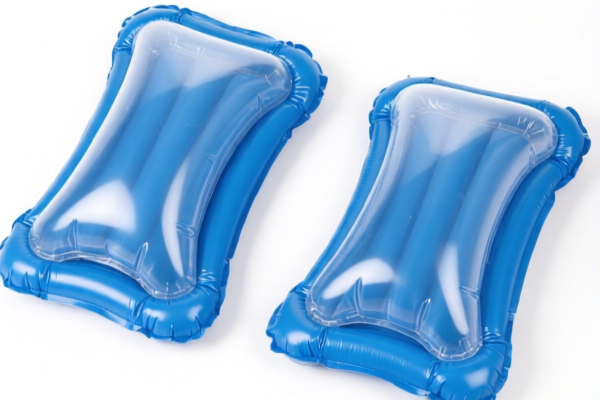
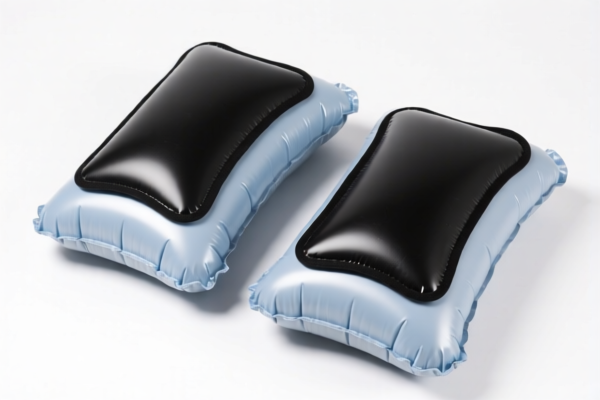
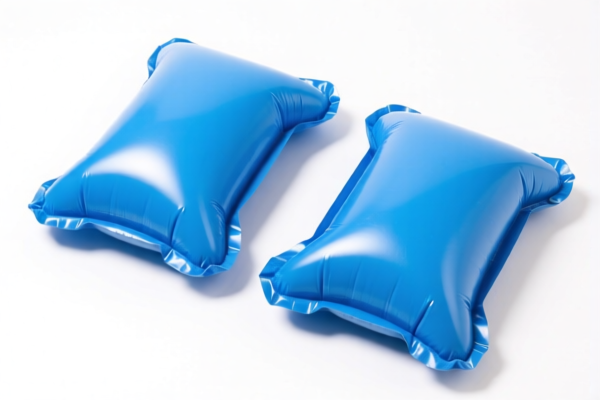
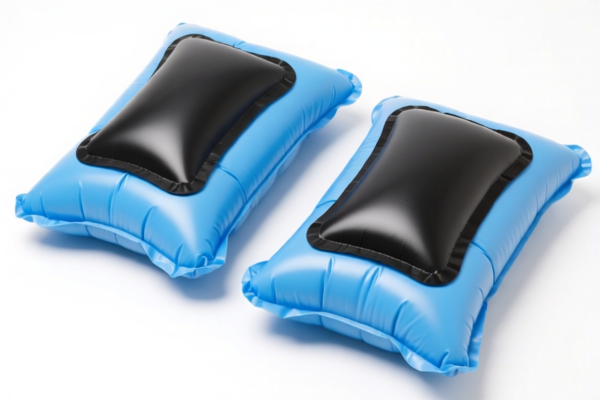
AI分析
🎈 Inflatable Protective Pad (Air Cushion / Safety Mat)
🌐 HS Code Reference & Customs Clearance Guide | 2026 Latest Tariff Analysis | Strategic通关 Strategy
📌 1. Product Definition & Classification: What Exactly is an "Inflatable Protective Pad"?
An Inflatable Protective Pad is typically used in sports (gymnastics, judo), industrial safety, or logistics (dunnage bags) to absorb impact, protect equipment, or provide cushioning. Its classification depends heavily on the material composition inferred from its function, as HS codes often hinge on whether the item is primarily plastic, rubber, or textile-based.
⚠️ Key Classification Logic:
Since the name "Inflatable Protective Pad" is generic, customs authorities often rely on Common Sense Inference and Material Deduction. If the material is not explicitly stated, the classification often falls into "Residual/Catch-all" categories based on the most likely material. - Plastic/Polymer Base: Likely classified under Chapter 39 (Articles of Plastics). - Rubber Base: Likely classified under Chapter 40 (Articles of Rubber). - Textile/Cotton Base: Likely classified under Chapter 63 (Other Made-up Textile Articles).
📦 2. HS Code Classification Details (2026 Latest Tariff Authority Comparison)
Based on the provided data, here are the four most probable HS Codes and their tax implications for imports into the USA (assuming origin: China):
| HS Code | Material Inference | Product Description & Logic | Total Tax Rate |
|---|---|---|---|
| 3926.90.99.89 | Plastic / Synthetic | "Other Articles of Plastics": Based on common sense, many protective pads are PVC or PE plastic. This is the residual category for plastic items not specified elsewhere. | 22.8% |
| 4016.99.60.50 | Rubber (Vulcanized) | "Other Vulcanized Rubber Articles": If the pad is heavy-duty (e.g., gym mats), it may be rubber. This code is the residual category for rubber items. | 37.5% |
| 6304.92.00.00 | Cotton / Textile | "Other Furnishing Articles": If the pad is fabric-covered (e.g., cotton-filled air cushion for furniture), it falls here. Logic: Residual category for textile home goods. | 23.8% |
| 6304.91.01.70 | Knitted / Crocheted | "Knitted/Crocheted Furnishing Articles": If the outer shell is knitted fabric. Logic: Residual category for textile furniture accessories. | 23.3% |
| 4016.99.05.00 | Rubber (Household/General) | "Other Vulc. Rubber Articles (Household)": Specific residual code for general household/protective rubber items. Logic: Fits the "protective" function with no material conflict. | 20.9% |
🔍 Critical Note:
- The lowest tax rate (20.9%) is for Rubber (4016.99.05.00). - The highest tax rate (37.5%) is for Rubber (4016.99.60.50) due to specific footnote classifications. - Plastic (3926.90.99.89) sits in the middle at 22.8%.
💰 3. Detailed Breakdown of Tariff Rates (Including Surcharges & Policy Add-ons)
✅ Applicable Country: USA (US)
✅ Origin: China (CN)
✅ Effective Time: Includes tariffs effective from 2025/2026 periods (Section 301 & IEEPA)
🎯 1. 3926.90.99.89 – Plastic Protective Pad
Material: Plastic/Synthetic
| Item | Detail |
|---|---|
| Base Tariff | 5.3% |
| Section 301 Surcharge | +7.5% |
| IEEPA (122 Clause) Surcharge | +10% |
| Total Effective Rate | 22.8% |
| Calculation Basis | CIF Value × 22.8% |
| De Minimis Exemption | ❌ Not Applicable (High tax rate usually excludes Section 321 de minimis benefits for commercial shipments) |
📌 Explanation:
- The 7.5% is part of the ongoing Section 301 trade war tariffs. - The 10% is the IEEPA surcharge targeting specific Chinese goods. - Total 22.8% is moderate compared to rubber options.
🎯 2. 4016.99.60.50 – Rubber Protective Pad (High Risk)
Material: Rubber (Vulcanized)
| Item | Detail |
|---|---|
| Base Tariff | 2.5% |
| Section 301 Surcharge | +25.0% |
| IEEPA (122 Clause) Surcharge | +10% |
| Total Effective Rate | 37.5% |
| Calculation Basis | CIF Value × 37.5% |
| De Minimis Exemption | ❌ Not Applicable |
📌 Explanation:
- This code attracts a 25% Section 301 tariff, which is significantly higher than the 7.5% for plastics. - Total 37.5% is the highest cost option. Avoid this HS code if possible unless the material is strictly rubber.
🎯 3. 6304.92.00.00 – Cotton/Textile Protective Pad
Material: Cotton/Textile
| Item | Detail |
|---|---|
| Base Tariff | 6.3% |
| Section 301 Surcharge | +7.5% |
| IEEPA (122 Clause) Surcharge | +10% |
| Total Effective Rate | 23.8% |
| Calculation Basis | CIF Value × 23.8% |
| De Minimis Exemption | ❌ Not Applicable |
📌 Explanation:
- Textile items generally face standard Section 301 tariffs (7.5%). - Total 23.8% is competitive, slightly higher than plastic.
🎯 4. 6304.91.01.70 – Knitted Protective Pad
Material: Knitted Textile
| Item | Detail |
|---|---|
| Base Tariff | 5.8% |
| Section 301 Surcharge | +7.5% |
| IEEPA (122 Clause) Surcharge | +10% |
| Total Effective Rate | 23.3% |
| Calculation Basis | CIF Value × 23.3% |
| De Minimis Exemption | ❌ Not Applicable |
📌 Explanation:
- Similar to woven textiles, knitted items face the standard 7.5% Section 301 surcharge. - Total 23.3% is very close to the plastic rate.
🎯 5. 4016.99.05.00 – Rubber Protective Pad (Low Risk)
Material: Rubber (Household/General)
| Item | Detail |
|---|---|
| Base Tariff | 3.4% |
| Section 301 Surcharge | +7.5% |
| IEEPA (122 Clause) Surcharge | +10% |
| Total Effective Rate | 20.9% |
| Calculation Basis | CIF Value × 20.9% |
| De Minimis Exemption | ❌ Not Applicable |
📌 Explanation:
- This is the most cost-effective classification. - The Section 301 tariff here is only 7.5% (instead of 25% for the other rubber code). - Total 20.9% is the lowest among all options.
🛠️ 4. Customs Clearance Practical Advice (Avoid Pitfalls)
✅ 1. Material Declaration is Key
Since the HS Code depends on inferred material, you MUST specify the material in your commercial invoice and packing list.
| Scenario | Recommended HS Code | Reason |
|----------|---------------------|--------|
| PVC/Plastic Air Mattress | 3926.90.99.89 | Clear plastic material. Tax: 22.8% |
| Rubber Gym Mat | 4016.99.05.00 | Best Tax Rate (20.9%). Ensure it's vulcanized rubber. |
| Fabric-Covered Cushion | 6304.92.00.00 | Cotton/Textile outer. Tax: 23.8% |
| Knitted Safety Net/Mat | 6304.91.01.70 | Knitted texture. Tax: 23.3% |
🚫 Avoid
4016.99.60.50if you can classify under4016.99.05.00. The 16.6% difference (37.5% vs 20.9%) is significant.
✅ 2. Documentation Checklist
| Document | Requirement | Note |
|---|---|---|
| Commercial Invoice | Must state: "Inflatable Protective Pad, Made of [Material]" | Vague descriptions lead to customs re-classification and delays. |
| Product Photos | Clear view of material texture (smooth plastic vs. rubber grain vs. fabric weave) | Helps customs verify material inference. |
| Material Certificate | Optional but recommended for rubber/plastic | Proves composition to justify lower tax rates. |
| Packing List | Net/Gross weight, dimensions | Critical for CIF calculation. |
✅ 3. Smart Classification Strategy
🔥 "Rubber Code 05 is King, Plastic is Queen, Textile is Prince!"
- If it's Rubber: Fight for
4016.99.05.00(20.9%) instead of4016.99.60.50(37.5%). - If it's Plastic:
3926.90.99.89(22.8%) is safe and standard. - If it's Textile:
6304.92.00.00(23.8%) is acceptable.
💡 Pro Tip:
If your product is 100% PVC, do NOT claim it as rubber. Misdeclaration can lead to fraud penalties. However, if the material is a blend or ambiguous, consult a customs broker to see if4016.99.05.00can be argued as the "primary function" code.
🌍 5. Global Market Comparison (2026)
| Market | Recommended HS Code | Est. Total Duty (China Origin) | Notes |
|---|---|---|---|
| 🇺🇸 USA | 4016.99.05.00 |
20.9% | Lowest rate among options. High scrutiny on Section 301. |
| 🇨🇳 China (Import) | 4016.99.05.00 |
~5-10% | Lower base tariffs, no Section 301. |
| 🇪🇺 EU | 4016.99.90 |
~5% | No major retaliatory tariffs on these goods. |
| 🇯🇵 Japan | 4016.99.90 |
~5% | Stable tariffs. |
📌 Conclusion:
The USA is the most complex market due to Section 301 and IEEPA surcharges.
Optimization Goal: Aim for4016.99.05.00(20.9%) if the product can be reasonably defined as a general rubber article. If not,3926.90.99.89(22.8%) is the next best alternative.
📌 6. Common Errors & Pitfalls (Lessons Learned)
❌ Error 1: Declaring a Plastic pad as Rubber (4016.99.05.00)
👉 Consequence: Customs will test the material. If found to be plastic, you will be fined for misdeclaration and may face back-dated tariffs.
❌ Error 2: Using 4016.99.60.50 without justification
👉 Consequence: You pay 37.5% instead of 20.9%. No logical reason to accept this higher rate unless the item is specifically a "specialized rubber part" not for household/general use.
❌ Error 3: Vague Description: "Protective Pad"
👉 Consequence: Customs may use their own inference, leading to unpredictable classification and delays.
✅ Correct Practice:
"Inflatable Safety Pad, PVC Material, 10mm Thickness, Red Color, Model ABC"
→ Justifies3926.90.99.89(22.8%)
🎯 7. Conclusion: Professional Declaration, Cost Efficiency
🎯 Remember the Rule of Thumb:
🔹 "Check Material First: Rubber-05 is Best (20.9%), Plastic is Next (22.8%), Textile is Fair (23.8%). Avoid Rubber-60 (37.5%)!" 🔹 "HS Code Determines Cost: A 16% Difference Can Make or Break Your Margin!"
📌 Pro Tip:
If your product is imported into the US, consider applying for a Binding Tariff Information (BTI) or Advance Ruling from CBP if you are shipping high volumes. This locks in the 20.9% rate for 4016.99.05.00 and prevents future disputes.
📣 Take Action Now:
📞 Contact Your Customs Broker: Provide product photos and material samples.
🚀 Optimize Your Supply Chain: Choose the right HS Code to save up to 16.6% in tariffs.
✨ Professional Customs Clearance Starts with Accurate Classification!
💼 Every Dollar Saved in Tariffs is Pure Profit!
用户评价
关于 HS 编码归类
协调制度(HS)是由世界海关组织(WCO)制定的国际贸易商品分类标准。全球 200 多个国家采用 HS 系统作为海关关税、贸易统计和进出口监管的基础。
每个 HS 编码遵循以下层级结构:
- 章(2 位)——商品大类(例如:第 84 章:机器和机械设备)
- 品目(4 位)——章内的更具体分类
- 子目(6 位)——国际通用细分,所有 WCO 成员国统一使用
- 本国细分(8-10 位)——各国自行扩展的细分编码,如美国 HTSUS 10 位编码
正确的 HS 编码归类对于顺利通关、准确缴纳关税和遵守贸易法规至关重要。错误归类可能导致海关延误、多缴关税或罚款。
从CN进口到US时,适用的关税税率可能包括:
- 最惠国(MFN)税率——适用于 WTO 成员国的标准关税税率
- 普通税率——适用于无贸易协定国家
- 贸易救济关税——附加关税,如 301 条款(反倾销)、232 条款(国家安全)或反补贴税
本页内容仅供参考。如需正式归类,请咨询当地海关或持牌报关代理。