Inorganic Sterilizer Block
CN → US商品图片
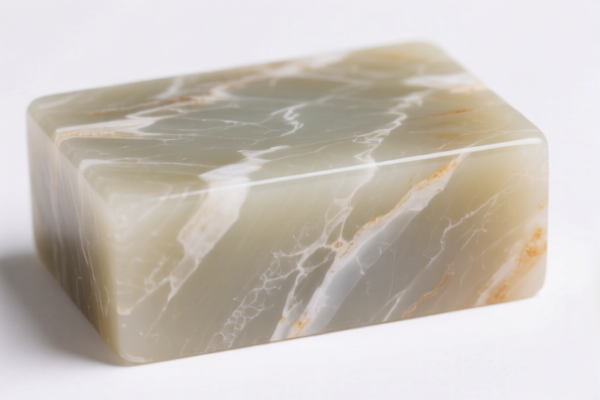
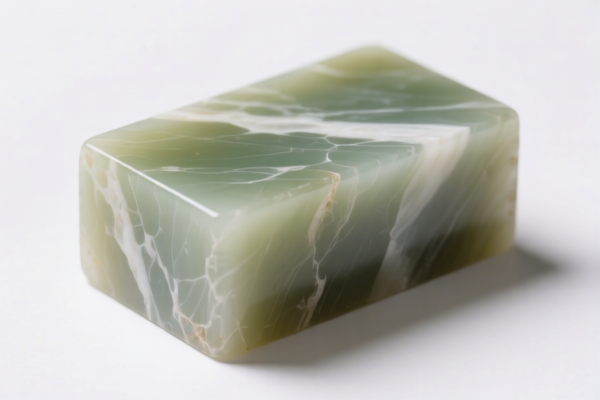
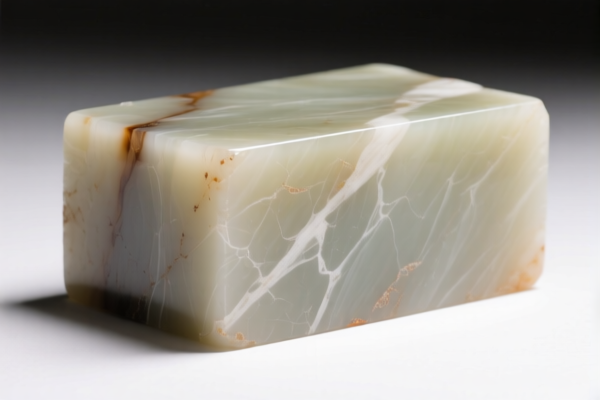
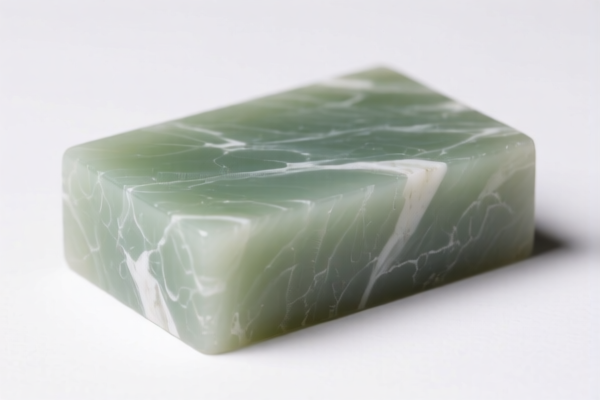
AI分析
🧪 Inorganic Sterilizer Block (化学类消毒/灭菌块)
🌐 HS Code Reference & Customs Clearance Guide | 2026 Latest Tariff Analysis | Professional Strategy
📌 I. Product Definition & Classification: What is an "Inorganic Sterilizer Block"?
An "Inorganic Sterilizer Block" is a specialized chemical product used for sterilization or disinfection purposes. The key identifier here is "Inorganic," which dictates that the active ingredients are derived from inorganic compounds (e.g., halogens, oxygen-releasing compounds, or metallic salts) rather than organic carbon-based chemicals.
In international trade, this product is typically classified under Chapter 38: Miscellaneous Chemical Products. Specifically, it falls under prepared chemical products not elsewhere specified or included, as it is a formulated block designed for a specific sanitary function rather than a raw bulk chemical.
⚠️ Critical Distinction:
- If the block is primarily a chemical mixture (even if pressed into a block shape) → Chapter 38.
- If the block is primarily a plastic article containing a small amount of sterilizing agent → Chapter 39 (Plastics).
However, given the descriptor "Inorganic," the chemical nature is paramount, making Chapter 38 the stronger classification candidate unless the plastic substrate constitutes the essential character.
📦 II. HS Code Classification Details (2026 Latest Tariff Authority)
Based on the provided data, two potential HS Codes are identified. The choice depends on the Essential Character test of the product.
| HS Code | Product Description | Applicable Scenario | Key Determinant |
|---|---|---|---|
3824.99 |
Prepared binders for foundry molds/cores; chemical products and preparations (not elsewhere specified) | Primary Classification: The block is a prepared chemical mixture for sterilization. The "inorganic" nature points to a chemical preparation. | ✅ Chemical Composition is dominant. The block is a functional chemical product. |
3926.90 |
Other articles of plastics | Alternative Classification: If the block is essentially a plastic container/component infused with sterilizing agents, or if the plastic body is the main structure. | ❌ Less Likely: The "Inorganic" descriptor contradicts this unless the plastic is merely a carrier and the chemical is incidental. |
🔍 Expert Note:
- General Rule of Interpretation (GRI 3(b)): If the block is a composite good, classify based on the material that gives it its essential character.
- For sterilization blocks, the sterilizing chemical is usually the essential character. Therefore,3824.99is the recommended primary classification.
-3926.90is a fallback only if the plastic composition is >90% and the chemical is negligible, or if customs authorities specifically view it as a "plastic article with medicinal properties" (rare for inorganic blocks).
💰 III. 2026 Tariff Rate Analysis (Tax Details)
✅ Status: Tax Information Failed to Retrieve
✅ Total Tax: Error📌 Interpretation of Data:
- The source data explicitly states:
-tax_detail: "Failed to retrieve tax information"
-total_tax: "Error"
- This indicates that specific duty rates, VAT, or consumption tax cannot be automatically generated for these HS codes in the current database snapshot.
- Implication for Clearance: You cannot rely on automatic tax calculations. You must verify the local customs tariff schedule for the specific country of import (e.g., China, USA, EU) because:
- China (HS 3824.99.90): Typically 0-6% MFN tariff, but may vary by specific subheading.
- USA (HTS 3824.99): Generally 5.3% ad valorem, but subject to Section 301 tariffs if from China (+25%).
- EU: Typically 6.5% for 3824.99.⚠️ Warning: Do not assume a 0% or flat rate. The "Error" flag requires manual verification with a licensed customs broker.
🛠️ IV. Customs Clearance Practical Advice (Avoid Pitfalls)
✅ 1. Documentation Checklist (Must-Have)
| Document | Required | Purpose |
|---|---|---|
| ✅ MSDS (Material Safety Data Sheet) | ✔️ CRITICAL | Proves the "Inorganic" nature and chemical composition. Customs may flag it as hazardous if not clearly defined. |
| ✅ Ingredient List | ✔️ | Must specify inorganic compounds (e.g., Sodium Hypochlorite, Chlorine Dioxide, Silver Zeolite). |
| ✅ Product Specification Sheet | ✔️ | Describe the block's form, weight, and intended sterilization method (air, water, surface). |
| ✅ Sterilization Certificate | ✔️ | Proof of efficacy (e.g., EPA registration in USA, Ministry of Health approval in China). |
| ✅ Commercial Invoice | ✔️ | Clearly state: "Inorganic Chemical Sterilizer Block, Non-Flammable, Non-Toxic" (if true). |
| ✅ Packing List | ✔️ | Include net/gross weight to verify chemical vs. plastic ratio. |
✅ 2. Declaration Strategy (Key Phrases)
🔥 "Be Precise, Be Chemical, Avoid 'Plastic'!"
| Scenario | Recommended Declaration | Risk of Misclassification |
|---|---|---|
| Primary Chemical Block | "Inorganic Sterilizing Block, Chemical Preparation, Chapter 38" | Low risk if MSDS is attached. |
| Plastic-Carried Block | "Plastic Block Impregnated with Inorganic Sterilant" | High risk of being reclassified to 3926.90 or flagged for dual-use. |
| Medical Device? | "Not a Medical Device, For Environmental Sterilization Only" | Prevents reclassification to Chapter 90 (Medical Apparatus). |
✅ 3. Special Handling Notes
| Situation | Action |
|---|---|
| Hazardous Goods? | Check if the inorganic compound is classified as Dangerous Goods (DG) for transport (IATA/IMDG). Even if "non-toxic," some inorganic sterilizers are oxidizers. |
| Organic vs. Inorganic | If the label says "Biodegradable," customs may suspect Organic classification. Clarify that "Biodegradable" refers to the block matrix, but the active agent is Inorganic. |
| Pre-Cleared? | If importing to the US, check if the product has EPA Registration Number. Without it, the product may be detained as an unregistered pesticide/sterilant. |
🌍 V. Global Market Clearance Comparison (2026)
| Region | Recommended HS Code | Estimated Tariff (MFN) | Key Requirement |
|---|---|---|---|
| 🇨🇳 China | 3824.99.90 |
~0-6% | Ministry of Health Approval for disinfectants. |
| 🇺🇸 USA | 3824.99.8000 |
~5.3% + 301 Tariff (+25%) if from China | EPA Registration is mandatory. |
| 🇪🇺 EU | 3824.99.99 |
6.5% | CLP/GHS Labeling compliant. |
| 🇯🇵 Japan | 3824.99.090 |
6.0% | Pharmaceuticals and Medical Devices Act check. |
📌 Conclusion:
- USA: Highest risk due to Section 301 tariffs (if Chinese origin) and strict EPA regulations.
- China: Strict Ministry of Health approval for any product claiming "sterilization" efficacy.
- EU: Focus on chemical safety labeling.
📌 VI. Common Errors & Pitfalls (Blood Lessons)
❌ Error 1: Declaring as "Plastic Part" (HS 3926)
👉 Consequence: Customs may reject it because "Inorganic Sterilizer" implies chemical function, not plastic utility. Re-classification delays + fines.
👉 Solution: Always declare under Chapter 38 unless the plastic is the sole essential character.
❌ Error 2: Omitting "Inorganic" in Description
👉 Consequence: Customs may assume it's an organic/biological sterilizer, triggering Chapter 30 (Pharmaceuticals) or Chapter 38.08 (Pesticides).
👉 Solution: Explicitly state "Inorganic" in the product name and HS Code justification.
❌ Error 3: No MSDS Provided
👉 Consequence: Shipment held at port for "Chemical Safety Verification." Can lead to demurrage charges.
👉 Solution: Attach a clear, up-to-date MSDS showing inorganic ingredients.
❌ Error 4: Assuming "Sterilizer" = "Medical Device"
👉 Consequence: If intended for general environmental use, declaring it as a medical device requires FDA 510(k) or CE MDR, which is unnecessary and costly.
👉 Solution: Clearly state "For Environmental/Surface Sterilization Only" on invoice.
✅ Correct Declaration Example:
"Inorganic Chemical Sterilizer Block, Non-Organic Composition, For Use in Water Treatment/Surface Disinfection, Not a Medical Device, MSDS Attached."
🎯 VII. Conclusion: Professional Clearance for Chemical Blocks
🎯 Remember the Golden Rule:
🔹 "Inorganic = Chemical (Ch 38)"
🔹 "Organic/Biological = Pesticide/Medical (Ch 38.08/30)"
🔹 "Plastic Carrier = Plastic (Ch 39)" (Rare for functional blocks)
🔹 "Tax Error? → Manual Verification Required!"
📌 Pro Tip:
Since the tax data shows "Error", it is highly recommended to apply for a Pre-Ruling (Advance Ruling) from the local customs authority before shipment. This locks in the HS Code and tariff rate, protecting you from unexpected duties.
📣 Immediate Action:
📞 Contact a Customs Broker: Provide MSDS + Product Photos.
🚀 Verify EPA/Ministry of Health Approval: Essential for "Sterilizer" claims.
💡 Label Clearly: "Inorganic" and "Not a Medical Device."
✨ Precision in Classification, Safety in Clearance!
💼 Your Chemical Block, Smoothly Cleared!
用户评价
关于 HS 编码归类
协调制度(HS)是由世界海关组织(WCO)制定的国际贸易商品分类标准。全球 200 多个国家采用 HS 系统作为海关关税、贸易统计和进出口监管的基础。
每个 HS 编码遵循以下层级结构:
- 章(2 位)——商品大类(例如:第 84 章:机器和机械设备)
- 品目(4 位)——章内的更具体分类
- 子目(6 位)——国际通用细分,所有 WCO 成员国统一使用
- 本国细分(8-10 位)——各国自行扩展的细分编码,如美国 HTSUS 10 位编码
正确的 HS 编码归类对于顺利通关、准确缴纳关税和遵守贸易法规至关重要。错误归类可能导致海关延误、多缴关税或罚款。
从CN进口到US时,适用的关税税率可能包括:
- 最惠国(MFN)税率——适用于 WTO 成员国的标准关税税率
- 普通税率——适用于无贸易协定国家
- 贸易救济关税——附加关税,如 301 条款(反倾销)、232 条款(国家安全)或反补贴税
本页内容仅供参考。如需正式归类,请咨询当地海关或持牌报关代理。