Insulated Plastic Box
CN → US| HS编码 | 关税税率 | 原产国 | 目的国 | 文档 |
|---|---|---|---|---|
| 3924104000 | 13.4% | CN | US | 官方文档 |
| 7615109100 | 70.6% | CN | US | 官方文档 |
| 7323999030 | 88.4% | CN | US | 官方文档 |
| 7323930060 | 62.0% | CN | US | 官方文档 |
| 7615107125 | 63.1% | CN | US | 官方文档 |
商品图片
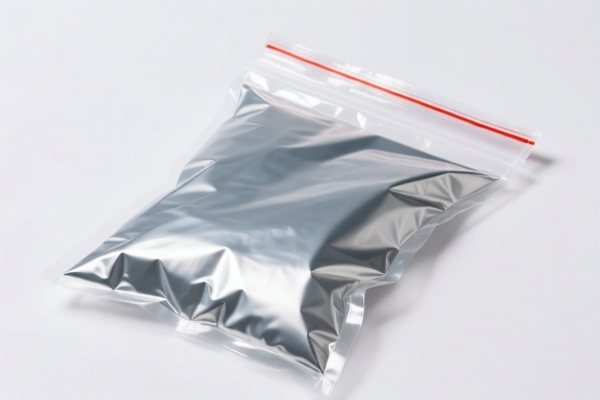
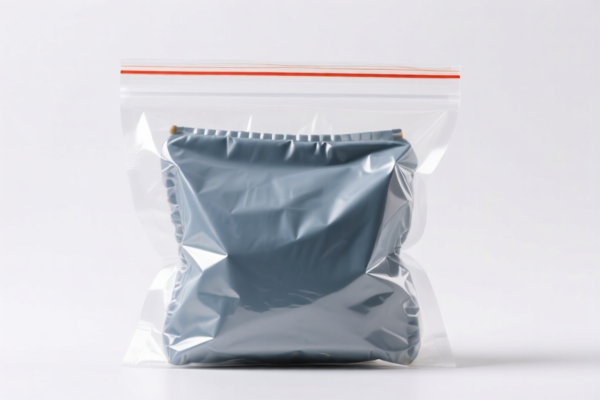
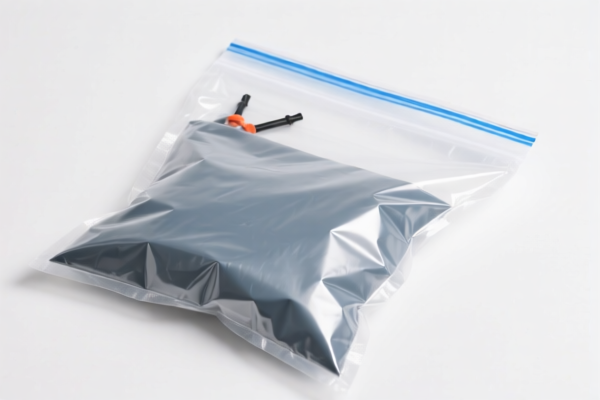
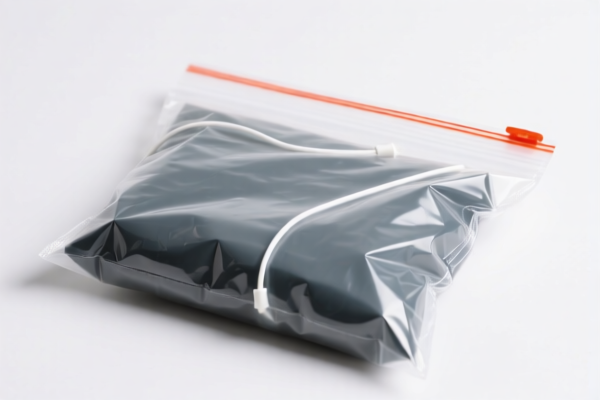
AI分析
🍱 Insulated Plastic Box (保温饭盒/塑料保温盒)
🌐 HS Code Reference & Customs Clearance Guide | 2026 Latest Tariff Analysis | Professional Strategy
📌 Product Definition & Classification: What exactly is an "Insulated Plastic Box"?
In international trade, the term "Insulated Plastic Box" is a generic description that can refer to several distinct product types depending on material composition, structural integrity, and function. Misclassification here is dangerous because the tax rates vary from 13.4% to a staggering 88.4% for similar-looking items due to US trade policies (Section 301 & IEEPA).
The core distinction lies in whether the item is: 1. Purely Plastic/Composite: Falls under Chapter 39. 2. Aluminum/Aluminum Composite: Falls under Chapter 76. 3. Stainless Steel/Metal Core: Falls under Chapter 73.
⚠️ Critical Warning: - "Plastic" vs. "Metal-Lined": Many "plastic" bento boxes actually have a stainless steel inner liner or aluminum heating element. If the primary material is metal, it is NOT classified as plastic. - "Insulated" Function: Does not change the HS code; the material dictates the classification.
📦 II. HS Code Classification Details (Based on Provided Data)
The following HS codes are derived strictly from the provided data set. Each code represents a different material composition for what consumers might broadly call a "thermal lunch box."
| HS Code | Product Description & Material Summary | Key Identification Feature |
|---|---|---|
| 3924.10.40.00 | Insulated plastic lunch box Belongs to tableware/kitchenware. |
Material: Plastic or relevant composite materials. Function: Thermal insulation via plastic structure. |
| 7615.10.91.00 | Tableware/Kitchenware items For household use. |
Material: Aluminum or Aluminum composite materials. Note: Even if it looks like a "box," if it's aluminum, it goes here. |
| 7323.99.90.30 | Stainless steel/Insulated lunch box Household kitchen item. |
Material: Stainless steel or metal. Distinction: This is for metal thermal boxes, not pure plastic. |
| 7323.93.00.60 | Kitchen utensils Stainless steel/metal. |
Material: Stainless steel or metal. Note: Lower base tariff than 7323.99, but still subject to high metal taxes. |
| 7615.10.71.25 | Food storage & preparation item Metal material. |
Material: Aluminum or Stainless Steel (Metal). Use: Food storage/preparation. |
🔍 Classification Logic: - If your product is 100% plastic (including lids/seals) → Use 3924.10.40.00. - If your product has an Aluminum body or is Aluminum composite → Use 7615.10.91.00 or 7615.10.71.25. - If your product has a Stainless Steel interior (common in "vacuum flask" style bento) → Use 7323.99.90.30 or 7323.93.00.60.
💰 III. 2026 Latest Tariff Rate Breakdown (High Risk Alert)
✅ Applicable Country: United States (US)
✅ Origin: China (CN)
✅ Context: All rates include Base Tariff + Section 301 Tariff + Section 122 Tariff + Steel/Aluminum/Copper Surcharge.
🎯 1. 3924.10.40.00 —— Pure Plastic Insulated Box (Lowest Risk)
| Item | Detail |
|---|---|
| Base Tariff | 3.4% |
| Section 301 Tariff | 0.0% (No additional Section 301 tariff for this specific plastic sub-heading in this dataset) |
| Section 122 Tariff | 10% |
| Total Tax Rate | 13.4% |
| Tax Calculation | CIF Value × 13.4% |
| De Minimis Eligibility | ✅ Likely Eligible (Under $800) if pure plastic |
| Legal Basis Path | Chapter 39 (Plastics) → Note: No steel/aluminum surcharge applies. |
📌 Explanation: - This is the most favorable classification if the product is genuinely plastic. - The 10% comes from Section 122 (if applicable to the specific trade action), but crucially, it avoids the 50% surcharge on steel/aluminum. - Total burden: 13.4%.
🎯 2. 7615.10.91.00 —— Aluminum/Tableware (High Risk)
| Item | Detail |
|---|---|
| Base Tariff | 3.1% |
| Section 301 Tariff | 7.5% |
| Section 122 Tariff | 10% |
| Steel/Aluminum/Copper Surcharge | 50% (Critical Penalty) |
| Total Tax Rate | 70.6% |
| Tax Calculation | CIF Value × 70.6% |
| De Minimis Eligibility | ❌ Not Eligible (High tariff items often excluded) |
| Legal Basis Path | Chapter 76 (Aluminum) → USITC Footnotes for Steel/Aluminum Surcharge |
📌 Explanation: - Even though it's aluminum, not steel, the 50% surcharge applies to "Steel, Aluminum, Copper products" under recent trade enforcement. - Base (3.1%) + Sec 301 (7.5%) + Sec 122 (10%) + Surcharge (50%) = 70.6%. - This is extremely high. Do not use this if your box is plastic!
🎯 3. 7323.99.90.30 —— Stainless Steel Box (Highest Risk)
| Item | Detail |
|---|---|
| Base Tariff | 3.4% |
| Section 301 Tariff | 25.0% |
| Section 122 Tariff | 10% |
| Steel/Aluminum/Copper Surcharge | 50% |
| Total Tax Rate | 88.4% |
| Tax Calculation | CIF Value × 88.4% |
| De Minimis Eligibility | ❌ Not Eligible |
| Legal Basis Path | Chapter 73 (Iron/Steel) → USITC Footnotes for Steel Surcharge |
📌 Explanation: - This is the worst-case scenario for an "insulated box." - If your "plastic" box has a stainless steel inner flask, US Customs may reclassify it here. - Total burden: 88.4%. - The 25% Sec 301 is the highest bracket for steel products.
🎯 4. 7323.93.00.60 —— Metal Kitchen Utensils (High Risk)
| Item | Detail |
|---|---|
| Base Tariff | 2.0% |
| Section 301 Tariff | 0.0% |
| Section 122 Tariff | 10% |
| Steel/Aluminum/Copper Surcharge | 50% |
| Total Tax Rate | 62.0% |
| Tax Calculation | CIF Value × 62.0% |
📌 Explanation: - Slightly better than 7323.99 because the Sec 301 is 0%, but the 50% surcharge still destroys profitability. - Total: 62.0%.
🎯 5. 7615.10.71.25 —— Aluminum Food Storage (High Risk)
| Item | Detail |
|---|---|
| Base Tariff | 3.1% |
| Section 301 Tariff | 0.0% |
| Section 122 Tariff | 10% |
| Steel/Aluminum/Copper Surcharge | 50% |
| Total Tax Rate | 63.1% |
| Tax Calculation | CIF Value × 63.1% |
📌 Explanation: - Similar to the steel category: 0% Sec 301 but 50% Surcharge. - Total: 63.1%.
🛠️ IV. Customs Clearance Practical Advice (Pitfall Avoidance Guide)
✅ 1. Preparation Checklist (Non-Negotiable)
| Document | Mandatory? | Purpose |
|---|---|---|
| ✅ Detailed Product Specification | ✔️ | Must explicitly state Material Composition (e.g., "Outer: ABS Plastic, Inner: No Metal"). |
| ✅ Material Safety Data Sheet (MSDS) | ✔️ | To prove no hazardous metals or coatings. |
| ✅ Product Photographs | ✔️ | Clear view of seams. If no welds/seams visible, it's likely plastic. |
| ✅ Bill of Materials (BOM) | ✔️ | Breakdown of % material by weight (Plastic vs. Metal). |
| ✅ Commercial Invoice | ✔️ | Description must match HS code. "Plastic Insulated Lunch Box" vs. "Stainless Steel Container." |
✅ 2. Classification Strategy (The Golden Rule)
🔥 "Material Dictates Tariff, Function is Secondary!"
| Scenario | Correct Classification | Tax Rate | Risk Level |
|---|---|---|---|
| 100% Plastic (Lid, Body, Seal are all plastic/composite) | 3924.10.40.00 |
13.4% | 🟢 Low |
| Plastic with Stainless Steel Inner Flask | 7323.99.90.30 |
88.4% | 🔴 CRITICAL |
| Aluminum Body/Coating | 7615.10.91.00 |
70.6% | 🔴 High |
| Mixed Material (Plastic + Metal Parts) | ❓ Case-by-Case | Varies | 🟡 Medium |
⚠️ Warning: If your "Insulated Plastic Box" uses a vacuum seal (like a thermos), it is ALMOST CERTAINLY made of stainless steel inside. Do NOT declare it as
3924.10.40.00. Customs will seize it or reclassify it, leading to penalties.
✅ 3. Special Cases Handling
| Situation | Action |
|---|---|
| "Double-Wall Plastic" | Ensure the air gap is between two plastic layers. If it's plastic + metal foil, it may be classified as metal. |
| OEM/White Label | Provide design specs showing material layers. |
| De Minimis (Section 321) | Only viable for 3924.10.40.00 (<$800 value). Metal classifications (73xx, 76xx) often face stricter scrutiny and may be denied de minimis entry due to high tariffs. |
🌍 V. Market Comparison (US Focus)
| Market | HS Code Example | Base Tariff | Additional Taxes | Total Est. Burden |
|---|---|---|---|---|
| 🇺🇸 USA | 3924.10.40.00 |
3.4% | +10% (Sec 122) | 13.4% |
| 🇺🇸 USA | 7323.99.90.30 |
3.4% | +25% (Sec 301) + 50% (Surcharge) + 10% (Sec 122) | 88.4% |
| 🇪🇺 EU | 3924.10.90 | ~5-8% | No Sec 301/122 | Low (~8%) |
| 🇨🇳 China | 3924.10.40 | 0-5% | No Surcharge | Low |
📌 Conclusion: - The US market is hostile to metal kitchenware due to the 50% steel/aluminum surcharge. - Plastic is the only viable path for cost-effective shipping to the US under current trade policies. - Verify your BOM: If >5% metal weight, expect high tariffs.
📌 VI. Common Mistakes & Pitfalls (Lessons Learned)
❌ Mistake 1: Calling a "Stainless Steel Vacuum Lunch Box" a "Plastic Insulated Box" to get the 13.4% rate. 👉 Consequence: Customs audit reveals metal content → Reclassification to 88.4% + Penalties + Back Taxes.
❌ Mistake 2: Ignoring the "Section 122 Tariff" (10%). 👉 Consequence: Underestimating landed cost by 10%. Always include Sec 122 in your margin calculation.
❌ Mistake 3: Assuming "Insulated" means "Thermal." 👉 Consequence: Thermal insulation can be achieved by plastic air gaps. Ensure your marketing materials do not imply "Metal Construction" if you want to claim plastic HS codes.
✅ Best Practice:
For US Entry: Stick to
3924.10.40.00ONLY if the product is fully plastic. If it has ANY metal structural component (like a steel flask), prepare for 60-88% tariffs.
🎯 VII. Conclusion: Strategic Recommendation
🎯 Key Takeaway:
🔹 "Plastic is Profit, Metal is Pain."
🔹 13.4% vs 88.4%: A difference of 75 percentage points can make or break your profit margin.
🔹 Verify Material: Do not guess. Get a lab test or detailed BOM from your factory.
📌 Pro Tip:
If you must sell an insulated box, consider designing it as a pure plastic vacuum-insulated container (using advanced polymer foams) to stay in the 3924 category and avoid the 50% Steel/Aluminum Surcharge.
✨ Professional Clearance Starts with Accurate Classification!
💼 Your Bottom Line Depends on the First 4 Digits of the HS Code!
用户评价
关于 HS 编码归类
协调制度(HS)是由世界海关组织(WCO)制定的国际贸易商品分类标准。全球 200 多个国家采用 HS 系统作为海关关税、贸易统计和进出口监管的基础。
每个 HS 编码遵循以下层级结构:
- 章(2 位)——商品大类(例如:第 84 章:机器和机械设备)
- 品目(4 位)——章内的更具体分类
- 子目(6 位)——国际通用细分,所有 WCO 成员国统一使用
- 本国细分(8-10 位)——各国自行扩展的细分编码,如美国 HTSUS 10 位编码
正确的 HS 编码归类对于顺利通关、准确缴纳关税和遵守贸易法规至关重要。错误归类可能导致海关延误、多缴关税或罚款。
从CN进口到US时,适用的关税税率可能包括:
- 最惠国(MFN)税率——适用于 WTO 成员国的标准关税税率
- 普通税率——适用于无贸易协定国家
- 贸易救济关税——附加关税,如 301 条款(反倾销)、232 条款(国家安全)或反补贴税
本页内容仅供参考。如需正式归类,请咨询当地海关或持牌报关代理。