Intestinal Casings
CN → US| HS编码 | 关税税率 | 原产国 | 目的国 | 文档 |
|---|---|---|---|---|
| 4206009000 | 10.0% | CN | US | 官方文档 |
| 5608192090 | 40.0% | CN | US | 官方文档 |
| 4206001930 | 13.9% | CN | US | 官方文档 |
| 5608903000 | 40.0% | CN | US | 官方文档 |
| 7314142000 | 85.0% | CN | US | 官方文档 |
商品图片
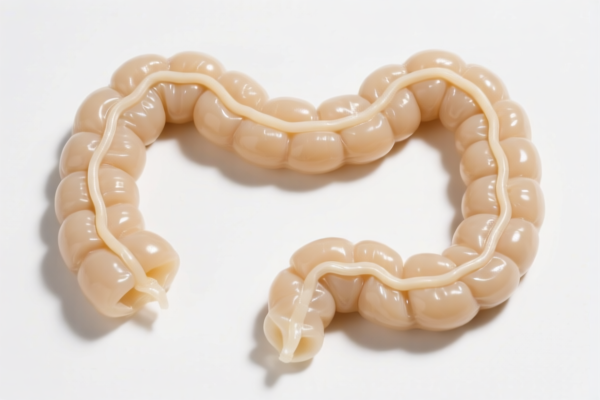
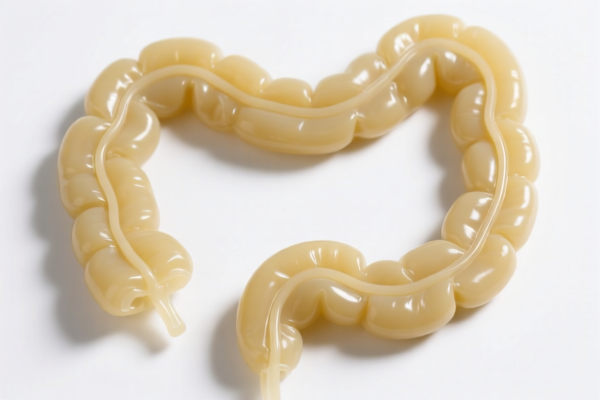
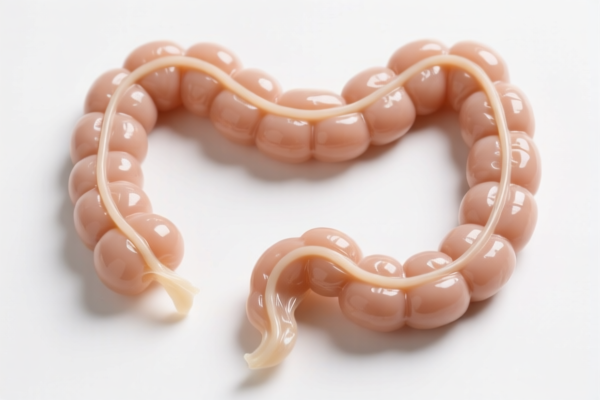
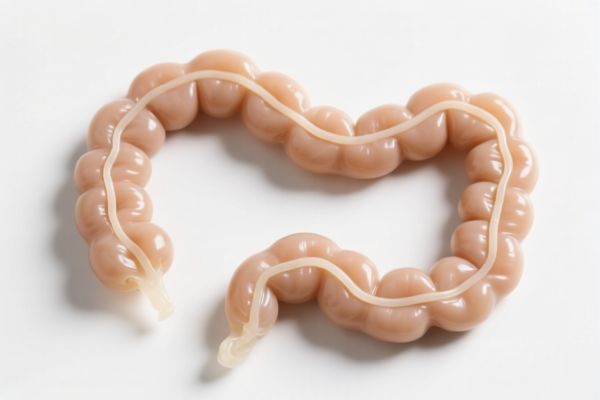
AI分析
🥓 Intestinal Casings (Natural & Synthetic)
🌐 HS Code Reference & Customs Clearance Guide | 2024-2026 Latest Tariff Analysis | Professional Clearance Strategy
📌 I. Product Definition: What Are "Intestinal Casings"?
Intestinal casings are tubular structures used primarily in the meat processing industry to hold ground meat mixtures for sausage production. They are categorized into two distinct groups in international trade, leading to significantly different HS Code classifications and tax liabilities:
- Natural Casings: Made from cleaned animal intestines (pig, sheep, cattle). These are biological materials used for their natural elasticity and permeability.
- Synthetic/Artificial Casings: Made from collagen (processed animal by-products), cellulose, plastic, or textile materials. These are engineered for specific strength, diameter, and cooking properties.
⚠️ Critical Classification Point:
- If the casing is made from biological material (intestine, tendon, gold skin) → Classified under Chapter 42 (Articles of Animal Materials).
- If the casing is made from textile or synthetic fibrous material → Classified under Chapter 56 (Wadding, Felt, and Nonwovens; Special Yarns).
- Misclassification Risk: Declaring a synthetic casing as a natural one (or vice versa) can lead to severe penalties due to the massive tariff difference (e.g., 10% vs. 40%+).
📦 II. HS Code Classification Details (2024-2026 Latest Tariff Authority Comparison)
| HS Code | Product Description | Material Attribute | Tax Category |
|---|---|---|---|
4206.00.90.00 |
Natural/Biological Casings: Auxiliary tools/products for casing production, made from intestine, gold skin, or tendon. | Animal Biological Materials | 10.0% |
5608.19.20.90 |
Textile/Synthetic Casings: Made from textile materials or man-made fibers, in a net-like structure. | Textile/Synthetic Fibers | 40.0% |
4206.00.19.30 |
Processing Aids: Auxiliary materials for intestinal processing, consistent with intestinal制品 processing categories. | Intestinal-related Processing Materials | 13.9% |
5608.90.30.00 |
Textile Nets: Netting made of textile materials, fitting the definition of knotted nets or made-up nets. | Textile Netting | 40.0% |
7314.14.20.00 |
Stainless Steel Casings: Wire mesh made of stainless steel (rare, for specific industrial filters). | Stainless Steel | 85.0% |
🔍 Key Insight:
- Natural Casings (4206) attract lower base tariffs (0-3.9%) but are subject to specific "122 Section" tariffs.
- Synthetic/Textile Casings (5608) carry a heavy base tariff (5%) plus significant additional levies, pushing the total to 40%.
- Steel Mesh (7314) is an outlier with the highest burden (85%) due to steel/aluminum/copper product surcharges.
💰 III. Detailed Tariff Breakdown (Including Additional Taxes & Policy Levies)
✅ Applicable Market: United States (US)
✅ Origin: China (CN)
✅ Effective Time: Current rates (Subject to ongoing trade policy updates)
🎯 1. 4206.00.90.00 —— Natural Animal Intestinal Casings
| Item | Content |
|---|---|
| Base Tariff | 0.0% (ad valorem) |
| Section 301 (Additional) | 0.0% |
| "122 Section" Tariff | +10.0% (Specific countermeasure tariff) |
| Total Tariff Rate | 10.0% |
| Tax Calculation | CIF Value × 10% |
| De Minimis Exemption | ❌ Not Eligible (Denied for this classification) |
| Legal Basis Path | HTSUS:4206.00.90.00 → 122 Section Tariff Rule |
📌 Explanation:
- Natural casings are considered animal by-products. The base rate is 0%, but a specific 10% "122 Section" tariff applies, likely due to trade disputes involving agricultural products.
- This is the most cost-effective classification for natural casings.
🎯 2. 5608.19.20.90 —— Synthetic/Textile-Based Casings
| Item | Content |
|---|---|
| Base Tariff | 5.0% (ad valorem) |
| Section 301 (Additional) | +25.0% (Under USITC Footnote 9903.88.01) |
| "122 Section" Tariff | +10.0% |
| Total Tariff Rate | 40.0% |
| Tax Calculation | CIF Value × 40% |
| De Minimis Exemption | ❌ Not Eligible |
| Legal Basis Path | IEEPA:9903.01.25 → USITC:5608.19.20.90 → FOOTNOTE:9903.88.01 |
📌 Explanation:
- Synthetic casings are classified as textile products. The 5% base is standard for non-woven textiles.
- The 25% Section 301 tariff and 10% 122 Section tariff result in a 40% total burden.
- High Cost Alert: This is 4x the tax rate of natural casings.
🎯 3. 4206.00.19.30 —— Auxiliary Processing Materials
| Item | Content |
|---|---|
| Base Tariff | 3.9% |
| Section 301 (Additional) | 0.0% |
| "122 Section" Tariff | +10.0% |
| Total Tariff Rate | 13.9% |
| Tax Calculation | CIF Value × 13.9% |
| De Minimis Exemption | ❌ Not Eligible |
📌 Explanation:
- This code applies to auxiliary materials used in the processing of intestines, rather than the casing itself. Use only if the product is explicitly a processing aid and not the final casing product.
🎯 4. 5608.90.30.00 —— Other Textile Nets
| Item | Content |
|---|---|
| Base Tariff | 5.0% |
| Section 301 (Additional) | +25.0% |
| "122 Section" Tariff | +10.0% |
| Total Tariff Rate | 40.0% |
| Tax Calculation | CIF Value × 40% |
📌 Explanation:
- Similar to5608.19, this is a "catch-all" for textile nets. Also hits 40%.
🎯 5. 7314.14.20.00 —— Stainless Steel Wire Mesh
| Item | Content |
|---|---|
| Base Tariff | 0.0% |
| Section 301 (Additional) | +25.0% |
| "122 Section" Tariff | +10.0% |
| Steel/Aluminum/Copper Surcharge | +50.0% |
| Total Tariff Rate | 85.0% |
| Tax Calculation | CIF Value × 85% |
📌 Explanation:
- Stainless steel casings are extremely rare (used for filtration, not food). The 50% steel surcharge makes this the most expensive option. Do not use unless you are literally shipping stainless steel mesh.
🛠️ IV. Customs Clearance Practical Advice (Avoiding Pitfalls)
✅ 1. Preparation Checklist (Essential Documents)
| Document | Mandatory? | Purpose |
|---|---|---|
| ✅ Product Specification Sheet | ✔️ | Must clearly state material (e.g., "Natural Pig Large Intestine" vs. "Collagen/Textile"). |
| ✅ Ingredient Composition Certificate | ✔️ | For synthetic casings, detail % of collagen, cellulose, or synthetic fibers. |
| ✅ Photo of Product & Label | ✔️ | Show packaging, brand, and any "Natural/Synthetic" labels. |
| ✅ FDA Registration Number | ✔️ | Mandatory for food-contact materials in the US. |
| ✅ Certificate of Origin (CO) | ✔️ | To prove origin for tariff calculation. |
| ✅ Commercial Invoice | ✔️ | Must match HS Code description exactly (e.g., "Natural Intestinal Casings"). |
✅ 2. Declaration Strategy (Key Mantra)
🔥 "Natural vs. Synthetic: Declare Material, Not Just Name!"
| Scenario | Correct HS Code | Error to Avoid |
|---|---|---|
| Natural Pig/Sheep Intestines | 4206.00.90.00 (10%) |
❌ Do not declare as "Textile" (40%) → Overpay! |
| Collagen Casings | 4206.00.19.30 or 4206.00.90.00 (Check processing level) |
❌ Do not declare as "Textile" (40%) |
| Plastic/Cellulose Casings | 5608.19.20.90 or 5608.90.30.00 (40%) |
❌ Do not declare as "Animal Product" (10%) → Underpay & Penalty! |
| Stainless Steel Filter Mesh | 7314.14.20.00 (85%) |
❌ Do not declare as "Plastic" (40%) |
📌 Note on Collagens:
- Collagens derived from animal skins/intestines are often classified under Chapter 42 if processed into casing-like forms.
- If they are unworked or minimally worked, they may fall elsewhere. Consult a specialist to determine if4206or5608applies.
✅ 3. Special Circumstances
| Situation | Advice |
|---|---|
| OEM/Private Label | Ensure the invoice lists the actual manufacturer and material composition. Vague terms like "Food Grade Casing" will trigger manual examination. |
| Mixed Containers | If shipping both natural and synthetic casings in one container, separate bills of lading are highly recommended to avoid auditing issues. |
| FDA Compliance | Ensure the facility is FDA-registered. Non-compliance leads to Detention at Port, regardless of HS Code. |
| 122 Section Tariff | Verify if the specific product type is currently under the "122 Section" list. Some agricultural items have temporary exemptions. |
🌍 V. Global Market Comparison (2024-2026)
| Country/Region | Recommended HS Code | Tariff Rate (China Origin) | Certification | Remarks |
|---|---|---|---|---|
| 🇺🇸 USA | 4206.00.90.00 (Natural) |
10.0% | FDA + FSMA | High scrutiny on natural casings. |
| 🇺🇸 USA | 5608.19.20.90 (Synthetic) |
40.0% | FDA + FTMS | Significant tariff barrier. |
| 🇪🇺 EU | 4206.00.90 (Natural) |
~0-3% | EU Health Certificate | No Section 301 equivalents. |
| 🇪🇺 EU | 5608 (Synthetic) |
~6.5% | EU Health Certificate | Moderate tariff. |
| 🇨🇳 China | 4206 / 5608 |
0-5% | CIQ + FDA (for export) | Low tariffs, strict export control. |
📌 Conclusion:
- USA is the most expensive market for intestinal casings due to Section 301 and 122 Section tariffs.
- Natural Casings are significantly cheaper to import into the US than Synthetic Casings.
- EU and China offer more favorable tariff environments.
📌 VI. Common Mistakes & Pitfall Guide (Lessons Learned)
❌ Mistake 1: Declaring "Collagen Casings" as "Natural Intestines" (4206)
👉 Consequence: If deemed synthetic/textile, you owe the difference + penalties (10% → 40%).
✅ Fix: Provide material test reports proving collagen source and processing level.
❌ Mistake 2: Using vague descriptions like "Sausage Skin" without specifying material
👉 Consequence: Customs examiners will classify based on the highest possible risk or request samples, causing delays.
✅ Fix: Use precise terms: "Natural Pig Casings, Salted" or "Collagen Casings, Edible, 30mm".
❌ Mistake 3: Ignoring FDA Registration
👉 Consequence: Goods held at port indefinitely, eventual destruction or return.
✅ Fix: Verify FDA registration number is on the invoice and label.
❌ Mistake 4: Assuming "Plastic" casings are exempt from Section 301
👉 Consequence: Plastic/textile casings (5608) are heavily taxed (40%).
✅ Fix: Plan for the 40% tariff in your cost structure.
🎯 VII. Conclusion: Professional Classification Saves Money!
🎯 Remember the Mantra:
🔹 "Natural = 10%, Synthetic = 40%, Steel = 85%!"
🔹 "Material Defines Code, Code Defines Cost!"
🔹 "FDA First, HS Code Second, Tariff Third!"
📌 Pro Tip:
If you are importing large volumes of Synthetic Casings into the US, consider:
1. Supply Chain Diversification: Source from Vietnam or Mexico (if eligible for lower tariffs under USMCA or other FTAs, though Section 301 may still apply depending on origin rules).
2. Advance Ruling: Apply for a Binding Ruling from US Customs and Border Protection (CBP) to confirm the HS Code and tariff liability before shipment.
📣 Immediate Action:
📞 Contact a Licensed Customs Broker
📄 Provide Material Composition Reports
✅ Verify FDA Registration
🚀 Ensure Smooth Clearance & Maximize Profit Margins!
✨ Precise Classification is the Key to Efficient Customs Clearance!
💼 Every Percentage Point of Tariff Saves is Pure Profit!
用户评价
关于 HS 编码归类
协调制度(HS)是由世界海关组织(WCO)制定的国际贸易商品分类标准。全球 200 多个国家采用 HS 系统作为海关关税、贸易统计和进出口监管的基础。
每个 HS 编码遵循以下层级结构:
- 章(2 位)——商品大类(例如:第 84 章:机器和机械设备)
- 品目(4 位)——章内的更具体分类
- 子目(6 位)——国际通用细分,所有 WCO 成员国统一使用
- 本国细分(8-10 位)——各国自行扩展的细分编码,如美国 HTSUS 10 位编码
正确的 HS 编码归类对于顺利通关、准确缴纳关税和遵守贸易法规至关重要。错误归类可能导致海关延误、多缴关税或罚款。
从CN进口到US时,适用的关税税率可能包括:
- 最惠国(MFN)税率——适用于 WTO 成员国的标准关税税率
- 普通税率——适用于无贸易协定国家
- 贸易救济关税——附加关税,如 301 条款(反倾销)、232 条款(国家安全)或反补贴税
本页内容仅供参考。如需正式归类,请咨询当地海关或持牌报关代理。