Intestinal casing packaging material
CN → US| HS编码 | 关税税率 | 原产国 | 目的国 | 文档 |
|---|---|---|---|---|
| 3923109000 | 38.0% | CN | US | 官方文档 |
| 3504001000 | 22.5% | CN | US | 官方文档 |
| 3923102000 | 35.0% | CN | US | 官方文档 |
| 7310100090 | 85.0% | CN | US | 官方文档 |
商品图片
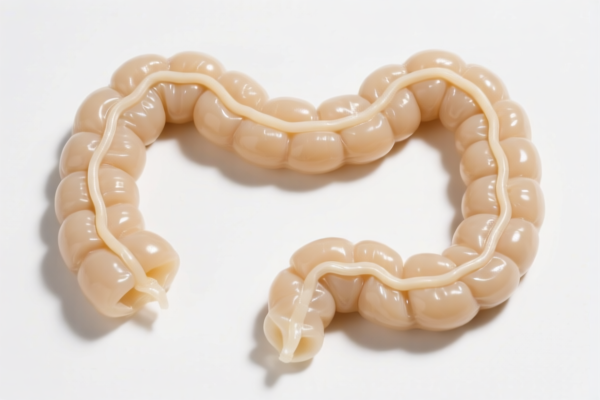
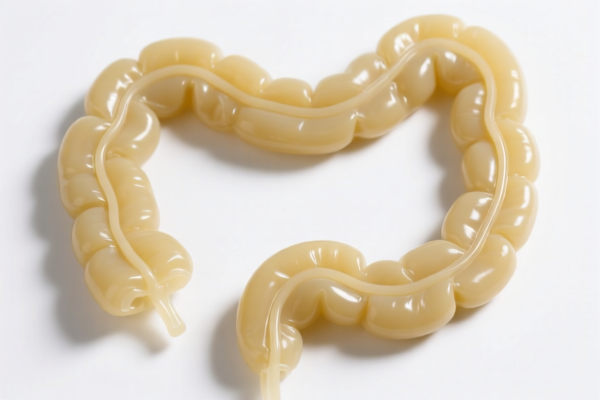

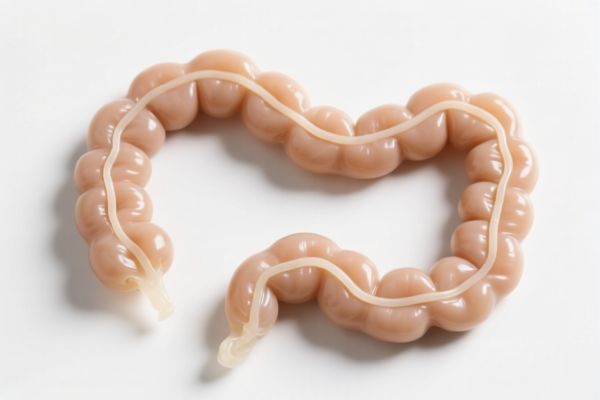
AI分析
🥩 Intestinal Casing Packaging Materials (Storage & Coating)
🌐 HS Code Reference & Clearance Guide | 2026 Latest Tariff Analysis | Professional Clearance Strategy
📌 I. Product Definition & Classification: Understanding the Supply Chain
Intestinal casing packaging materials are critical components in the meat processing industry. They are primarily divided into two functional categories in international trade:
- Storage & Transport Containers (The "Box"): Rigid or semi-rigid containers used to hold, protect, and transport natural or artificial casings during logistics.
- Coating & Processing Materials (The "Layer"): Substances applied to casings (often protein-based) to improve durability, texture, or preservation during the curing or stuffing process.
⚠️ Key Distinction Point: - If the product is a physical container (plastic box, steel drum) for storage → Classified under Chapter 39 (Plastics) or Chapter 73 (Iron/Steel). - If the product is a chemical/coating substance (protein isolate) used in processing → Classified under Chapter 35 (Animal Substances).
📦 II. HS Code Classification Details (2026 Latest Tariff Authority)
Based on the provided data, here are the specific HS Codes and their corresponding tax structures for U.S. imports from China.
| HS Code | Product Description | Application Scenario | Material Type |
|---|---|---|---|
3923.10.90.00 |
Plastic boxes, crates, pallets, and similar articles for storing intestinal casings | Plastic storage bins, transport trays, rigid packaging | ✅ Plastic Container |
3923.10.20.00 |
Plastic packaging articles for storing intestinal casings | Flexible plastic wraps, pouches, or general plastic packaging supplies | ✅ Plastic Packaging |
7310.10.00.90 |
Iron or steel containers for storing intestinal casings | Steel drums, metal cans, heavy-duty metal storage vessels | ✅ Metal Container |
3504.00.10.00 |
Protein isolates and derivatives used as casing coating materials | Protein-based coatings, collagen enhancements, processing aids | ✅ Chemical/Protein Substance |
🔍 Critical Reminder: - Containers vs. Content: The HS Codes above apply to the packaging material itself (the box/coating), NOT the intestinal casings inside. If you declare "Casings," you must use Chapter 05 codes (e.g., 0504.00), which have different tariffs. - Steel Penalty: Steel containers (
7310.10.00.90) face a significantly higher combined tariff due to specific sectoral additions (Steel/Aluminum/Copper).
💰 III. 2026 Latest Tariff Rate Breakdown (Including Additional Taxes)
✅ Applicable Country: United States (US)
✅ Origin: China (CN)
✅ Effective Time: Current Trade Policies (Section 301 & 122)
🎯 1. 3923.10.90.00 & 3923.10.20.00 —— Plastic Containers & Packaging
These codes represent plastic storage solutions. While the base tariff varies, the additional taxes are substantial due to trade remedies.
| Item | Details |
|---|---|
| HS Code | 3923.10.90.00 (Plastic Boxes/Crates) OR 3923.10.20.00 (Other Plastic Packaging) |
| Base Tariff | 3.0% (for 90.00) / 0.0% (for 20.00) |
| Section 301 Additional Tariff | +25.0% |
| "122 Section" Tariff | +10.0% |
| Total Effective Rate | 38.0% (for 90.00) 35.0% (for 20.00) |
| Tax Calculation Basis | CIF Value × Total Rate |
| De Minimis Exemption | ❌ Not Applicable (High-value commercial shipments) |
| Legal Basis Path | USITC:3923.10 → Section 301: Footnote 9903.88.01 → 122 Section Provision |
📌 Explanation: - The 25% Section 301 tariff is the standard punitive tariff on Chinese goods. - The 10% "122 Section" tariff is an additional layer applied specifically to certain categories, further increasing the cost. - Difference: Code
3923.10.90.00has a 3% base, totaling 38%. Code3923.10.20.00has a 0% base, totaling 35%.
🎯 2. 3504.00.10.00 —— Protein Isolates for Coating
This code covers the chemical/protein materials used to coat or treat casings.
| Item | Details |
|---|---|
| HS Code | 3504.00.10.00 |
| Base Tariff | 5.0% |
| Section 301 Additional Tariff | +7.5% |
| "122 Section" Tariff | +10.0% |
| Total Effective Rate | 22.5% |
| Tax Calculation Basis | CIF Value × 22.5% |
| De Minimis Exemption | ❌ Not Applicable |
| Legal Basis Path | USITC:3504.00 → Section 301 → 122 Section Provision |
📌 Explanation: - This is the lowest risk category among the packaging materials listed. - The Section 301 rate is only 7.5% (not 25%), which significantly lowers the total burden compared to plastic/steel containers. - Key Advantage: If your product is strictly a protein coating material, this is the most cost-effective classification.
🎯 3. 7310.10.00.90 —— Iron/Steel Containers for Storage
This code applies to metal drums or steel boxes. It carries the highest penalty due to targeted sectoral tariffs.
| Item | Details |
|---|---|
| HS Code | 7310.10.00.90 |
| Base Tariff | 0.0% |
| Section 301 Additional Tariff | +25.0% |
| "122 Section" Tariff | +10.0% |
| Steel/Aluminum/Copper Additional Tariff | +50.0% |
| Total Effective Rate | 85.0% |
| Tax Calculation Basis | CIF Value × 85.0% |
| De Minimis Exemption | ❌ Not Applicable |
| Legal Basis Path | USITC:7310 → Section 301 → 122 Section → Section 232 (Steel/Aluminum) |
📌 Explanation: - CRITICAL WARNING: This is an extremely high tariff of 85%. - The 50% surcharge is specifically for "Steel, Aluminum, and Copper products." - Advice: Avoid importing steel containers from China if possible. Consider switching to plastic (
3923.10) to save 50% in tariffs.
🛠️ IV. Clearance Practical Advice (Battle-Tested Pitfall Avoidance)
✅ 1. Documentation Checklist (Non-Negotiable)
| Document | Required | Description |
|---|---|---|
| ✅ Commercial Invoice | ✔️ | Must clearly state "Plastic Storage Containers" or "Protein Coating Material," NOT "Casings." |
| ✅ Packing List | ✔️ | Detail the weight and dimensions of the packaging material separately from the goods (if shipped together). |
| ✅ Product Specification | ✔️ | For 3504.00.10.00: Provide SDS (Safety Data Sheet) proving it is a protein isolate, not a casing. |
| ✅ Material Declaration | ✔️ | Confirm the composition (e.g., "100% HDPE Plastic" or "Whey Protein Isolate"). |
| ✅ Country of Origin | ✔️ | Must clearly mark "Made in China" to trigger accurate tax calculation. |
✅ 2. Classification Strategy (Key Mantras)
🔥 "Packaging is NOT the Product! Name it Right, Tax Gets Light!"
| Scenario | Correct Declaration | Wrong Declaration | Consequence |
|---|---|---|---|
| Plastic Box | "Plastic Storage Crate for Food Processing" | "Intestinal Casing Box" | Ambiguity may lead to misclassification. Stick to material function. |
| Steel Drum | "Steel Container for Industrial Use" | "Casing Drum" | High risk of 85% tariff. Switch to Plastic if possible. |
| Protein Powder | "Protein Isolate for Food Coating" | "Casing Ingredient" | If declared as "Ingredient," customs may look for Chapter 05 (Casings) codes, causing delays. |
| Mixed Shipment | Split Invoice: Item A (Packaging), Item B (Casings) | Single line: "Casing Supplies" | Major Audit Risk. Packaging and Goods must be separated. |
✅ 3. Special Handling Tips
| Situation | Recommendation |
|---|---|
| Plastic vs. Steel | Strongly recommend using Plastic (3923.10). Steel (7310.10.00.90) incurs an extra 50% tariff. The price difference in plastic vs. steel packaging is rarely worth the 50% tax hit. |
| Protein Coating | Ensure the product is clearly identified as a coating/processing aid (3504.00.10.00) rather than a food additive, to avoid FDA pre-clearance complexities unrelated to tariff. |
| De Minimis | Commercial shipments of these materials do not qualify for the $800 de minimis exemption. Full duty payment is required. |
🌍 V. Global Market Comparison (2026 Update)
| Country/Region | Recommended HS Code | Total Tariff Rate (from China) | Note |
|---|---|---|---|
| 🇺🇸 USA | 3923.10.90.00 / 3504.00.10.00 |
35% - 85% | High penalties on Steel & Plastics. |
| 🇨🇳 China (Import) | 3923.10.90.00 / 3504.00.10.00 |
0% - 5% | No Section 301 or 122 tariffs. Low cost. |
| 🇪🇺 EU | 3923.10.90.00 |
~6.5% | Standard MFN rate. No aggressive political tariffs. |
| 🇦🇺 Australia | 3923.10.90.00 |
5% | Low standard tariff. |
📌 Conclusion: - The USA is the most expensive market for these packaging materials due to the layered "122 Section" and "Section 301/232" tariffs. - Steel containers are financially unviable from China to the US due to the 85% total rate.
📌 VI. Common Mistakes & Pitfalls (Lessons Learned)
❌ Mistake 1: Declaring "Steel Casing Drums" under Plastic HS Codes. 👉 Consequence: Customs seizure, fines, and forced reclassification. Material composition must match the HS Code.
❌ Mistake 2: Mixing "Casings" and "Plastic Boxes" in one invoice line. 👉 Consequence: Customs cannot determine the tax for the box separately. The entire shipment may be taxed at the highest rate or held for inspection.
❌ Mistake 3: Ignoring the "122 Section" 10% tax. 👉 Consequence: Underpayment of duties. The total tax is Base + 301 + 122. Ignoring the 10% leads to penalties at destination.
✅ Correct Action:
"Item: Plastic Storage Crate, Material: HDPE, Usage: Food Industry Packaging. HS: 3923.10.90.00. Origin: China."
🎯 VII. Conclusion: Optimize Your Packaging for Tax Efficiency
🎯 Key Takeaway:
🔹 "Avoid Steel from China: 85% Tax is Too High!" 🔹 "Use Plastic (35-38%) or Protein Coating (22.5%) for Better Margins." 🔹 "Separate Packaging from Goods in Documents to Avoid Delays."
📌 Pro Tip: If you are importing plastic containers from China to the US, budget for a 35-38% landed cost increase. Consider sourcing plastic packaging from Vietnam or Mexico if possible, as they may qualify for lower Section 301 rates (subject to current FTAA rules), though you must verify the "122 Section" applicability for those regions.
✨ Professional Clearance Starts with Accurate Classification!
💼 Every Percent in Tariff is Profit Lost. Optimize Now.
用户评价
关于 HS 编码归类
协调制度(HS)是由世界海关组织(WCO)制定的国际贸易商品分类标准。全球 200 多个国家采用 HS 系统作为海关关税、贸易统计和进出口监管的基础。
每个 HS 编码遵循以下层级结构:
- 章(2 位)——商品大类(例如:第 84 章:机器和机械设备)
- 品目(4 位)——章内的更具体分类
- 子目(6 位)——国际通用细分,所有 WCO 成员国统一使用
- 本国细分(8-10 位)——各国自行扩展的细分编码,如美国 HTSUS 10 位编码
正确的 HS 编码归类对于顺利通关、准确缴纳关税和遵守贸易法规至关重要。错误归类可能导致海关延误、多缴关税或罚款。
从CN进口到US时,适用的关税税率可能包括:
- 最惠国(MFN)税率——适用于 WTO 成员国的标准关税税率
- 普通税率——适用于无贸易协定国家
- 贸易救济关税——附加关税,如 301 条款(反倾销)、232 条款(国家安全)或反补贴税
本页内容仅供参考。如需正式归类,请咨询当地海关或持牌报关代理。