Iron or Alloy Steel Wire
CN → US| HS编码 | 关税税率 | 原产国 | 目的国 | 文档 |
|---|---|---|---|---|
| 7312103080 | 85.0% | CN | US | 官方文档 |
| 7312103070 | 85.0% | CN | US | 官方文档 |
| 7217106000 | 10.0% | CN | US | 官方文档 |
| 7217109000 | 10.0% | CN | US | 官方文档 |
商品图片


AI分析
🏗️ Iron & Alloy Steel Wire: HS Code Classification & US Tariff Breakdown (2026)
🌐 HS Code Reference & Customs Clearance Guide | 2026 Latest Tariff Analysis | Professional Compliance Strategy
📌 I. Product Definition & Classification: Do You Know Your "Steel Wire"?
"Iron or Alloy Steel Wire" is a broad category in international trade, primarily used in construction, manufacturing, textiles, and industrial applications. In the US Harmonized Tariff Schedule (HTSUS), classification depends strictly on material composition (carbon content), surface treatment (galvanized/coated), and structure (solid wire vs. stranded cable).
1. Solid Wire (Non-Stranded): * Low Carbon Steel (<0.25% C): Often used for nails, screws, or general fabrication. * Other Steel: Higher carbon or specific alloy compositions.
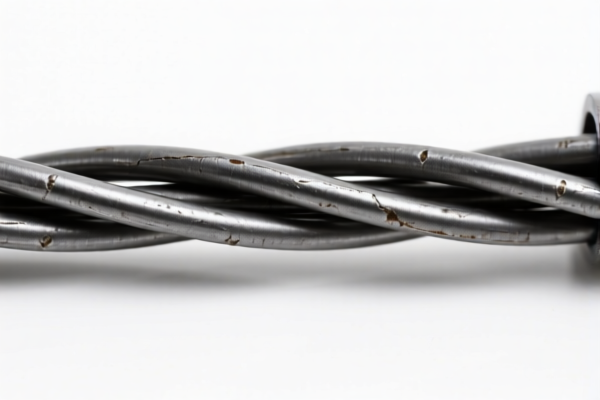
2. Stranded Wire/Ropes: * Plaited bands, slings, cables, and ropes made of multiple strands twisted together. * Insulation Status: Must be not electrically insulated to fall under this specific dataset (Chapter 73).
⚠️ Key Distinction Point:
- If the product is a single solid strand → Check Chapter 72 (Iron/Steel Articles).
- If the product is twisted/stranded into a rope or cable → Check Chapter 73 (Articles of Iron or Steel).
- Crucial: All items below are NOT electrically insulated. If insulated, they fall under Chapter 85 (Electrical Equipment).
📦 II. HS Code Classification Details (2026 Latest Tariff Data)
Based on the provided dataset, here are the exact classifications for "Iron or Alloy Steel Wire" products:
| HS Code | Product Description | Key Characteristics | Application Scenarios |
|---|---|---|---|
7217.10.60.00 |
Wire of iron or nonalloy steel; Not plated/coated; <0.25% Carbon; Other wire | Solid wire, low carbon, bare | Nails, staples, general fabrication wire |
7217.10.90.00 |
Wire of iron or nonalloy steel; Not plated/coated; Other Carbon Content; Other wire | Solid wire, higher carbon or specific alloy, bare | Springs, fencing, high-tension wire |
7312.10.30.70 |
Stranded wire, ropes, cables; Galvanized; Covered with textile/nonmetallic material | Twisted steel rope, zinc-coated, covered | Industrial slings, covered cables, textured ropes |
7312.10.30.80 |
Stranded wire, ropes, cables; Other; Other | Twisted steel rope/cable, NOT galvanized or covered | Bare steel cables, general-purpose wire ropes, plaited bands |
🔍 Critical Reminder:
- Structure Matters: A single piece of steel wire is 7217.xxxx. Once twisted into a rope/cable, it becomes 7312.10.xxxx.
- Surface Treatment: Galvanized (zinc-coated) vs. Non-Galvanized changes the sub-heading significantly in stranded products (7312.10.30.70 vs 7312.10.30.80).
- No Insulation: These codes explicitly exclude electrically insulated wires. If the wire has rubber/plastic insulation, it does not belong here.
💰 III. 2026 US Tariff Rate Breakdown (Detailed Analysis)
✅ Applicable Country: United States (US)
✅ Origin: China (CN)
✅ Effective Time: Current rates apply (Subject to ongoing trade policies)
🎯 1. 7217.10.60.00 & 7217.10.90.00 — Solid Iron/Steel Wire
| Item | Details |
|---|---|
| Base Tariff | 0.0% |
| Additional Tariff (Section 301) | 0.0% |
| Total Tax Rate | 0.0% |
| Tax Detail | Base: 0.0% + Additional: 0.0% |
| Eligibility for De Minimis | ✅ Yes (Generally eligible under $800 value, unless specific exclusions apply) |
| Legal Basis | Standard HTSUS entry for iron/steel wire |
📌 Explanation:
- Solid steel wire (non-stranded) currently enjoys a 0% total tariff rate under this specific dataset.
- This makes solid wire highly competitive for import into the US compared to other steel articles.
- Note: Always verify if the specific wire type is subject to Section 232 (Steel/Aluminum tariffs) or other anti-dumping duties (ADD/CVD), as the provided data only shows "Basic + Additional" ad valorem rates.
🎯 2. 7312.10.30.70 & 7312.10.30.80 — Stranded Steel Wire/Ropes
| Item | Details |
|---|---|
| Base Tariff | 0.0% |
| Additional Tariff (Section 301) | 25.0% |
| Steel/Aluminum Surcharge | 50.0% (Note: Dataset specifies "Steel, Aluminum, Copper Products Surcharge: 50%") |
| Total Tax Rate | 75.0% |
| Tax Detail | Base: 0.0% + Additional: 25.0% + Steel Surcharge: 50% |
| Eligibility for De Minimis | ❌ High Risk / Likely Denied |
| Legal Basis | HTSUS 7312 + Section 301 Footnotes + Steel/Aluminum Trade Actions |
📌 Explanation:
- Stranded wires, ropes, and cables are classified under Chapter 73 and are subject to significantly higher tariffs than solid wire.
- Total Rate: 75%. This is composed of:
1. 0% Base Duty.
2. 25% Section 301 Additional Duty (Standard for many steel products).
3. 50% Specific Surcharge on Steel/Aluminum Products (As indicated in the dataset: "钢,铝铜制品加征关税: 50%").
- Impact: A $10,000 shipment of steel rope will incur $7,500 in duties alone.
- De Minimis Exemption: Given the high tariff rate (75%) and the nature of steel products, shipments under $800 are strongly advised against using de minimis clearance, as customs may flag them for audit, ADD/CVD, or anti-circumvention investigations.
🛠️ IV. Customs Clearance Operational Advice (Practical Pitfall Guide)
✅ 1. Document Checklist (Non-Negotiable)
| Document | Required? | Purpose |
|---|---|---|
| ✅ Product Specification Sheet | ✔️ | Must specify: Carbon content (<0.25% vs >0.25%), Diameter, Tensile Strength, Galvanization status. |
| ✅ Structure Diagram/Photo | ✔️ | Critical to prove Solid Wire (7217) vs. Stranded Rope (7312). A twisted rope is NEVER 7217. |
| ✅ Commercial Invoice | ✔️ | Must state "Not Electrically Insulated." If insulated, HS code changes to Chapter 85. |
| ✅ Certificate of Origin (CO) | ✔️ | Essential for determining Section 301 applicability. |
| ✅ Material Composition Test Report | ✔️ | Proves carbon content for 7217.10.60.00 vs 7217.10.90.00. |
✅ 2. Classification Tips (Key Mnemonics)
🔥 "Solid Wire is 72, Rope is 73. Galvanized Rope gets hit with 75% Tax!"
| Scenario | Correct HS Code | Tariff Impact |
|---|---|---|
| Solid Wire, Low Carbon, Bare | 7217.10.60.00 |
0% (Best Case) |
| Solid Wire, Other Carbon, Bare | 7217.10.90.00 |
0% (Best Case) |
| Steel Rope, Galvanized, Covered | 7312.10.30.70 |
75% (High Cost) |
| Steel Rope, Bare/Other | 7312.10.30.80 |
75% (High Cost) |
⚠️ Common Mistake:
- Reporting a stranded steel cable as7217.10.xxxx(Solid Wire).
👉 Consequence: Misclassification. Customs will reclassify it to 7312 and charge 75% duties + penalties.
- Reporting an insulated wire under these codes.
👉 Consequence: Wrong chapter. Should be 8544/8546. Potential fraud accusation if intentional.
✅ 3. Special Cases & Handling
| Case | Handling Advice |
|---|---|
| OEM Custom Ropes | Provide detailed specs. If "covered with textile," ensure it's 7312.10.30.70, not bare. |
| Mixed Shipments | If a container has both solid wire and stranded ropes, declare separately. Do not average the tariff. |
| De Minimis ($800 Rule) | ❌ Avoid for Stranded Steel (7312). The 75% tariff makes de minimis risky. Use formal entry for bulk shipments. |
| Anti-Dumping/CVD | Check if specific steel wires from China have ADD/CVD cases (e.g., carbon steel wire rope). These are separate and additive to the 75% shown here. |
🌍 V. Global Market Comparison (2026 Snapshot)
| Market | Recommended HS Code | Estimated Tariff (China Origin) | Notes |
|---|---|---|---|
| 🇺🇸 USA | 7312.10.30.80 (Stranded) |
75.0% | Includes Base + Sec 301 + Steel Surcharge |
| 🇺🇸 USA | 7217.10.60.00 (Solid) |
0.0% | Solid wire currently tariff-free in this dataset |
| 🇪🇺 EU | 7312.10.90 | ~5-6% | Standard MFN rate, no Section 301 equivalent |
| 🇨🇳 China | 7312.10.30 | ~5-10% | Import tariff to China |
| 🇲🇽 Mexico | 7312.10.90 | 0% (Under USMCA if compliant) | Preferential if rules of origin met |
📌 Conclusion:
- USA is the most expensive market for stranded steel wires/ropes due to the 75% cumulative tariff.
- Solid steel wire remains a 0% tariff item in this specific dataset, making it a strategic choice if product design allows.
- Supply Chain Strategy: Consider sourcing stranded ropes from non-China origins (e.g., Mexico, Vietnam) to avoid the 75% US tariff, or redesign products to use solid wire if functionally permissible.
📌 VI. Common Errors & Pitfalls (Lessons Learned)
❌ Error 1: Classifying Galvanized Steel Rope as 7312.10.30.80 (Bare)
👉 Result: If it's actually covered or galvanized differently, misclassification. However, both 70/80 have 75% in this dataset, so tariff impact is neutral, but description accuracy is vital for compliance.
❌ Error 2: Classifying Stranded Cable as Solid Wire (7217)
👉 Result: Disaster. Customs will assess 75% duties + penalties for undervaluation/tariff evasion.
❌ Error 3: Using De Minimis for Large Stranded Steel Imports
👉 Result: High risk of audit, seizure, or forced formal entry with back-taxes of 75%.
❌ Error 4: Ignoring Electrical Insulation
👉 Result: If the wire is insulated, it belongs in Chapter 85. Incorrect classification leads to duty differences and regulatory non-compliance (FCC/UL).
✅ Correct Approach:
"Galvanized Steel Wire Rope, 1/2 inch, 6x19 Construction, Not Electrically Insulated, For Industrial Slings"
🎯 VII. Conclusion: Precision in Classification Saves Capital!
🎯 Key Takeaways:
🔹 Solid Wire = 0% Tax (Check 7217).
🔹 Stranded Rope = 75% Tax (Check 7312).
🔹 Insulation Changes Everything (Move to Chapter 85).
🔹 Avoid De Minimis for Stranded Steel due to high risk and cost.
📌 Pro Tip:
If you are importing stranded steel ropes into the US, calculate the 75% duty into your landed cost immediately.
Consider pre-classification rulings with CBP if the product structure (e.g., "plaited band" vs. "cable") is ambiguous.
📣 Immediate Action:
📞 Consult a Customs Broker before shipping stranded steel products.
📄 Prepare Technical Data Sheets proving carbon content and structure.
💡 Explore Non-China Sourcing for stranded ropes to mitigate the 75% US tariff burden.
✨ Accurate Classification = Cost Control & Compliance.
💼 Don't let a 75% tariff surprise your bottom line!
用户评价
关于 HS 编码归类
协调制度(HS)是由世界海关组织(WCO)制定的国际贸易商品分类标准。全球 200 多个国家采用 HS 系统作为海关关税、贸易统计和进出口监管的基础。
每个 HS 编码遵循以下层级结构:
- 章(2 位)——商品大类(例如:第 84 章:机器和机械设备)
- 品目(4 位)——章内的更具体分类
- 子目(6 位)——国际通用细分,所有 WCO 成员国统一使用
- 本国细分(8-10 位)——各国自行扩展的细分编码,如美国 HTSUS 10 位编码
正确的 HS 编码归类对于顺利通关、准确缴纳关税和遵守贸易法规至关重要。错误归类可能导致海关延误、多缴关税或罚款。
从CN进口到US时,适用的关税税率可能包括:
- 最惠国(MFN)税率——适用于 WTO 成员国的标准关税税率
- 普通税率——适用于无贸易协定国家
- 贸易救济关税——附加关税,如 301 条款(反倾销)、232 条款(国家安全)或反补贴税
本页内容仅供参考。如需正式归类,请咨询当地海关或持牌报关代理。