Juice Squeezer
CN → US| HS编码 | 关税税率 | 原产国 | 目的国 | 文档 |
|---|---|---|---|---|
| 8509400015 | 14.2% | CN | US | 官方文档 |
| 8509400030 | 14.2% | CN | US | 官方文档 |
| 8438800000 | 35.0% | CN | US | 官方文档 |
| 8438600000 | 35.0% | CN | US | 官方文档 |
| 8210000000 | 38.7% | CN | US | 官方文档 |
商品图片
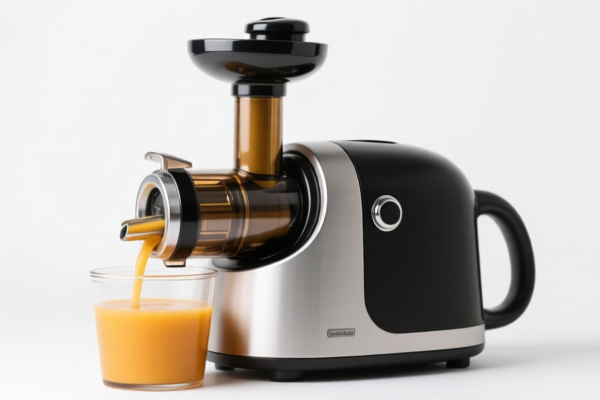
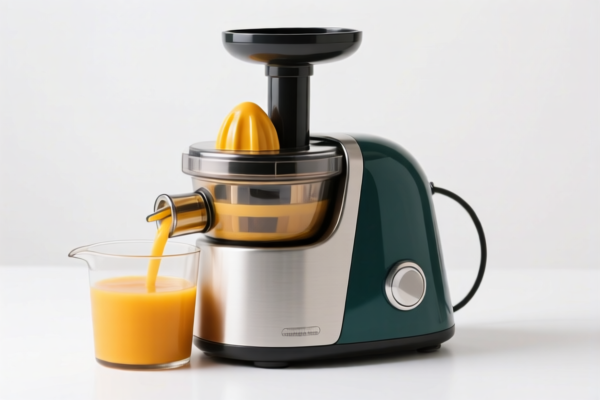
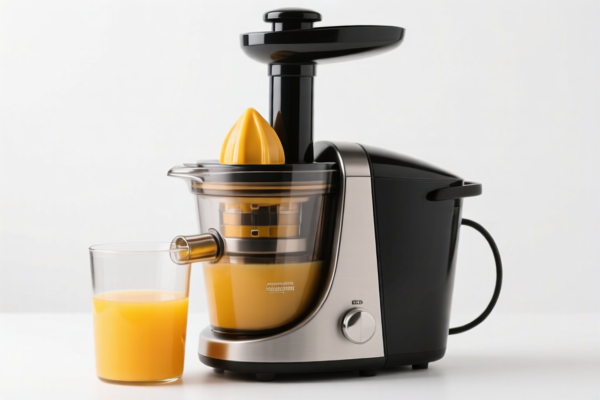
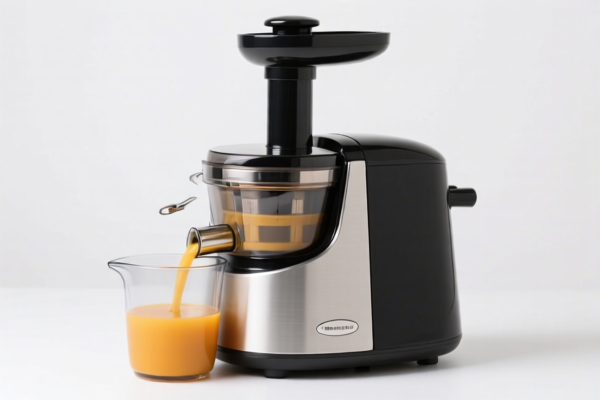
AI分析
🍊 Juice Squeezer (Homogeneous Juice Extractors)
🌐 HS Code Reference & Customs Clearance Guide | 2026 Latest Tariff Analysis | Strategic Compliance for U.S. Imports
📌 1. Product Definition & Classification: Do You Really Understand the "Juice Squeezer"?
A Juice Squeezer (also known as a Juicer or Citrus Press) is a mechanical device used to extract juice from fruits (such as oranges, lemons, limes) or vegetables. In international trade, the classification depends heavily on scale, mechanism, and intended use (Household vs. Industrial).
Key Distinction Points: * Household/Small Commercial Electric Juicers: Typically fall under Chapter 85 (Electrical Machinery). If they are simple centrifugal or citrus presses for home use, they are often classified as 8509.40. * Industrial/Large-Scale Mechanical Juicers: If the machine is designed for large-scale food or beverage preparation (industrial scale) and does not fit the "household appliance" definition strictly, it may fall under Chapter 84 (Machinery for food/beverage preparation), specifically 8438.80 or 8438.60. * Manual/Non-Electric Tools: Rare for modern imports, but if purely manual and metallic, they might theoretically fall under 8210.00 (Manual mechanical appliances for food/drink prep), though this is less common for electric models.
⚠️ Critical Risk Alert:
Misclassifying an industrial-grade juicer as a household one (or vice versa) can lead to significant duty discrepancies, especially given the heavy Section 301 and IEEPA additional tariffs currently applied to Chinese-origin goods.
📦 2. HS Code Classification Details (2026 Latest Tariff Concordance)
Based on the provided data, here are the four possible HS Codes for "Juice Squeezer," their summaries, and tax implications.
| HS Code | Product Description & Summary | Key Classification Logic | Total Tax Rate |
|---|---|---|---|
| 8509.40.00.15 | Citrus Juice Extractor (Household) | Classified as a "Juice Extractor" under household appliances. Matches the specific subheading for citrus extractors. | 14.2% |
| 8509.40.00.30 | Juice Extractor (General Household) | Product name "Juice Squeezer" aligns perfectly with "Fruit or Vegetable Juice Extractors" in the classification explanation. | 14.2% |
| 8438.80.00.00 | Food/Bev Machinery (Other) | Classified as machinery for the industrial preparation/manufacture of food or beverages. Does not meet strict "household" criteria. | 35.0% |
| 8438.60.00.00 | Fruit/Nut/Veg Prep Machinery | Specifically for machinery preparing fruit, nuts, or vegetables. Aligns with the functional definition of "juicing" in an industrial context. | 35.0% |
| 8210.00.00.00 | Manual Mechanical Appliances | Rare for electric models. Applies to manual tools for food/drink prep. No material conflict, but unlikely for standard electric juicers. | 38.7% |
🔍 Important Note:
- 8509 codes are generally for smaller, household-type electrical appliances.
- 8438 codes are for larger, industrial-scale machinery.
- 8210 is for manual/mechanical tools (non-electric).
Ensure your product's technical specifications (power, volume, automation level) match the chosen code.
💰 3. Detailed Tariff Breakdown (Including Additional Duties)
✅ Applicable Country: United States (US)
✅ Origin: China (CN) (Implied by the specific "122 Clause" and 25% surcharge references common in US-China trade data)
✅ Effective Date: Current Trade Regulations (2025-2026)
🎯 1. 8509.40.00.15 & 8509.40.00.30 – Household Juice Extractors
These two codes share the same tax structure. They are the most common classifications for standard electric citrus juicers and multi-fruit juicers sold for home use.
| Item | Content |
|---|---|
| Base Duty Rate | 4.2% |
| Section 301 Surcharge | 0.0% (Note: This specific data source indicates 0% for these subheadings, which is a critical advantage. However, verify current USTR exclusions as policies change.) |
| IEEPA "122 Clause" Surcharge | 10.0% |
| Total Tax Rate | 14.2% |
| Calculation Basis | CIF Value × 14.2% |
| De Minimis Eligibility | ❌ No (Section 301/IEEPA duties usually apply to all imports, no de minimis exemption for these categories) |
| Legal Pathway | IEEPA:9903.01.25 → USITC:8509.40.00.xx |
📌 Explanation:
- The 10% IEEPA surcharge is a standard additional duty on many Chinese electrical appliances.
- The 0% Section 301 in this specific dataset suggests these particular 8-digit subheadings might not have the additional 25% tariff, or the data source reflects a specific exclusion. Always double-check with a customs broker.
- Total Cost Impact: 14.2% is significantly lower than the industrial alternatives.
🎯 2. 8438.80.00.00 – Industrial Food/Bev Machinery
If your juicer is a large commercial unit (e.g., for juice bars, factories), it may be classified here.
| Item | Content |
|---|---|
| Base Duty Rate | 0.0% |
| Section 301 Surcharge | 25.0% |
| IEEPA "122 Clause" Surcharge | 10.0% |
| Total Tax Rate | 35.0% |
| Calculation Basis | CIF Value × 35.0% |
| De Minimis Eligibility | ❌ No |
| Legal Pathway | IEEPA:9903.01.24 → USITC:8438.80.00.00 → FOOTNOTE:301 |
📌 Explanation:
- Industrial machinery often falls under Section 301 with a 25% surcharge.
- Combined with the 10% IEEPA duty, the total hits 35%.
- Cost Impact: More than double the household appliance rate.
🎯 3. 8438.60.00.00 – Fruit/Nut/Veg Prep Machinery
Similar to above, if the machine is specifically for preparing fruit/nuts/vegetables in an industrial setting.
| Item | Content |
|---|---|
| Base Duty Rate | 0.0% |
| Section 301 Surcharge | 25.0% |
| IEEPA "122 Clause" Surcharge | 10.0% |
| Total Tax Rate | 35.0% |
| Calculation Basis | CIF Value × 35.0% |
| De Minimis Eligibility | ❌ No |
| Legal Pathway | IEEPA:9903.01.24 → USITC:8438.60.00.00 |
🎯 4. 8210.00.00.00 – Manual Mechanical Appliances
Rare for electric juicers. If your product is a hand-cranked metal press.
| Item | Content |
|---|---|
| Base Duty Rate | 3.7% |
| Section 301 Surcharge | 25.0% |
| IEEPA "122 Clause" Surcharge | 10.0% |
| Total Tax Rate | 38.7% |
| Calculation Basis | CIF Value × 38.7% |
| De Minimis Eligibility | ❌ No |
| Legal Pathway | IEEPA:9903.01.24 → USITC:8210.00.00.00 |
⚠️ Highest Risk Code: This code results in the highest total duty (38.7%). Only use if the product is truly manual and metallic.
🛠️ 4. Customs Clearance Practical Advice (Real-World Pitfall Avoidance)
✅ 1. Preparation Checklist (Mandatory)
| Document | Required | Description |
|---|---|---|
| ✅ Product Specification Sheet | ✔️ | Must include: Voltage, Frequency, Power (Watts), Capacity (Liters/Minute), Motor Type. |
| ✅ Technical Diagrams | ✔️ | To prove it is an "Electrical Appliance" (8509) vs. "General Machinery" (8438). |
| ✅ Product Photos | ✔️ | Clear shots of the motor, control panel, and brand plate. |
| ✅ CE/FCC/RoHS Certificates | ✔️ | Mandatory for electrical imports into the US. |
| ✅ Commercial Invoice | ✔️ | Must clearly state: "Juice Squeezer / Citrus Extractor" and HS Code. |
| ✅ Packing List | ✔️ | Show if the unit is complete or if parts are shipped separately. |
✅ 2. Declaration Tips (Key Mantras)
🔥 "Clarify Use: Home or Factory? Specify Power: Electric or Manual? Get the Code Right!"
| Scenario | Correct HS Code | Incorrect Declaration Risk |
|---|---|---|
| Electric Juicer for Home | 8509.40.00.15 or .30 |
Declaring as 8438 → Overpay 20.8% |
| Industrial Juicer for Factory | 8438.80.00.00 or .60 |
Declaring as 8509 → Underpay & Penalty Risk |
| Manual Metal Press | 8210.00.00.00 |
Declaring as 8509 → Misclassification |
✅ 3. Special Cases
| Situation | Handling Advice |
|---|---|
| OEM Branded Juicers | Ensure the brand owner is clear. Customs may audit for value allocation. |
| Juicer + Stand/Case | If the stand is part of the unit, declare as one item under the juicer's HS code. Do not split unless necessary. |
| Pre-Export Ruling | For large shipments, apply for an Advance Ruling from U.S. Customs to confirm the correct HS Code (8509 vs. 8438). |
🌍 5. Global Market Comparison (2026 Latest)
| Country/Region | Recommended HS Code | Total Duty (China Origin) | Notes |
|---|---|---|---|
| 🇺🇸 USA | 8509.40.00.15/30 |
14.2% | Best rate for household units. |
| 🇨🇳 China | 8450.11.00 (Import) |
~10-15% | Domestic production dominates. |
| 🇪🇺 EU | 8509.40 |
~2-4% | No Section 301 equivalent. |
| 🇯🇵 Japan | 8509.40 |
~3-5% | Low base duty, no major surcharges. |
| 🇦🇺 Australia | 8509.40 |
~5% | GST applies separately. |
📌 Conclusion:
The U.S. market is the most complex due to the IEEPA 10% surcharge. However, by correctly classifying household juicers under 8509.40, you can benefit from a lower total duty (14.2%) compared to industrial machinery (35.0%) or manual tools (38.7%).
📌 6. Common Errors & Pitfall Guide (Lessons Learned)
❌ Mistake 1: Calling an electric juicer "Kitchen Machinery"
👉 Result: Customs may reclassify it to 8438 (35% duty) instead of 8509 (14.2%).
👉 Fix: Always use terms like "Electric Juice Extractor" or "Citrus Press."
❌ Mistake 2: Ignoring the "122 Clause" IEEPA Surcharge
👉 Result: Underestimating landed cost by 10%.
👉 Fix: Add 10% IEEPA to all cost calculations for China-origin goods.
❌ Mistake 3: Missing FCC Certification
👉 Result: Goods held at port, fines, or return shipment.
👉 Fix: Ensure FCC ID is on the product and documentation.
✅ Correct Practice:
"Electric Juice Squeezer, Citrus Extractor, 120V, 60Hz, for Household Use, Model XYZ, FCC Certified"
🎯 7. Conclusion: Professional Declaration, Cost Efficiency, Smooth Clearance!
🎯 Remember the Mantra:
🔹 "Household = 8509 (14.2%) | Industrial = 8438 (35%) | Manual = 8210 (38.7%)"
🔹 "IEEPA 10% Always Applies! Verify Section 301 Status!"
📌 Pro Tip:
If you are importing high-volume commercial juicers, negotiate the classification before shipment using an Advance Ruling. This can save thousands in duties if the correct code is 8509 (if deemed small-scale/commercial appliance) rather than 8438.
📣 Take Action Now:
📞 Contact a licensed US Customs Broker.
📤 Provide Product Specs + Photos.
🚀 Ensure Compliance, Minimize Duties, Maximize Profit!
✨ Professional Clearance Starts with Accurate Classification!
💼 Your Cost Structure Depends on These Digits!
用户评价
关于 HS 编码归类
协调制度(HS)是由世界海关组织(WCO)制定的国际贸易商品分类标准。全球 200 多个国家采用 HS 系统作为海关关税、贸易统计和进出口监管的基础。
每个 HS 编码遵循以下层级结构:
- 章(2 位)——商品大类(例如:第 84 章:机器和机械设备)
- 品目(4 位)——章内的更具体分类
- 子目(6 位)——国际通用细分,所有 WCO 成员国统一使用
- 本国细分(8-10 位)——各国自行扩展的细分编码,如美国 HTSUS 10 位编码
正确的 HS 编码归类对于顺利通关、准确缴纳关税和遵守贸易法规至关重要。错误归类可能导致海关延误、多缴关税或罚款。
从CN进口到US时,适用的关税税率可能包括:
- 最惠国(MFN)税率——适用于 WTO 成员国的标准关税税率
- 普通税率——适用于无贸易协定国家
- 贸易救济关税——附加关税,如 301 条款(反倾销)、232 条款(国家安全)或反补贴税
本页内容仅供参考。如需正式归类,请咨询当地海关或持牌报关代理。