Juicer
CN → US| HS编码 | 关税税率 | 原产国 | 目的国 | 文档 |
|---|---|---|---|---|
| 8509400015 | 14.2% | CN | US | 官方文档 |
| 8509400030 | 14.2% | CN | US | 官方文档 |
| 8438800000 | 35.0% | CN | US | 官方文档 |
| 8438600000 | 35.0% | CN | US | 官方文档 |
| 8210000000 | 38.7% | CN | US | 官方文档 |
商品图片

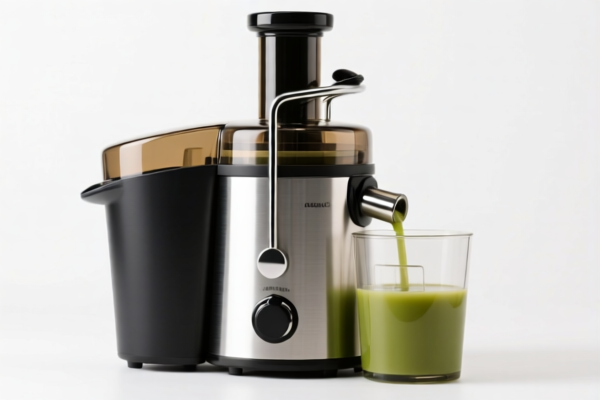
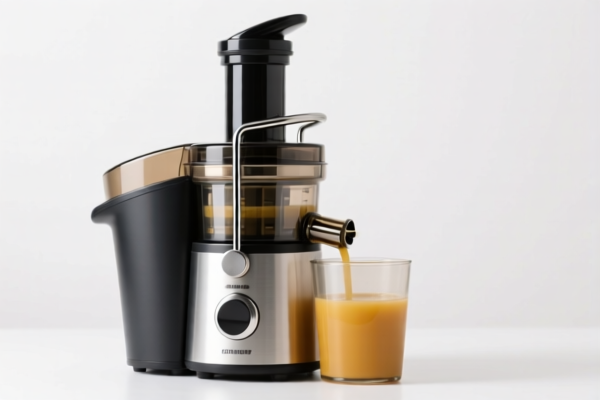

AI分析
🍊 Juicer: The Ultimate HS Code Classification & Clearance Guide (2026 Edition)
🌐 HS Code Reference & Clearance Strategy | 2026 Tax Regime Breakdown | Professional Logistics Solutions
📌 I. Product Definition & Classification: Is Your "Juicer" Truly a Juicer?
A Juicer is a versatile kitchen appliance designed to extract liquid from fruits, vegetables, or nuts. However, in international trade, its classification depends entirely on its power source, mechanism, and intended use (Home vs. Industrial). Misclassification can lead to massive tariff surprises, ranging from 14.2% to 38.7% or even higher.
Key Distinction: * Electric Home Juicers: Small, countertop appliances for households → Typically 8509. * Industrial/Commercial Juicers: Large machinery for beverage production → Typically 8438. * Manual Tools: Simple levers or presses without motors → Typically 8210.
⚠️ Critical Warning:
- If you classify a Home Juicer as an Industrial Machine, you risk a 35% tariff instead of 14.2%.
- If you classify a Manual Press as an Electric Appliance, you face 38.7% tariffs.
- Accuracy is your shield against customs audits!
📦 II. HS Code Classification Details (2026 Authority Reference)
| HS Code | Product Description | Usage Scenario | Tax Rate (Total) | Tax Composition |
|---|---|---|---|---|
8509.40.00.15 |
Electric Home Juicer (Fruit/Veg Extractor) | Household kitchen, small appliances | 14.2% | Base: 4.2% + Add: 0% + Section 122: 10% |
8509.40.00.30 |
Electric Home Juicer (Fruit/Veg Extractor) | Household kitchen, small appliances | 14.2% | Base: 4.2% + Add: 0% + Section 122: 10% |
8438.80.00.00 |
Industrial Juicer (Beverage Prep Machinery) | Factories, bars, large-scale food prep | 35.0% | Base: 0.0% + Add: 25.0% + Section 122: 10% |
8438.60.00.00 |
Industrial Juicer (Nut/Veg Prep Machinery) | Commercial food processing lines | 35.0% | Base: 0.0% + Add: 25.0% + Section 122: 10% |
8210.00.00.00 |
Manual Citrus Press (Lemon Squeezer) | Manual kitchen tools, no motor | 38.7% | Base: 3.7% + Add: 25.0% + Section 122: 10% |
🔍 Deep Dive into Logic:
- 8509 Series: Described as "Appliances with self-contained electric motor, for domestic use." If your juicer plugs into a wall and is for home use, this is your lowest cost option (14.2%).
- 8438 Series: Described as "Machinery for the preparation or manufacture of food or drink." If it's a massive unit for a juice bar, 35.0% applies due to the 25% additional tariff.
- 8210 Series: "Hand-operated mechanical appliances." If you are shipping a simple plastic/metal lemon squeezer without a motor, 38.7% applies (Base 3.7% + 25% + 10%).
💰 III. 2026 Tariff Rate Breakdown (Detailed Policy Analysis)
✅ Applicable Region: USA (US)
✅ Country of Origin: China (CN)
✅ Effective Date: 2025/2026 Regime (Including Section 122 & Section 301 additions)
🎯 1. 8509.40.00.15 / 8509.40.00.30 — Electric Home Juicers (The "Smart" Choice)
Best for: Exporting standard household juicers.
| Item | Detail |
|---|---|
| Base Duty | 4.2% (Standard MFN Rate) |
| Section 301 Additional | 0.0% (No extra Section 301 surcharge for this subheading in this specific dataset) |
| Section 122 Tariff | 10.0% (Targeted China-specific surcharge) |
| Total Effective Rate | 14.2% |
| Calculation Base | CIF Value × 14.2% |
| De Minimis Exemption | ❌ No (Commercial shipment rules apply) |
| Legal Path | HTSUS: 8509.40.00.15/30 → Section 122: 10% |
📌 Expert Insight:
This is the most tax-efficient category. The 14.2% rate is composed of a low base duty (4.2%) plus the Section 122 surcharge (10%). Do not misclassify these as industrial machines (8438) to save money; it triggers the 35% rate.
🎯 2. 8438.80.00.00 / 8438.60.00.00 — Industrial/Commercial Juicers
Best for: Factory-grade extractors, commercial bars.
| Item | Detail |
|---|---|
| Base Duty | 0.0% |
| Section 301 Additional | +25.0% (High Section 301 surcharge) |
| Section 122 Tariff | +10.0% |
| Total Effective Rate | 35.0% |
| Calculation Base | CIF Value × 35.0% |
| De Minimis Exemption | ❌ No |
| Legal Path | HTSUS: 8438.80.00.00 → Section 301: 25% → Section 122: 10% |
📌 Expert Insight:
Even though the Base Duty is 0%, the 25% Section 301 surcharge makes this category extremely expensive (35% total). Avoid this unless the product is genuinely industrial and not a "home-use" device marketed for small businesses.
🎯 3. 8210.00.00.00 — Manual Lemon Squeezers / Presses
Best for: Non-electric, hand-operated tools.
| Item | Detail |
|---|---|
| Base Duty | 3.7% |
| Section 301 Additional | +25.0% |
| Section 122 Tariff | +10.0% |
| Total Effective Rate | 38.7% |
| Calculation Base | CIF Value × 38.7% |
| De Minimis Exemption | ❌ No |
| Legal Path | HTSUS: 8210.00.00.00 → Section 301: 25% → Section 122: 10% |
📌 Expert Insight:
Highest Tax Rate! Manual juicers attract the same 25% Section 301 surcharge as industrial machines, plus the 10% Section 122, and a base duty. Total 38.7%. This is a trap for "simple" tools.
🛠️ IV. Clearance & Logistics Strategy (Avoiding Pitfalls)
✅ 1. Documentation Checklist (Mandatory)
| Document | Requirement | Why it Matters |
|---|---|---|
| ✅ Product Specs Sheet | ✔️ Mandatory | Must explicitly state: "Electric Motor," "Voltage," "Power (Watts)," "Intended Use (Domestic)." |
| ✅ Photos (Operation) | ✔️ Mandatory | Show the plug, the switch, and the fruit being processed. Proves it's an appliance (8509), not a tool (8210). |
| ✅ Commercial Invoice | ✔️ Mandatory | Description must read: "Electric Juicer for Household Use" or "Commercial Juicer" (be precise!). |
| ✅ Packing List | ✔️ Mandatory | Clarify if motors, blades, and containers are shipped together. |
| ✅ Certificate of Origin | ✔️ Mandatory | To confirm China origin (for Section 122) and verify eligibility for any potential waivers. |
✅ 2. Classification Strategy: The "Right Code" Rule
| Scenario | Correct Classification | Risk of Wrong Classification |
|---|---|---|
| Home Electric Juicer (e.g., KitchenAid, Oster) | 8509.40.00.15 or 8509.40.00.30 | ⚠️ HIGH RISK: If marked as "Industrial" → Tax jumps to 35%. |
| Bar Commercial Machine (e.g., large stainless steel extractor) | 8438.80.00.00 | ⚠️ MEDIUM RISK: If marked as "Home" → Customs may deny entry for commercial machinery in residential port. |
| Manual Citrus Press (Hand squeeze) | 8210.00.00.00 | ⚠️ CRITICAL: If marked as "Electric" → Tax drops to 14.2% (if caught), but if caught as "Manual" → 38.7%! |
🔥 Golden Rule:
"Power Source Defines the Duty."
- Electric + Home = 14.2% (Winner)
- Electric + Industrial = 35.0%
- Manual = 38.7% (Loser)
✅ 3. Special Handling for "Section 122" & "Section 301"
- Section 122 (10%): This is a specific surcharge for products from China. It applies to ALL three categories (8509, 8438, 8210) in your data.
- Section 301 (25%): This surcharge only hits the Industrial (8438) and Manual (8210) categories. It does NOT apply to Home Electric Juicers (8509) in this specific dataset (0.0% add).
- Strategy: If you are exporting electric home juicers, you are safe from the 25% penalty. This is why 8509 is the "Golden HS Code."
🌍 V. Global Market Comparison (2026 Quick View)
| Market | Recommended HS Code | Effective Rate (China Origin) | Note |
|---|---|---|---|
| 🇺🇸 USA | 8509.40.00.15 |
14.2% | Best Option. Low base + 10% Section 122. |
| 🇪🇺 EU | 8509.40.00 (Similar) |
~10-15% | Requires CE Certification. |
| 🇬🇧 UK | 8509.40.00 |
~12% | Post-Brexit rules apply. |
| 🇨🇦 Canada | 8509.40.00 |
~0-5% | Often duty-free under CUSMA if compliant. |
📌 Conclusion:
The USA is the most challenging market due to Section 301 and Section 122 layers. Choosing the correct Home Appliance (8509) code is the only way to keep costs manageable at 14.2% instead of 35-38%.
📌 VI. Common Mistakes & "Bloodline" Lessons
❌ Mistake 1: Calling a Home Juicer an "Industrial Blender"
👉 Result: Tax jumps from 14.2% to 35.0%. Loss: 20.8% of value.
❌ Mistake 2: Shipping a Manual Squeezer as an "Electric Juicer"
👉 Result: Customs detects the lack of motor/plug. You are fined for misdeclaration, and you pay the 38.7% (Manual) rate retroactively. Loss: 24.5% of value + Fines.
❌ Mistake 3: Ignoring Section 122
👉 Result: You budget for 4.2% (Base), but Customs charges 14.2%. Cash flow crisis.
✅ Correct Approach:
"Electric Juicer for Domestic Use, Motor Powered, Model X, Voltage 110V/220V, For Home Kitchen Only."
🎯 VII. Final Verdict: Action Plan for Exporters
🎯 Remember the Formula:
🔹 Electric Home = 14.2% (Go!)
🔹 Industrial Electric = 35.0% (Think twice)
🔹 Manual Tool = 38.7% (Avoid or price accordingly)
📌 Pro Tip:
If you are unsure whether your machine is "Home" or "Industrial," lean towards "Home" (8509) if it is under 100kg, has a standard plug, and is sold in retail packaging. Prevent the 25% Section 301 penalty by keeping it in the 8509 category.
📣 Immediate Action:
📞 Consult your Customs Broker: Provide the Product Manual and Photos immediately.
📝 Label Correctly: Ensure invoices say "Domestic Use" or "Commercial Use" explicitly.
🚀 Audit Your HS Code: Verify if your current code is8509. If it's8438, you are overpaying significantly.
✨ Precise Classification is Profit Protection!
💼 Don't let a wrong 4-digit code cost you 25% of your margin.
用户评价
关于 HS 编码归类
协调制度(HS)是由世界海关组织(WCO)制定的国际贸易商品分类标准。全球 200 多个国家采用 HS 系统作为海关关税、贸易统计和进出口监管的基础。
每个 HS 编码遵循以下层级结构:
- 章(2 位)——商品大类(例如:第 84 章:机器和机械设备)
- 品目(4 位)——章内的更具体分类
- 子目(6 位)——国际通用细分,所有 WCO 成员国统一使用
- 本国细分(8-10 位)——各国自行扩展的细分编码,如美国 HTSUS 10 位编码
正确的 HS 编码归类对于顺利通关、准确缴纳关税和遵守贸易法规至关重要。错误归类可能导致海关延误、多缴关税或罚款。
从CN进口到US时,适用的关税税率可能包括:
- 最惠国(MFN)税率——适用于 WTO 成员国的标准关税税率
- 普通税率——适用于无贸易协定国家
- 贸易救济关税——附加关税,如 301 条款(反倾销)、232 条款(国家安全)或反补贴税
本页内容仅供参考。如需正式归类,请咨询当地海关或持牌报关代理。