Karakul Lamb Skin Head Unassembled
CN → US| HS编码 | 关税税率 | 原产国 | 目的国 | 文档 |
|---|---|---|---|---|
| 4101903500 | 19.9% | CN | US | 官方文档 |
| 4203102000 | 39.7% | CN | US | 官方文档 |
| 6403999055 | 20.0% | CN | US | 官方文档 |
| 6403919045 | 20.0% | CN | US | 官方文档 |
商品图片
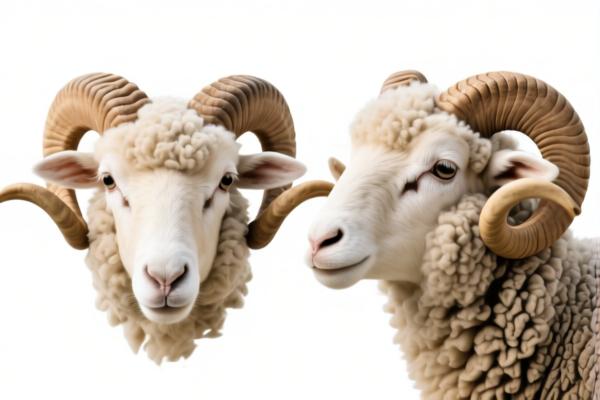
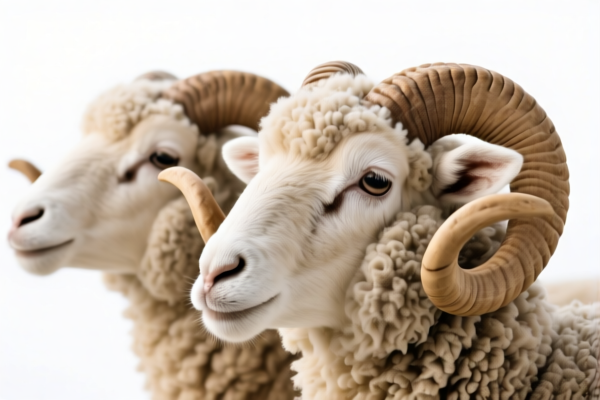
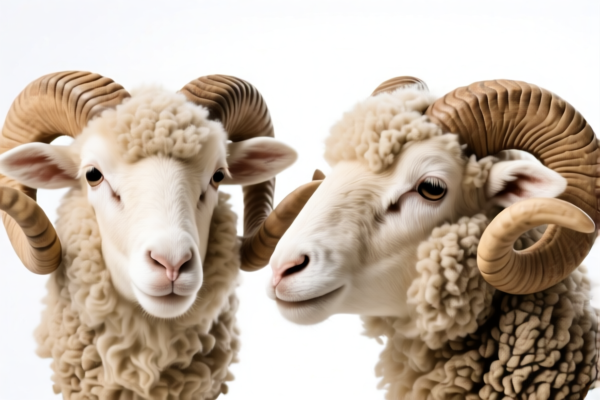
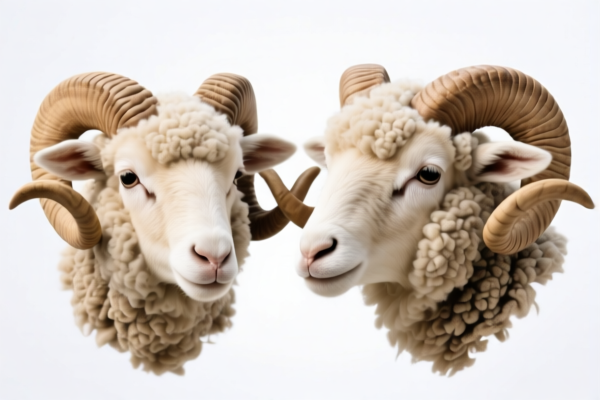
AI分析
🐑 Karakul Lamb Skin Head (Unassembled)
🌐 HS Code Reference & Customs Clearance Guide | 2026 Latest Tariff Analysis | Professional Entry Strategy
📌 I. Product Definition & Classification: What exactly is "Karakul Lamb Skin Head"?
The Karakul Lamb Skin Head (often referred to as "Persian Lamb" or "Astrakhan" in trade) is a unique leather product characterized by its distinct curly or rippled fur pattern. In international trade, the classification depends heavily on its state of processing and material integrity.
Since the input specifies "Unassembled" and "Head", this generally implies the skin is processed but not yet manufactured into a final wearable article (like a hat or collar), OR it is a specific raw/semi-processed component.
⚠️ Key Distinction:
- If it is a raw/semi-processed skin (preserved but not tanned into fashion leather) → Classified under Chapter 41.
- If it is tanned/finished leather ready for manufacturing → Classified under Chapter 42 (Leather goods) or Chapter 64 (Footwear/Leather parts).
- "Unassembled" suggests it is a component part, not a finished good.
📦 II. HS Code Classification Details (2026 Latest Tariff Authority Match)
Based on the provided <DATA>, here are the four potential HS Codes and the logical reasoning for each, strictly adhering to the provided summaries.
| HS Code | Product Description | Application Scenario | Reasoning Summary (From ) |
|---|---|---|---|
4101.90.35.00 |
Raw/Semi-processed Karakul Lamb Skin | Raw material, unworked or simply preserved skins | "Karakul lamb skin as raw skin/primary product, matches sheepskin material attributes." (Classified as a primary leather material) |
4203.10.20.00 |
Leather Articles of Apparel | Tanned skins used for making jackets, coats, or vests | "Based on material consistency principles, lamb skin is classified as leather article." (Classified as a semi-finished leather good for apparel) |
6403.99.90.55 |
Other Footwear (Leather Upper) | Skins intended for use as shoe uppers | "As a leather raw material/semi-product, it fits the 'Other Footwear' fallback logic with leather uppers." (Classified as a component for footwear manufacturing) |
6403.91.90.45 |
Footwear with Leather Upper | Similar to above, specific sub-category for leather | "Lamb skin material meets leather requirements, consistent with 'Other Footwear' attributes involving leather." (Classified as a specific leather component for shoes) |
🔍 Critical Note:
- The classification hinges on intent and processing stage.
- If the "Head" is just the skin part (pelt) intended for further tanning or use as raw material →4101.90.35.00.
- If it is already tanned and deemed a "good" for apparel →4203.10.20.00.
- If it is specifically cut/prepared for shoe manufacturing →6403...codes apply.
💰 III. 2026 Latest Tariff Rate Breakdown (Including Surcharges & Policy Add-ons)
✅ Applicable Country: United States (US)
✅ Origin: China (CN)
✅ Effective Time: 2025/2026 (Post-Section 301 & IEEPA adjustments)
🎯 1. 4101.90.35.00 —— Raw Karakul Lamb Skin (Primary Product)
| Item | Content |
|---|---|
| Base Tariff | 2.4% |
| Section 301 Surcharge | 7.5% |
| IEEPA Surcharge (Section 122) | 10.0% |
| Total Effective Rate | 19.9% |
| Calculation Method | CIF Value × 19.9% |
| De Minimis Eligibility | ❌ Not Eligible (High tariff threshold) |
| Legal Basis Path | Base: 4101 → Sec301: 7.5% → IEEPA: 10% |
📌 Explanation:
- This is the lowest tax rate among the options, suitable if the item is imported as a raw/semi-processed material for further manufacturing.
- "Primary product" status avoids higher "finished goods" tariffs.
🎯 2. 4203.10.20.00 —— Leather Apparel Articles (Tanned/Fashion)
| Item | Content |
|---|---|
| Base Tariff | 4.7% |
| Section 301 Surcharge | 25.0% |
| IEEPA Surcharge (Section 122) | 10.0% |
| Total Effective Rate | 39.7% |
| Calculation Method | CIF Value × 39.7% |
| De Minimis Eligibility | ❌ Not Eligible |
| Legal Basis Path | Base: 4203 → Sec301: 25% → IEEPA: 10% |
📌 Explanation:
- This is the highest tax rate. It applies if the "un-assembled head" is considered a finished leather article (e.g., a vest front or jacket panel).
- High 25% Section 301 tariff makes this category very expensive for Chinese-origin goods.
🎯 3. 6403.99.90.55 —— Other Footwear (Leather Component)
| Item | Content |
|---|---|
| Base Tariff | 10.0% |
| Section 301 Surcharge | 0.0% |
| IEEPA Surcharge (Section 122) | 10.0% |
| Total Effective Rate | 20.0% |
| Calculation Method | CIF Value × 20.0% |
| De Minimis Eligibility | ❌ Not Eligible |
| Legal Basis Path | Base: 6403 → IEEPA: 10% |
📌 Explanation:
- No Section 301 surcharge (0%), which is a key advantage over apparel.
- Total 20% is slightly higher than raw skin (19.9%) but significantly lower than apparel (39.7%).
- Requires proof that the skin is intended for footwear.
🎯 4. 6403.91.90.45 —— Footwear with Leather Upper (Specific Sub-cat)
| Item | Content |
|---|---|
| Base Tariff | 10.0% |
| Section 301 Surcharge | 0.0% |
| IEEPA Surcharge (Section 122) | 10.0% |
| Total Effective Rate | 20.0% |
| Calculation Method | CIF Value × 20.0% |
| De Minimis Eligibility | ❌ Not Eligible |
| Legal Basis Path | Base: 6403 → IEEPA: 10% |
📌 Explanation:
- Identical tax burden to6403.99.90.55(20%).
- Choose this if the specific sub-category for "leather upper" fits your precise manufacturing intent better.
🛠️ IV. Customs Clearance Practical Advice (Field Pitfall Avoidance Guide)
✅ 1. Preparation Checklist (Must-Haves)
| Document | Required? | Explanation |
|---|---|---|
| ✅ Product Specification Sheet | ✔️ | Must detail: "Karakul Lamb Skin, Unassembled, Curly Fur, Preserved/Tanned?" |
| ✅ Photos of Skin/Fur | ✔️ | Show the curly pattern to confirm "Karakul" identity. |
| ✅ Commercial Invoice | ✔️ | Must explicitly state "Unassembled" and Material: "Sheepskin/Lamb Skin". |
| ✅ Bill of Lading | ✔️ | Ensure weight/volume matches invoice. |
| ✅ Certificate of Origin | ✔️ | For origin verification (China). |
| ✅ Manufacturing Intent Letter | ✔️ | Critical! If using HS 6403, provide a letter stating skins are for footwear production. If using 4203, state for apparel. |
✅ 2. Declaration Strategy (Key Mnemonic)
🔥 "Raw Material Low Tax, Apparel High Tax, Footwear Middle Path!"
| Scenario | Correct HS Code | Risk of Misclassification |
|---|---|---|
| Importing as Raw/Preserved Skin | 4101.90.35.00 (19.9%) |
Low risk if documented as "primary product". |
| Importing for Shoe Manufacturing | 6403.99.90.55 (20.0%) |
Medium risk; must prove footwear intent. |
| Importing as Apparel Panel/Vest | 4203.10.20.00 (39.7%) |
High cost; avoid unless necessary. |
| Misdeclaring as "Finished Hat" | ❌ Wrong! | Would be classified as finished goods, potentially higher duty or rejected. |
✅ 3. Special Considerations
| Situation | Handling Advice |
|---|---|
| "Unassembled" Ambiguity | Clearly define: Is it a whole head skin or just a piece? 4101 is safest for raw materials. |
| Section 122 Tariff (10%) | Applies to all Chinese-origin leather goods/shoes. Cannot be avoided by re-classifying within these HS codes. |
| Section 301 Tariff | Avoid 4203 (25%) if possible. Prefer 4101 (7.5%) or 6403 (0%). |
| Fur Product Compliance | Ensure compliance with US Endangered Species Act (ESA) if the Karakul lamb is protected (rare, but verify). |
🌍 V. Global Market Comparison (2026 Latest)
| Country/Region | Recommended HS Code | Total Tariff (China Origin) | Notes |
|---|---|---|---|
| 🇺🇸 USA | 4101.90.35.00 |
19.9% | Best option for raw/semi-processed. |
| 🇺🇸 USA | 4203.10.20.00 |
39.7% | Highest cost; avoid for apparel components. |
| 🇺🇸 USA | 6403.99.90.55 |
20.0% | Good alternative for footwear parts. |
| 🇪🇺 EU | Varies (Chapter 41/43) | ~0-4% (Base) | No Section 301/IEEPA; but may have sustainability checks. |
| 🇨🇳 China | Varies | ~5-15% | Lower tariffs for import into China for re-export. |
📌 Conclusion:
- US Market: Aim for4101.90.35.00(19.9%) or6403...(20.0%) to minimize the 25% Section 301 hit on apparel (4203).
- Documentation is Key: Prove "Unassembled" and "Raw/Semi-processed" status to qualify for lower tax brackets.
📌 VI. Common Errors & Pitfalls (Lessons Learned)
❌ Error 1: Declaring "Karakul Skin" as "Finished Hat"
👉 Consequence: Wrong HS code, potential rejection, or higher duty if classified as finished textile/apparel.
❌ Error 2: Using 4203 (Apparel) for Raw Skins
👉 Consequence: Paying 39.7% instead of 19.9%. Double the tax!
❌ Error 3: Ignoring Section 122 (IEEPA 10%)
👉 Consequence: Underestimating landed cost. This 10% applies to all the above HS codes for Chinese origin.
❌ Error 4: Vague Description "Lamb Skin"
👉 Consequence: Customs may reclassify to highest applicable duty rate. Always specify "Karakul" and "Unassembled".
✅ Correct Practice:
"Karakul Lamb Skin, Curly Fur, Preserved, Unassembled, Intended for [Footwear/Apparel] Manufacturing, HS Code 4101.90.35.00"
🎯 VII. Conclusion: Professional Declaration, Cost Savings, Efficiency!
🎯 Remember the Mnemonic:
🔹 "Raw Skin Low Tax (19.9%), Apparel High Tax (39.7%), Footwear Middle (20%). Avoid Section 301 on Apparel!"
🔹 "Unassembled Means Raw, Declare Clearly, Save Thousands!"
📌 Pro Tip:
If your business involves large volumes, consider applying for an Advance Ruling from US Customs (CBP) to confirm whether your "Unassembled Head" qualifies as 4101 (Raw) or 6403 (Shoe Part). This provides legal certainty for the 19.9% vs 20.0% rate.
📣 Immediate Action:
📞 Contact a licensed Customs Broker
📄 Provide Product Photos + Manufacturing Intent
📝 Apply for CBP Advance Ruling if unsure between4101and6403.
✨ Professional Clearance Starts with Precise Classification!
💼 Every Percentage Point Counts in Landed Cost!
用户评价
关于 HS 编码归类
协调制度(HS)是由世界海关组织(WCO)制定的国际贸易商品分类标准。全球 200 多个国家采用 HS 系统作为海关关税、贸易统计和进出口监管的基础。
每个 HS 编码遵循以下层级结构:
- 章(2 位)——商品大类(例如:第 84 章:机器和机械设备)
- 品目(4 位)——章内的更具体分类
- 子目(6 位)——国际通用细分,所有 WCO 成员国统一使用
- 本国细分(8-10 位)——各国自行扩展的细分编码,如美国 HTSUS 10 位编码
正确的 HS 编码归类对于顺利通关、准确缴纳关税和遵守贸易法规至关重要。错误归类可能导致海关延误、多缴关税或罚款。
从CN进口到US时,适用的关税税率可能包括:
- 最惠国(MFN)税率——适用于 WTO 成员国的标准关税税率
- 普通税率——适用于无贸易协定国家
- 贸易救济关税——附加关税,如 301 条款(反倾销)、232 条款(国家安全)或反补贴税
本页内容仅供参考。如需正式归类,请咨询当地海关或持牌报关代理。