Key Storage Pouches
CN → US| HS编码 | 关税税率 | 原产国 | 目的国 | 文档 |
|---|---|---|---|---|
| 6307909875 | 24.5% | CN | US | 官方文档 |
| 4202929100 | 52.6% | CN | US | 官方文档 |
| 6307909891 | 24.5% | CN | US | 官方文档 |
| 4202929336 | 52.6% | CN | US | 官方文档 |
| 6307909891 | 24.5% | CN | US | 官方文档 |
商品图片
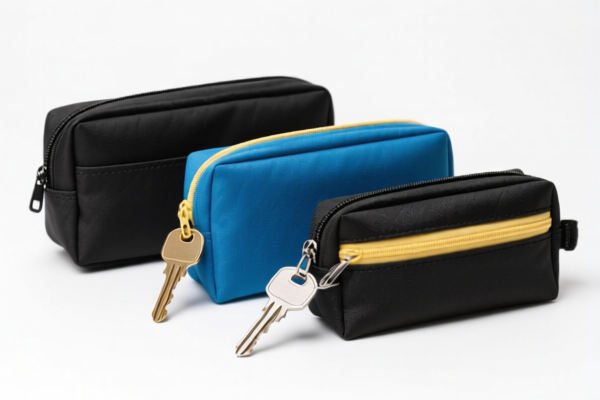
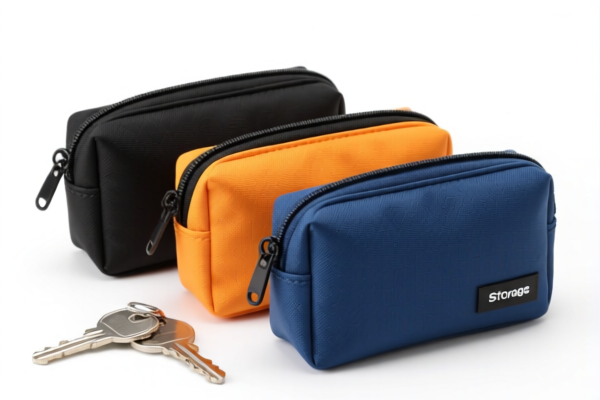
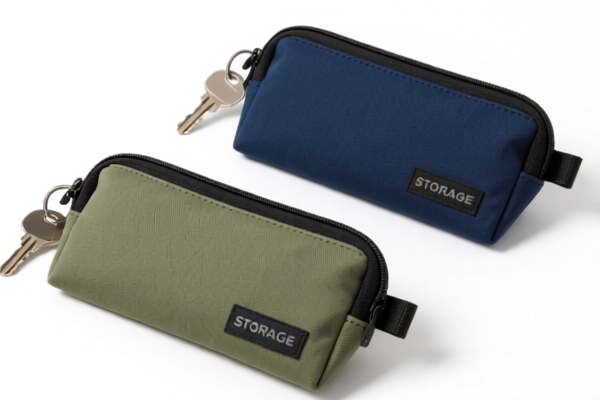
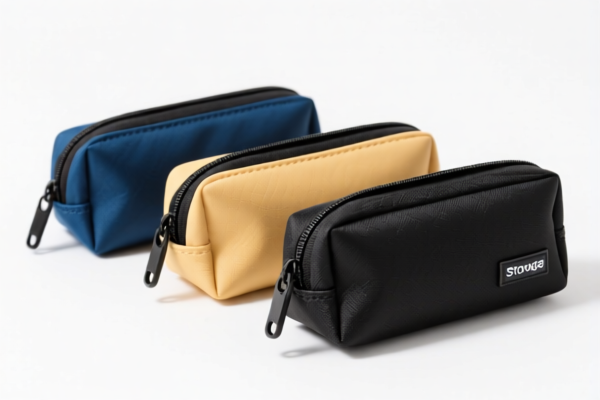
AI分析
🔑 Key Storage Pouches (Key Organizers & Key Cases)
🌐 HS Code Reference & Customs Clearance Guide | 2026 Latest Tariff Analysis | Professional Entry Strategies
📌 Part 1: Product Definition & Classification: Do You Really Know What "Key Pouches" Are?
Key Storage Pouches are small containers designed to hold keys, often used for organization, loss prevention, or aesthetic display. In international trade, they are broadly classified based on material composition and function:
- Textile/Fabric Pouches: Made from cotton, polyester, canvas, or leather-substitutes. These are considered "made-up articles of textile materials."
- Plastic/Composite Pouches: Made from PVC, vinyl, or other plastic materials. These fall under "containers of plastics" or "other made-up articles."
- Leather Pouches: Made from genuine leather (often classified differently, but many "leather-like" keychains fall under textile/plastic if not full leather).
⚠️ Critical Distinction:
- If the item is primarily a textile fabric bag/pouch → It falls under Chapter 63 or 4202 (depending on specific textile vs. leather nuance, but usually 6307 for "other made-up articles" or 4202 for specific containers).
- If the item is a plastic container → It falls under Chapter 4202 (containers of plastics) or Chapter 39.
- Note: Many "key pouches" are marketed as "key fobs" or "key chains" but are structurally pouches. The classification hinges on whether they are "containers" (4202) or "other made-up textile articles" (6307).
📦 Part 2: HS Code Classification Details (2026 Latest Tariff Authority Comparison)
Based on the provided data, the following HS Codes are relevant for Key Storage Pouches. The classification depends on the inferred material and form.
| HS Code | Product Description | Inferred Material/Form | Key Classification Logic |
|---|---|---|---|
| 6307.90.98.75 | Other made-up articles, incl. patterns for quilting | Textile/Plastic Mix | "Storage pouch" shape, inferred as fabric or plastic. Classified as a "bottom-of-category" item under other made-up articles. |
| 4202.92.91.00 | Containers, with outer surface of textile materials | Textile | "Container" form, textile material. Fits "personal articles" or "containers" in Chapter 42. |
| 6307.90.98.91 | Other made-up articles | Textile Fabric | "Storage pouch" shape, inferred as textile cloth. Classified as "other made-up articles" (bottom-of-category). |
| 4202.92.93.36 | Containers | Textile | "Container" form, textile material. Specifically targets containers of textile outer surface. |
| 6307.90.98.91 | Other made-up articles | Textile | "Made-up article" form, textile material. General catch-all for textile accessories not elsewhere specified. |
🔍 Key Takeaway:
- HS 6307.90.98.75/91: For pouches treated as general textile/plastic accessories. Lower tax rate.
- HS 4202.92.91/93: For pouches explicitly classified as "containers" with a textile outer surface. Higher tax rate due to Chapter 42 (Leather/Plastic/Textile Articles) classifications often carrying higher duties for Chinese origin.
💰 Part 3: 2026 Latest Tariff Rate Breakdown (Including Surcharges & Policy Add-ons)
✅ Applicable Country: United States (US)
✅ Country of Origin: China (CN)
✅ Effective Date: 2025/2026 (Current Trade Policy)
🎯 1. 6307.90.98.75 & 6307.90.98.91 — Textile/Plastic Storage Pouches (Made-up Articles)
| Item | Detail |
|---|---|
| Base Duty Rate | 7.0% (Ad Valorem) |
| Section 301 Surcharge | 7.5% |
| Section 122 Tariff | 10.0% |
| Total Tax Rate | 24.5% |
| Tax Calculation | CIF Value × 24.5% |
| De Minimis Eligibility | ❌ Not Applicable (For Section 301 items, de minimis may not exempt if value threshold is crossed, but typically Section 301 applies regardless of volume for formal entries. Note: For informal entries < $800, de minimis may still apply, but for formal clearance, full duty applies.) |
| Legal Authority Path | HTSUS:6307.90.98 → Section 301: 7.5% → Section 122: 10% |
📌 Explanation:
- Base Duty (7.0%): Standard MFN rate for other made-up articles.
- Section 301 (7.5%): Additional tariff on Chinese goods under Trade Act of 1974 Section 301.
- Section 122 (10%): Additional tariff under U.S. law designed to protect domestic textile/apparel industries.
- Total 24.5%: This is the effective duty rate for these classifications.
🎯 2. 4202.92.91.00 & 4202.92.93.36 — Textile-Outer Surface Containers
| Item | Detail |
|---|---|
| Base Duty Rate | 17.6% (Ad Valorem) |
| Section 301 Surcharge | 25.0% |
| Section 122 Tariff | 10.0% |
| Total Tax Rate | 52.6% |
| Tax Calculation | CIF Value × 52.6% |
| De Minimis Eligibility | ❌ Not Applicable (High duty rate makes de minimis less relevant for commercial shipments) |
| Legal Authority Path | HTSUS:4202.92.91 → Section 301: 25.0% → Section 122: 10% |
📌 Explanation:
- Base Duty (17.6%): Higher base rate for "containers" in Chapter 42.
- Section 301 (25.0%): Higher surcharge rate for certain Chapter 42 goods from China.
- Section 122 (10%): Additional protectionist tariff.
- Total 52.6%: Significantly higher than the 6307 classification. Misclassification here can double your costs.
🛠️ Part 4: Customs Clearance Practical Advice (Real-World Pitfall Avoidance)
✅ 1. Document Checklist (Non-Negotiable)
| Document | Required? | Notes |
|---|---|---|
| ✅ Product Specification Sheet | ✔️ | Must detail: Material (e.g., "100% Cotton", "PVC"), Dimensions, Closure Type (zipper, snap, drawstring). |
| ✅ Photos (Labeled) | ✔️ | Clear images showing the pouch interior, exterior, and any hardware (key rings, clips). |
| ✅ Commercial Invoice | ✔️ | Must describe item as "Key Storage Pouch" or "Key Organizer," NOT "Key Chain" (which might imply metal hardware only). |
| ✅ Bill of Lading/Air Waybill | ✔️ | Standard shipping document. |
| ✅ Country of Origin Certificate | ✔️ | Confirm "Made in China" if applicable. |
✅ 2. Classification Strategy (Key Tips)
🔥 "Material Matters, Form Dictates, Name Clarifies!"
| Scenario | Recommended HS Code | Reason |
|---|---|---|
| Pouch made of fabric (cotton/polyester) | 6307.90.98.75 or 6307.90.98.91 | Classified as "other made-up textile articles." Lower duty (24.5%). |
| Pouch made of plastic (PVC/Vinyl) | 6307.90.98.75 (if flexible/soft) | Inferred as plastic/fabric mix. Lower duty (24.5%). |
| Pouch explicitly marketed as "Container" with textile outer | 4202.92.91.00 or 4202.92.93.36 | Classified as "containers of textile material." Higher duty (52.6%). |
| Key Pouch with hard plastic shell | 4202.92.91.00 | Considered a rigid container. Higher duty (52.6%). |
⚠️ Warning:
- If your key pouch is a soft, flexible bag (like a drawstring bag or zippered fabric pouch), argue for 6307 as "other made-up articles" to avoid the higher "container" classification.
- If it is a rigid case or explicitly sold as a "key container," customs may default to 4202, triggering the 52.6% rate.
✅ 3. Special Cases
| Case | Handling Advice |
|---|---|
| Set of Keys + Pouch | If sold as a set, classify the entire set based on the principal character. If the pouch is the main component, use pouch code. If keys are main, use key code (often higher). |
| Eco-Friendly/Bamboo Pouch | Still likely 6307 if textile/natural fiber. Provide material proof. |
| Metal Keychain with Small Fabric Tag | Classify as keychain (usually 8306), NOT pouch. Lower duty. |
🌍 Part 5: Global Market Comparison (2026 Latest)
| Country/Region | Recommended HS Code | Estimated Duty (China Origin) | Notes |
|---|---|---|---|
| 🇺🇸 USA | 6307.90.98.75 | 24.5% | Lowest rate for textile/plastic pouches. Avoid 4202 if possible. |
| 🇺🇸 USA | 4202.92.91.00 | 52.6% | High risk if classified as "container." |
| 🇪🇺 EU | 4202.92.00 | ~4.5% - 12% | No Section 301/122. Lower duties. |
| 🇨🇳 China | 6307.90.99 | ~5% - 10% | Import duties for inbound to China. |
| 🇬🇧 UK | 4202.92.00 | ~4.5% | Post-Brexit, UK applies its own tariff schedule. |
📌 Conclusion:
- The US market is the most challenging due to Section 301 and Section 122 tariffs.
- Strategic Classification: Use 6307.90.98.75 or 6307.90.98.91 for soft, flexible key pouches to save ~28% in duties compared to the 4202 classification.
📌 Part 6: Common Mistakes & Pitfalls (Blood Lessons)
❌ Mistake 1: Classifying a soft fabric key pouch as 4202 ("Container")
👉 Consequence: Duty jumps from 24.5% to 52.6%. Loss of profit margin!
❌ Mistake 2: Calling the product "Key Chain" when it’s a Pouch
👉 Consequence: Customs may reclassify as 8306 (Key Chains) or 6307 (Pouches). If deemed "Key Chain," duty might be lower (~2.5-7.5%), but if deemed "Pouch," it’s 24.5%. Clarity is key.
❌ Mistake 3: Ignoring Section 122
👉 Consequence: Forgetting the 10% Section 122 tariff leads to underpayment and penalties.
❌ Mistake 4: Using vague descriptions like "Accessories"
👉 Consequence: Customs delays for classification review. Be Specific: "Cotton Key Storage Pouch, Zippered Closure."
✅ Correct Practice:
"Textile Key Storage Pouch, 100% Cotton, Zippered, Size 4x6 inch, for holding vehicle/house keys. HS Code: 6307.90.98.75"
🎯 Part 7: Conclusion: Professional Classification Saves Money!
🎯 Remember the Mantra:
🔹 "Soft & Flexible? Use 6307 (24.5%). Rigid & Container? 4202 (52.6%). Choose Wisely!"
🔹 "Section 301 + 122 = 52.6% if you misclassify!"
📌 Pro Tip:
- If you are importing large volumes, consider Advance Rulings from US Customs to lock in the 6307 classification for your specific product design.
- Ensure your product photos and descriptions clearly show the textile/fabric nature to support the 6307 classification.
📣 Immediate Action:
📞 Contact a Customs Broker: Provide product samples/photos.
📄 Request a Pre-Ruling: For large shipments, secure the 24.5% rate, not the 52.6% rate.
🚀 Optimize Your Supply Chain: Use the correct HS Code to keep costs down and customs clearance smooth.
✨ Professional Customs Clearance Starts with Precise Classification!
💼 Every 1% of duty saved is 1% more profit!
用户评价
关于 HS 编码归类
协调制度(HS)是由世界海关组织(WCO)制定的国际贸易商品分类标准。全球 200 多个国家采用 HS 系统作为海关关税、贸易统计和进出口监管的基础。
每个 HS 编码遵循以下层级结构:
- 章(2 位)——商品大类(例如:第 84 章:机器和机械设备)
- 品目(4 位)——章内的更具体分类
- 子目(6 位)——国际通用细分,所有 WCO 成员国统一使用
- 本国细分(8-10 位)——各国自行扩展的细分编码,如美国 HTSUS 10 位编码
正确的 HS 编码归类对于顺利通关、准确缴纳关税和遵守贸易法规至关重要。错误归类可能导致海关延误、多缴关税或罚款。
从CN进口到US时,适用的关税税率可能包括:
- 最惠国(MFN)税率——适用于 WTO 成员国的标准关税税率
- 普通税率——适用于无贸易协定国家
- 贸易救济关税——附加关税,如 301 条款(反倾销)、232 条款(国家安全)或反补贴税
本页内容仅供参考。如需正式归类,请咨询当地海关或持牌报关代理。