Keychain Pocket
CN → US| HS编码 | 关税税率 | 原产国 | 目的国 | 文档 |
|---|---|---|---|---|
| 6307904020 | 17.5% | CN | US | 官方文档 |
| 4202399000 | 55.0% | CN | US | 官方文档 |
| 4202328000 | 40.7% | CN | US | 官方文档 |
| 3926909989 | 22.8% | CN | US | 官方文档 |
商品图片
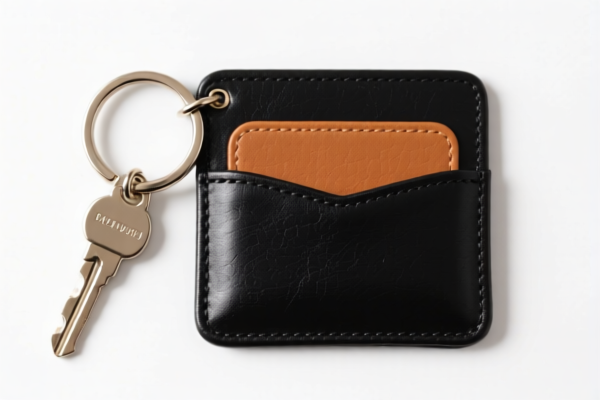
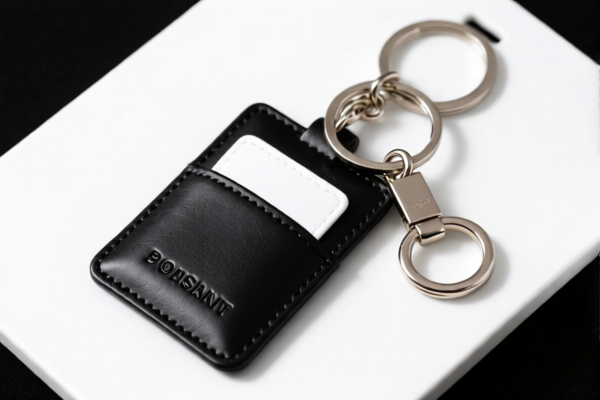
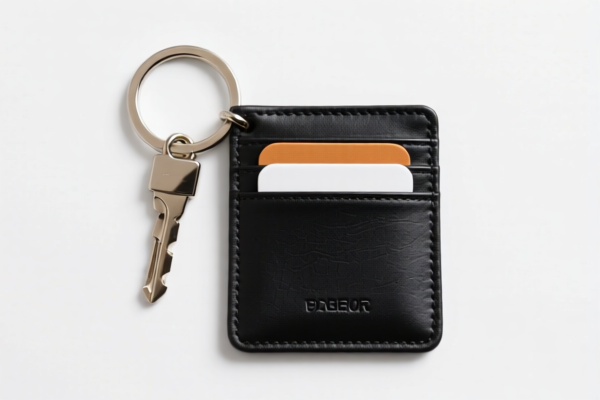
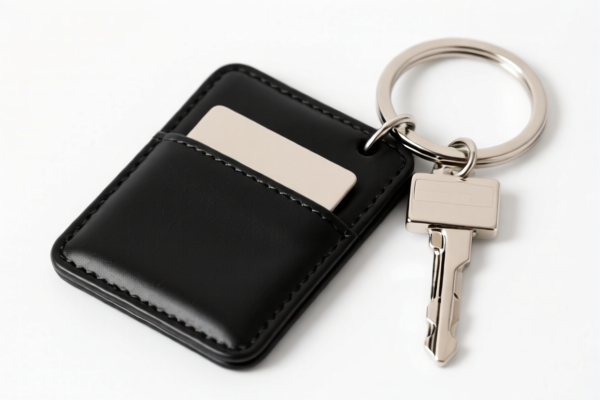
AI分析
🔑 Keychain Pocket (Multi-Function Key Organizer / Card Holder)
🌐 HS Code Reference & Customs Clearance Guide | 2024-2025 Latest Tariff Analysis | Professional Customs Strategy
📌 I. Product Definition & Classification: Do You Really Understand "Keychain Pockets"?
A Keychain Pocket (often referred to as a Slim Wallet, Key Organizer, or Card Holder) is a compact accessory designed to hold keys, cards, cash, or small tools. In international trade, classification depends heavily on material composition and specific form factor.
Based on common manufacturing practices, these items are typically categorized into two main groups: 1. General Articles / Accessories of Textiles or Leather (Chapters 42): If made from leather, fabric, or plastic sheets formed into a pouch/wallet shape. 2. Plastic Articles (Chapter 39): If made primarily of rigid or semi-rigid plastic (e.g., PVC, PP, ABS) without complex assembly. 3. Other Made-Up Articles (Chapter 63): If the material is ambiguous or it’s a general textile/plastic accessory not specified elsewhere.
⚠️ Key Classification Points:
- If it looks like a wallet/pouch made of leather/fabric → Chapter 42.
- If it’s a plastic clip/holder (PVC/PP) → Chapter 39.
- If it’s a general textile/plastic accessory not fitting specific wallet definitions → Chapter 63.
📦 II. HS Code Classification Details (Latest Tariff Reference)
Below are the four most likely HS codes based on the provided data, with detailed tax breakdowns for Imports into the USA from China.
1. 🎯 6307.90.40.20 – Other Made-Up Articles, Including Patterns, of Textile Materials
| Item | Details |
|---|---|
| Product Description | Other made-up articles (e.g., general textile/plastic key fobs, pouches) |
| Matching Logic | Matches the form: Finished good/small accessory. Since the material isn't explicitly defined as leather or rigid plastic, it is inferred to be a general textile or mixed material that doesn't conflict with "Other made-up articles." |
| Base Tariff | 0.0% |
| Additional Tariff (Section 301) | 7.5% |
| Section 122 Tariff (IFSR) | 10.0% |
| Total Tax Rate | 17.5% |
| Verdict | Lowest Tax Option – Best if material is ambiguous or mixed textile/plastic. |
📌 Explanation:
- This code is a "catch-all" for made-up articles not specified elsewhere.
- Why 17.5%? It benefits from a 0% base duty but incurs both the standard Section 301 tariff (7.5%) and the specific Section 122 tariff (10%) for Chinese goods.
- Best Use Case: When the product is a soft keychain pouch made of canvas, nylon, or mixed materials.
2. 🎯 4202.39.90.00 – Articles of A Kind Used for Personal Carrying (Other than Leather/Composition Leather)
| Item | Details |
|---|---|
| Product Description | Other personal carrying articles (e.g., plastic or textile key organizers not made of leather) |
| Matching Logic | Matches form (pouch/container). Inferred material is textile or plastic (non-leather). Consistent with the container attribute of the code. |
| Base Tariff | 20.0% |
| Additional Tariff (Section 301) | 25.0% |
| Section 122 Tariff (IFSR) | 10.0% |
| Total Tax Rate | 55.0% |
| Verdict | High Tax Option – Avoid unless the product is specifically a high-value leather-like accessory misclassified elsewhere. |
📌 Explanation:
- This is a broad category for "other" carrying articles.
- Why 55%? High base duty (20%) + high Section 301 (25%) + Section 122 (10%).
- Risk: If your product is clearly plastic or textile, customs may challenge this high-rate code if a more specific one (like 4202.32 or 3926) applies.
3. 🎯 4202.32.80.00 – Articles of A Kind Used for Personal Carrying (With Outer Surface of Textile Materials)
| Item | Details |
|---|---|
| Product Description | Personal carrying articles with outer surface of textile materials (e.g., fabric key wallets) |
| Matching Logic | Matches form (pocket/handbag-like item). Inferred material is textile or leather (non-metal/plastic conflict). Fits common attributes for textile-based key organizers. |
| Base Tariff | 5.7% |
| Additional Tariff (Section 301) | 25.0% |
| Section 122 Tariff (IFSR) | 10.0% |
| Total Tax Rate | 40.7% |
| Verdict | Moderate-High Tax – Suitable for textile-based keychain pockets. |
📌 Explanation:
- Why 40.7%? Lower base duty (5.7%) compared to 4202.39, but still hit with full Section 301 (25%) and Section 122 (10%).
- Best Use Case: Keychain wallets made primarily of fabric, canvas, or nylon.
- Constraint: Must be primarily textile. If it’s rigid plastic, this code is incorrect.
4. 🎯 3926.90.99.89 – Other Articles of Plastic
| Item | Details |
|---|---|
| Product Description | Other articles of plastic (e.g., PVC/PP keychain holders, plastic card cases) |
| Matching Logic | Matches material inference: Keychain pockets are often made of plastic (PVC, PP). Fits the "Plastic Articles" category under HS 3926. |
| Base Tariff | 5.3% |
| Additional Tariff (Section 301) | 7.5% |
| Section 122 Tariff (IFSR) | 10.0% |
| Total Tax Rate | 22.8% |
| Verdict | Low-Moderate Tax – Best for plastic keychain pockets. |
📌 Explanation:
- Why 22.8%? Low base duty (5.3%) and lower Section 301 (7.5%) compared to textile codes. Section 122 (10%) still applies.
- Best Use Case: Rigid or semi-rigid plastic key organizers (e.g., aluminum/plastic hybrid, pure PVC, or ABS).
- Advantage: Significantly cheaper than textile-based codes if the product is indeed plastic.
💰 III. 2024-2025 Tariff Rate Breakdown (USA Imports from China)
✅ Applicable Country: United States (US)
✅ Origin: China (CN)
✅ Effective Date: Current regulations (Section 301 & IFSR Section 122 active)
📊 Tax Comparison Table
| HS Code | Description | Base Duty | Sec 301 | Sec 122 | Total Rate | Material Focus |
|---|---|---|---|---|---|---|
6307.90.40.20 |
Other Made-Up Articles | 0.0% | 7.5% | 10.0% | 17.5% | Mixed/Textile (General) |
3926.90.99.89 |
Other Plastic Articles | 5.3% | 7.5% | 10.0% | 22.8% | Plastic (PVC/PP) |
4202.32.80.00 |
Textile Carrying Articles | 5.7% | 25.0% | 10.0% | 40.7% | Textile (Fabric/Nylon) |
4202.39.90.00 |
Other Carrying Articles | 20.0% | 25.0% | 10.0% | 55.0% | Leather-like/Other |
📌 Critical Insight:
- Section 122 Tariff (10%) applies to all Chinese goods under these codes (IFSR - Indigenization and Foreign Sector Removal).
- Section 301 Tariff varies significantly: 7.5% for general/plastic (3926, 6307) vs. 25% for specific textile/carrying articles (4202).
- Strategy: If your product is plastic, choose3926.90.99.89(22.8%). If it’s mixed/ambiguous, choose6307.90.40.20(17.5%). Avoid4202unless it’s clearly a high-value textile wallet.
🛠️ IV. Customs Clearance Practical Advice (Avoid Pitfalls)
✅ 1. Documentation Checklist (Must-Have)
| Document | Required? | Notes |
|---|---|---|
| ✅ Product Photos | ✔️ | Clear images of front, back, and interior. Show material texture (plastic vs. fabric). |
| ✅ Commercial Invoice | ✔️ | Clearly state "Keychain Pocket" or "Key Organizer." Avoid vague terms like "Accessory." |
| ✅ Material Declaration | ✔️ | Specify: "100% PVC," "600D Polyester," or "Mixed Textile/Plastic." |
| ✅ HS Code Pre-Ruling | ✔️ | Highly Recommended – Get a binding ruling from CBP to avoid misclassification. |
| ✅ Packing List | ✔️ | List net weight, gross weight, and dimensions. |
✅ 2. Classification Strategy (Golden Rules)
🔥 "Material Determines Code, Code Determines Tax!"
| Product Type | Recommended HS Code | Reason |
|---|---|---|
| Rigid Plastic Holder (e.g., PVC, ABS, Aluminum-Plastic) | 3926.90.99.89 |
Primary material is plastic. Lower Section 301 rate (7.5%). |
| Soft Fabric Pouch (e.g., Nylon, Canvas, Leather-like) | 4202.32.80.00 |
Primary material is textile. Higher Section 301 rate (25%). |
| Mixed/Unclear Material (e.g., Textile with plastic coating, key fob) | 6307.90.40.20 |
General made-up article. Lowest total tax (17.5%) if material isn't strictly leather/textile. |
| High-End Leather Wallet (If applicable) | Not in Data | Typically 4202.31.00.00 (Leather). Check specific leather codes. |
✅ 3. Special Cases
| Scenario | Handling Advice |
|---|---|
| Keychain with Metal Parts | If >50% value is metal, it may fall under Chapter 71 or 83. However, if the keychain pocket is the main feature, 6307 or 3926 may still apply. Consult CBP. |
| Gift Sets (Keychain + Card) | Declare as a single set. Use the code for the essential component (usually the keychain pocket). |
| Samples | Even for samples, declare correctly. Misclassification can lead to audits. |
🌍 V. Global Market Comparison (2024-2025)
| Market | Recommended HS Code | Estimated Total Tax (China Origin) | Notes |
|---|---|---|---|
| 🇺🇸 USA | 3926.90.99.89 / 6307.90.40.20 |
22.8% / 17.5% | High Section 301 & Section 122. Plastic/General codes are preferred. |
| 🇨🇳 China | 6307.90.40.20 |
~0-13% (VAT+Tariff) | Lower barriers. Focus on domestic consumption codes. |
| 🇪🇺 EU | 4202.32.00 / 3926.90.90 |
4-6% (Standard) | No Section 301. Focus on material. Plastic is ~4%, Textile ~6%. |
| 🇬🇧 UK | 6307.90.98 |
4-6.5% | Post-Brexit tariffs. Check UK Global Tariff. |
| 🇦🇺 Australia | 3926.90.99 |
5% | Low standard tariff. No major retaliatory tariffs. |
📌 Conclusion:
- USA is the most expensive market due to Section 301 and Section 122 tariffs.
- Plastic-based products (3926) are more tax-efficient than textile-based (4202) in the US.
- General Articles (6307) offer the lowest tax burden (17.5%) if material justification allows.
📌 VI. Common Mistakes & Pitfalls (Learn from Others' Errors)
❌ Mistake 1: Declaring a plastic keychain as Textile (4202.32.80.00)
👉 Result: Tax jumps from 22.8% to 40.7%. Overpay 17.9%!
❌ Mistake 2: Declaring a textile pouch as General Article (6307.90.40.20) to avoid 25%
👉 Result: CBP may reclassify it as 4202.32.80.00 upon inspection, leading to back taxes + penalties.
❌ Mistake 3: Using vague descriptions like "Key Accessory" without material specification
👉 Result: Customs may assign the highest default duty or hold the shipment for material verification.
❌ Mistake 4: Ignoring Section 122 (10%) in cost calculations
👉 Result: Profit margin erosion. Always include 10% IFSR in Landed Cost models.
✅ Best Practice:
"Plastic Keychain Pocket, PVC Material, Waterproof, Model XYZ, HS Code 3926.90.99.89"
"Textile Key Organizer, 600D Nylon, Model ABC, HS Code 4202.32.80.00"
🎯 VII. Conclusion: Smart Classification, Higher Profits!
🎯 Remember the Strategy:
🔹 "Plastic? Go 3926 (22.8%). Textile? Go 4202 (40.7%). Unclear? Go 6307 (17.5%)."
🔹 "Material is King, Section 122 is Mandatory, Section 301 Varies."
📌 Pro Tip:
If your product is made of mixed materials (e.g., plastic body with fabric lining), argue for 6307.90.40.20 as a "general made-up article" to secure the 17.5% rate. Provide samples and material specs to support this.
📣 Action Items:
📞 Contact your freight forwarder to confirm the HS code based on photos and material samples.
📄 Prepare a Material Declaration for customs.
📊 Calculate Landed Cost including 10% Section 122 + 7.5%/25% Section 301.
✨ Professional Customs Clearance Starts with Accurate Classification!
💼 Every Percent Saved is Pure Profit!
用户评价
关于 HS 编码归类
协调制度(HS)是由世界海关组织(WCO)制定的国际贸易商品分类标准。全球 200 多个国家采用 HS 系统作为海关关税、贸易统计和进出口监管的基础。
每个 HS 编码遵循以下层级结构:
- 章(2 位)——商品大类(例如:第 84 章:机器和机械设备)
- 品目(4 位)——章内的更具体分类
- 子目(6 位)——国际通用细分,所有 WCO 成员国统一使用
- 本国细分(8-10 位)——各国自行扩展的细分编码,如美国 HTSUS 10 位编码
正确的 HS 编码归类对于顺利通关、准确缴纳关税和遵守贸易法规至关重要。错误归类可能导致海关延误、多缴关税或罚款。
从CN进口到US时,适用的关税税率可能包括:
- 最惠国(MFN)税率——适用于 WTO 成员国的标准关税税率
- 普通税率——适用于无贸易协定国家
- 贸易救济关税——附加关税,如 301 条款(反倾销)、232 条款(国家安全)或反补贴税
本页内容仅供参考。如需正式归类,请咨询当地海关或持牌报关代理。