Knitted or Crocheted Fabric
CN → US| HS编码 | 关税税率 | 原产国 | 目的国 | 文档 |
|---|---|---|---|---|
| 6109100070 | 34.0% | CN | US | 官方文档 |
| 6112110010 | 32.4% | CN | US | 官方文档 |
| 6109100027 | 34.0% | CN | US | 官方文档 |
| 6111206050 | 25.6% | CN | US | 官方文档 |
| 6115959000 | 31.0% | CN | US | 官方文档 |
商品图片
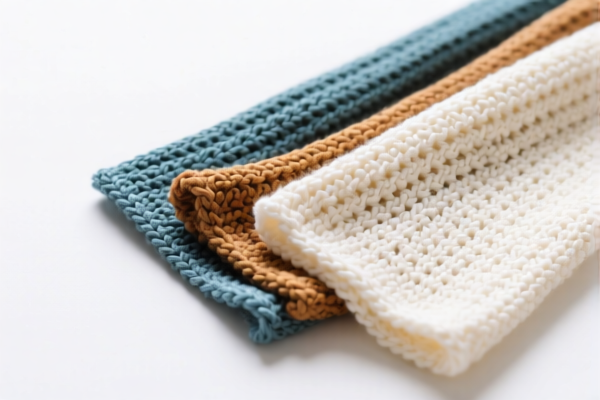
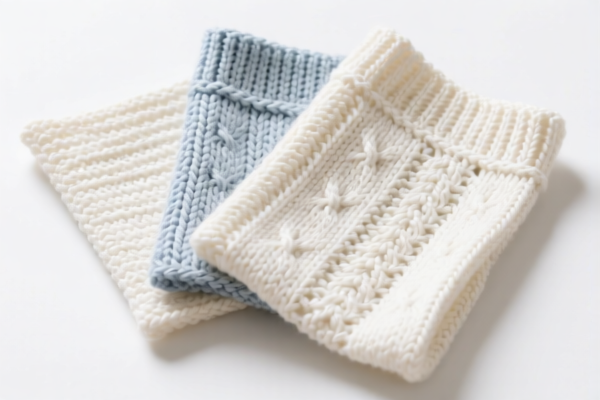
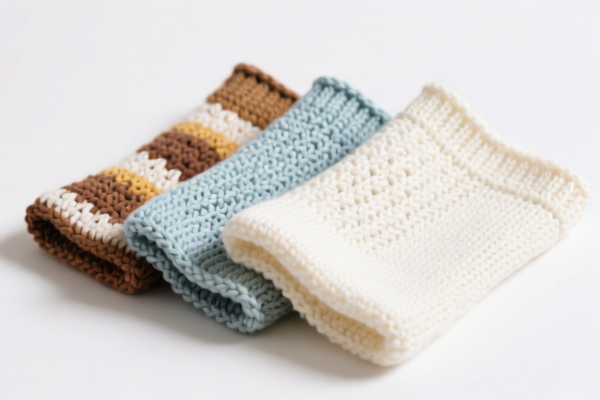
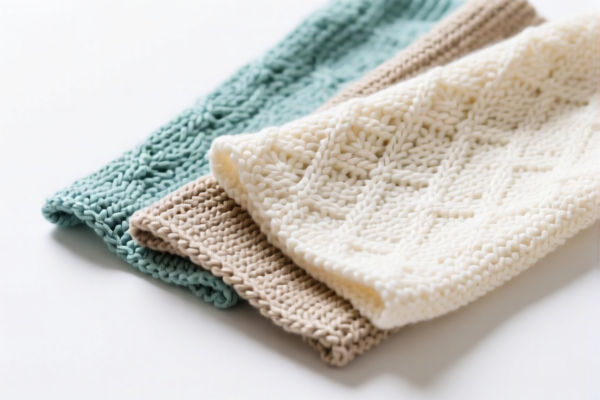
AI分析
👕🧶 Knitted or Crocheted Fabric Apparel & Hosiery
🌐 HS Code Reference & Customs Clearance Guide | 2026 Latest Tariff Analysis | Professional Entry Strategy for US Imports
📌 I. Product Definition & Classification: What is "Knitted or Crocheted"?
"Knitted or Crocheted Fabric" in international trade refers primarily to garments and hosiery manufactured using knitting machines (circular or flat) or crochet techniques. This category excludes woven fabrics (Chapter 60 vs. Chapter 50/51/52) and is further divided based on end-use:
- Garments (Chapter 61 - Parts 10 & 11):
- T-shirts/Tops (Headings 6109): Casual tops, including T-shirts, tank tops, and sweatshirts.
- Swimwear (Heading 6112): Specialized swimwear, often made of synthetic fibers for durability and elasticity.
- Sleepwear/Bathwear (Heading 6111): Nightdresses, bathrobes, and similar garments (often cotton or synthetic blends).
- Hosiery (Chapter 61 - Heading 15):
- Socks/Hosiery (Headings 6115/6117): Knee-high socks, ankle socks, stockings, and other leg coverings.
⚠️ Key Distinction Point:
- If the item is a top/garment (worn on the upper body) → Look at 6109 or 6112/6111.
- If the item is a sock/hosiery (worn on feet/legs) → Look at 6115.
- Material Matters: Cotton vs. Synthetic blends significantly impact the Base Tariff Rate.
📦 II. HS Code Classification Details (2026 Latest Tariff Authority Match)
Based on the provided <DATA>, here are the specific HS Codes matched to the product description "Knitted or Crocheted Fabric" items. Note that the <DATA> implies these are imports into the United States from China, subject to specific trade sanctions (Section 301/122).
| HS Code | Product Description (Summary from Data) | Material Inference | Key Characteristics |
|---|---|---|---|
6109.10.00.70 |
Knitted/Crocheted Garment (Top) | Cotton | Base: 16.5% |
6112.11.00.10 |
Knitted/Crocheted Garment (Swimwear) | Unspecified/No Conflict | Base: 14.9% |
6109.10.00.27 |
Knitted/Crocheted Garment (Top) | Cotton or Polyester | Base: 16.5% |
6111.20.60.50 |
Knitted/Crocheted Socks/Hosiery | Cotton | Base: 8.1% |
6115.95.90.00 |
Knitted/Crocheted Socks/Hosiery | Cotton or Synthetic | Base: 13.5% |
🔍 Critical Note:
- All items in<DATA>are subject to Section 122 Tariffs (likely referring to recent U.S. trade policy updates or specific executive orders impacting Chinese textiles).
- "No Conflict" in the summary implies the item fits the standard legal definition for that HS Code without needing special exemptions or facing immediate rejection due to material mismatch.
💰 III. 2026 Latest Tariff Rate Breakdown (Including Section 122 & 301)
✅ Applicable Country: United States (US)
✅ Country of Origin: China (CN) (Inferred from the "122 Clause" and "Additional Tariffs" structure typical of US-China trade disputes)
✅ Effective Date: Current 2026 Tariff Regime
🎯 1. 6109.10.00.70 & 6109.10.00.27 — Knitted T-Shirts & Tops
| Component | Rate | Explanation |
|---|---|---|
| Base Tariff | 16.5% | Standard MFN (Most Favored Nation) rate for cotton/polyester knitted tops. |
| Additional Tariff (Section 301) | 7.5% | Historical trade war tariff applicable to many Chinese textiles. |
| Section 122 Tariff | 10% | Specific New/Recent Addition. This 10% levy is applied on top of other duties for these specific textile categories from China. |
| Total Tax Rate | 34.0% | 16.5 + 7.5 + 10 = 34.0% |
| Calculation Basis | CIF Value | Cost, Insurance, and Freight value multiplied by 34.0%. |
| De Minimis Exemption | ❌ NO | Shipments under $800 (Section 321) are NOT exempt from Section 301 and Section 122 tariffs. |
📌 Interpretation:
- Even if the item is a simple T-shirt, the 34% effective duty is very high.
- The 122 Clause is the differentiator here. If your product falls under this specific clause, the 10% is mandatory and non-negotiable without a valid exemption.
🎯 2. 6112.11.00.10 — Knitted Swimwear
| Component | Rate | Explanation |
|---|---|---|
| Base Tariff | 14.9% | Lower base rate for swimwear compared to general tops. |
| Additional Tariff (Section 301) | 7.5% | Standard Section 301 levy. |
| Section 122 Tariff | 10% | Same 122 Clause levy applies. |
| Total Tax Rate | 32.4% | 14.9 + 7.5 + 10 = 32.4% |
| Calculation Basis | CIF Value | |
| De Minimis Exemption | ❌ NO |
📌 Interpretation:
- Slightly cheaper than T-shirts (32.4% vs 34.0%) due to the lower base rate, but still heavily taxed.
🎯 3. 6111.20.60.50 — Knitted Cotton Socks/Hosiery
| Component | Rate | Explanation |
|---|---|---|
| Base Tariff | 8.1% | Lower base rate for cotton hosiery. |
| Additional Tariff (Section 301) | 7.5% | Standard Section 301 levy. |
| Section 122 Tariff | 10% | The 122 Clause levy applies to hosiery as well. |
| Total Tax Rate | 25.6% | 8.1 + 7.5 + 10 = 25.6% |
| Calculation Basis | CIF Value | |
| De Minimis Exemption | ❌ NO |
📌 Interpretation:
- Socks are generally less taxed than tops, but the 10% flat 122 tariff makes the effective percentage lower than tops. Still, 25.6% is significant.
🎯 4. 6115.95.90.00 — Other Knitted Hosiery (Synthetic/Cotton Blend)
| Component | Rate | Explanation |
|---|---|---|
| Base Tariff | 13.5% | Base rate for other hosiery (non-cotton or specific blends). |
| Additional Tariff (Section 301) | 7.5% | Standard Section 301 levy. |
| Section 122 Tariff | 10% | The 122 Clause levy applies. |
| Total Tax Rate | 31.0% | 13.5 + 7.5 + 10 = 31.0% |
| Calculation Basis | CIF Value | |
| De Minimis Exemption | ❌ NO |
🛠️ IV. Customs Clearance Practical Advice (Avoiding Pitfalls)
✅ 1. Documentation Checklist (Mandatory)
| Document | Required? | Reason |
|---|---|---|
| ✅ Commercial Invoice | ✔️ | Must clearly state "Knitted Garments" or "Socks," HS Codes, and Country of Origin: China. |
| ✅ Packing List | ✔️ | Must match invoice exactly. |
| ✅ Bill of Lading/Air Waybill | ✔️ | Proof of shipment. |
| ✅ Section 122 Compliance Statement | ✔️ | Crucial. Confirm that the product does not fall under any new exemptions. If it's subject to 122, you must pay the 10%. |
| ✅ Material Composition Label | ✔️ | Must clearly state % Cotton, % Polyester, etc., to justify HS Code selection (e.g., 6109.10 vs 6109.90). |
✅ 2. Critical Clearance Tips
🔥 “Don’t Underestimate Section 122!”
Many importers forget that Section 122 tariffs are not covered by the $800 de minimis exemption. If you are shipping via e-commerce platforms (Amazon, Temu, Shein) or direct mail, expect the 34% (or 32.4%/25.6%) to be collected at the border.
| Strategy | Action | Benefit |
|---|---|---|
| Material Verification | Ensure labels match HS Code. | If you declare "Cotton" but it's "Polyester," you face penalties and potential reclassification to a higher tax bracket. |
| Pre-Arrival Review | Request a Binding Ruling from CBP. | If unsure if your specific garment falls under "Section 122," get a legal ruling before shipping. Saves massive costs. |
| Supplier Negotiation | Pass the 34% tariff cost to the buyer or negotiate price. | A 34% duty can destroy margins. Price your goods accordingly. |
| Avoid "De Minimis" Abuse | Do not split large orders into multiple <$800 packages to avoid duties. | CBP is cracking down on this. If they detect "evading duties," they can seize goods and fine you. |
✅ 3. Special Scenario Handling
| Scenario | Advice |
|---|---|
| Mixed Containers | If you have non-Chinese origin items (e.g., Vietnam-made socks), they may not be subject to Section 301/122. Clearly separate Chinese and non-Chinese goods in the invoice. |
| "Section 122" Exemptions | Check if your specific product code has an ongoing exemption application. Some textile categories may have temporary exclusions. Verify with a customs broker. |
| Landed Cost Calculation | Always calculate Landed Cost = Product Cost + Shipping + Insurance + 34% Duty + Brokerage Fees. |
🌍 V. Global Market Comparison (2026)
| Market | HS Code (Similar) | Est. Tariff (China Origin) | Notes |
|---|---|---|---|
| 🇺🇸 United States | 6109.10.00.70 etc. |
25.6% - 34.0% | High due to Base + 301 + 122 Clause. |
| 🇪🇺 European Union | 6109.10 |
~12% | No Section 301/122. Only standard MFN tariff. |
| 🇨🇳 China (Import) | 6109.10 |
~12-16% | Reciprocal tariffs may apply, but different structure. |
| 🇬🇧 United Kingdom | 6109.10 |
~12% | Post-Brexit tariffs similar to EU pre-2020. |
📌 Conclusion:
The US market is significantly more expensive for Chinese knitted/crocheted goods due to the additive nature of Base + 301 + 122 tariffs. Competitors from Vietnam or Bangladesh may have a 20-30% cost advantage in the US market for these same products.
📌 VI. Common Errors & Pitfalls (Blood & Tears Lessons)
❌ Error 1: Assuming "De Minimis" ($800) exempts you from Section 122.
👉 Result: Goods seized, duties collected + penalties. False.
❌ Error 2: Misdeclaring Material (e.g., calling Polyester "Cotton").
👉 Result: HS Code misclassification. If 6109.10 (Cotton) is wrongly used for Polyester, you might face anti-dumping duties or higher base rates.
❌ Error 3: Ignoring the "122 Clause" in the tax summary.
👉 Result: Under-budgeting. You think you owe 24%, but you actually owe 34%. Cash flow crisis.
❌ Error 4: Mixing Origin in one Bill of Lading.
👉 Result: CBP may audit the entire shipment if one item is non-compliant, delaying everything.
✅ Correct Action:
"Verify Material, Confirm Origin, Calculate Landed Cost with 34%, and Never Rely on De Minimis for Chinese Textiles!"
🎯 VII. Conclusion: Professional Clearance, Cost Control
🎯 Remember the Formula:
Total Duty = Base Tariff (14.9-16.5%) + Section 301 (7.5%) + Section 122 (10%) = 32.4% - 34.0%
🎯 Strategic Recommendation:
1. For US Market: If your margin is <15%, do not import these items from China without a massive price adjustment.
2. Pre-Arrival Ruling: Strongly recommended to get a CBP Binding Ruling on whether your specific garment qualifies for any 122 exemptions.
3. Supply Chain Diversification: Consider sourcing hosiery or swimwear from Vietnam, Indonesia, or Bangladesh to avoid the 7.5% + 10% surcharges.
📌 Pro Tip:
If you are an e-commerce seller, update your pricing algorithms to include a 34% duty factor for all Chinese-origin knitted/crocheted apparel. Failure to do so will result in unexpected charges to customers or losses for your business.
📣 Immediate Action:
📞 Contact a Licensed Customs Broker to verify the "Section 122" applicability to your specific SKU.
📊 Recalculate Landed Costs immediately using the 34.0% rate for tops and 25.6-31.0% for socks.
🚀 Optimize Your Supply Chain before the next shipping cycle.
✨ Precision in Classification, Profitability in Action!
💼 Your Duty is to Be Accurate. Your Profit is to Be Competitive.
用户评价
关于 HS 编码归类
协调制度(HS)是由世界海关组织(WCO)制定的国际贸易商品分类标准。全球 200 多个国家采用 HS 系统作为海关关税、贸易统计和进出口监管的基础。
每个 HS 编码遵循以下层级结构:
- 章(2 位)——商品大类(例如:第 84 章:机器和机械设备)
- 品目(4 位)——章内的更具体分类
- 子目(6 位)——国际通用细分,所有 WCO 成员国统一使用
- 本国细分(8-10 位)——各国自行扩展的细分编码,如美国 HTSUS 10 位编码
正确的 HS 编码归类对于顺利通关、准确缴纳关税和遵守贸易法规至关重要。错误归类可能导致海关延误、多缴关税或罚款。
从CN进口到US时,适用的关税税率可能包括:
- 最惠国(MFN)税率——适用于 WTO 成员国的标准关税税率
- 普通税率——适用于无贸易协定国家
- 贸易救济关税——附加关税,如 301 条款(反倾销)、232 条款(国家安全)或反补贴税
本页内容仅供参考。如需正式归类,请咨询当地海关或持牌报关代理。