L grade Natural Rubber for Tires
CN → US| HS编码 | 关税税率 | 原产国 | 目的国 | 文档 |
|---|---|---|---|---|
| 4001290000 | 35.0% | CN | US | 官方文档 |
| 4005990000 | 35.0% | CN | US | 官方文档 |
| 4001100000 | 35.0% | CN | US | 官方文档 |
| 4002800000 | 35.0% | CN | US | 官方文档 |
| 4002910000 | 35.0% | CN | US | 官方文档 |
商品图片
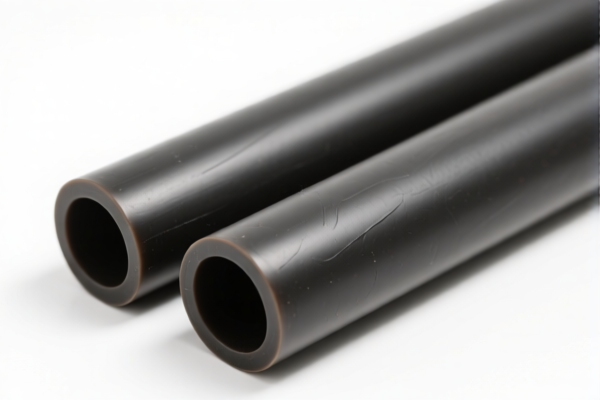
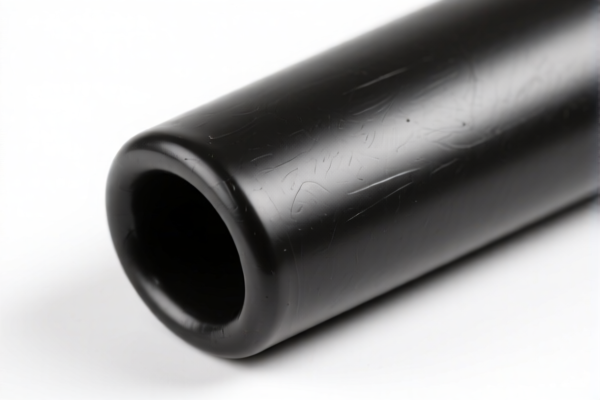
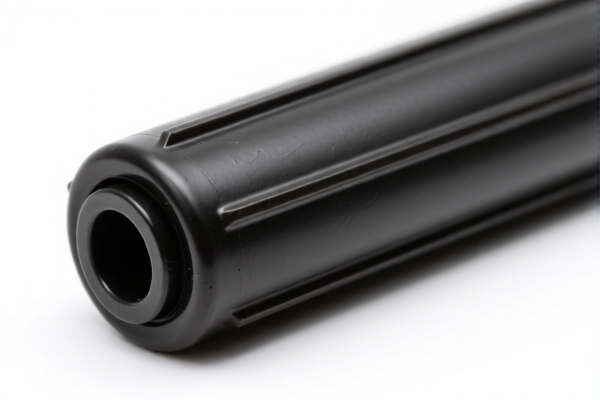
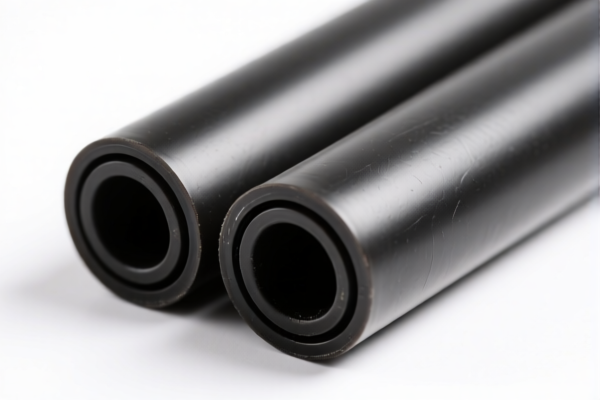
AI分析
🚗 L Grade Natural Rubber for Tires (Latex)
🌐 HS Code Reference & Customs Clearance Guide | 2026 Latest Tariff Analysis | Professional Entry Strategy
📌 I. Product Definition & Classification: What is "L Grade Natural Rubber for Tires"?
L Grade Natural Rubber for Tires, often referred to as Natural Rubber Latex or Concentrated Latex, is a primary form of natural rubber. It is a stable colloidal dispersion of polyisoprene in water, widely used in the tire industry (especially for radial tires) and other manufacturing sectors.
In international trade, the classification depends strictly on its physical state (liquid/emulsion vs. solid) and processing level (primary form).
⚠️ Key Distinction Point:
- If it is a liquid/emulsion (latex) used directly or after minimal processing → It falls under Chapter 40 (Rubber and Articles Thereof), specifically Heading 4001 or 4002.
- If it is solidified/compounded into blocks, sheets, or granules → It may fall under different subheadings (e.g., 4001.10).
- "L Grade" typically refers to the viscosity/stability grade suitable for dipping or tire bead construction, but for HS purposes, the state (latex/liquid) is the primary classifier.
📦 II. HS Code Classification Details (2026 Latest Tariff Authority Comparison)
Based on the input data, the product "L Grade Natural Rubber for Tires" can be classified into five potential HS Codes. All fall under Chapter 40, specifically Heading 4001 (Natural rubber, balata, guayule, chicle, and similar natural gums in primary forms) or Heading 4002 (Synthetic rubber and factice derived from oils, in primary forms; however, the summary notes indicate it is Natural Rubber, so 4001/4002 overlap is resolved by nature).
Note: The summaries provided suggest a debate between 4001 and 4002. For Natural Rubber Latex, 4001 is generally the most accurate for "primary form," while 4002 is often for Synthetic Rubber. However, some jurisdictions may place concentrated natural latex under 4002.20 or similar if defined as "latex." The provided data explicitly links them to Natural Rubber. Let's list them as provided.
| HS Code | Product Description & Logic | Application Context |
|---|---|---|
4001.29.00.00 |
Tire-grade Natural Rubber Latex: Material is natural rubber; form is primary (latex/emulsion). No material conflict. | Standard concentrated latex for tire manufacturing. |
4005.99.00.00 |
Tire-grade Natural Rubber Latex: Material is natural rubber; form is primary (liquid/bulk). Fits the "Other" catch-all logic. | Liquid bulk latex, potentially un-concentrated or specific liquid forms. |
4001.10.00.00 |
Tire-grade Natural Rubber Latex: Product name matches code definition exactly. "Tire-grade" fits primary form application characteristics. | Standard Crepe or Latex in primary form, specifically designated for tires. |
4002.80.00.00 |
Tire-grade Natural Rubber Latex: Material is natural rubber, falls under 4001 category logic. Based on the commonality of "Rubber Latex" as a primary form. | Note: This code is often for Synthetic Rubber (e.g., SBR, BR), but if classified here, it implies a specific regulatory interpretation of "latex" as a separate category. |
4002.91.00.00 |
Tire-grade Natural Rubber Latex: Material is natural rubber; form is latex (emulsion). Fully complies with material and form requirements of the category. | Specific emulsion latex types, possibly under a specific footnote or national subheading. |
🔍 Critical Clarification:
- Most Natural Rubber Latex is typically classified under 4001.29 (Other, in primary forms) or 4001.10 (Crepe) depending on processing.
- Codes starting with 4002 are generally for Synthetic Rubber. The provided summary suggests a potential confusion or specific national tariff line where Natural Latex might be grouped under 4002.91 or 4002.80 for statistical or trade remedy reasons.
- 4005 is for "Further Worked Rubber," so4005.99implies a more processed form, which might be a misclassification for primary latex unless it’s a compounded liquid.
💰 III. 2026 Latest Tariff Rate Details (Including Surcharges & Policy Add-ons)
✅ Applicable Country: USA (US)
✅ Origin: China (CN)
✅ Effective Date: 2025 November 10 onwards (including subsequent imports)
All five HS Codes listed in the data have identical tax structures.
🎯 1. General Tax Structure for All Listed HS Codes (4001.29.00.00, 4005.99.00.00, 4001.10.00.00, 4002.80.00.00, 4002.91.00.00)
| Item | Content |
|---|---|
| Base Tariff | 0.0% (Ad Valorem) |
| Section 301 Surcharge | +25.0% (USITC Footnote for Chinese goods) |
| Section 122 / IEEPA Surcharge | +10.0% (Specific trade remedy or national security tariff for Chinese products) |
| Total Effective Tax Rate | 35.0% |
| Tax Calculation | CIF Value × 35% |
| De Minimis Eligibility | ❌ Not Eligible (Denied due to high tariff codes) |
| Legal Basis Path | USITC:4001/4002/4005 → FOOTNOTE:301 (+25%) → IEEPA:9903 (+10%) |
📌 Explanation:
- "Base Tariff 0%": Natural rubber in primary forms often has a low base MFN rate in the US.
- "Section 301 +25%": This is the standard retaliatory tariff on Chinese goods under the Trade Act of 1974.
- "Section 122 +10%": This refers to tariffs imposed under Section 122 of the Trade Act of 1974 (or similar executive orders/IEEPA provisions) targeting specific strategic materials.
- Total 35%: This is a high-cost classification. Importers must account for this 35% in their landed cost calculations.
🛠️ IV. Customs Clearance Practical Advice (Real-World Pitfall Avoidance)
✅ 1. Documentation Checklist (Must-Haves)
| Document | Required? | Explanation |
|---|---|---|
| ✅ Commercial Invoice | ✔️ | Must clearly state: "Natural Rubber Latex, L Grade, Primary Form." |
| ✅ Bill of Lading | ✔️ | Indicates bulk liquid or drummed latex. |
| ✅ Certificate of Origin | ✔️ | Crucial to prove China Origin (to avoid disputes on surcharges). |
| ✅ Product Specification Sheet | ✔️ | Detail viscosity, dry rubber content (DRC%), pH, and stabilization agents. |
| ✅ Safety Data Sheet (SDS) | ✔️ | Required for chemical imports. Latex is generally non-hazardous but requires SDS. |
| ✅ USDA Import Permit | ⚠️ If Applicable | Natural rubber may require phytosanitary certificates if plant residue is present, though processed latex is often exempt. Check current USDA APHIS rules. |
✅ 2. Declaration Tips (Key Mnemonics)
🔥 "Primary Form is Key, Latex vs. Solid Matters, 35% is the Price!"
| Scenario | Correct Declaration | Error to Avoid |
|---|---|---|
| Liquid Latex | Declare as 4001.29.00.00 (Primary Form Latex) | Do not declare as "Tire Parts" (Chapter 4016/8708) → Higher duties! |
| Concentrated Latex | Specify "Concentrated Natural Rubber Latex" | Avoid vague terms like "Rubber Juice" → Customs may classify as unprocessed agricultural product. |
| Bulk vs. Drummed | Specify packaging type (IBC Totes, Drum, Tanker) | Mismatched packaging description → Delays at port. |
| Chinese Origin | Explicitly mark "Made in China" | Failure to declare origin → Risk of penalties for misdeclaration. |
✅ 3. Special Circumstances Handling
| Situation | Handling Advice |
|---|---|
| Mixed Cargo | If shipping with other goods, declare separately. Do not mix Chapter 40 with Electronics (Chapter 85) in one HS Code line. |
| Hybrid Rubber | If the latex contains additives (e.g., vulcanizing agents), it may no longer be "primary form." Check if it falls under 4005 (Further Worked). |
| Transshipment | If shipped via Vietnam or Malaysia, ensure the Country of Origin is still China to apply the correct 35% tariff (or avoid evasion penalties). |
🌍 V. Global Market Comparison (2026 Latest)
| Country/Region | Recommended HS Code | Tariff (China Origin) | Certification/Remarks |
|---|---|---|---|
| 🇺🇸 USA | 4001.29.00.00 |
35% (0% Base + 25% Sec301 + 10% Sec122) | High tariff barrier. Check USDA requirements. |
| 🇨🇳 China | 4001.29.00.00 |
0% (Import Duty) + VAT 13% | No surcharges on imports into China. |
| 🇪🇺 EU | 4001.29.00.00 |
0% (MFN) | No Section 301 equivalents. Standard EU import duties may apply if not preferential. |
| 🇯🇵 Japan | 4001.29.00.00 |
3.5% - 5.0% | Lower tariffs under JETPA/CEPA agreements if origin is ASEAN/Japan. |
| 🇰🇷 Korea | 4001.29.00.00 |
0% (Under KORUS/KCEPA if applicable) | Preferential rates for ASEAN partners. |
📌 Conclusion:
- The USA is the most challenging market due to the 35% total tariff.
- EU, Japan, and Korea offer significantly better tariff treatment (0-5%), making them more attractive for tire-grade latex imports if sourcing from China.
📌 VI. Common Errors & Pitfall Guide (Lessons Learned)
❌ Error 1: Classifying Latex as Tire Treads (HS 4011)
👉 Consequence: Higher duties + wrong regulatory requirements. Latex is a raw material, not a finished tire part.
❌ Error 2: Ignoring Section 122 / IEEPA surcharges
👉 Consequence: Underpayment of duties by 10%. Customs will assess penalties and back taxes.
❌ Error 3: Misidentifying Primary Form
👉 Consequence: If the latex is "further worked" (compounded), it may fall under 4005, which might have different tariff implications or inspection requirements.
❌ Error 4: Vague Description "Rubber Liquid"
👉 Consequence: Customs may seize goods for insufficient description. Always use "Natural Rubber Latex, Primary Form."
✅ Correct Practice:
"Natural Rubber Latex, L Grade, Primary Form, 60% Dry Rubber Content, in IBC Totes, Made in China"
🎯 VII. Conclusion: Professional Declaration, Cost Control, Risk Mitigation
🎯 Remember the Mnemonic:
🔹 "Latex is Primary, 35% Tax in USA, Don't Call it Tire Part, Keep Docs Ready!"
🔹 "HS Code 4001 is King, 301+122 is Sting, Clear Declaration is Everything!"
📌 Pro Tip:
If your latex is sourced from Thailand, Indonesia, or Malaysia, you may qualify for preferential tariffs under FTAs (e.g., USMCA, RCEP, ASEAN-EU) if exported from those countries, potentially reducing the Section 301 impact.
Recommendation:
📞 Consult a licensed customs broker before shipment.
📄 Request an Advance Ruling from US CBP if the classification is ambiguous.
🚀 Ensure USDA compliance to avoid agricultural quarantine delays.
📣 Immediate Action:
📞 Contact your freight forwarder with the exact HS Code and Origin.
🚀 Calculate landed cost including 35% US Tariff.
💼 Avoid costly errors by declaring accurately!
✨ Professional Customs Clearance Starts with Precise Classification!
💼 Every Percent of Tax Matters in Global Trade!
用户评价
关于 HS 编码归类
协调制度(HS)是由世界海关组织(WCO)制定的国际贸易商品分类标准。全球 200 多个国家采用 HS 系统作为海关关税、贸易统计和进出口监管的基础。
每个 HS 编码遵循以下层级结构:
- 章(2 位)——商品大类(例如:第 84 章:机器和机械设备)
- 品目(4 位)——章内的更具体分类
- 子目(6 位)——国际通用细分,所有 WCO 成员国统一使用
- 本国细分(8-10 位)——各国自行扩展的细分编码,如美国 HTSUS 10 位编码
正确的 HS 编码归类对于顺利通关、准确缴纳关税和遵守贸易法规至关重要。错误归类可能导致海关延误、多缴关税或罚款。
从CN进口到US时,适用的关税税率可能包括:
- 最惠国(MFN)税率——适用于 WTO 成员国的标准关税税率
- 普通税率——适用于无贸易协定国家
- 贸易救济关税——附加关税,如 301 条款(反倾销)、232 条款(国家安全)或反补贴税
本页内容仅供参考。如需正式归类,请咨询当地海关或持牌报关代理。