Ladies Dress
CN → US| HS编码 | 关税税率 | 原产国 | 目的国 | 文档 |
|---|---|---|---|---|
| 6114200010 | 28.3% | CN | US | 官方文档 |
| 6114301020 | 45.7% | CN | US | 官方文档 |
| 6114200060 | 28.3% | CN | US | 官方文档 |
| 6114303070 | 32.4% | CN | US | 官方文档 |
| 6204434030 | 33.5% | CN | US | 官方文档 |
商品图片
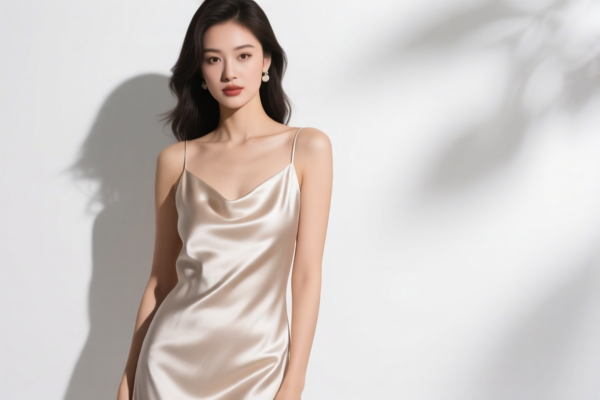
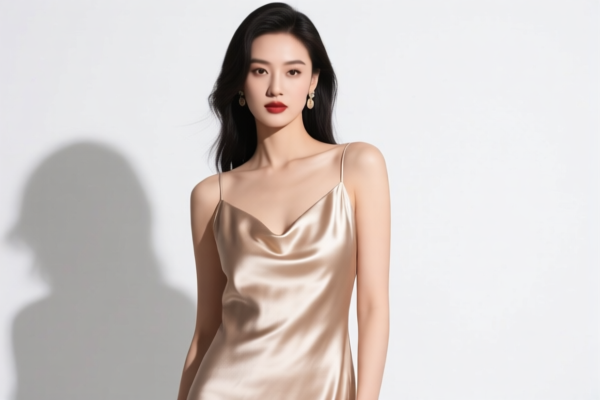
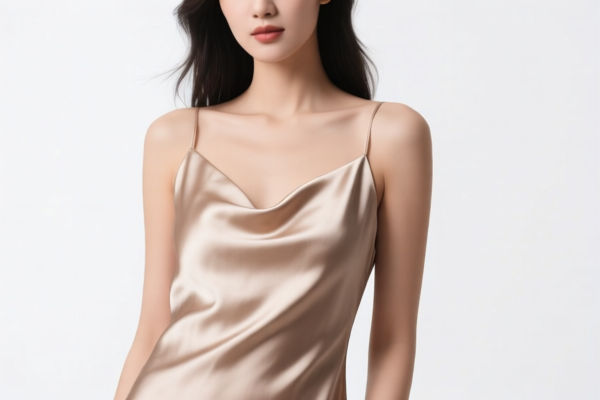
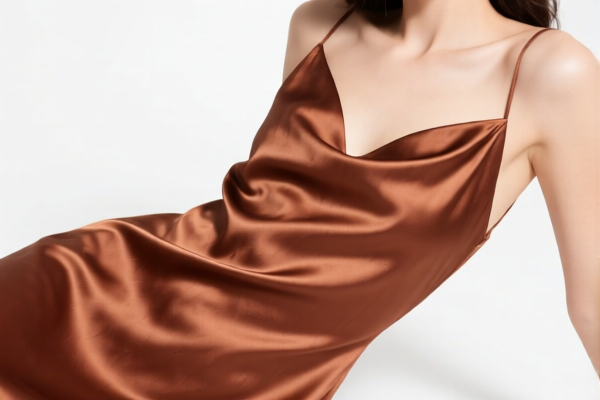
AI分析
👗 Ladies Dress (Women’s Dresses & Tops)
🌐 HS Code Reference & Customs Clearance Guide | 2026 Latest Tariff Analysis | Professional Entry Strategies
📌 I. Product Definition & Classification: Do You Really Understand "Ladies Dress"?
A "Ladies Dress" is a broad category in international trade, covering garments designed specifically for women. In the Harmonized System (HS), classification depends heavily on three factors: Knitting/Crocheting vs. Non-Knitting, Material Composition (Cotton vs. Synthetic Fibers), and Specific Design/Usage.
⚠️ Key Distinction Points:
- Knitted/Crocheted (Chapter 61): Fabric is knitted or crocheted (stretchy, looped structure). Typically enjoys lower base tariffs.
- Non-Knitted/Woven (Chapter 62): Fabric is woven (traditional tailoring). Typically has higher base tariffs.
- Material: Cotton, Synthetic Fibers (Polyester/Nylon), or Other Textile Materials.
- 122-Clause Tariffs: Specific additional tariffs applied to certain Chinese goods under Section 122 of the US Trade Act.
📦 II. HS Code Classification Details (2026 Latest Tariff Authoritative对照)
Based on the provided data, here are the 5 possible HS Codes for "Ladies Dress" and their corresponding tax implications:
| HS Code | Product Description | Classification Logic | Total Tax Rate | Tax Detail Breakdown |
|---|---|---|---|---|
6114.20.00.10 |
Knitted/Crocheted Dress | Knitted; Material: Likely Cotton or Generic | 28.3% | Base: 10.8%, Add-on: 7.5%, Sec 122: 10% |
6114.30.10.20 |
Knitted Dress & Top Set | Knitted; Matches dress/top combination | 45.7% | Base: 28.2%, Add-on: 7.5%, Sec 122: 10% |
6114.20.00.60 |
Knitted Women’s Dress | Knitted; Women’s specific design | 28.3% | Base: 10.8%, Add-on: 7.5%, Sec 122: 10% |
6114.30.30.70 |
Knitted Women’s Dress | Knitted; Synthetic/Natural Fiber mix | 32.4% | Base: 14.9%, Add-on: 7.5%, Sec 122: 10% |
6204.43.40.30 |
Non-Knitted (Woven) Dress | Woven; Synthetic/Natural Fiber | 33.5% | Base: 16.0%, Add-on: 7.5%, Sec 122: 10% |
🔍 Critical Insight:
- Knitted dresses (6114) generally have lower base tariffs (10.8%–14.9%) compared to non-knitted/woven dresses (6204), which start at 16.0%.
- The Set Item (6114.30.10.20) has the highest total tax (45.7%) due to a significantly higher base tariff (28.2%), likely because sets are treated as higher-value or specific composite goods.
- Section 122 Tariff is a constant 10% for all items listed, indicating these are subject to specific US trade restrictions on textile/apparel imports from China.
💰 III. 2026 Latest Tariff Rate Details (Including Surcharges & Policy Add-ons)
✅ Applicable Country: United States (US)
✅ Origin: China (CN)
✅ Effective Time: Current Trade Policy (Includes Section 122 Surcharges)
🎯 1. 6114.20.00.10 & 6114.20.00.60 — Knitted Dresses (Cotton/Generic)
| Item | Content |
|---|---|
| Base Tariff | 10.8% (Ad Valorem) |
| Add-on Tariff | +7.5% |
| Section 122 Tariff | +10% |
| Total Tax Rate | 28.3% |
| Tax Calculation | CIF Value × 28.3% |
| De Minimis Exemption | ❌ No (Section 122 items are typically excluded from de minimis relief) |
| Legal Basis Path | HS:6114.20.00 → Sec 122: 10% → Add-on: 7.5% |
📌 Explanation:
- These codes represent standard knitted dresses.
- The 10.8% base is relatively competitive for apparel.
- However, the 17.5% in additional duties (7.5% + 10%) significantly erodes profit margins.
🎯 2. 6114.30.30.70 — Knitted Dresses (Synthetic/Natural Mix)
| Item | Content |
|---|---|
| Base Tariff | 14.9% (Ad Valorem) |
| Add-on Tariff | +7.5% |
| Section 122 Tariff | +10% |
| Total Tax Rate | 32.4% |
| Tax Calculation | CIF Value × 32.4% |
| De Minimis Exemption | ❌ No |
| Legal Basis Path | HS:6114.30.30 → Sec 122: 10% → Add-on: 7.5% |
📌 Note:
- Slightly higher base tariff due to material composition or specific sub-category designation.
- Still falls under the knitted category, keeping it lower than non-knitted alternatives.
🎯 3. 6204.43.40.30 — Non-Knitted (Woven) Dresses
| Item | Content |
|---|---|
| Base Tariff | 16.0% (Ad Valorem) |
| Add-on Tariff | +7.5% |
| Section 122 Tariff | +10% |
| Total Tax Rate | 33.5% |
| Tax Calculation | CIF Value × 33.5% |
| De Minimis Exemption | ❌ No |
| Legal Basis Path | HS:6204.43.40 → Sec 122: 10% → Add-on: 7.5% |
📌 Note:
- Non-knitted dresses face higher base duties.
- This is the standard for woven fabric dresses (e.g., silk, polyester woven, cotton woven).
🎯 4. 6114.30.10.20 — Knitted Dress & Top Sets
| Item | Content |
|---|---|
| Base Tariff | 28.2% (Ad Valorem) |
| Add-on Tariff | +7.5% |
| Section 122 Tariff | +10% |
| Total Tax Rate | 45.7% |
| Tax Calculation | CIF Value × 45.7% |
| De Minimis Exemption | ❌ No |
| Legal Basis Path | HS:6114.30.10 → Sec 122: 10% → Add-on: 7.5% |
📌 Warning:
- This is the highest tax bracket in the dataset.
- Sets (Dress + Top) are often classified differently due to their composite nature, attracting higher base duties.
- Avoid this code if you can classify items separately, unless the set is mandatory.
🛠️ IV. Customs Clearance Practical Advice (Avoid Pitfalls)
✅ 1. Preparation Checklist (Mandatory)
| Document | Required | Note |
|---|---|---|
| ✅ Product Specification Sheet | ✔️ | Must specify: Knitted/Woven, Material (Cotton/Polyester/etc.), Gender |
| ✅ Composition Label | ✔️ | Clear % of fabric components (e.g., 100% Cotton) |
| ✅ Product Photos | ✔️ | Front, back, label, and care tag photos |
| ✅ Commercial Invoice | ✔️ | Must state "Ladies Dress" or "Knitted Dress" |
| ✅ Packing List | ✔️ | Quantity, weight, and package dimensions |
| ✅ Section 122 Declaration | ✔️ | Acknowledge eligibility for surcharges |
✅ 2. Classification Strategy (Key Tips)
🔥 “Knit is cheaper, Woven is costlier, Sets are expensive!”
| Scenario | Correct HS Code | Wrong Approach | Risk |
|---|---|---|---|
| Knitted Cotton Dress | 6114.20.00.10 or .60 (28.3%) |
Misclassify as Woven → 33.5% | Higher Duty |
| Knitted Synthetic Dress | 6114.30.30.70 (32.4%) |
Misclassify as Cotton → 28.3% | Audit Risk |
| Woven Dress | 6204.43.40.30 (33.5%) |
Misclassify as Knitted → 28.3% | Penalty |
| Dress + Top Set | 6114.30.10.20 (45.7%) |
Split into separate items | 45.7% if forced as set |
✅ 3. Special Handling
| Situation | Recommendation |
|---|---|
| Material Ambiguity | Provide lab test results if material is unclear. Cotton (10.8%) vs. Synthetic (14.9%) matters. |
| Section 122 Compliance | Ensure the product origin is correctly declared. Section 122 applies to Chinese-origin goods. |
| De Minimis (De Minimis) | Do not rely on de minimis for Section 122 items. They are subject to duties even if under $800. |
| Set Items | If possible, ship dress and top as separate SKUs to avoid the 45.7% "set" rate, if allowed by customs. |
🌍 V. Global Market Comparison (2026 Latest)
| Country/Region | Recommended HS Code | Tariff (China Origin) | Notes |
|---|---|---|---|
| 🇺🇸 USA | 6114.20.00.10 |
28.3% | Includes Sec 122 + Add-on |
| 🇪🇺 EU | 6104.43.00 |
~12-16% | No Sec 122; Lower base |
| 🇨🇳 China | 6104.43.00 |
~10-14% | Import tariff into China |
| 🇯🇵 Japan | 6104.43.00 |
~10-15% | No Sec 122 |
📌 Conclusion:
- The US market is the most costly for Chinese-made apparel due to Section 122 (10%) and Add-on Tariffs (7.5%).
- Knitted items (6114) are generally more tariff-efficient than Woven items (6204).
- Avoid Classifying Sets (6114.30.10.20) if you want to minimize tax burden.
📌 VI. Common Errors & Pitfalls (Blood & Tears)
❌ Error 1: Declaring a Woven Dress as Knitted to save 5% tax.
👉 Consequence: Customs audit, seizure, or retroactive duties + fines.
❌ Error 2: Ignoring Section 122 implications for de minimis shipments.
👉 Consequence: Package seized because Sec 122 items are not eligible for duty-free entry under $800.
❌ Error 3: Classifying a Dress & Top Set as two separate dresses.
👉 Consequence: Customs may combine them and apply the 45.7% set rate, or penalize for incorrect declaration.
❌ Error 4: Vague Description "Clothes".
👉 Consequence: Customs will reclassify to the highest possible duty rate (e.g., 33.5% or higher).
✅ Correct Practice:
“Women’s Knitted Cotton Dress, 100% Cotton, Knit Fabric, Size M, Brand XYZ”
→ HS: 6114.20.00.10 → 28.3%
🎯 VII. Conclusion: Precision Classification, Cost Savings!
🎯 Remember the Mantra:
🔹 “Knit is cheaper, Woven is costlier, Sets are expensive!”
🔹 “Section 122 is 10%, Add-on is 7.5%, Total is heavy!”
🔹 “De Minimis does not apply to Sec 122!”
📌 Pro Tip:
If your supplier is outside China (e.g., Vietnam, Bangladesh), Section 122 tariffs (10%) may not apply, potentially reducing your total tax by 10%.
Recommendation:
📞 Consult a licensed customs broker for Advance Ruling.
🚀 Optimize supply chain to avoid high-tax classifications.
📣 Immediate Action:
📄 Ensure your Product Specification clearly states Knitted/Woven and Material.
📊 Calculate landed cost with 28.3%–45.7% duty included.
✨ Professional Customs Clearance Starts with Accurate Classification!
💼 Every Dollar Saved in Tariffs is Pure Profit!
用户评价
关于 HS 编码归类
协调制度(HS)是由世界海关组织(WCO)制定的国际贸易商品分类标准。全球 200 多个国家采用 HS 系统作为海关关税、贸易统计和进出口监管的基础。
每个 HS 编码遵循以下层级结构:
- 章(2 位)——商品大类(例如:第 84 章:机器和机械设备)
- 品目(4 位)——章内的更具体分类
- 子目(6 位)——国际通用细分,所有 WCO 成员国统一使用
- 本国细分(8-10 位)——各国自行扩展的细分编码,如美国 HTSUS 10 位编码
正确的 HS 编码归类对于顺利通关、准确缴纳关税和遵守贸易法规至关重要。错误归类可能导致海关延误、多缴关税或罚款。
从CN进口到US时,适用的关税税率可能包括:
- 最惠国(MFN)税率——适用于 WTO 成员国的标准关税税率
- 普通税率——适用于无贸易协定国家
- 贸易救济关税——附加关税,如 301 条款(反倾销)、232 条款(国家安全)或反补贴税
本页内容仅供参考。如需正式归类,请咨询当地海关或持牌报关代理。