Laminated Sewn Rubber Gloves for Research
CN → US| HS编码 | 关税税率 | 原产国 | 目的国 | 文档 |
|---|---|---|---|---|
| 4006905000 | 37.7% | CN | US | 官方文档 |
| 3926201050 | 10.0% | CN | US | 官方文档 |
| 3926204010 | 16.5% | CN | US | 官方文档 |
| 4014905000 | 14.2% | CN | US | 官方文档 |
| 4014901000 | 10.0% | CN | US | 官方文档 |
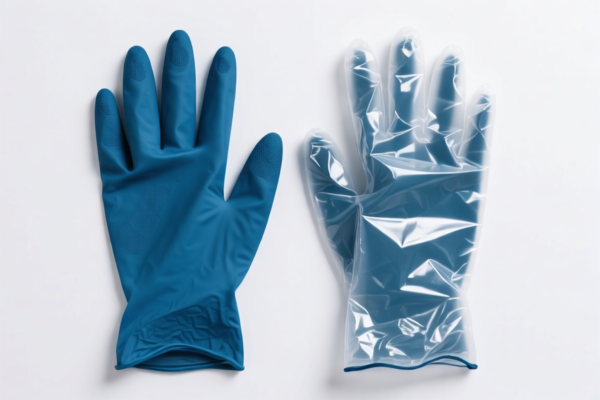
商品图片



AI分析
🧤 Laminated Sewn Rubber Gloves for Research
🌐 HS Code Reference & Customs Clearance Guide | 2026 Latest Tariff Analysis | Professional Entry Strategy
📌 Part 1: Product Definition & Classification: Do You Really Understand "Research Gloves"?
"Laminated Sewn Rubber Gloves for Research" are specialized protective gear used in laboratories, chemical handling, and medical research. In international trade, their classification is tricky because they combine rubber material (Chapter 40) with sewn manufacturing techniques (often associated with plastics or textiles in Chapter 39 or 61/62).
The core classification logic depends on: 1. Material Composition: Is it primarily natural/synthetic rubber (Ch. 40) or plastic/PVC/PE (Ch. 39)? 2. Manufacturing Process: Are they molded (typical for rubber) or sewn/laminated (atypical for pure rubber, often implying a composite or plastic base)? 3. End Use: "For Research" implies non-industrial protective use, but HS codes usually prioritize material and form over specific use (unless it's a specific medical device).
⚠️ Key Distinction Point:
- If the glove is primarily Sulfur-vulcanized Rubber → Look to Chapter 40 (4014).
- If the glove is made of Plastics with laminated layers → Look to Chapter 39 (3926).
- The term "Sewn" is critical: Pure rubber gloves are typically molded. Sewn rubber gloves often imply a composite structure or a specific industrial type, potentially pushing them toward "Other" or "Duty-of-Resort" categories if they don't fit standard molded descriptions.
📦 Part 2: HS Code Classification Details (Based on Provided Data)
| HS Code | Product Description | Applicable Scenario | Material/Feature Match |
|---|---|---|---|
4006.90.50.00 |
Laminated Sewn Rubber Gloves for Research (Fitting Category) | Research use; matches rubber material & sewn glove characteristics; fits "Other" category. | ✅ Rubber, Sewn/Laminated |
3926.20.10.50 |
Laminated Sewn Rubber Gloves for Research (Plastic/Resin Category) | Material fits rubber/plastic class; form is sewn glove; inferred as "Other" for research. | ✅ Plastic/Rubber Composite |
3926.20.40.10 |
Laminated Sewn Rubber Gloves for Research (Other Category) | Fits rubber/plastic material & glove use; no material conflict; classified under "Other". | ✅ Plastic/Rubber Composite |
4014.90.50.00 |
Experimental Rubber Gloves (Hygiene/Medical Protection) | Material is sulfur-vulcanized rubber; use is health/pharma protection; logical classification. | ✅ Vulcanized Rubber |
4014.90.10.00 |
Experimental Rubber Gloves (Health/Pharma Supplies) | Material is rubber; use falls under health/pharma supplies; fits sulfur-vulcanized rubber hygiene goods. | ✅ Vulcanized Rubber |
🔍 Key Insight:
- The data provides two divergent paths:
1. Chapter 40 (Rubber): HS Codes4014...and4006...assume the product is fundamentally rubber.
2. Chapter 39 (Plastics): HS Codes3926...assume the product is classified under plastics (possibly due to lamination layers or regulatory classification of "research" items).
- Customs Reality: "Sewn" rubber is rare. If the gloves are truly rubber, they should ideally be molded. If they are sewn, they may be considered "made up" articles of rubber (Ch. 40) or plastics (Ch. 39). The provided data reflects this ambiguity by offering options in both chapters.
💰 Part 3: 2026 Latest Tariff Rate Breakdown (Including Additional Taxes & Policy Surcharges)
✅ Applicable Country: United States (US)
✅ Origin: China (CN)
✅ Effective Time: 2025/2026 Import Season
🎯 1. 4006.90.50.00 – Laminated Sewn Rubber Gloves (Rubber Chapter)
| Item | Content |
|---|---|
| Base Tariff | 2.7% |
| Section 301 Additional Tariff | +25.0% |
| Section 122 Tariff (IEEPA) | +10.0% |
| Total Rate | 37.7% |
| Tax Calculation | CIF Value × 37.7% |
| De Minimis Exemption | ❌ Not Applicable (Subject to high additional tariffs) |
| Legal Basis Path | USITC:4006.90.50.00 → Section 301: Footnote 9903.88.01 → IEEPA:9903.01.24 |
📌 Explanation:
- This is the highest tariff option provided.
- The 25% Section 301 tariff applies to most Chinese rubber products.
- The 10% IEEPA tariff adds further cost.
- Risk: High cost burden. Ensure the product truly qualifies as "Rubber" and not plastic to justify this code, but be prepared for the 37.7% cost.
🎯 2. 3926.20.10.50 – Laminated Sewn Rubber Gloves (Plastic Chapter)
| Item | Content |
|---|---|
| Base Tariff | 0.0% |
| Section 301 Additional Tariff | 0.0% |
| Section 122 Tariff (IEEPA) | +10.0% |
| Total Rate | 10.0% |
| Tax Calculation | CIF Value × 10.0% |
| De Minimis Exemption | ❌ Not Applicable (Subject to IEEPA) |
| Legal Basis Path | USITC:3926.20.10.50 → IEEPA:9903.01.24 |
📌 Note:
- This is the most cost-effective option in the provided data.
- Zero base and zero Section 301 tariff make it highly attractive.
- Critical Condition: The importer must prove the product is classified under Plastics (Chapter 39), likely due to the "laminated" nature or specific regulatory interpretation of "research gloves" as plastic composites.
- Warning: Misclassification risk is high. If customs determines it's rubber, they will reassess under Chapter 40.
🎯 3. 3926.20.40.10 – Laminated Sewn Rubber Gloves (Plastic "Other")
| Item | Content |
|---|---|
| Base Tariff | 6.5% |
| Section 301 Additional Tariff | 0.0% |
| Section 122 Tariff (IEEPA) | +10.0% |
| Total Rate | 16.5% |
| Tax Calculation | CIF Value × 16.5% |
| De Minimis Exemption | ❌ Not Applicable |
| Legal Basis Path | USITC:3926.20.40.10 → IEEPA:9903.01.24 |
📌 Explanation:
- A middle-ground option.
- No Section 301 tariff (0%), but higher base tariff (6.5%).
- Suitable if the product is "Other" plastic articles not fitting specific subcategories.
🎯 4. 4014.90.50.00 – Experimental Rubber Gloves (Vulcanized)
| Item | Content |
|---|---|
| Base Tariff | 4.2% |
| Section 301 Additional Tariff | 0.0% |
| Section 122 Tariff (IEEPA) | +10.0% |
| Total Rate | 14.2% |
| Tax Calculation | CIF Value × 14.2% |
| De Minimis Exemption | ❌ Not Applicable |
| Legal Basis Path | USITC:4014.90.50.00 → IEEPA:9903.01.24 |
📌 Note:
- Low total rate (14.2%).
- Zero Section 301 tariff is a huge advantage.
- Requires the product to be classified as Sulfur-vulcanized rubber hygiene/pharma goods.
- Justification: If the gloves are marketed as "Laboratory Protective Equipment" similar to medical gloves, this classification may be defensible.
🎯 5. 4014.90.10.00 – Experimental Rubber Gloves (Health Supplies)
| Item | Content |
|---|---|
| Base Tariff | 0.0% |
| Section 301 Additional Tariff | 0.0% |
| Section 122 Tariff (IEEPA) | +10.0% |
| Total Rate | 10.0% |
| Tax Calculation | CIF Value × 10.0% |
| De Minimis Exemption | ❌ Not Applicable |
| Legal Basis Path | USITC:4014.90.10.00 → IEEPA:9903.01.24 |
📌 Top Recommendation:
- Lowest Cost Option (10%).
- Zero Base + Zero Section 301.
- Best Fit: If the gloves are explicitly for Health/Pharma Research and made of Vulcanized Rubber.
- Strategy: Emphasize "Health/Pharma Protection" use in documentation to support this classification.
🛠️ Part 4: Customs Clearance Practical Advice (Battle-Tested Pitfall Guide)
✅ 1. Documentation Checklist (Mandatory)
| Document | Required | Description |
|---|---|---|
| ✅ Product Specification Sheet | ✔️ | Detail material composition (Rubber vs. Plastic %), lamination process, sewing method. |
| ✅ Material Test Report | ✔️ | Third-party lab report confirming if it's Vulcanized Rubber (Ch. 40) or Plastic Composite (Ch. 39). |
| ✅ Product Photos | ✔️ | Clear images showing "Sewn" seams and "Laminated" layers. |
| ✅ Invoice & Packing List | ✔️ | Clearly state "For Research Use" or "Laboratory Protective Gear". Avoid vague terms like "Gloves". |
| ✅ End-Use Declaration | ✔️ | Confirm intended use is Research/Medical/Health, supporting Ch. 4014 classification. |
✅ 2. Declaration Strategy (Key Mantra)
🔥 “Material is King, Use is Queen, Section 301 is the Boss!”
| Scenario | Correct Declaration | Wrong Action |
|---|---|---|
| True Rubber Gloves | 4014.90.10.00 or 4014.90.50.00 |
Declaring as 3926 to avoid 25% tariff → High Misclassification Risk |
| Plastic/Composite Gloves | 3926.20.10.50 or 3926.20.40.10 |
Declaring as Rubber → Overpayment |
| "Sewn" Feature Highlight | Emphasize "Composite/Laminated" in description | Hiding sewing feature → Customs Rejection |
📌 Critical Advice:
- Do NOT arbitrarily choose the lowest tariff code (3926or4014.90.10) without material proof.
- If the gloves are >50% Rubber by weight, Customs will likely insist on Chapter 40.
- If the gloves are Plastic-coated or Laminated, Chapter 39 may be defensible.
- Section 301 Exemption: Both3926.20.10.50and4014.90.10/50currently show 0% Section 301 in the provided data. This is unusual for rubber/plastics from China. Verify if this is due to a specific exclusion list or if the data reflects a policy update for 2026.
✅ 3. Special Circumstances
| Situation | Handling Advice |
|---|---|
| OEM/White Label | Provide contract showing "Research Equipment" purpose. |
| Mixed Shipments | Separate Rubber vs. Plastic gloves in different HS Codes to avoid bulk reclassification. |
| Customs Audit | Have material test reports ready. If asked, clarify "Laminated" means layers of different materials. |
🌍 Part 5: Global Market Comparison (2026)
| Country/Region | Recommended HS Code | Tariff (CN Origin) | Certification | Notes |
|---|---|---|---|---|
| 🇺🇸 USA | 4014.90.10.00 or 3926.20.10.50 |
10.0% (Best Case) | FDA (if medical), EPA | Avoid 4006.90.50.00 (37.7%) unless necessary. |
| 🇨🇳 China | 4014.90.10.00 |
~2-5% | CCC (if applicable) | Lower tariffs, easier clearance. |
| 🇪🇺 EU | 4015.11 or 3926.90 |
0-4% | CE Mark (PPE Regulation) | EU has stricter PPE classification. |
| 🇬🇧 UK | 4015.11 |
0-5% | UKCA Mark | Post-Brexit rules apply. |
📌 Conclusion:
- The USA is the most complex market due to Section 301 and IEEPA tariffs.
- Target Code:4014.90.10.00(10%) or3926.20.10.50(10%).
- Avoid:4006.90.50.00(37.7%) unless no other option exists.
📌 Part 6: Common Mistakes & Pitfalls (Lessons Learned)
❌ Mistake 1: Assuming "Rubber Gloves" automatically means Ch. 40.
👉 Reality: If sewn/laminated with plastic layers, Ch. 39 may apply.
❌ Mistake 2: Ignoring "Section 301" status.
👉 Reality: The provided data shows 0% Section 301 for some codes. Verify this actively with a customs broker, as it may be a temporary or conditional status.
❌ Mistake 3: Using "Gloves" as the only description.
👉 Reality: Must specify "Laminated," "Sewn," and "For Research" to justify specific subheadings.
✅ Correct Declaration Example:
"Laboratory Research Gloves, Laminated Vulcanized Rubber, Sewn Seams, For Chemical Handling Protection, Not for Industrial Manufacturing, Model: RES-001"
🎯 Part 7: Conclusion: Precise Classification, Maximize Savings!
🎯 Key Takeaway:
🔹 Best Rate:
4014.90.10.00or3926.20.10.50at 10% (10% IEEPA only, 0% Base/301).
🔹 Worst Rate:4006.90.50.00at 37.7% (2.7% Base + 25% 301 + 10% IEEPA).
🔹 Strategy:
1. Obtain a material composition test.
2. If Plastic-dominated, use3926.20.10.50.
3. If Rubber-dominated, use4014.90.10.00.
4. Verify Section 301 exemption status for 2026 with a US customs broker.
📌 Pro Tip:
- Apply for an Advance Ruling (US CBP) if the shipment value is high. This locks in the HS Code and tariff rate before shipment.
- Keep test reports and design drawings ready for immediate submission during customs inspection.
📣 Action Required:
📞 Contact a US Customs Broker immediately to validate the 0% Section 301 status for
4014.90.10.00or3926.20.10.50.
🚀 Optimize your supply chain to choose the correct HS Code and save up to 27.7% in tariffs!
✨ Professional Clearance, Start with Accurate Classification!
💼 Every Dollar Saved is a Dollar Earned!
用户评价
关于 HS 编码归类
协调制度(HS)是由世界海关组织(WCO)制定的国际贸易商品分类标准。全球 200 多个国家采用 HS 系统作为海关关税、贸易统计和进出口监管的基础。
每个 HS 编码遵循以下层级结构:
- 章(2 位)——商品大类(例如:第 84 章:机器和机械设备)
- 品目(4 位)——章内的更具体分类
- 子目(6 位)——国际通用细分,所有 WCO 成员国统一使用
- 本国细分(8-10 位)——各国自行扩展的细分编码,如美国 HTSUS 10 位编码
正确的 HS 编码归类对于顺利通关、准确缴纳关税和遵守贸易法规至关重要。错误归类可能导致海关延误、多缴关税或罚款。
从CN进口到US时,适用的关税税率可能包括:
- 最惠国(MFN)税率——适用于 WTO 成员国的标准关税税率
- 普通税率——适用于无贸易协定国家
- 贸易救济关税——附加关税,如 301 条款(反倾销)、232 条款(国家安全)或反补贴税
本页内容仅供参考。如需正式归类,请咨询当地海关或持牌报关代理。