Laptop Battery
CN → US| HS编码 | 关税税率 | 原产国 | 目的国 | 文档 |
|---|---|---|---|---|
| 8471900000 | 35.0% | CN | US | 官方文档 |
| 8504406018 | 35.0% | CN | US | 官方文档 |
| 8504407018 | 35.0% | CN | US | 官方文档 |
| 8507808200 | 38.4% | CN | US | 官方文档 |
商品图片
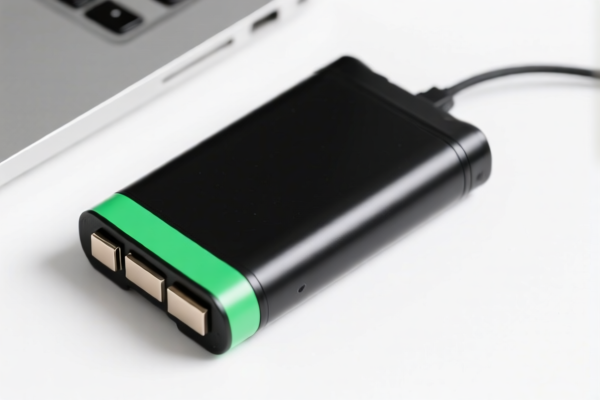
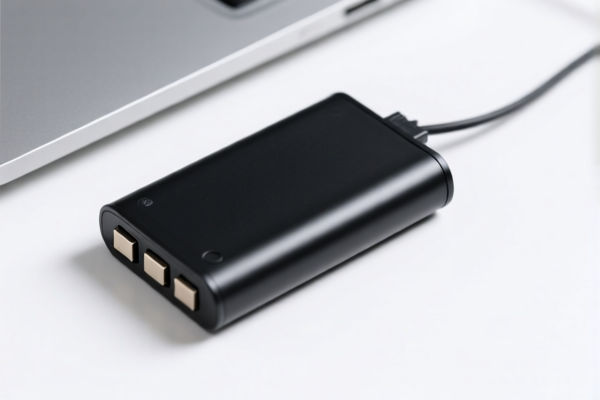
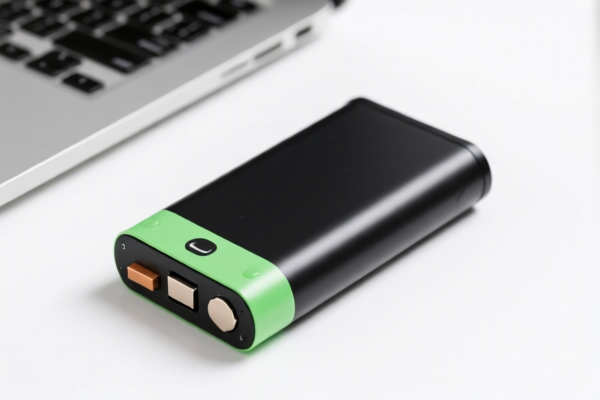
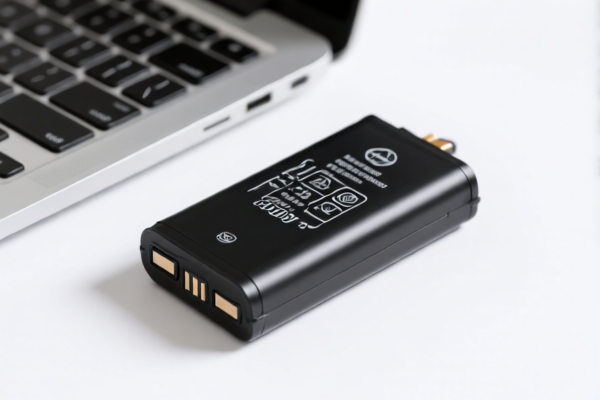
AI分析
🔋 Laptop Battery (Power Source for Automatic Data Processing Machines)
🌐 HS Code Reference & Customs Clearance Guide | 2026 Latest Tariff Analysis | Professional Clearance Strategy
📌 I. Product Definition & Classification: What Exactly is a "Laptop Battery"?
The laptop battery is the core energy storage component for portable computers. In international trade, its classification depends heavily on whether it is integrated into the device or sold as a standalone accessory, and its functional role (power storage vs. power conversion).
Under the Harmonized System (HS), laptop batteries generally fall into two main categories: 1. As a Component of Automatic Data Processing (ADP) Machines: If classified specifically as a part of the laptop itself. 2. As a Standalone Electrical Component: If classified under electrical machinery, batteries, or converters.
⚠️ Key Distinction Point:
- If the battery is integrated or sold specifically as a replacement part for an ADP machine, it may fall under 8471.90.00.00.
- If it is treated as a standalone power source (rechargeable battery) or associated with power converters/adapters, it may fall under 8504 or 8507.
- Crucial Note: The US Customs and Border Protection (CBP) often scrutinizes lithium-ion batteries due to safety regulations (DOT/FAA) and specific tariff provisions.
📦 II. HS Code Classification Details (2026 Latest Tariff Authority Comparison)
Based on the provided , here are the specific HS Codes applicable to laptop batteries and related power components:
| HS Code | Product Description | Applicable Scenario | Tax Rate (China Origin) |
|---|---|---|---|
8471.90.00.00 |
Parts of Automatic Data Processing Machines Specifically, laptop batteries as components of ADP machines. |
Laptop battery sold as a spare part or integral component for a computer. | 35.0% |
8504.40.60.18 |
Static Converters Associated application as a power supply static converter. |
Battery management systems or integrated power units acting as converters. | 35.0% |
8504.40.70.18 |
Power Converters/Adapters Laptop power adapters/converters classified under ADP power sources. |
Note: While labeled "battery" in user input, this code often covers power adapters or complex power conversion units linked to laptops. | 35.0% |
8507.80.82.00 |
Other Accumulators (Batteries) Classified based on energy storage function. |
Standalone rechargeable batteries (Li-ion) sold separately, not strictly as "parts" of ADP. | 38.4% |
🔍 Critical Reminder:
- 8471.90.00.00 is the most direct classification for a "laptop battery" as a part of the computer.
- 8507.80.82.00 applies if the battery is treated as a general "accumulator" (standalone power source) rather than a specific ADP part. This carries a higher tax rate (38.4%).
- 8504 Codes are relevant if the product includes significant conversion circuitry (like a power adapter or hybrid unit).
💰 III. 2026 Latest Tariff Rate Breakdown (Including Surtaxes & Policy Add-ons)
✅ Applicable Country: United States (US)
✅ Country of Origin: China (CN)
✅ Effective Time: From November 10, 2025 (including subsequent imports)
🎯 1. 8471.90.00.00 – Laptop Battery (ADP Part)
| Item | Content |
|---|---|
| Base Duty Rate | 0.0% (ad valorem) |
| Section 301 Surtax | +25.0% |
| Section 122 Tariff | +10.0% |
| Total Tax Rate | 35.0% |
| Tax Calculation | CIF Value × 35% |
| De Minimis Exemption | ❌ Not Applicable (deny_de_minimis) |
| Legal Basis Path | USITC:8471.90.00.00 → Section 301: Footnote 9903.88.01 → Section 122: IEEPA provisions |
📌 Explanation:
- Base 0%: Parts of ADP machines typically have a low base duty.
- 25% Section 301: Standard retaliatory tariff on Chinese goods.
- 10% Section 122: Additional tariff under Section 122 of the Trade Expansion Act (often related to national security or specific trade remedies).
- Total 35%: This is a high tariff rate. Importers must factor this into their cost structure.
🎯 2. 8504.40.60.18 & 8504.40.70.18 – Converters/Adapters
| Item | Content |
|---|---|
| Base Duty Rate | 0.0% |
| Section 301 Surtax | +25.0% |
| Section 122 Tariff | +10.0% |
| Total Tax Rate | 35.0% |
| Tax Calculation | CIF Value × 35% |
| De Minimis Exemption | ❌ Not Applicable |
📌 Note:
- If your product is a power adapter (AC/DC converter) rather than just a battery, it still falls under 35% total tax.
- Ensure the description clearly distinguishes between "Battery" (8471/8507) and "Adapter" (8504) to avoid misclassification penalties.
🎯 3. 8507.80.82.00 – Other Accumulators (Standalone Batteries)
| Item | Content |
|---|---|
| Base Duty Rate | 3.4% |
| Section 301 Surtax | +25.0% |
| Section 122 Tariff | +10.0% |
| Total Tax Rate | 38.4% |
| Tax Calculation | CIF Value × 38.4% |
| De Minimis Exemption | ❌ Not Applicable |
📌 Warning:
- Classifying a laptop battery as "Other Accumulators" (8507) is more expensive (38.4%) than classifying it as an ADP part (35.0%).
- Only use this code if the battery is not clearly identifiable as a part of an ADP machine (e.g., generic high-drain lithium cells). For standard laptop batteries, 8471.90.00.00 is preferred.
🛠️ IV. Customs Clearance Practical Advice (Pitfall Avoidance Guide)
✅ 1. Required Documentation Checklist
| Document | Mandatory? | Description |
|---|---|---|
| ✅ Product Specification Sheet | ✔️ | Must include voltage, capacity (mAh/Wh), chemistry (Li-ion), and dimensions. |
| ✅ Battery Test Report | ✔️ | UN38.3 Test Summary is MANDATORY for lithium batteries. Without it, shipment will be rejected. |
| ✅ Material Safety Data Sheet (MSDS) | ✔️ | Required for air and sea freight. |
| ✅ Commercial Invoice | ✔️ | Must clearly state "Laptop Battery, Model XYZ, for ADP Machines" and HS Code. |
| ✅ Packing List | ✔️ | Indicate total weight, net weight, and number of batteries. |
| ✅ Carrier Air Waybill (AWB) / Bill of Lading | ✔️ | Must include "Lithium Battery Marking" (UN 3481 or UN 3480). |
✅ 2. Classification Strategy (Key Tips)
🔥 "ADP Part First, Standalone Last, Converters Distinct!"
| Scenario | Correct HS Code | Wrong Code | Consequence |
|---|---|---|---|
| Laptop battery sold with or for a laptop | 8471.90.00.00 |
8507.80.82.00 |
Overpaying 3.4% + risk of misclassification penalty |
| Standalone Li-ion cell (generic) | 8507.80.82.00 |
8471.90.00.00 |
Under-declaration risk if clearly for laptop |
| Laptop Power Adapter (Charger) | 8504.40.70.18 |
8471.90.00.00 |
Different product type, wrong classification |
| Battery + Charger Packaged Together | 8471.90.00.00 (if battery is primary) |
Split line items | Risk of higher combined rates if split incorrectly |
✅ 3. Special Handling Notes
| Situation | Handling Advice |
|---|---|
| Lithium Battery Safety | Ensure all packages are labeled with Class 9 Hazardous Materials sticker and UN number (UN 3481 for standalone, UN 3480 for in equipment). |
| De Minimis (Section 321) | ❌ No Exemption: Lithium batteries and goods from China subject to Section 301/122 cannot use the $800 de minimis exemption for individual shipments. Full duty applies. |
| DOT/FAA Compliance | Air freight requires strict adherence to IATA DGR. Sea freight requires DG declaration. |
| Pre-Ruling | 💡 Recommendation: Apply for an Advance Ruling from US Customs if you are unsure whether your battery should be classified under 8471 or 8507. This prevents future audits and penalties. |
🌍 V. Global Market Comparison (2026 Latest)
| Country/Region | Recommended HS Code | Tariff (China Origin) | Certification | Notes |
|---|---|---|---|---|
| 🇺🇸 USA | 8471.90.00.00 |
35.0% | UN38.3, MSDS, FCC (if wireless) | High due to 301 + 122 tariffs |
| 🇨🇳 China | 8507.60.00.00 |
~0-7% | CE, RoHS, UN38.3 | Export tax rebates may apply |
| 🇪🇺 EU | 8507.60.00 |
~0-3% | CE, UN38.3, IEC 62133 | No Section 301, but strict battery regulations |
| 🇬🇧 UK | 8507.60.00 |
~0-3% | UKCA, UN38.3 | Post-Brexit rules apply |
| 🇯🇵 Japan | 8507.60.00 |
~0-3% | PSE, UN38.3 | Strict safety standards |
📌 Conclusion:
- USA is the most expensive market for laptop batteries due to the 35% total tariff (3.4% base or 0% base + 25% 301 + 10% 122).
- Lithium battery regulations (UN38.3, MSDS) are globally mandatory regardless of tariff.
- Misclassification (e.g., using 8507 instead of 8471) can lead to higher costs or customs delays.
📌 VI. Common Mistakes & Pitfalls (Lessons Learned)
❌ Mistake 1: Shipping without UN38.3 Test Report
👉 Result: Carrier refuses shipment, or customs seizes goods. Always include this document.
❌ Mistake 2: Misclassifying as "General Electronics" (lower tax)
👉 Result: Customs audit, back taxes + penalties. Lithium batteries are heavily regulated.
❌ Mistake 3: Ignoring Section 122 Tariff
👉 Result: Underpaying 10%. Ensure your broker applies the correct Section 122 code for Chinese origin.
❌ Mistake 4: Using "Battery" as the only description
👉 Result: Ambiguity. Use: "Laptop Lithium-Ion Battery, 11.1V, 5000mAh, For Model XYZ, UN3481".
✅ Correct Practice:
"Rechargeable Lithium-Ion Battery Pack, 14.8V, 6000mAh, Designed for Automatic Data Processing Machines (Laptops), Model ABC, Certified UN38.3, HS Code: 8471.90.00.00"
🎯 VII. Conclusion: Professional Classification Saves Money!
🎯 Remember the Key Takeaways:
🔹 "ADP Part First: 35% Total Tax (US)"
🔹 "Standalone Battery: 38.4% Total Tax (US) - Avoid if possible"
🔹 "Documents are Key: UN38.3 + MSDS are Non-Negotiable"
📌 Pro Tip:
If you are exporting to the US, consider supply chain diversification (e.g., Vietnam, Malaysia) if feasible, as goods from these countries may avoid Section 301 tariffs (0-25% vs. 25% + 10%).
For Chinese-origin goods, pre-clearance and accurate HS coding are essential to avoid delays at US ports.
📣 Action Required:
📞 Contact a licensed customs broker to confirm the Section 122 applicability for your specific battery model.
📄 Ensure UN38.3 reports are current (valid for 3 years from testing).
🚀 Optimize your supply chain to mitigate the 35% US tariff burden.
✨ Professional Customs Clearance Starts with Accurate Classification!
💼 Your cost is calculated down to the cent!
用户评价
关于 HS 编码归类
协调制度(HS)是由世界海关组织(WCO)制定的国际贸易商品分类标准。全球 200 多个国家采用 HS 系统作为海关关税、贸易统计和进出口监管的基础。
每个 HS 编码遵循以下层级结构:
- 章(2 位)——商品大类(例如:第 84 章:机器和机械设备)
- 品目(4 位)——章内的更具体分类
- 子目(6 位)——国际通用细分,所有 WCO 成员国统一使用
- 本国细分(8-10 位)——各国自行扩展的细分编码,如美国 HTSUS 10 位编码
正确的 HS 编码归类对于顺利通关、准确缴纳关税和遵守贸易法规至关重要。错误归类可能导致海关延误、多缴关税或罚款。
从CN进口到US时,适用的关税税率可能包括:
- 最惠国(MFN)税率——适用于 WTO 成员国的标准关税税率
- 普通税率——适用于无贸易协定国家
- 贸易救济关税——附加关税,如 301 条款(反倾销)、232 条款(国家安全)或反补贴税
本页内容仅供参考。如需正式归类,请咨询当地海关或持牌报关代理。