Large Bottle Hand Soap
CN → US| HS编码 | 关税税率 | 原产国 | 目的国 | 文档 |
|---|---|---|---|---|
| 3923300090 | 38.0% | CN | US | 官方文档 |
| 3923300010 | 38.0% | CN | US | 官方文档 |
| 3926305000 | 22.8% | CN | US | 官方文档 |
| 7010903020 | 40.2% | CN | US | 官方文档 |
| 3926909989 | 22.8% | CN | US | 官方文档 |
商品图片
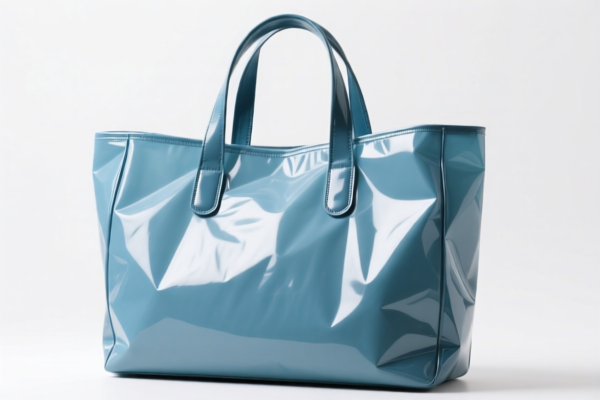
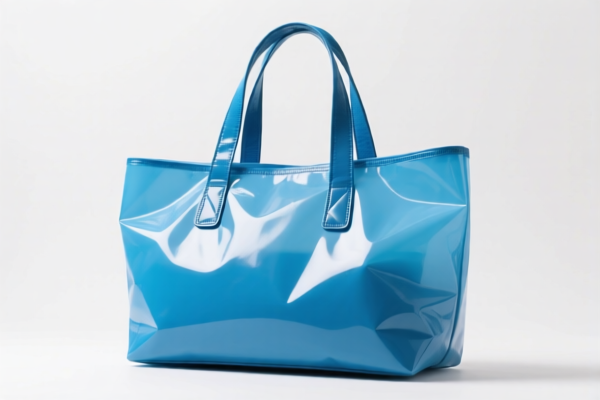
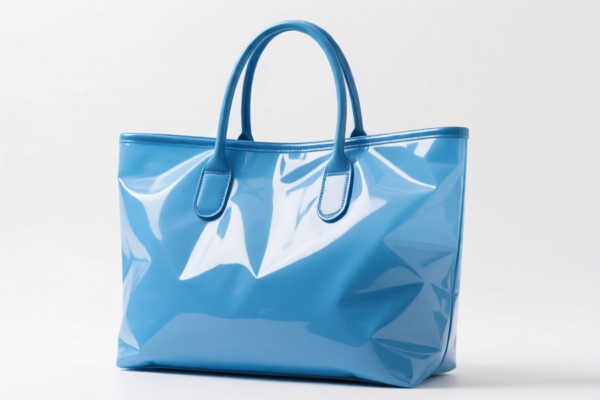

AI分析
🧴 Large Bottle Hand Soap (Plastic/Packaging Context)
🌐 HS Code Reference & Customs Clearance Guide | 2026 Latest Tariff Analysis | Professional Compliance Strategy
📌 Part 1: Product Definition & Classification Logic
Large Bottle Hand Soap, in the context of international trade logistics, is classified not as the liquid soap itself (which would be under Chemicals or Cosmetics), but as the Plastic Packaging Container itself. This distinction is critical for determining the correct Harmonized System (HS) Code and applicable tariffs, especially for shipments of empty bottles or refills where the container is the primary item of value.
The classification hinges on the material (Plastic vs. Glass) and the specific form (Bottle vs. General Container).
⚠️ Key Distinction Point:
- If the bottle is a standard plastic dispensing container (like typical pump bottles or squeeze bottles), it falls under Chapter 39 (Plastics). - If the bottle is made of glass, it falls under Chapter 70 (Glass). - Misclassification Risk: Declaring plastic bottles as "Glass Containers" or vice versa can lead to severe penalties, delays, and incorrect tariff assessments.
📦 Part 2: HS Code Classification Details (2026 Latest Tariff Authority)
The following HS Codes are derived from the provided data. Each code represents a different interpretation of the "Large Bottle Hand Soap" container.
| HS Code | Product Description | Application Scenario | Total Tax Rate |
|---|---|---|---|
| 3923.30.00.90 | Plastic bottles, jars, and similar containers; Other | Standard large plastic hand soap bottles, not specified further | 38.0% |
| 3923.30.00.10 | Plastic bottles, jars, and similar containers; Of plastics | Plastic bottles specifically categorized as plastic packaging | 38.0% |
| 3926.30.50.00 | Other articles of plastics; Finger cots and gloves... Wait, data says "Other Plastic Articles" | Data Specific: Classified as "Other Plastic Articles" rather than packaging (3923). May apply to complex molded plastic parts. | 22.8% |
| 7010.90.30.20 | Glass bottles, jars, pots... Other | Glass Hand Soap Bottles | 40.2% |
| 3926.90.99.89 | Other articles of plastics and articles of other materials of heading 3901 to 3914; Other | General plastic artifacts, broad category fallback | 22.8% |
🔍 Critical Note on Data Source:
The provided data contains conflicting classifications for plastic bottles.
- 3923.30 is the standard HS heading for "Articles for the conveyance or packaging of goods, of plastics."
- 3926.30 and 3926.90 are less common for simple bottles unless they have special functional components (e.g., integrated pump mechanisms treated as machinery parts, though usually, pumps are separate).
- Recommendation: For standard empty plastic bottles, 3923.30 is the most legally accurate and defensible classification. 3926 codes carry a lower tax burden in this dataset but may be challenged by customs if they don't fit the "packaging" definition strictly.
💰 Part 3: 2026 Latest Tariff Rate Breakdown (With Surcharges)
✅ Applicable Country: United States (US)
✅ Origin: China (CN)
✅ Effective Date: Post-November 2025 (Current Policy)
🎯 1. Plastic Bottles (HS Code: 3923.30.00.10 / 3923.30.00.90)
| Item | Content |
|---|---|
| Base Duty | 3.0% (Ad Valorem) |
| Section 301 Duty | 25.0% (Additional Duty on Chinese Goods) |
| Section 122 Duty | 10.0% (Additional Duty on Certain Chinese Goods) |
| Total Effective Rate | 38.0% |
| Calculation Basis | CIF Value × 38.0% |
| De Minimis Exemption | ❌ NOT APPLICABLE (Deny de minimis) |
| Legal Path | Base Tariff + USITC:301 + Section 122 |
📌 Explanation:
- Base 3.0%: Standard MFN (Most Favored Nation) rate for plastic packaging.
- Section 301 (25%): Tariffs imposed under the Trump-era trade war, still active.
- Section 122 (10%): A lesser-known but critical provision (Trade Act of 1974, Section 122) that allows the President to raise tariffs up to 15% on any product to reduce a trade deficit. It is currently being applied to many Chinese imports, including plastics.
- Result: The total tax burden is 38%, which is extremely high. This makes importing large volumes of empty plastic bottles from China to the US very costly.
🎯 2. Glass Bottles (HS Code: 7010.90.30.20)
| Item | Content |
|---|---|
| Base Duty | 5.2% |
| Section 301 Duty | 25.0% |
| Section 122 Duty | 10.0% |
| Total Effective Rate | 40.2% |
| Calculation Basis | CIF Value × 40.2% |
| De Minimis Exemption | ❌ NOT APPLICABLE |
📌 Explanation:
- Glass has a higher base rate (5.2%) than plastic (3.0%).
- The same 25% + 10% surcharges apply.
- Total: 40.2%. Glass is heavier, increasing freight costs, and now has a slightly higher tariff.
🎯 3. Alternative Plastic Classifications (HS Code: 3926.30.50.00 / 3926.90.99.89)
| Item | Content |
|---|---|
| Base Duty | 5.3% |
| Section 301 Duty | 7.5% (Note: Data shows lower Section 301 here) |
| Section 122 Duty | 10.0% |
| Total Effective Rate | 22.8% |
| Calculation Basis | CIF Value × 22.8% |
📌 Strategic Insight:
- The data suggests that if classified under 3926 (Other Plastic Articles) instead of 3923 (Plastic Packaging), the Section 301 duty drops from 25% to 7.5% (based on the provided data snippet).
- Total Tax: 22.8% vs. 38.0%.
- ⚠️ WARNING: This is a high-risk strategy. Customs may reject this classification if the item is clearly a "packaging bottle." Misclassification can lead to audits, back-tariffs, and fines. Only use 3926 if the bottle has unique features that qualify it as an "article" rather than a "package" (e.g., complex ergonomic handles, integrated non-removable pumps that change the nature of the article).
🛠️ Part 4: Customs Clearance Practical Advice
✅ 1. Documentation Checklist
| Document | Mandatory? | Notes |
|---|---|---|
| Commercial Invoice | ✔️ | Must clearly state "Empty Plastic Bottles for Hand Soap" OR "Glass Containers". Do NOT say "Hand Soap" if empty. |
| Packing List | ✔️ | Detail the number of units, net weight, and gross weight. |
| Material Declaration | ✔️ | Specify "Polyethylene (PE)" or "Polypropylene (PP)" for plastic. Specify "Soda-Lime Glass" for glass. |
| Product Images | ✔️ | Show the bottle clearly. If it has a pump, show it. If it's just a bottle, state "No Pump Included." |
| Certificate of Origin | ✔️ | Required for Section 301/122 duty assessment. |
✅ 2. Classification Strategy (The "How-To")
| Scenario | Recommended HS Code | Why? |
|---|---|---|
| Standard Empty Plastic Bottle | 3923.30.00.10 or 3923.30.00.90 | Legally accurate for packaging. High tax (38%) but low compliance risk. |
| Complex Plastic Dispenser with Integrated Mechanism | 3926.30.50.00 | If the pump mechanism is integral and complex, you might argue for 3926 to save on Section 301 (7.5% vs 25%). Consult a customs broker first. |
| Glass Bottle | 7010.90.30.20 | Glass cannot be classified as plastic. No workaround. |
| Mixed Shipment (Plastic + Glass) | Separate Lines | Must classify each material separately. Do not average them. |
✅ 3. Cost-Saving & Risk Mitigation Tips
🔥 "Don't Hide, Just Classify Smart!"
-
Avoid De Minimis Abuse:
- Do not split shipments to use the $800 de minimis exemption. Section 301 and 122 duties often do not apply to de minimis, but US Customs and Border Protection (CBP) is cracking down on "de minimis abuse" for Chinese goods. If caught, the entire shipment can be seized.
-
Consider Third-Country Transshipment (With Caution):
- If sourcing from China, the 38% tax is brutal.
- Some companies ship to Vietnam, Mexico, or Thailand, add minimal value (e.g., printing labels, assembly), and re-export.
- Warning: This is risky under US "Country of Origin" rules. If the "substantial transformation" does not occur, CBP will still apply Chinese tariffs. Use only with expert legal advice.
-
Apply for Exclusions:
- Check if your specific type of plastic bottle was ever removed from the Section 301 list. Most plastic packaging is not excluded.
-
Use 3926 Only If Justified:
- If you use 3926 (22.8% tax), be prepared to provide engineering diagrams showing why the bottle is an "article" and not a "package." Keep this evidence for 5 years.
🌍 Part 5: Global Market Comparison (2026)
| Country/Region | Recommended HS Code | Estimated Total Tax (CN Origin) | Notes |
|---|---|---|---|
| 🇺🇸 USA | 3923.30.00.10 | 38.0% | High due to Sec 301 + 122. |
| 🇪🇺 EU | 3923.30.00 | ~5-6% | No Section 301/122. VAT applies separately. |
| 🇨🇳 China | 3923.30.00 | ~5-10% | Domestic or RCEP partners benefit. |
| 🇲🇽 Mexico | 3923.30.00 | 0% (USMCA) | If produced in Mexico, NAFTA/USMCA zero duty. |
📌 Conclusion:
- The US market is the most expensive for importing plastic packaging from China due to multiple layered tariffs.
- Strategy: If targeting the US, consider local manufacturing in Mexico (under USMCA) or diversifying supply chains to non-China countries (e.g., India, Vietnam) to avoid Section 301 duties.
📌 Part 6: Common Mistakes & Pitfalls (Lessons Learned)
❌ Mistake 1: Declaring "Hand Soap" when the shipment is empty bottles.
👉 Consequence: Immediate rejection by Customs. You are importing chemicals, not packaging. Wrong HS Code, wrong regulations.
❌ Mistake 2: Using HS Code 3926 for standard bottles to save tax.
👉 Consequence: CBP audit. If they determine it's a "package," they will reclassify it to 3923, charge the difference (15.2% more tax), plus interest and penalties.
❌ Mistake 3: Ignoring Section 122.
👉 Consequence: Many brokers only quote Section 301 (25%). If Section 122 (10%) is active, your cost is 35% not 25%. Budget accordingly.
✅ Best Practice:
Use the description:
"Empty Plastic Containers, Hand Soap Dispenser Bottles, PP/PE Material, No Pump Included"
Classify under: 3923.30.00.10 (or .90)
Prepare for: 38% Total Duty
🎯 Part 7: Conclusion: Precision Saves Money
🎯 Key Takeaway:
For Large Bottle Hand Soap (Packaging):
- Plastic: Expect 38.0% tax (US).
- Glass: Expect 40.2% tax (US).
- Smart Play: If using 3926, expect 22.8% but high audit risk.
- Long-term: Move sourcing to Mexico (0%) or Vietnam to avoid US-China tariffs.
📌 Pro Tip:
Always request a Pre-Ruling from CBP if your shipment volume is large. It locks in the HS Code and tariff rate, protecting you from future audits.
📣 Immediate Action:
📞 Engage a licensed US Customs Broker.
📄 Prepare product specs and material declarations.
🧮 Calculate landed cost with 38% duty included.
🚀 Ensure compliance to avoid shipment delays at US ports.
✨ Professional Clearance Starts with Accurate Classification!
💼 Your Profit Margin Depends on Your HS Code Strategy!
用户评价
关于 HS 编码归类
协调制度(HS)是由世界海关组织(WCO)制定的国际贸易商品分类标准。全球 200 多个国家采用 HS 系统作为海关关税、贸易统计和进出口监管的基础。
每个 HS 编码遵循以下层级结构:
- 章(2 位)——商品大类(例如:第 84 章:机器和机械设备)
- 品目(4 位)——章内的更具体分类
- 子目(6 位)——国际通用细分,所有 WCO 成员国统一使用
- 本国细分(8-10 位)——各国自行扩展的细分编码,如美国 HTSUS 10 位编码
正确的 HS 编码归类对于顺利通关、准确缴纳关税和遵守贸易法规至关重要。错误归类可能导致海关延误、多缴关税或罚款。
从CN进口到US时,适用的关税税率可能包括:
- 最惠国(MFN)税率——适用于 WTO 成员国的标准关税税率
- 普通税率——适用于无贸易协定国家
- 贸易救济关税——附加关税,如 301 条款(反倾销)、232 条款(国家安全)或反补贴税
本页内容仅供参考。如需正式归类,请咨询当地海关或持牌报关代理。