Large Plastic Bag
CN → US| HS编码 | 关税税率 | 原产国 | 目的国 | 文档 |
|---|---|---|---|---|
| 3923210030 | 38.0% | CN | US | 官方文档 |
| 4202929700 | 52.6% | CN | US | 官方文档 |
| 4202221500 | 51.0% | CN | US | 官方文档 |
商品图片
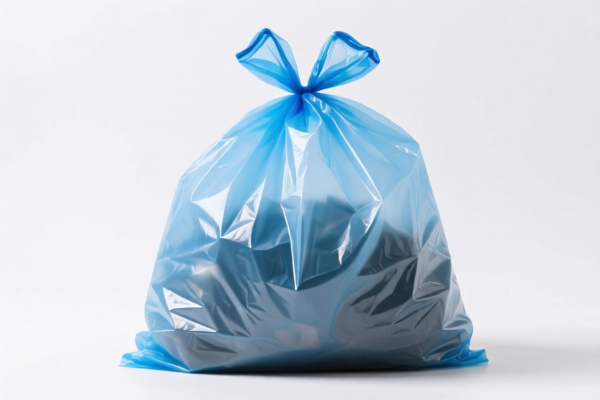
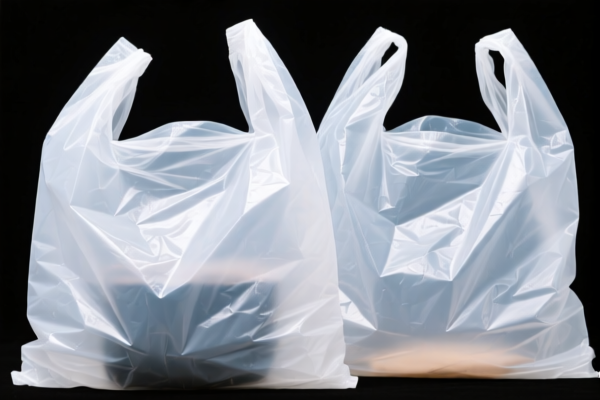
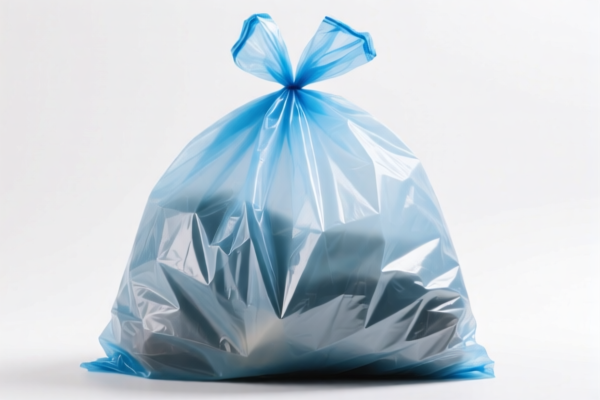
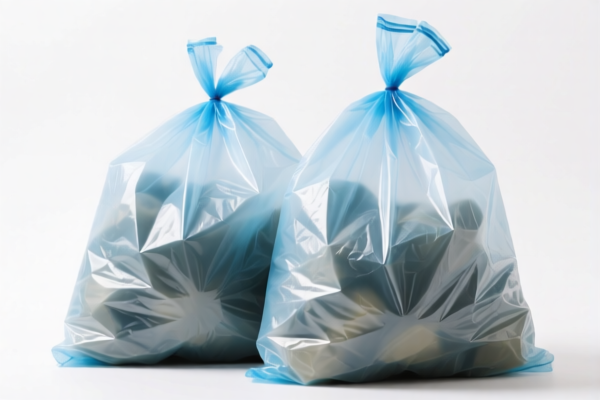
AI分析
🛍️ Large Plastic Bag (Plastic Sacks, Bags, and Similar Containers)
🌐 HS Code Reference & Customs Clearance Guide | 2026 Latest Tariff Analysis | Professional Compliance Strategy
📌 I. Product Definition & Classification: What Exactly Are You Shipping?
"Large Plastic Bag" is a generic term that can encompass a wide range of packaging products. In international trade, the Harmonized System (HS) distinguishes between simple packaging materials (like sacks used for agricultural goods) and finished container articles (like reusable shopping bags, gift bags, or protective casings). The classification hinges on two main factors: 1. Material Composition: Is it purely polyethylene/polypropylene, or does it have specific structural properties? 2. Function/End-Use: Is it a disposable wrapper, or is it a structured container for carrying goods?
⚠️ Key Distinction:
- If it is a simple sack/bag used for holding bulk goods (e.g., rice, sand, waste) → Likely Chapter 39 (Plastics and Articles Thereof).
- If it is a structured bag with handles, designed for retail shopping or repeated use → Likely Chapter 42 (Articles of Leather; Travel Goods, Handbags).
📦 II. HS Code Classification Details (2026 Latest Tariff Authority Comparison)
Based on the provided data, here are the three most relevant HS Codes and the rationale for each classification.
| HS Code | Product Description | Applicability Scenario | Material/Structure Logic |
|---|---|---|---|
3923.21.00.30 |
Sacks and Bags, of Plastics, for the Packing of Goods | Disposable/Bulk Packaging: Used for shipping, agriculture, or industrial bulk goods. | Material: Plastic/Polyvinyl Polymers. Form: Sack/Bag. Rule: "Other" category fallback for simple plastic sacks not specified elsewhere. |
4202.92.97.00 |
Articles of Apparel and Clothing Accessories, Not Elsewhere Specified or Included | General Plastic Bags: Shopping bags, bottle bags, or similar containers made of plastic sheets. | Material: Plastic Sheets. Form: Bag. Logic: Fits "made of plastic sheets" and "shopping/bottle bags." |
4202.22.15.00 |
Handbags, Whether or Not with Shoulder Strap | Premium/Retail Bags: Handbags, shopping bags with structure, or high-end plastic containers. | Material: Plastic Sheet Outer Surface. Form: Bag. Logic: Fits "Handbag/Container" attributes with plastic outer surface. |
🔍 Critical Insight:
- Chapter 39 (3923...) generally applies to packaging materials meant for containment during transport or storage.
- Chapter 42 (4202...) applies to articles that are structured, often have handles, and are intended for consumer use (like shopping bags).
- The tax disparity is significant (38% vs. 52.6%), making correct classification crucial for cost control.
💰 III. 2026 Latest Tariff Rate Breakdown (Including Surcharges & Policy Add-ons)
✅ Applicable Country: United States (US)
✅ Origin: China (CN)
✅ Effective Time: From November 10, 2025 (for subsequent imports)
🎯 1. 3923.21.00.30 —— Plastic Sacks and Bags (Packaging)
| Item | Content |
|---|---|
| Base Tariff | 3.0% (Ad Valorem) |
| USITC Additional Tariff | +25.0% (Under Section 301) |
| IEEPA Additional Tariff | +10.0% (针对中国产品, Effective Nov 10, 2025) |
| Total Tax Rate | 38.0% |
| Tax Calculation | CIF Value × 38.0% |
| De Minimis Eligibility | ❌ Not Eligible (High risk of seizure or penalty) |
| Legal Basis Path | IEEPA:9903.01.25 → USITC:3923.21.00.30 → FOOTNOTE:301.9903.25 |
📌 Explanation:
- This is the lowest risk/lower cost option if the product is truly a simple plastic sack for bulk packing.
- The "122 Clause" (IEEPA 10%) was added recently, significantly increasing the cost compared to pre-2025 rates.
- Total 38% is still high, but lower than Chapter 42 options.
🎯 2. 4202.92.97.00 —— Other Plastic Bags (Shopping/Bottle Bags)
| Item | Content |
|---|---|
| Base Tariff | 17.6% (Ad Valorem) |
| USITC Additional Tariff | +25.0% (Under Section 301) |
| IEEPA Additional Tariff | +10.0% (针对中国产品, Effective Nov 10, 2025) |
| Total Tax Rate | 52.6% |
| Tax Calculation | CIF Value × 52.6% |
| De Minimis Eligibility | ❌ Not Eligible |
| Legal Basis Path | IEEPA:9903.01.25 → USITC:4202.92.97.00 → FOOTNOTE:301.9903.25 |
📌 Explanation:
- This code captures "shopping bags" and "bottle bags" made of plastic sheets.
- The base tariff is much higher (17.6% vs 3.0%).
- Total 52.6% makes this the most expensive option for standard plastic bags.
🎯 3. 4202.22.15.00 —— Handbags/Structured Plastic Containers
| Item | Content |
|---|---|
| Base Tariff | 16.0% (Ad Valorem) |
| USITC Additional Tariff | +25.0% (Under Section 301) |
| IEEPA Additional Tariff | +10.0% (针对中国产品, Effective Nov 10, 2025) |
| Total Tax Rate | 51.0% |
| Tax Calculation | CIF Value × 51.0% |
| De Minimis Eligibility | ❌ Not Eligible |
| Legal Basis Path | IEEPA:9903.01.25 → USITC:4202.22.15.00 → FOOTNOTE:301.9903.25 |
📌 Explanation:
- Applies to bags with an outer surface of plastic sheet, often resembling handbags or structured shopping totes.
- Slightly cheaper than4202.92(51.0% vs 52.6%), but still very high.
🛠️ IV. Customs Clearance Practical Advice (Avoid Pitfalls)
✅ 1. Documentation Checklist (Essential)
| Document | Required | Purpose |
|---|---|---|
| ✅ Product Specification Sheet | ✔️ | Defines material (e.g., HDPE, LDPE, PP), thickness, dimensions. |
| ✅ Product Photos (Flat & Structured) | ✔️ | Shows if it has handles, gussets, or is just a simple sack. |
| ✅ Commercial Invoice | ✔️ | Must clearly state "Plastic Bag for Packaging" vs. "Shopping Bag". |
| ✅ Packing List | ✔️ | Details weight, quantity, and packaging type. |
| ✅ Certificate of Origin (CO) | ✔️ | Essential for proving origin (China) and avoiding misdeclaration penalties. |
| ✅ Third-Party Test Report | ✔️ | RoHS, REACH, or FDA (if for food contact) to prove material safety. |
✅ 2. Declaration Tips (Key Mantra)
🔥 "Simple Sack = Ch39, Structured Bag = Ch42, Be Precise to Save 15%!"
| Scenario | Correct Declaration | Wrong Practice |
|---|---|---|
| Bulk Agricultural/Industrial Sacks | 3923.21.00.30 (Plastic Sacks) |
Misdeclaring as "Shopping Bag" → 52.6% |
| Retail Shopping Bags with Handles | 4202.92.97.00 (Plastic Bags) |
Misdeclaring as "Sack" → 38% (Risk of Audit) |
| Premium Tote/Handbag Style | 4202.22.15.00 (Handbag/Container) |
Generic "Plastic Bag" → Customs Uncertainty |
| Mixed Shipment | Split Declaration | Mixing Ch39 and Ch42 in one line → Seizure/Delay |
✅ 3. Special Case Handling
| Situation | Recommendation |
|---|---|
| Food-Grade Plastic Bags | Must provide FDA compliance documents; misclassification can lead to import bans. |
| Biodegradable Bags | If marketed as "biodegradable," ensure it meets US standards; otherwise, standard plastic rules apply. |
| Re-usable Grocery Totes | Often classified under 4202.92; ensure handles are integrated (sewn/heat-sealed) to justify Ch42. |
| Small Quantities (De Minimis) | ⚠️ Warning: With rates over 25%, these items DO NOT qualify for Section 321 De Minimis exemption ($800). Expect full duties + potential penalties if under-declared. |
🌍 V. Global Market Comparison (2026 Overview)
| Country/Region | Recommended HS Code | Tariff (China Origin) | Key Certification | Note |
|---|---|---|---|---|
| 🇺🇸 USA | 3923.21.00.30 |
38.0% | FDA/RoHS | High tariffs due to 301 + IEEPA. |
| 🇺🇸 USA | 4202.92.97.00 |
52.6% | FDA/RoHS | Highest tax burden for shopping bags. |
| 🇨🇳 China | 3923.20.00.00 |
5.0% - 8% | CCC (if applicable) | Lower tariffs, no Section 301. |
| 🇪🇺 EU | 3923.21.00 |
4.0% - 6.5% | REACH/Plastic Regulation | No US-style punitive tariffs, but strict eco-regulations. |
| 🇬🇧 UK | 3923.21.00 |
4.0% - 6.5% | UKCA/REACH | Post-Brexit standards align with EU. |
📌 Conclusion:
- USA is the most expensive market due to the combination of Base Tariff + Section 301 + IEEPA 10%.
- EU/UK are more favorable on tariffs but have strict environmental regulations on single-use plastics.
📌 VI. Common Mistakes & Pitfalls (Blood Lessons)
❌ Mistake 1: Declaring a "Shopping Bag" as "Plastic Sack" (3923) to avoid taxes.
👉 Consequence: Customs audits will likely reclassify to 4202 → Back taxes + Penalty.
❌ Mistake 2: Ignoring the IEEPA 10% surcharge.
👉 Consequence: Underestimating landed cost by 10-15%, eroding profit margins.
❌ Mistake 3: Assuming small shipments (under $800) are tax-free.
👉 Consequence: Section 321 De Minimis does NOT apply to goods subject to IEEPA/301 tariffs. Expect full duty payment.
❌ Mistake 4: Vague Product Names ("Plastic Bag").
👉 Consequence: Customs may apply the highest possible duty rate or hold for inspection.
✅ Correct Action:
Use specific descriptions:
- "HDPE Plastic Sack for Grain Packing, No Handles" →3923.21.00.30
- "PP Woven Shopping Bag with Handles for Retail Use" →4202.92.97.00
🎯 VII. Conclusion: Professional Declaration, Cost Savings, Efficiency!
🎯 Remember the Mantra:
🔹 "Sack = Ch39 (38%), Shopping Bag = Ch42 (52%), Name Matters!"
🔹 "No De Minimis for China Origin, Plan Landed Cost Carefully!"
📌 Pro Tip:
If your products are exported to the US, consider supply chain diversification (e.g., Vietnam, Mexico) to potentially avoid IEEPA/301 tariffs. For domestic or non-US markets, focus on eco-compliance (REACH/FDA) rather than just tariff minimization.
📣 Immediate Action:
📞 Consult a Customs Broker for Advance Rulings.
📝 Provide Accurate Specs (Handles? Gussets? Material Thickness?).
🚀 Optimize Landed Cost by choosing the correct HS Code from Day 1.
✨ Professional Clearance Starts with Precise Classification!
💼 Every Penny of Tariff Saved is Pure Profit!
用户评价
关于 HS 编码归类
协调制度(HS)是由世界海关组织(WCO)制定的国际贸易商品分类标准。全球 200 多个国家采用 HS 系统作为海关关税、贸易统计和进出口监管的基础。
每个 HS 编码遵循以下层级结构:
- 章(2 位)——商品大类(例如:第 84 章:机器和机械设备)
- 品目(4 位)——章内的更具体分类
- 子目(6 位)——国际通用细分,所有 WCO 成员国统一使用
- 本国细分(8-10 位)——各国自行扩展的细分编码,如美国 HTSUS 10 位编码
正确的 HS 编码归类对于顺利通关、准确缴纳关税和遵守贸易法规至关重要。错误归类可能导致海关延误、多缴关税或罚款。
从CN进口到US时,适用的关税税率可能包括:
- 最惠国(MFN)税率——适用于 WTO 成员国的标准关税税率
- 普通税率——适用于无贸易协定国家
- 贸易救济关税——附加关税,如 301 条款(反倾销)、232 条款(国家安全)或反补贴税
本页内容仅供参考。如需正式归类,请咨询当地海关或持牌报关代理。