Leather Based Composite Leather Sheets for Automotive Interiors
CN → US| HS编码 | 关税税率 | 原产国 | 目的国 | 文档 |
|---|---|---|---|---|
| 5903902500 | 42.5% | CN | US | 官方文档 |
| 5903902000 | 35.0% | CN | US | 官方文档 |
| 3921905050 | 39.8% | CN | US | 官方文档 |
| 3921902900 | 39.4% | CN | US | 官方文档 |
| 4114207000 | 36.6% | CN | US | 官方文档 |
| 4114100000 | 38.2% | CN | US | 官方文档 |
商品图片
AI分析
🚗 Leather-Based Composite Leather Sheets for Automotive Interiors
🌐 HS Code Reference & Customs Clearance Guide | 2026 Automotive Materials Special Edition | Expert Strategy for High-Risk Goods
📌 I. Product Definition & Classification: Do You Know Your "Automotive Leather"?
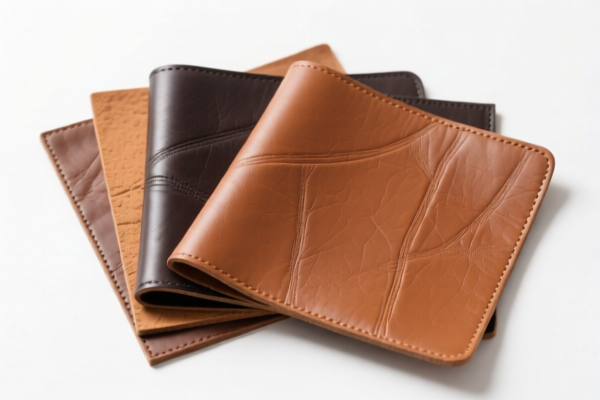
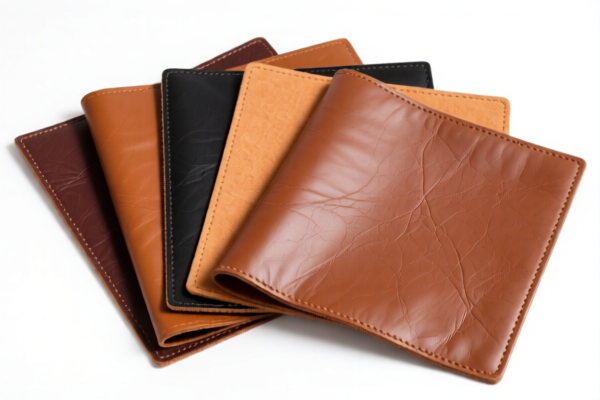
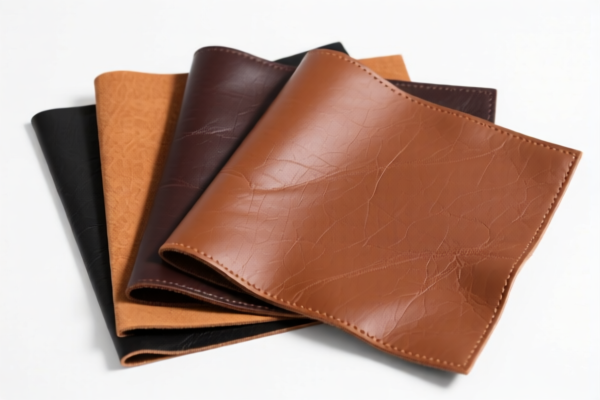
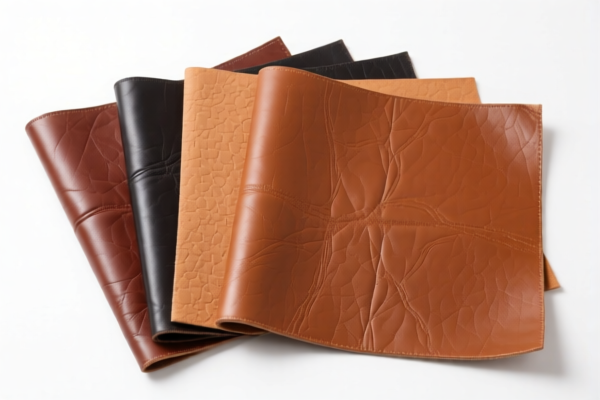
Leather-Based Composite Leather Sheets are advanced materials widely used in the automotive industry for seat covers, dashboards, door panels, and steering wheels. They combine the aesthetic and tactile qualities of genuine or bonded leather with the durability and cost-efficiency of synthetic or textile backings.
In international trade, these materials fall into two distinct regulatory buckets depending on their composition:
- Patent/Metallized Leather: Leather treated with plastics to create a glossy, protective, or metallic finish.
- Textile-Plastic Composites: Fabrics impregnated/coated with plastics, specifically where rubber or plastic content exceeds 70% by weight.
⚠️ Critical Distinction:
- If the product is finished leather (natural or combination) with a plastic coating that creates a "patent" or "metallized" look → It belongs to Chapter 41 (Leather).
- If the product is a textile fabric that has been heavily plasticized (often called "fake leather" or "PU leather" with a fabric base) → It belongs to Chapter 39 or 59.
- The 70% Rule: If the plastic/rubber content by weight exceeds 70%, customs often reclassifies it as a plastic product, not a textile, triggering higher duties.
📦 II. HS Code Classification Breakdown (2026 Latest Tariff Schedule)
Based on the provided dataset and current global trade rules, here are the precise classifications for your automotive leather sheets:
| HS Code | Product Description | Applicable Scenario | Material Composition Key |
|---|---|---|---|
4114.20.70.00 |
Patent Laminated Leather; Metallized Leather | Genuine leather or bonded leather treated to be patent (glossy) or metallized. Used for luxury seats/interiors. | Leather-based. The plastic is a surface coating/laminate, not the structural base. |
4114.10.00.00 |
Chamois Leather (Including Combination Chamois) | Soft, absorbent leather sheets, sometimes used for premium interior detailing or cleaning cloths in auto shops. | Leather-based. Soft, suede-like texture. |
5903.90.20.00 |
Textile Fabrics Coated with Plastics (>70% Rubber/Plastic) | High-Risk Zone: "Fake leather" (PU/PVC leather) where the fabric backing is heavily saturated with plastic (e.g., 70%+ plastic by weight). | Fabric Base but Heavy Plastic. This is where most "composite leather" falls if plastic content is high. |
5903.90.25.00 |
Textile Fabrics Coated with Plastics (Other) | Lower plastic content (<70%) textile-based composites. | Fabric Base + Light Plastic. |
3921.90.29.00 |
Plastic Plates/Sheets Combined with Textile (>1.492 kg/m²) | Heavy-duty plastic sheets with a textile layer. | Plastic Base + Textile. Weight threshold is critical here. |
3921.90.50.50 |
Other Plastic Sheets/Film (Other) | General plastic sheets not specifically combined with textiles in a way that fits the above. | Plastic. |
🔍 Key Insight for Automotive Suppliers:
The most common "Leather-Based Composite" for seats often triggers5903.90.20.00if the coating is thick enough (>70% plastic). This classification is highly sensitive to trade wars (Section 301 duties).
💰 III. 2026 Tariff Rate Detailed Analysis (US Market Focus)
✅ Target Market: United States (US)
✅ Origin: China (CN) - Assuming origin based on typical high-duty scenarios in dataset
✅ Effective Date: Current Trade War Rules Apply (Section 301)
🎯 1. 4114.20.70.00 — Patent/Metallized Leather
| Item | Detail |
|---|---|
| Base Tariff | 0.0% (Most Favorable Treatment) |
| Additional Duties | 0.0% (No Section 301 surcharge for this specific leather subheading) |
| Total Effective Duty | 0.0% |
| Risk Level | 🟢 Low |
| Reasoning | This is classified under Chapter 41 (Leather). Unlike textiles, many processed leather goods are exempt from the heavy Section 301 "China Tariff" surcharges. |
🎯 2. 4114.10.00.00 — Chamois Leather
| Item | Detail |
|---|---|
| Base Tariff | 0.0% |
| Additional Duties | 0.0% |
| Total Effective Duty | 0.0% |
| Risk Level | 🟢 Low |
| Reasoning | Similar to patent leather, this is pure leather category, avoiding textile/plastic surcharges. |
🎯 3. 5903.90.20.00 — Heavy Plastic-Coated Textiles (⚠️ HIGH RISK)
| Item | Detail |
|---|---|
| Base Tariff | 0.0% |
| Section 301 (Add-on) | +25.0% (Mandatory for Chinese textiles/plastics >70% content) |
| Total Effective Duty | 25.0% |
| Risk Level | 🔴 High |
| Reasoning | This is the "Trap" for automotive "composite leather." If your product has a fabric base with >70% plastic coating, it is hit with the full 25% punitive tariff. This is often applied to "PU Leather" seats. |
🎯 4. 5903.90.25.00 — Other Plastic-Coated Textiles
| Item | Detail |
|---|---|
| Base Tariff | 0.0% |
| Additional Duties | 0.0% |
| Total Effective Duty | 0.0% |
| Risk Level | 🟢 Low |
| Reasoning | If the plastic content is under 70%, the product avoids the punitive tariff. This is a strategic classification point for manufacturers. |
🎯 5. 3921.90.29.00 — Plastic-Textile Sheet (>1.492 kg/m²)
| Item | Detail |
|---|---|
| Base Tariff | 4.4% |
| Section 301 (Add-on) | +25.0% |
| Total Effective Duty | 29.4% |
| Risk Level | 🔴 High |
| Reasoning | Heavy plastic sheets with textiles face a base duty plus the 25% surcharge. Very expensive for automotive bulk imports. |
🎯 6. 3921.90.50.50 — Other Plastic Sheets
| Item | Detail |
|---|---|
| Base Tariff | 4.8% |
| Section 301 (Add-on) | +25.0% |
| Total Effective Duty | 29.8% |
| Risk Level | 🔴 High |
| Reasoning | Similar to above, this is the default "catch-all" for heavy plastic goods, attracting the highest combined rate. |
🛠️ IV. Customs Clearance Practical Advice (The "Leather vs. Plastic" Battle)
✅ 1. Documentation Checklist (Must-Haves)
| Document | Requirement | Why It Matters |
|---|---|---|
| Material Composition Certificate | ✔️ Mandatory | Must explicitly state: "Base Material: Textile vs. Leather" AND "Plastic Content % by weight". |
| Technical Data Sheet (TDS) | ✔️ Mandatory | Shows layer thickness. If plastic layer is thick, customs may rule it as 5903.90.20.00. |
| Physical Sample | ✔️ Strongly Recommended | Allow CBP officers to test the "leather feel" vs. "plastic scratch test". |
| Process Flow Diagram | ✔️ Optional but Good | Prove if the plastic is a "surface coating" (Leather) or "impregnation" (Textile). |
| Commercial Invoice | ✔️ Mandatory | Description must match HS Code logic (e.g., "Patent Leather" vs. "Polyurethane Laminated Fabric"). |
✅ 2. Strategic Classification Tips (The "Golden Rules")
🔥 Rule #1: The 70% Weight Threshold
If your composite leather is Textile-based (fabric) and the plastic/rubber content is >70% by weight, you MUST classify under5903.90.20.00(25% duty). There is no loophole.
Strategy: If possible, adjust the manufacturing process to reduce plastic content to <70% to qualify for5903.90.25.00(0% duty).🔥 Rule #2: "Leather" vs. "Man-Made"
If the backing is Genuine Leather (even if combined with textile or coated), try to push for4114.20.70.00.
Strategy: Avoid calling it "Man-Made Fiber" if the base is leather. Use terms like "Patent Leather" or "Metallized Leather" to stay in Chapter 41 (0% duty).🔥 Rule #3: Weight Matters for Plastic Sheets
If the product is a Plastic Sheet with textile backing, check if it weighs >1.492 kg/m².
Strategy: If weight is high, expect 29.4% duty (3921.90.29.00). If you can engineer a lighter version (<1.492 kg/m²), you might find a better rate.
✅ 3. Common Pitfalls & How to Avoid Them
| ❌ Pitfall | ✅ Consequence | 🛡️ Solution |
|---|---|---|
| Calling it "Leather" when it's 90% Plastic | Misclassification → 25% Duty + Penalties | Accurately measure plastic weight percentage in the lab report. |
| Using "Composite Leather" as the only description | Ambiguity → Customs delays or audit | Be specific: "Patent Laminated Leather" OR "Polyurethane Coated Textile (>70%)". |
| Ignoring the Weight Threshold (1.492 kg/m²) | Missed opportunity for lower rate classification | Include density/weight per square meter in all docs. |
| Assuming all "Synthetic Leather" is 0% | Shock! 25% duty applied | "Synthetic" usually means textile + plastic → Check the % threshold. |
🌍 V. Global Market Comparison (2026)
| Region | Recommended HS Code | Estimated Duty | Notes |
|---|---|---|---|
| 🇺🇸 USA | 4114.20.70.00 |
0% | Best option. Avoid 5903 codes if possible. |
| 🇺🇸 USA | 5903.90.20.00 |
25% | High Risk. Avoid if possible for auto parts. |
| 🇪🇺 EU | 4114.20.70.00 |
~3-5% | Standard textile/leather duties apply. No US-style 301 surcharge. |
| 🇲🇽 Mexico | 4114.20.70.00 |
0% (USMCA) | Free trade if USMCA rules of origin are met. |
| 🇨🇳 China (Import) | 4114.20.70.00 |
10% | Standard tariff for leather imports. |
📌 Conclusion:
The US market is the most aggressive regarding "Composite Leather" made of textiles with high plastic content.
The Strategy: Maximize the use of Chapter 41 (4114...) codes (Genuine Leather or Patent Leather). Minimize Chapter 59 (5903...) codes (Textile + Heavy Plastic).
📌 VI. Quick Action Plan for 2026 Imports
- Lab Test: Send a sample to a third-party lab to determine the exact weight percentage of plastic/rubber vs. textile/leather.
- Reclassify: If >70% plastic on textile, decide if you can reduce plastic content to <70% to save 25%.
- Labeling: Ensure the Commercial Invoice clearly states: "Patent Leather" (for 4114) or "Textile Fabric, Plastics <70%" (for 5903.25).
- Pre-Arrival Ruling: File for an Advance Ruling with US CBP if the material composition is borderline.
🎯 VII. Conclusion
🚗 Final Verdict:
For Automotive Interior Composite Leather:
- Best Case:4114.20.70.00(0% Duty) → Genuine/Patent Leather.
- Worst Case:5903.90.20.00(25% Duty) → Heavy Plastic-Coated Fabric.
- Danger Zone:3921.90.x0.00(29.4% Duty) → Heavy Plastic Sheets.
🔥 Pro Tip:
"Don't let the word 'Leather' trick you. If it's 90% plastic on fabric, you pay 25%. If it's leather with a shiny coat, you pay 0%!"
✨ Clearance Success Starts with Precise Composition Data!
💼 Ensure your material lab report is ready before the ship departs.
用户评价
关于 HS 编码归类
协调制度(HS)是由世界海关组织(WCO)制定的国际贸易商品分类标准。全球 200 多个国家采用 HS 系统作为海关关税、贸易统计和进出口监管的基础。
每个 HS 编码遵循以下层级结构:
- 章(2 位)——商品大类(例如:第 84 章:机器和机械设备)
- 品目(4 位)——章内的更具体分类
- 子目(6 位)——国际通用细分,所有 WCO 成员国统一使用
- 本国细分(8-10 位)——各国自行扩展的细分编码,如美国 HTSUS 10 位编码
正确的 HS 编码归类对于顺利通关、准确缴纳关税和遵守贸易法规至关重要。错误归类可能导致海关延误、多缴关税或罚款。
从CN进口到US时,适用的关税税率可能包括:
- 最惠国(MFN)税率——适用于 WTO 成员国的标准关税税率
- 普通税率——适用于无贸易协定国家
- 贸易救济关税——附加关税,如 301 条款(反倾销)、232 条款(国家安全)或反补贴税
本页内容仅供参考。如需正式归类,请咨询当地海关或持牌报关代理。