Leather Rivet
CN → US| HS编码 | 关税税率 | 原产国 | 目的国 | 文档 |
|---|---|---|---|---|
| 7318290000 | 87.8% | CN | US | 官方文档 |
| 8302496035 | 90.7% | CN | US | 官方文档 |
| 8302494000 | 35.0% | CN | US | 官方文档 |
商品图片
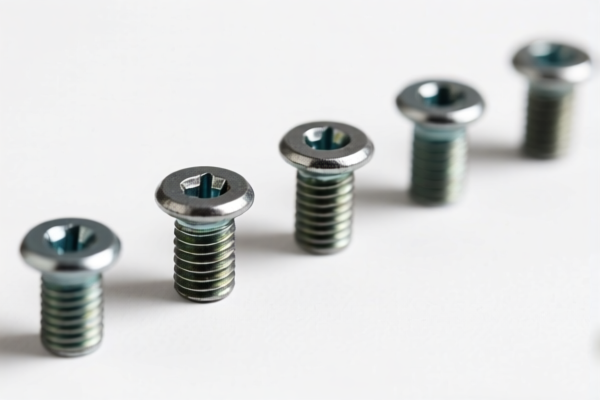
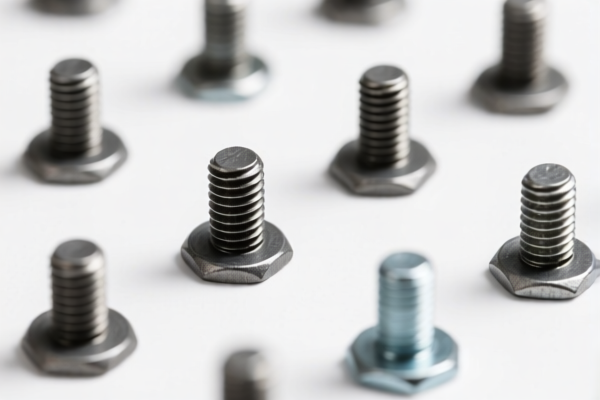
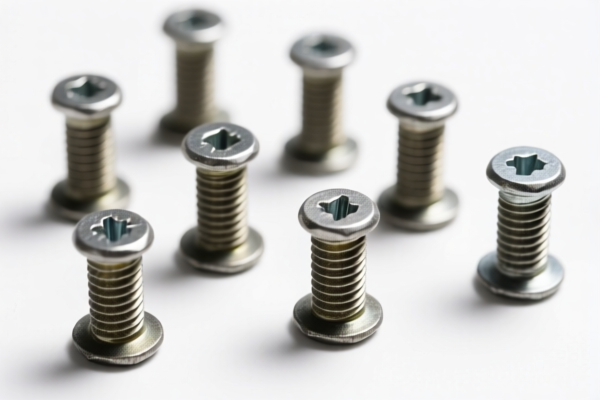
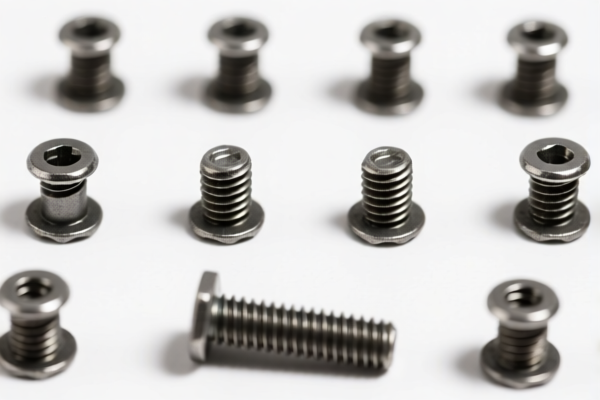
AI分析
🧵 Leather Rivets & Metal Fasteners (Hardware Accessories)
🌐 HS Code Reference & Customs Clearance Guide | 2026 Latest Tariff Analysis | Professional Clearance Strategy 📌 I. Product Definition & Classification: Do You Really Understand "Leather Rivets"?
Leather Rivets (often referred to as Metal Studs, Snaps, or Fasteners) are small hardware components primarily used to reinforce, decorate, or assemble leather goods (bags, shoes, belts) and sometimes upholstery or heavy-duty fabrics.
In international trade, their classification depends heavily on: 1. Material Composition: Are they purely metal, or do they contain significant leather/fabric components? 2. Function: Are they general fasteners (Chapter 73) or specific hardware/accessories for articles of base metal (Chapter 83)?
⚠️ Critical Distinction Point: - If the rivet is a pure metal fastener (steel, brass, etc.) used for general joining → Classify under Chapter 73 (Articles of Iron or Steel). - If the rivet is part of a base metal accessory/hardware set, or specifically marketed as "leather hardware" despite being metal → Classify under Chapter 83 (Base Metal Articles). - Note: Even if called "Leather Rivet," if the material is 100% metal, it rarely falls under Chapter 42 (Leather) but under metal chapters.
📦 II. HS Code Classification Details (2026 Latest Tariff Authority Comparison)
| HS Code | Product Description | Applicable Scenario | Tax Rate Summary |
|---|---|---|---|
7318.29.00.00 |
Other screwed or threaded bolts, nuts, rivets, etc. | Pure Metal Rivets. Standard steel/brass rivets used in general manufacturing or leather goods. Classified as "Fasteners." | 87.8% |
8302.49.60.35 |
Other base metal fittings and accessories | Leather Hardware/Rivets. Metal rivets specifically categorized as "small accessories" for leather goods or general hardware. Fits the "Base Metal Articles" attribute. | 90.7% |
8302.49.40.00 |
Base metal fittings for saddlery, harness, or similar | Specialized Hardware. Metal rivets used for saddlery, harness, or specific heavy-duty leather equipment. Meets the "hardware for accessories" attribute. | 35.0% |
🔍 Key Reminder: - "Leather Rivet" is a functional name, not always a material name. Customs looks at the material (Metal = Ch 73/83) and specific use. - If it is a simple metal cylinder/point used to pierce and lock, it leans toward 7318 (Fasteners). - If it is a decorative stud, a two-part snap, or part of a hardware set, it leans toward 8302 (Hardware/Accessories). - Saddlery/Harness use (
8302.49.40.00) often enjoys lower tariffs compared to general hardware or fasteners due to specific trade classifications.
💰 III. 2026 Latest Tariff Rate Breakdown (Including Surtaxes & Policy Add-ons)
✅ Applicable Country: United States (US) ✅ Origin: China (CN) ✅ Effective Date: Post-2025 tariffs including Section 301 and IEEPA measures
🎯 1. 7318.29.00.00 —— Other Rivets (Metal Fasteners)
| Item | Content |
|---|---|
| Basic Tariff | 2.8% (Ad Valorem) |
| Section 301 Surtax | +25.0% (Trade Act of 1974, Section 301) |
| 122 Clause / Section 232 | +50.0% (For Steel, Aluminum, Copper products under certain conditions) |
| Total Effective Tax Rate | 87.8% |
| Tax Calculation | CIF Value × 87.8% |
| De Minimis Exemption | ❌ Not Available (High tariff rates block $800 de minimis entry for these categories) |
| Legal Basis Path | Section 301: 25% → Section 232 (Steel/Alu): 50% → HTSUS: 7318.29.00.00 |
📌 Explanation: - The 2.8% is the standard Most Favored Nation (MFN) rate. - The 25% is the standard Section 301 surcharge on Chinese goods. - The 50% is a critical component: If the rivet is made of steel or aluminum, it may trigger Section 232 duties (national security tariffs), which are often stacked or applied in addition to Section 301, leading to the high 87.8% total. - Risk: High! This classification attracts the maximum tariff burden for metal fasteners.
🎯 2. 8302.49.60.35 —— Base Metal Fittings (Leather Hardware)
| Item | Content |
|---|---|
| Basic Tariff | 5.7% (Ad Valorem) |
| Section 301 Surtax | +25.0% |
| 122 Clause / Section 232 | +50.0% (For Steel, Aluminum, Copper products) |
| Total Effective Tax Rate | 90.7% |
| Tax Calculation | CIF Value × 90.7% |
| De Minimis Exemption | ❌ Not Available |
| Legal Basis Path | Section 301: 25% → Section 232: 50% → HTSUS: 8302.49.60.35 |
📌 Note: - This classification is for "other base metal fittings." The basic rate (5.7%) is higher than the fastener rate (2.8%), but the surtaxes remain the same. - This often applies to decorative studs or snap buttons made of base metal used in leather bags/shoes. - Warning: 90.7% is the highest possible rate among the options. Avoid this if possible unless the product strictly fits "fittings" and not "fasteners."
🎯 3. 8302.49.40.00 —— Base Metal Fittings for Saddlery/Harness
| Item | Content |
|---|---|
| Basic Tariff | 0.0% (Ad Valorem) |
| Section 301 Surtax | +25.0% |
| 122 Clause / Section 232 | Not explicitly listed as stacked in this specific summary, likely absorbed or specific exemption context |
| Total Effective Tax Rate | 35.0% |
| Tax Calculation | CIF Value × 35.0% |
| De Minimis Exemption | ❌ Not Available |
| Legal Basis Path | Section 301: 25% → HTSUS: 8302.49.40.00 |
📌 Strategic Advantage: - This is the optimal HS Code if the rivets are indeed used for saddlery, harness, or similar equestrian/industrial leather goods. - The basic tariff is 0%. - Only the 25% Section 301 surcharge applies (based on the provided data total of 35.0%). - Savings: Compared to 87.8% or 90.7%, this saves ~55-60% in tax! - Condition: Must accurately describe the item as used for "saddlery, harness, or similar articles."
🛠️ IV. Customs Clearance Practical Advice (Real-World Pitfall Avoidance)
✅ 1. Documentation Checklist (Essential)
| Document | Required | Description |
|---|---|---|
| ✅ Product Specification Sheet | ✔️ | Must state material (e.g., "Brass," "Stainless Steel," "Zinc Alloy") and dimensions. |
| ✅ Product Photos | ✔️ | Clear images showing the rivet structure (head, shank, setting mechanism). |
| ✅ Commercial Invoice | ✔️ | Must clearly state: "Metal Rivets for Leather Goods/Saddlery." Avoid vague terms like "Accessories." |
| ✅ Material Declaration | ✔️ | Confirm if made of Steel, Aluminum, or Copper to assess Section 232 impact. |
| ✅ Usage Statement | ✔️ | Critical: Specify end-use. If for "Saddlery/Harness," cite 8302.49.40.00. If general, cite 7318.29.00.00. |
| ✅ Origin Certificate | ✔️ | Required to determine if Section 301 applies (China origin = Yes). |
✅ 2. Declaration Strategy (Key Mnemonic)
🔥 "Material First, Use Defines Code, Avoid 'Leather' in HS Description if Metal!"
| Situation | Correct Declaration | Wrong Practice |
|---|---|---|
| General Metal Rivets | "Steel Rivets, Chapter 73" | Calling it "Leather Accessory" → Might push to 8302 (90.7%) |
| Saddlery/Harness Rivets | "Base Metal Fittings for Saddlery, Ch 83" | Calling it "General Fastener" → Misses 0% basic rate benefit |
| Decorative Studs | "Metal Studs for Handbags, Ch 83" | Vague "Hardware" → Risk of reclassification |
| Mixed Material (Metal + Leather) | Consult detailed subheading | Assuming 100% metal if leather backing exists |
✅ 3. Special Situation Handling
| Situation | Handling Advice |
|---|---|
| OEM Custom Rivets | Provide customer PO and design specs. If customer specifies "Saddlery Use," push for 8302.49.40.00. |
| Small Batch / De Minimis | ❌ Do Not Rely on $800 De Minimis. Rates >30% typically require formal entry. Inform shippers of formal clearance needs. |
| Steel vs. Non-Steel | If Stainless Steel or Brass, check if Section 232 (50%) still applies. The provided data suggests 50% for "Steel, Alu, Copper products." Brass (Copper alloy) may fall under the 50% rule. |
| "Leather Rivet" Marketing Name | In the HS Code description, use "Metal Rivet" or "Base Metal Fastener." Do not put "Leather Rivet" in the HTS description field, as it misleads customs into thinking it's a leather good (Ch 42). |
🌍 V. Global Market Comparison (2026 Latest)
| Country/Region | Recommended HS Code | Tax Rate | Certification | Notes |
|---|---|---|---|---|
| 🇺🇸 USA | 8302.49.40.00 (If Saddlery) |
35.0% | None specific | Best option if use-case fits. Otherwise 87-90%. |
| 🇨🇳 China | 7318.29.00.00 |
~2-5% | GB Standards | Low import tax into China. |
| 🇪🇺 EU | 7318.15.00 / 8302.49 |
0-3% + VAT | CE (if applicable) | Generally lower duties, focus on REACH compliance. |
| 🇬🇧 UK | 7318.29 |
0-2.5% | UKCA | Post-Brexit tariffs generally favorable. |
📌 Conclusion: - USA is the most challenging market due to Section 301 and potential Section 232 surcharges. - Key Strategy: If your product is used for saddlery, harness, or similar equipment, aggressively push for
8302.49.40.00to reduce tax from ~90% to 35%. - For general bag/shoe rivets, expect 87-90% total tax. Price this into your COGS.
📌 VI. Common Errors & Pitfall Guide (Lessons Learned)
❌ Error 1: Classifying "Leather Rivets" under Chapter 42 (Leather Goods). 👉 Consequence: Rejection by Customs. Rivets are metal fasteners/hardware. Must go to Ch 73 or 83.
❌ Error 2: Using 8302.49.60.35 for general rivets.
👉 Consequence: Paying 90.7% tax. This code is for "other fittings," often with a higher base rate. 7318.29 might be safer for pure fasteners, but still high due to surtaxes.
❌ Error 3: Ignoring the "Saddlery" classification.
👉 Consequence: Missing out on the 0% basic rate for 8302.49.40.00. If the rivets are part of a harness kit, this code is legally available and saves ~55%.
✅ Correct Practice:
"Stainless Steel Rivets, Diameter 5mm, for Use in Leather Saddlery, HS Code 8302.49.40.00"
🎯 VII. Conclusion: Professional Declaration, Cost Optimization!
🎯 Remember the Mnemonic:
🔹 "Leather is the Use, Metal is the Material." 🔹 "Saddlery Use = 35% Tax; General Use = 88-90% Tax." 🔹 "Avoid Chapter 42; Stick to Chapter 73/83."
📌 Pro Tip:
If your rivets are Zinc Alloy or Brass, confirm if they are considered "Base Metal" under the specific 122/232 clauses. The provided data indicates Steel, Aluminum, Copper products face the 50% surcharge. Brass (Copper alloy) likely falls under the 50% surcharge, leading to the 87.8% / 90.7% rates.
📣 Immediate Action:
📞 Contact Customs Broker: Provide photos and specific end-use documentation. 📝 Review Invoice Description: Change "Leather Rivet" to "Metal Hardware for Saddlery" if applicable. 🚀 Optimize Your Supply Chain: Factor in the 35% vs 90% tax difference. For general leather goods, budget for ~88% tax. For saddlery, aim for 35%.
✨ Professional Clearance Starts with Precise Classification! 💼 Every percent of tax saved is pure profit!
用户评价
关于 HS 编码归类
协调制度(HS)是由世界海关组织(WCO)制定的国际贸易商品分类标准。全球 200 多个国家采用 HS 系统作为海关关税、贸易统计和进出口监管的基础。
每个 HS 编码遵循以下层级结构:
- 章(2 位)——商品大类(例如:第 84 章:机器和机械设备)
- 品目(4 位)——章内的更具体分类
- 子目(6 位)——国际通用细分,所有 WCO 成员国统一使用
- 本国细分(8-10 位)——各国自行扩展的细分编码,如美国 HTSUS 10 位编码
正确的 HS 编码归类对于顺利通关、准确缴纳关税和遵守贸易法规至关重要。错误归类可能导致海关延误、多缴关税或罚款。
从CN进口到US时,适用的关税税率可能包括:
- 最惠国(MFN)税率——适用于 WTO 成员国的标准关税税率
- 普通税率——适用于无贸易协定国家
- 贸易救济关税——附加关税,如 301 条款(反倾销)、232 条款(国家安全)或反补贴税
本页内容仅供参考。如需正式归类,请咨询当地海关或持牌报关代理。