Leather Waste for Clothing
CN → US| HS编码 | 关税税率 | 原产国 | 目的国 | 文档 |
|---|---|---|---|---|
| 6309000020 | 17.5% | CN | US | 官方文档 |
| 6309000010 | 17.5% | CN | US | 官方文档 |
| 4115200000 | 17.5% | CN | US | 官方文档 |
| 4115100000 | 35.0% | CN | US | 官方文档 |
| 4203104085 | 41.0% | CN | US | 官方文档 |
商品图片
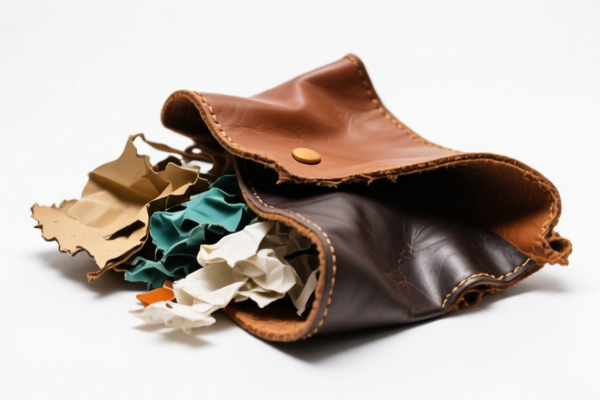
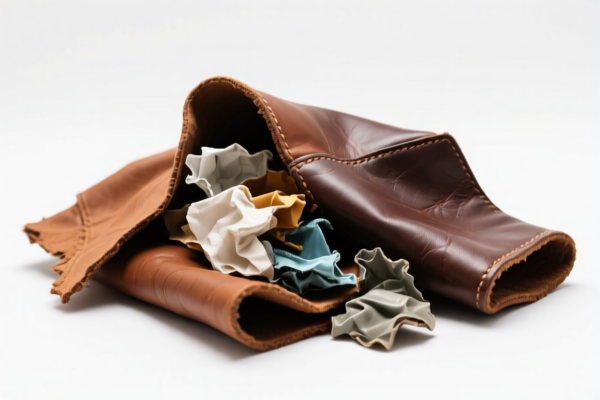


AI分析
🧵 Leather Waste for Clothing: HS Code Classification & Clearance Guide 2026
🌐 HS Code Reference & Clearance Guide | 2026 Latest Tariff Analysis | Professional-Level Customs Strategy
📌 I. Product Definition & Classification: Do You Really Understand "Leather Waste"?
Leather waste (scrap leather, offcuts, cuttings) destined for clothing or leather goods manufacturing is a critical raw material. In international trade, the classification depends strictly on the physical state (primary product vs. processed) and material composition.
Key Distinction Points: * Primary Form/Scrap: Raw offcuts, unusable for immediate wear but suitable for recycling or re-processing → Generally falls under Chapter 41 (Raw/Hides) or Chapter 63 (Other made-up articles/old goods). * Finished Apparel: If the "waste" is actually used garments or ready-to-wear items → Falls under Chapter 42.
⚠️ Critical Warning:
- Misclassifying "scrap leather" as "used clothing" can lead to significant duty discrepancies and customs delays.
- US-China Trade Context: Most leather-related imports from China are subject to Section 301 (25%) and Section 122 (10%) additional tariffs.
📦 II. HS Code Classification Details (2026 Latest Tariff Authority Cross-Reference)
| HS Code | Product Description | Applicable Scenario | Material/Form Logic |
|---|---|---|---|
6309.00.00.20 |
Other old goods (Leather scraps) | Leather offcuts for auto interiors or recycling; primary product form logic | ✅ Primary Form/Recyclable |
6309.00.00.10 |
Other old goods (Leather scraps) | Leather scraps belonging to primary semi-finished state; consistent with leather category | ✅ Semi-finished/Primary |
4115.20.00.00 |
Scrap leather, leather dust, and powder | Leather scraps fully meeting material and form requirements for Chapter 41 | ✅ Raw Material/Scrap |
4115.10.00.00 |
Compressed leather and matched pieces | Leather scraps matching the leather base attributes of composite leather | ✅ Composite/Compressed |
4203.10.40.85 |
Articles of leather or composition leather (Clothing) | Leather clothing items (if classified as finished goods rather than waste) | ❌ Finished Product |
🔍 Key Insight:
-4115.20.00.00is the most standard classification for pure leather scraps/waste that are raw materials for recycling or manufacturing.
-6309.00.00.10/20applies if the goods are classified as "old goods" (used/recycled) but retain their primary material identity.
-4203.10.40.85is NOT waste; it is for finished leather apparel. Do not use this for scraps unless you are importing used clothing.
💰 III. 2026 Latest Tariff Rate Breakdown (Including Surcharges & Policy Add-ons)
✅ Applicable Country: United States (US)
✅ Origin: China (CN)
✅ Effective Date: From Nov 10, 2025 (Including subsequent imports)
🎯 1. 6309.00.00.20 & 6309.00.00.10 —— Other Old Goods (Leather Waste/Scraps)
| Item | Content |
|---|---|
| Base Duty Rate | 0.0% (ad valorem) |
| Section 301 Surcharge | +7.5% (USITC Footnote/Section 301) |
| Section 122 Surcharge | +10.0% (IEEPA/Trade Remedies) |
| Total Duty Rate | 17.5% |
| Calculation Basis | CIF Value × 17.5% |
| De Minimis Exemption? | ❌ NO (deny_de_minimis) |
| Legal Path | Section 301: 7.5% + Section 122: 10% → Applied to HS 6309.00.00 |
📌 Explanation:
- Although the base duty is 0%, the 17.5% total effective rate is due to US-China specific trade remedies.
- Section 122 (10%) is a significant add-on for certain textile/leather-related goods from China.
- De Minimis (Section 321) does not apply to these goods, meaning even small shipments must declare full duties.
🎯 2. 4115.20.00.00 —— Scrap Leather, Leather Dust, Powder
| Item | Content |
|---|---|
| Base Duty Rate | 0.0% |
| Section 301 Surcharge | +7.5% |
| Section 122 Surcharge | +10.0% |
| Total Duty Rate | 17.5% |
| Calculation Basis | CIF Value × 17.5% |
| De Minimis Exemption? | ❌ NO |
| Legal Path | Same as above. Consistent with primary leather waste logic. |
📌 Note:
- This is the most accurate classification for raw leather scraps/offcuts intended for recycling or reprocessing.
- Same tax burden as the6309codes, but often preferred for bulk raw material shipments.
🎯 3. 4115.10.00.00 —— Compressed Leather / Matched Pieces
| Item | Content |
|---|---|
| Base Duty Rate | 0.0% |
| Section 301 Surcharge | +25.0% |
| Section 122 Surcharge | +10.0% |
| Total Duty Rate | 35.0% |
| Calculation Basis | CIF Value × 35.0% |
| De Minimis Exemption? | ❌ NO |
| Legal Path | Section 301: 25% (Higher bracket for composite/processed leather) + Section 122: 10% |
📌 Caution:
- If the leather scraps are compressed, matched, or treated as composite leather (even in waste form), the Section 301 rate jumps to 25%.
- Total duty becomes 35%, which is significantly higher. Ensure the physical form is "loose scraps" to qualify for the lower 7.5% rate if possible.
🎯 4. 4203.10.40.85 —— Articles of Leather (Clothing)
| Item | Content |
|---|---|
| Base Duty Rate | 6.0% |
| Section 301 Surcharge | +25.0% |
| Section 122 Surcharge | +10.0% |
| Total Duty Rate | 41.0% |
| Calculation Basis | CIF Value × 41.0% |
| De Minimis Exemption? | ❌ NO |
| Legal Path | Section 301: 25% + Section 122: 10% + Base 6% |
📌 Warning:
- This classification is for finished leather apparel.
- If you are importing waste/scraps, do NOT use this code. It incurs the highest tax (41%).
- Misclassification here will result in severe underpayment of duties and potential penalties.
🛠️ IV. Customs Clearance Practical Advice (Battle-Tested Pitfall Guide)
✅ 1. Required Documentation Checklist (Non-negotiable)
| Document | Required? | Explanation |
|---|---|---|
| ✅ Product Specification Sheet | ✔️ | Must explicitly state "Leather Scraps," "Offcuts," or "Waste." Include material type (e.g., cowhide, goatskin). |
| ✅ Photos of Goods | ✔️ | Must show the loose, unsewn, irregular nature of the scraps. Avoid images that look like garments. |
| ✅ Commercial Invoice | ✔️ | Clearly describe as "Leather Waste/Scrap for Recycling/Manufacturing." Do NOT use "Clothing Parts" or "Apparel." |
| ✅ Packing List | ✔️ | Detail net weight vs. gross weight. Scrap is heavy; accuracy matters. |
| ✅ Certificate of Origin (CO) | ✔️ | Needed to determine eligibility for any potential exemptions (though unlikely for China origin under current rules). |
✅ 2. Declaration Strategy (Key Mnemonics)
🔥 "Scrap is Raw, Not Wear; Code 4115 Saves Money!"
| Scenario | Correct Declaration | Incorrect Declaration | Consequence |
|---|---|---|---|
| Loose Leather Offcuts | 4115.20.00.00 (17.5%) |
4203.10.40.85 |
Pay 41% instead of 17.5% |
| Compressed Leather Blocks | 4115.10.00.00 (35.0%) |
4115.20.00.00 |
Pay 35% instead of 17.5% |
| Used Leather Jackets (Waste) | 6309.00.00.10/20 (17.5%) |
4203.10.40.85 |
Pay 41% instead of 17.5% |
| Mixed Packaging (Clothes + Scraps) | Separate Lines | Single Line "Mixed" | Risk of Entire Shipment Audited |
✅ 3. Special Handling Cases
| Case | Handling Advice |
|---|---|
| Mixed Bales | If a bale contains both new scraps and old garments, separate them. Mixing can trigger higher duty rates or rejection. |
| Tanned vs. Untanned | Ensure the invoice specifies Tanned Leather (most scrap is tanned). Untanned hides fall under different chapters (4101-4103) with different rates. |
| Dust/Powder | Leather dust (4115.20.00.00) is still classified under 4115.20, not as a chemical product. |
| Recycling Facilities | If importing for recycling, provide a Letter of Intent from the recycling facility to prove end-use, supporting the "waste" classification. |
🌍 V. Global Market Clearance Comparison (2026 Latest)
| Country/Region | Recommended HS Code | Duty Rate (China Origin) | Certification | Notes |
|---|---|---|---|---|
| 🇺🇸 USA | 4115.20.00.00 |
17.5% | None specific | High scrutiny on "old goods" vs. "scrap." |
| 🇨🇳 China | 4115.20.00.00 |
~2-5% | N/A | Lower duty, but check local environmental regulations for waste import. |
| 🇪🇺 EU | 4115.20 |
Varies (0-5%) | REACH Compliance | EU has strict rules on "waste" vs. "secondary raw material." |
| 🇬🇧 UK | 4115.20 |
Varies (0-5%) | UKCA/Post-Brexit Rules | Similar to EU post-Brexit. |
| 🇯🇵 Japan | 4115.20 |
~3-5% | None | Generally lower tariffs for scrap leather. |
📌 Conclusion:
- The US is the highest-cost market due to the 17.5%-41% burden from Section 301 & 122.
- Accuracy is key: Misclassifying4115(17.5%) as4203(41%) costs you 23.5% extra.
📌 VI. Common Errors & Pitfall Guide (Blood Lessons)
❌ Error 1: Using "Leather Clothing" or "Garments" in the description for scrap.
👉 Result: Customs classifies as 4203 → 41% Duty.
👉 Fix: Use "Leather Scraps," "Offcuts," "Waste."
❌ Error 2: Compressed leather declared as loose scraps.
👉 Result: If inspected, may be reclassified to 4115.10 → 35% Duty.
👉 Fix: Clearly state "Compressed" if applicable, or ensure it is loose.
❌ Error 3: Assuming De Minimis ($800) applies.
👉 Result: Leather waste is denied. You must file formal entry.
👉 Fix: Budget for full duty payment.
✅ Correct Declaration Example:
"Leather Scraps, Tanned Cowhide, Irregular Pieces, Net Weight 500kg, For Recycling/Reprocessing, HS 4115.20.00.00"
🎯 VII. Conclusion: Precise Classification Saves Money!
🎯 Remember the Mantra:
🔹 "Scrap is Raw, Code 4115; Waste is Not Wear, Avoid 4203!"
🔹 "Loose is 17.5%, Compressed is 35%, Clothing is 41%!"
📌 Pro Tip:
If your leather waste is originating from Vietnam, Mexico, or Thailand, it may be exempt from Section 301/122 tariffs.
👉 Action: Verify Origin Certificate and consider supply chain diversification to reduce the 17.5% burden.
👉 Pre-Ruling: Apply for an ACE Advance Ruling if importing large volumes, to lock in the classification and duty rate.
📣 Immediate Action:
📞 Contact a licensed US Customs Broker.
📸 Provide clear photos of the unsewn, loose leather scraps.
🚀 Ensure Correct HS Code (4115.20 or 6309) to Save Up to 23.5% in Duties!
✨ Professional Clearance Starts with Accurate Classification!
💼 Every Percentage Point of Duty is Pure Profit Loss!
用户评价
关于 HS 编码归类
协调制度(HS)是由世界海关组织(WCO)制定的国际贸易商品分类标准。全球 200 多个国家采用 HS 系统作为海关关税、贸易统计和进出口监管的基础。
每个 HS 编码遵循以下层级结构:
- 章(2 位)——商品大类(例如:第 84 章:机器和机械设备)
- 品目(4 位)——章内的更具体分类
- 子目(6 位)——国际通用细分,所有 WCO 成员国统一使用
- 本国细分(8-10 位)——各国自行扩展的细分编码,如美国 HTSUS 10 位编码
正确的 HS 编码归类对于顺利通关、准确缴纳关税和遵守贸易法规至关重要。错误归类可能导致海关延误、多缴关税或罚款。
从CN进口到US时,适用的关税税率可能包括:
- 最惠国(MFN)税率——适用于 WTO 成员国的标准关税税率
- 普通税率——适用于无贸易协定国家
- 贸易救济关税——附加关税,如 301 条款(反倾销)、232 条款(国家安全)或反补贴税
本页内容仅供参考。如需正式归类,请咨询当地海关或持牌报关代理。