Leather based composite leather sheets for automotive interior
CN → US| HS编码 | 关税税率 | 原产国 | 目的国 | 文档 |
|---|---|---|---|---|
| 5903102090 | 35.0% | CN | US | 官方文档 |
| 3921135000 | 39.2% | CN | US | 官方文档 |
| 3921905050 | 39.8% | CN | US | 官方文档 |
| 3926305000 | 22.8% | CN | US | 官方文档 |
| 3926301000 | 24.0% | CN | US | 官方文档 |
商品图片
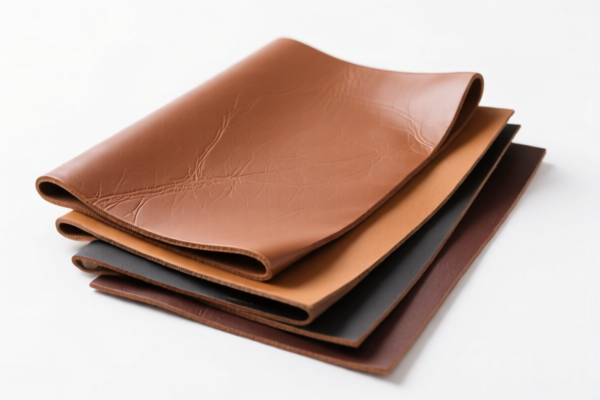
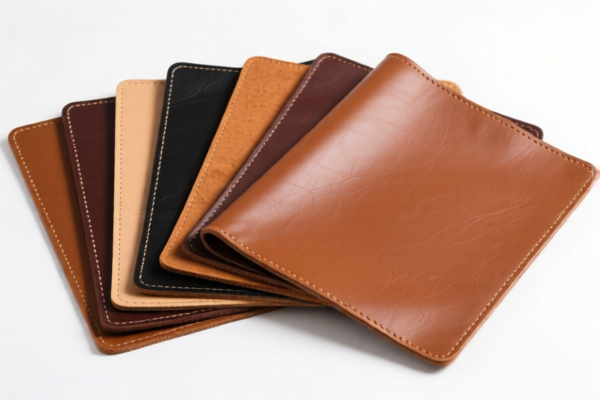
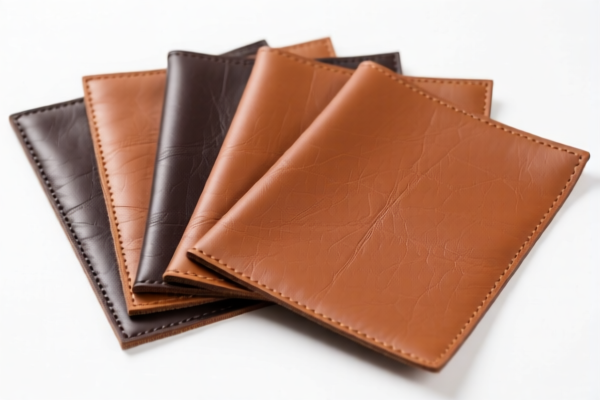
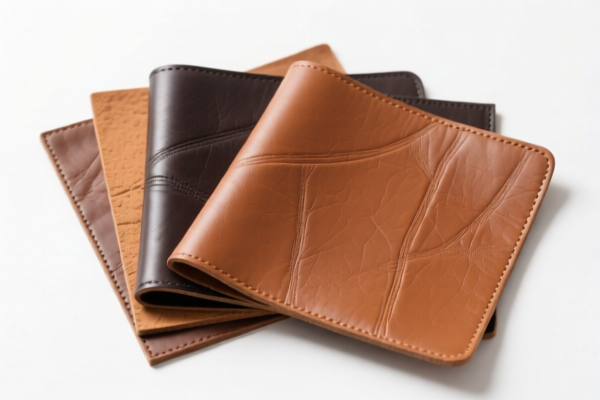
AI分析
🚗 Automotive Interior Composite Leather Sheets
🌐 HS Code Reference & Customs Clearance Guide | 2026 Latest Tariff Analysis | Professional Clearance Strategy
📌 I. Product Definition & Classification: What is "Composite Leather"?
Composite Leather (often referred to as Microfiber Leather, Artificial Leather, or Man-made Leather in automotive contexts) is a high-performance material designed to mimic natural leather while offering superior durability, breathability, and sustainability. In automotive interiors, it is primarily used for seats, dashboards, door panels, and headliners.
From a customs classification perspective, the key is to determine the primary material (textile vs. plastic) and the form (sheet, film, or finished article).
⚠️ Key Distinction Points:
- If the material consists of a textile fabric base coated with PVC or other plastics → Likely falls under Chapter 59 (Impregnated/Coated Textiles).
- If the material is a solid plastic sheet/film (e.g., Polyurethane/PU based) without a textile backing structure → Likely falls under Chapter 39 (Plastics and Articles Thereof).
- If it is a small plastic component (clip/fastener) rather than a sheet → Falls under Chapter 39/3926 (Plastic Articles).
📦 II. HS Code Classification Details (Based on Provided Data)
| HS Code | Product Description | Applicable Scenario | Material/Structure |
|---|---|---|---|
5903.10.20.90 |
Textile fabrics impregnated, coated, covered or laminated with PVC | Automotive interior materials based on textile fabric, inferred to contain PVC-coated textile fabrics. | ✅ Textile Base + PVC Coating |
3921.13.50.00 |
Other plates, sheets, film, foil and strip, of plastics | Automotive interior materials inferred to be polyurethane (PU) or related plastic films/sheets/fibers. | ✅ PU Plastic Sheet/Film |
3921.90.50.50 |
Other plates, sheets, film, foil and strip, of plastics (Bottom-up category) | Material inferred as plastic, form belongs to the bottom-up category of boards, sheets, films, etc. | ✅ Other Plastic Sheets |
3926.30.50.00 |
Other plastic articles | Plastic fittings/articles; automotive interior materials often contain plastic/synthetic resin components. | ✅ Plastic Fittings/Articles |
3926.30.10.00 |
Plastic articles for vehicles | Matching vehicle equipment category; inferred to contain plastic products based on common sense. | ✅ Vehicle Plastic Parts |
🔍 Critical Note:
-5903.10.20.90is typically used if the leather has a fabric backing and is PVC-coated.
-3921.13.50.00is the most common for high-end PU Microfiber Leather (plastic sheet/film nature).
-3926codes are for components (like clips or small parts), not large sheets of leather. Ensure you are importing sheets, not assembled parts.
💰 III. 2026 Latest Tariff Rate Details (Including Surcharges & Policy Add-ons)
✅ Applicable Country: United States (US)
✅ Country of Origin: China (CN)
✅ Effective Date: From November 10, 2025 (and subsequent imports)
🎯 1. 5903.10.20.90 – PVC-Coated Textile Fabrics (Automotive Interior)
| Item | Content |
|---|---|
| Base Tariff | 0.0% |
| Section 301 Surcharge | +25.0% |
| IEEPA Surcharge (122 Clause) | +10.0% |
| Total Tax Rate | 35.0% |
| Tax Calculation | CIF Value × 35.0% |
| De Minimis Exemption | ❌ Not Available (deny_de_minimis) |
| Legal Basis Path | USITC:5903.10.20.90 → FOOTNOTE:301 → IEEPA:122 |
📌 Explanation:
- The 25% is from the US Trade Act Section 301 (China-specific tariffs);
- The 10% is an additional IEEPA surcharge for certain Chinese goods (often linked to "122 Clause" or similar policy mechanisms);
- Total 35% is a significant cost factor. Ensure the declaration accurately reflects the textile-PVC nature to avoid misclassification.
🎯 2. 3921.13.50.00 – Polyurethane (PU) Plastic Sheets/Films
| Item | Content |
|---|---|
| Base Tariff | 4.2% |
| Section 301 Surcharge | +25.0% |
| IEEPA Surcharge (122 Clause) | +10.0% |
| Total Tax Rate | 39.2% |
| Tax Calculation | CIF Value × 39.2% |
| De Minimis Exemption | ❌ Not Available (deny_de_minimis) |
| Legal Basis Path | USITC:3921.13.50.00 → FOOTNOTE:301 → IEEPA:122 |
📌 Explanation:
- This is a common classification for high-end PU microfiber leather (plastic-based, not textile-based).
- The base rate of 4.2% is slightly higher than the 0% for PVC textiles, but the total 39.2% is higher due to the base rate addition.
- Crucial: If the material is truly "composite leather" with a fabric base, declaring it as PU plastic (3921) may lead to customs rejection or audits. Verify the substrate material.
🎯 3. 3921.90.50.50 – Other Plastic Sheets/Films (Bottom-up)
| Item | Content |
|---|---|
| Base Tariff | 4.8% |
| Section 301 Surcharge | +25.0% |
| IEEPA Surcharge (122 Clause) | +10.0% |
| Total Tax Rate | 39.8% |
| Tax Calculation | CIF Value × 39.8% |
| De Minimis Exemption | ❌ Not Available (deny_de_minimis) |
| Legal Basis Path | USITC:3921.90.50.50 → FOOTNOTE:301 → IEEPA:122 |
📌 Explanation:
- This is a "catch-all" for plastic sheets that don’t fit specific PU or PVC descriptions.
- Highest total tax rate (39.8%) among sheet categories. Use only if no more specific description fits.
🎯 4. 3926.30.50.00 – Other Plastic Articles (Fittings/Parts)
| Item | Content |
|---|---|
| Base Tariff | 5.3% |
| Section 301 Surcharge | +7.5% |
| IEEPA Surcharge (122 Clause) | +10.0% |
| Total Tax Rate | 22.8% |
| Tax Calculation | CIF Value × 22.8% |
| De Minimis Exemption | ❌ Not Available (deny_de_minimis) |
| Legal Basis Path | USITC:3926.30.50.00 → FOOTNOTE:301 → IEEPA:122 |
📌 Explanation:
- Significantly lower total tax (22.8%) compared to sheets.
- BUT: This HS Code is for plastic articles/fittings, NOT large sheets of leather.
- Risk: If you import large rolls of composite leather and declare them under3926.30.50.00, customs will likely classify it incorrectly, leading to penalties. Only use this if importing small plastic components (e.g., clips, fasteners) for the interior, not the leather sheets themselves.
🎯 5. 3926.30.10.00 – Plastic Articles for Vehicles
| Item | Content |
|---|---|
| Base Tariff | 6.5% |
| Section 301 Surcharge | +7.5% |
| IEEPA Surcharge (122 Clause) | +10.0% |
| Total Tax Rate | 24.0% |
| Tax Calculation | CIF Value × 24.0% |
| De Minimis Exemption | ❌ Not Available (deny_de_minimis) |
| Legal Basis Path | USITC:3926.30.10.00 → FOOTNOTE:301 → IEEPA:122 |
📌 Explanation:
- Slightly higher than3926.30.50.00but still lower than sheet categories.
- Specifically for plastic articles intended for vehicles.
- Similar risk: Ensure the goods are plastic articles (e.g., trim pieces, clips), not flexible leather sheets. If the product is a large sheet, this code is likely incorrect.
🛠️ IV. Customs Clearance Practical Advice (Avoid Pitfalls)
✅ 1. Required Documentation Checklist (All Items Mandatory)
| Document | Mandatory | Description |
|---|---|---|
| ✅ Product Specification Sheet | ✔️ | Must detail: Material composition (e.g., 80% PU, 20% Polyester backing), thickness, dimensions, hardness, flame resistance rating. |
| ✅ Composition Analysis Report | ✔️ | Third-party lab report proving whether the base is textile or pure plastic. This is the key to choosing between 5903 and 3921. |
| ✅ Product Photos (Clear Labeling) | ✔️ | Show rolls/sheets, labels, and any finished sample parts. |
| ✅ Commercial Invoice | ✔️ | Clearly state: "Composite Leather Sheets for Automotive Interiors," HS Code, Country of Origin. |
| ✅ Packing List | ✔️ | Indicate net/gross weight, number of rolls, and dimensions. |
| ✅ Certificate of Origin (CO) | ✔️ | Required for origin determination. |
| ✅ Flame Retardancy Certificate | ✔️ | Automotive interiors often require FMVSS 302 compliance. Provide test reports. |
✅ 2. Declaration Strategy (Key Mantra)
🔥 "Material Base Determines Chapter, Form Determines Heading, Origin Determines Tax!"
| Scenario | Correct Declaration | Wrong Practice |
|---|---|---|
| PVC-Coated Fabric (Fabric base + PVC) | 5903.10.20.90 |
Misdeclare as PU plastic (3921) → 39.2% vs 35.0% |
| PU Microfiber Leather (Plastic sheet/film) | 3921.13.50.00 |
Misdeclare as textile (5903) → Potential audit |
| Plastic Clips/Fasteners (Small parts) | 3926.30.50.00 or 3926.30.10.00 |
Declare as sheets → Wrong category, potential delay |
| Finished Seat Cover (Textile + Foam) | Not Covered in Data | Do NOT use sheet codes (5903/3921) for finished articles |
⚠️ Critical Warning:
- Do not mix "Leather Sheets" with "Plastic Fittings" in one shipment unless clearly separated.
- Composite Leather is often a point of confusion. If it has a textile backing, it is Chapter 59. If it is a foamed plastic sheet (no woven fabric), it is Chapter 39.
- Tax Savings:5903.10.20.90(35.0%) is cheaper than3921.13.50.00(39.2%). If your product qualifies as PVC-coated textile, choose5903to save 4.2%.
✅ 3. Special Situations
| Situation | Handling Advice |
|---|---|
| OEM Custom Leather | Provide customer PO and design specs. Ensure the declaration matches the actual material structure. |
| Mixed Shipment (Sheets + Clips) | Separate shipments or separate line items in the invoice. Do not lump together. |
| Recycled Composite Leather | Same classification rules apply. May require additional environmental compliance docs. |
| Pre-Cut Automotive Parts | If pre-cut to specific shapes (e.g., door panel trim), it may still be 3921 or 5903 if it’s a sheet, but if it’s a finished assembly, it may fall under 8708 (Auto Parts), which is not covered in this data. Check with customs broker. |
🌍 V. Global Market Clearance Comparison (2026 Latest)
| Country/Region | Recommended HS Code (Sheet) | Total Tariff (China Origin) | Certification Requirements | Notes |
|---|---|---|---|---|
| 🇺🇸 USA | 5903.10.20.90 or 3921.13.50.00 |
35.0% or 39.2% | FMVSS 302 (Flame Resistance) | Highest tax burden due to 301 + IEEPA. |
| 🇨🇳 China | 5903.10.20.90 or 3921.13.50.00 |
~10-15% (Import) | CCC (if applicable) | No 301 surcharge. |
| 🇪🇺 EU | 5903.10 or 3921.13 |
~5-12% | REACH, RoHS | No Section 301 or IEEPA surcharges. |
| 🇯🇵 Japan | 5903.10 or 3921.13 |
~5-10% | JIS Standards | Competitive market, strict quality control. |
📌 Conclusion:
- The US is the most expensive market for importing Chinese composite leather due to the 301 and IEEPA surcharges.
- Classification Accuracy is Critical: A 4.2% difference between5903and3921is significant for high-volume shipments.
- Pre-Cut Parts may fall under different HS Codes (8708), which have different tax rates. Verify if your product is "sheet" or "part."
📌 VI. Common Errors & Pitfalls (Blood & Tears Lessons)
❌ Error 1: Declaring PU Microfiber Leather (plastic-based) as PVC-Coated Textile (5903)
👉 Consequence: Customs audit, potential penalty for misclassification.
👉 Solution: Provide material composition report showing no woven fabric base.
❌ Error 2: Declaring Large Rolls of Leather as Plastic Fittings (3926.30.50.00)
👉 Consequence: Rejection by customs, delay, and potential seizure.
👉 Solution: Use sheet codes (5903 or 3921) for sheets/rolls. Use 3926 only for small parts.
❌ Error 3: Ignoring Flame Retardancy Certification
👉 Consequence: US Customs (CBP) may detain goods for not meeting FMVSS 302 standards.
👉 Solution: Include test reports from accredited labs (e.g., UL, Intertek) in the clearance documents.
❌ Error 4: Using "Artificial Leather" as the sole product name
👉 Consequence: Vague description leads to random HS code assignment by customs.
👉 Solution: Use precise terms: "Polyurethane Composite Leather Sheets for Automotive Interiors" or "PVC-Coated Polyester Fabric Sheets."
✅ Correct Declaration Example:
"Polyurethane Microfiber Composite Leather Sheets for Automotive Seat Interiors, 1.2mm Thickness, Flame Resistant (FMVSS 302 Certified), Made in China"
🎯 VII. Conclusion: Professional Declaration, Cost Optimization, Efficient Clearance
🎯 Remember the Mantra:
🔹 "Base Material Defines Chapter: Textile → 59, Plastic → 39"
🔹 "Sheets → 5903/3921, Parts → 3926"
🔹 "US Importer: Tax is High (35-39%), Precision Saves Money!"
📌 Pro Tip:
If your composite leather is originating from Vietnam, Mexico, or Thailand, you may be eligible for IEEPA Exemptions or lower Section 301 rates.
🚀 Recommendation: Apply for an Advance Ruling from US CBP if the material structure is ambiguous. This avoids surprise taxes and delays.
📣 Immediate Action:
📞 Consult a licensed customs broker + Provide Material Composition Report + Apply for HS Code Advance Ruling
🚀 Ensure your composite leather clears smoothly, reduces costs, and meets automotive safety standards!
✨ Professional Customs Clearance Starts with Accurate Classification!
💼 Every cent saved on tariffs is pure profit!
用户评价
关于 HS 编码归类
协调制度(HS)是由世界海关组织(WCO)制定的国际贸易商品分类标准。全球 200 多个国家采用 HS 系统作为海关关税、贸易统计和进出口监管的基础。
每个 HS 编码遵循以下层级结构:
- 章(2 位)——商品大类(例如:第 84 章:机器和机械设备)
- 品目(4 位)——章内的更具体分类
- 子目(6 位)——国际通用细分,所有 WCO 成员国统一使用
- 本国细分(8-10 位)——各国自行扩展的细分编码,如美国 HTSUS 10 位编码
正确的 HS 编码归类对于顺利通关、准确缴纳关税和遵守贸易法规至关重要。错误归类可能导致海关延误、多缴关税或罚款。
从CN进口到US时,适用的关税税率可能包括:
- 最惠国(MFN)税率——适用于 WTO 成员国的标准关税税率
- 普通税率——适用于无贸易协定国家
- 贸易救济关税——附加关税,如 301 条款(反倾销)、232 条款(国家安全)或反补贴税
本页内容仅供参考。如需正式归类,请咨询当地海关或持牌报关代理。