Linen or Hemp Yarn
CN → US| HS编码 | 关税税率 | 原产国 | 目的国 | 文档 |
|---|---|---|---|---|
| 5308909000 | 17.5% | CN | US | 官方文档 |
| 5308200000 | 35.0% | CN | US | 官方文档 |
| 5308200000 | 35.0% | CN | US | 官方文档 |
| 5308909000 | 17.5% | CN | US | 官方文档 |
商品图片
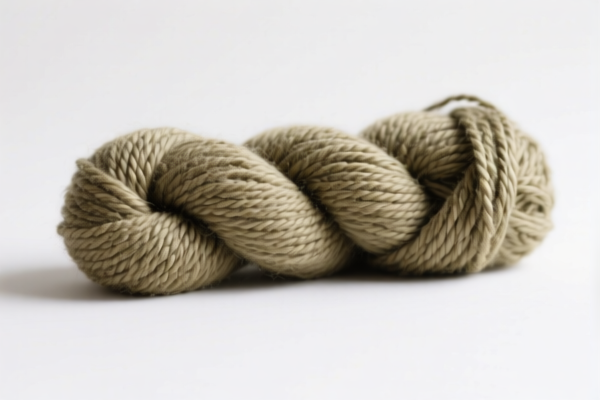
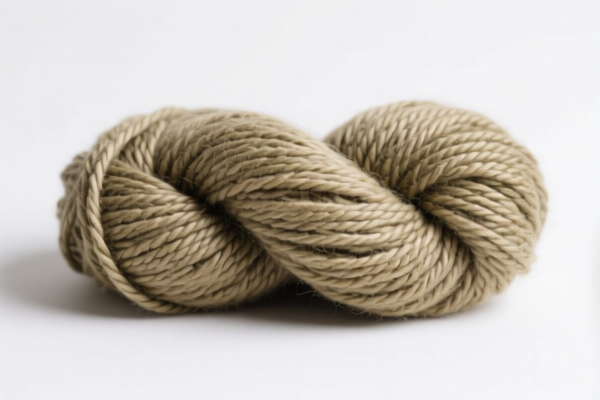
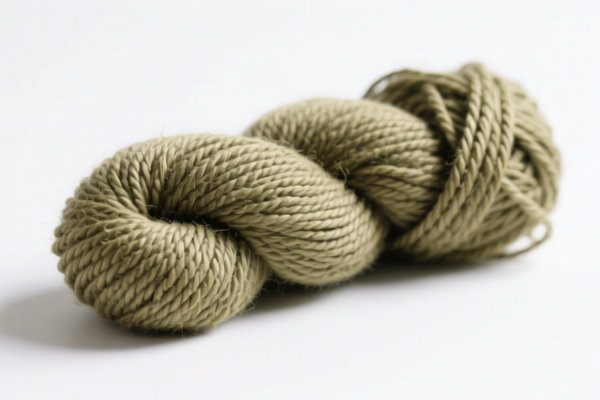
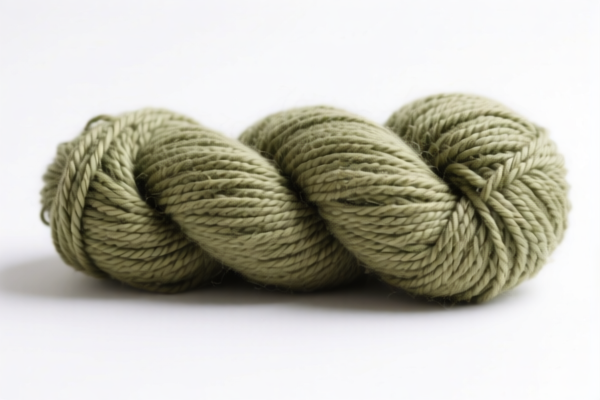
AI分析
🧵 Linen or Hemp Yarn (植物纤维纺织纱线)
🌐 HS Code Reference & Customs Clearance Guide | 2026 Latest Tariff Analysis | Professional Clearance Strategy
📌 I. Product Definition & Classification: Do You Truly Understand "Linen or Hemp Yarn"?
Linen or Hemp Yarn refers to textile yarns derived from the bast fibers of flax (linen) or hemp plants. In international trade, these products are strictly categorized based on their specific material composition and processing status. They fall under Chapter 53 (Other vegetable textile fibers; paper yarn; woven fabrics of paper yarn).
Key Distinctions:
* Specific Hemp/Linen Yarn (5308.20.00.00): Yarns explicitly defined as hemp or specific types of linen that meet strict botanical and processing criteria.
* Other Vegetable Fiber Yarns (5308.90.90.00): Yarns that are plant-based (including certain linen classifications) but do not fit the specific "hemp" definition or are categorized as "other" in the tariff schedule.
⚠️ Critical Classification Point:
- If the yarn is identified specifically as Hemp or certain Linen types matching the precise definition →5308.20.00.00
- If the yarn is Linen or Hemp but falls under the broader "Other Vegetable Fibers" category →5308.90.90.00
- Misclassification can lead to significant tariff differences (35% vs. 17.5%)!
📦 II. HS Code Classification Details (2026 Latest Tariff Authority Reference)
| HS Code | Product Description | Application Scenario | Total Tax Rate |
|---|---|---|---|
5308.20.00.00 |
Linen or Hemp Yarn, matching material and form exactly; fits the definition of plant fiber yarn | Specific hemp yarns; high-grade linen yarns meeting strict criteria | 35.0% |
5308.90.90.00 |
Linen or Hemp Yarn, classified as other plant fiber textile yarns | Broad category for linen/hemp yarns not meeting the specific 5308.20 criteria; "Other" plant fibers |
17.5% |
🔍 Key Reminder:
-5308.20.00.00carries a 35% total tax burden. It applies to yarns that strictly match the "Linen or Hemp" definition in the tariff notes. -5308.90.90.00carries a 17.5% total tax burden. It acts as the residual category for plant fiber yarns, including some linen/hemp variations that fall outside the specific5308.20scope. - Do not confuse: Both are plant fibers, but the specificity of the hemp/linen definition drives the higher tax bracket.
💰 III. 2026 Latest Tariff Rate Breakdown (Including Surtaxes & Policy Add-ons)
✅ Applicable Country: United States (US)
✅ Origin: China (CN)
✅ Effective Date: From November 10, 2025 (including subsequent imports)
🎯 1. 5308.20.00.00 —— Linen or Hemp Yarn (Strict Definition Match)
| Item | Detail |
|---|---|
| Base Tariff | 0.0% (ad valorem) |
| Section 301 Surcharge | +25.0% |
| Section 122 Tariff | +10.0% |
| Total Tax Rate | 35.0% |
| Tax Calculation | CIF Value × 35.0% |
| De Minimis Exemption | ❌ Not Eligible (deny_de_minimis) |
| Legal Basis Path | Base Tariff → Section 301 → Section 122 |
📌 Explanation:
- The 25% is the standard Section 301 tariff on many Chinese textile imports. - The 10% is the specific Section 122 tariff, often applied to critical imports to protect domestic production or for national security reasons. - Total 35%: This is a very high tariff rate. Importers must account for this in pricing strategies.
🎯 2. 5308.90.90.00 —— Other Plant Fiber Textile Yarns (Including Linen/Hemp)
| Item | Detail |
|---|---|
| Base Tariff | 0.0% (ad valorem) |
| Section 301 Surcharge | +7.5% |
| Section 122 Tariff | +10.0% |
| Total Tax Rate | 17.5% |
| Tax Calculation | CIF Value × 17.5% |
| De Minimis Exemption | ❌ Not Eligible (deny_de_minimis) |
| Legal Basis Path | Base Tariff → Section 301 → Section 122 |
📌 Note:
- This category benefits from a lower Section 301 surcharge (7.5%) compared to5308.20.00.00(25%). - Why the difference? The tariff schedule often assigns lower punitive rates to "other" or less competitively sensitive sub-categories. - Total 17.5%: While still significant, it is half the cost of the5308.20.00.00category. Accurate classification here can save substantial costs.
🛠️ IV. Customs Clearance Operational Advice (Practical Pitfall Avoidance Guide)
✅ 1. Document Checklist (All Required)
| Document | Required | Description |
|---|---|---|
| ✅ Product Specification Sheet | ✔️ | Must specify fiber type (Hemp vs. Linen), yarn count (Nm/Nc), twist, and processing method. |
| ✅ Material Composition Certificate | ✔️ | Proof of botanical origin (Flax vs. Hemp) to determine 5308.20 vs. 5308.90. |
| ✅ Commercial Invoice | ✔️ | Clearly state "Linen Yarn" or "Hemp Yarn" and HS Code. Avoid vague terms like "Natural Fiber Yarn". |
| ✅ Packing List | ✔️ | Detail weight and dimensions. |
| ✅ Origin Certificate (CO) | ✔️ | Essential for verifying Chinese origin and applicable surtaxes. |
| ✅ Lab Test Report | ✔️ | Recommended to prove fiber content and prevent misclassification disputes. |
✅ 2. Declaration Tips (Key Mantra)
🔥 “Fiber Type is King, Section 122 is Mandatory, 35% vs 17.5% Depends on Precision!”
| Situation | Correct Declaration | Incorrect Practice |
|---|---|---|
| Hemp Yarn / Specific Linen | 5308.20.00.00 (35%) |
Misclassify as 5308.90.90.00 → Audit risk, penalties, back taxes. |
| "Other" Linen/Hemp Yarn | 5308.90.90.00 (17.5%) |
Over-classify as 5308.20.00.00 → Unnecessary 35% tax burden. |
| Blended Yarn (e.g., Linen + Cotton) | Check Chapter 52/53 rules | Declare as pure Linen → Misclassification. |
✅ 3. Special Scenarios
| Scenario | Handling Advice |
|---|---|
| Yarn Blends | If hemp/linen is mixed with synthetic fibers, classification may shift to Chapter 54/55. Check weight percentages. |
| Raw vs. Processed | Ensure the yarn is "textile yarn" (spun, ready for weaving/knitting). Raw fibers fall under Chapter 53 but different codes. |
| Section 122 Impact | Both categories are subject to the 10% Section 122 tariff. This is non-negotiable for Chinese-origin goods. Factor this into all cost calculations. |
| De Minimis | Since both codes have deny_de_minimis, shipments under $800 cannot enter duty-free. Full duties apply. |
🌍 V. Global Market Comparison (2026 Latest)
| Country/Region | Recommended HS Code | Tariff (China Origin) | Key Requirements | Notes |
|---|---|---|---|---|
| 🇺🇸 USA | 5308.20.00.00 / 5308.90.90.00 |
35% / 17.5% | No special certs | High tariffs due to Sec 301 + Sec 122. |
| 🇨🇳 China | 5308.20.00.00 / 5308.90.90.00 |
~5-8% (Import) | N/A | Domestic production encouraged. |
| 🇪🇺 EU | 5308.20.00.00 / 5308.90.90.00 |
0-3% (if FTA applied) | CE/REACH (if finished) | Lower barriers if trade agreements apply. |
| 🇬🇧 UK | 5308.20.00.00 / 5308.90.90.00 |
5-7% | UKCA | Post-Brexit tariffs. |
📌 Conclusion:
- The US market is the most challenging due to the 35% maximum rate and Section 122 surtax.
- Strategic Tip: If possible, verify if your specific product qualifies for the lower5308.90.90.00(17.5%) category through precise material definition.
- Alternative Markets: Consider exporting to EU or Asia where tariffs are significantly lower to improve profit margins.
📌 VI. Common Mistakes & Pitfall Guide (Lessons Learned)
❌ Mistake 1: Calling all "Natural Yarns" 5308.20.00.00
👉 Consequence: If the product is 5308.90.90.00, you overpay by 17.5%. If it's not even plant fiber, you face penalties.
❌ Mistake 2: Ignoring Section 122
👉 Consequence: Even if the base tariff is 0%, the 10% Section 122 applies. Failing to declare this leads to seizure or forced returns.
❌ Mistake 3: Assuming De Minimis applies
👉 Consequence: Textile yarns from China do not qualify for the $800 de minimis exemption. Small shipments will still incur full taxes.
❌ Mistake 4: Vague Description "Plant Fiber Yarn"
👉 Consequence: Customs will inspect and may assign a higher tax rate or require additional documentation, causing delays.
✅ Correct Practice:
"Hemp Yarn, 100% Natural, 20Nm, Spun for Weaving, HS 5308.20.00.00, Origin: China"
OR
"Linen Yarn, 100% Flax, 30Nm, Spun, HS 5308.90.90.00, Origin: China"
🎯 VII. Conclusion: Professional Classification Saves Money!
🎯 Remember the Mantra:
🔹 “Hemp/Specific Linen = 35% (Sec 301+122)”
🔹 “Other Plant Fiber = 17.5% (Sec 301+122)”
🔹 “No De Minimis for Yarns from China!”
📌 Pro Tip:
- Apply for Advance Rulings if unsure about the specific classification of your hemp/linen blend.
- Audit Your Supply Chain: If exporting to the US, ensure your supplier provides clear fiber content analysis to justify the lower 17.5% rate if applicable.
- Consider Alternative Markets: The 35% US tariff makes European or Asian markets more attractive for high-volume hemp/linen yarn exports.
📣 Immediate Action:
📞 Consult with a licensed customs broker.
📄 Provide fiber test reports to justify5308.20vs5308.90.
🚀 Clear customs efficiently, minimize tax liability, and maximize profit!
✨ Professional Classification Starts with Precision!
💼 Every percentage point matters in international trade.
用户评价
关于 HS 编码归类
协调制度(HS)是由世界海关组织(WCO)制定的国际贸易商品分类标准。全球 200 多个国家采用 HS 系统作为海关关税、贸易统计和进出口监管的基础。
每个 HS 编码遵循以下层级结构:
- 章(2 位)——商品大类(例如:第 84 章:机器和机械设备)
- 品目(4 位)——章内的更具体分类
- 子目(6 位)——国际通用细分,所有 WCO 成员国统一使用
- 本国细分(8-10 位)——各国自行扩展的细分编码,如美国 HTSUS 10 位编码
正确的 HS 编码归类对于顺利通关、准确缴纳关税和遵守贸易法规至关重要。错误归类可能导致海关延误、多缴关税或罚款。
从CN进口到US时,适用的关税税率可能包括:
- 最惠国(MFN)税率——适用于 WTO 成员国的标准关税税率
- 普通税率——适用于无贸易协定国家
- 贸易救济关税——附加关税,如 301 条款(反倾销)、232 条款(国家安全)或反补贴税
本页内容仅供参考。如需正式归类,请咨询当地海关或持牌报关代理。